
Abilify® (Aripiprazole) – Patient-Friendly Medicine Information (Australia)
Abilify® is a brand of aripiprazole, a medicine used to treat several mental health conditions, and in some cases to support treatment for particular symptoms in certain age groups. This page provides clear, practical information about how Abilify works, how it is used, what to expect, safety considerations, and how to get the best outcome with treatment in Australia.
Note: Medicines can affect people differently. Always follow the advice given by your treating clinician and the product information provided with your medication.
1) Basic product information
- Active ingredient: Aripiprazole
- Brand: Abilify®
- Medicine type: Antipsychotic (also used for mood-related conditions)
- Common strengths (may vary by presentation): Tablets and other formulations are available in Australia (availability depends on the specific product line).
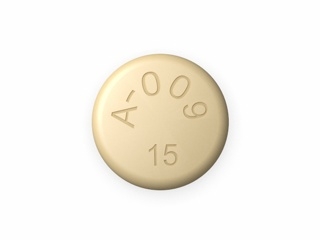
Abilify (aripiprazole) comes in different forms (for example, tablets and other formulations). Your pharmacy can confirm what forms and strengths are currently available.
2) How Abilify works (mechanism of action)
Aripiprazole affects brain receptors involved in mood, thinking, and behaviour, especially pathways using dopamine and serotonin.
- Dopamine D2 receptor “partial agonist”: Aripiprazole can both activate and block dopamine signalling depending on the existing dopamine activity in the brain. This helps stabilise dopamine-related symptoms.
- Serotonin receptor activity: It acts on specific serotonin receptors (including 5‑HT1A and 5‑HT2A), which may help improve mood and reduce some anxiety-related or thought-related symptoms.
- Functional stabilisation: The overall effect is often described as “balancing” neurotransmission rather than simply turning it fully on or off.
People often notice improvement gradually. Some symptoms may start to improve in days to weeks, while full benefit may take several weeks.
3) Pharmacokinetics (how the body processes it)
Pharmacokinetics describes how a medicine is absorbed, distributed, metabolised, and eliminated. While individual factors vary, these are general patterns for aripiprazole:
- Absorption: After oral dosing, aripiprazole is absorbed from the gastrointestinal tract.
- Peak levels: Blood concentrations typically peak a few hours after a dose (timing may vary by formulation and individual metabolism).
- Distribution: It distributes into body tissues, including the brain.
- Metabolism: Mainly processed in the liver via enzyme systems (notably CYP2D6 and CYP3A4). This means other medicines that strongly affect these enzymes can change aripiprazole levels.
- Elimination: The medicine and its metabolites are eliminated primarily through the liver and kidneys.
- Half-life: Aripiprazole has a relatively long half-life, which supports once-daily dosing in many cases.
Your clinician may adjust the dose if you take certain interacting medicines or if you have liver-related issues.
4) Typical use in Australia (indications)
Abilify (aripiprazole) is used for a range of psychiatric conditions, including:
- Schizophrenia and related psychotic disorders
- Bipolar disorder (including depressive or manic symptoms, depending on the specific regimen and clinical plan)
- Irritability associated with autistic disorder in paediatric patients (where appropriate and based on the product’s approved indications)
- Adjunct treatment for major depressive disorder in certain situations (commonly as an add-on when antidepressant treatment alone is insufficient)
The exact indications, age limits, and approved use can differ by product formulation and by Australian regulatory listings. Your pharmacist or prescriber can confirm the approved use for your specific situation.
5) Timing and how to take Abilify
Most aripiprazole regimens are taken once daily, often at the same time each day.
- Choose a consistent time: Many people find it helpful to take it morning or evening based on how it affects them.
- Morning vs night: Some people feel more alert, others may feel drowsy. If it affects your sleep, talk to your clinician about whether changing the time is appropriate.
- Missed dose: If you miss a dose, take it when you remember on the same day. If it is close to your next dose, skip the missed dose and resume your regular schedule. Avoid taking double doses.
- Do not stop suddenly: Stopping abruptly can lead to symptoms returning or worsening. If you want to stop or reduce, discuss a gradual plan with your clinician.
6) Food interactions
For most people, aripiprazole can be taken with or without food.
- General guidance: Take it the way your clinician/pharmacist instructs—consistency is helpful.
- Practical tip: If taking it with food helps reduce stomach upset, you may choose to do so.
There are no widely expected “major” food restrictions for aripiprazole. However, if you are managing other conditions (e.g., diabetes, cardiovascular disease, or high cholesterol), maintaining a balanced diet remains important for overall health.
7) Alcohol and medicine interactions
Alcohol
Alcohol can worsen mood symptoms and impair judgment, sleep, and coordination. When taking Abilify, it’s recommended to limit alcohol or avoid it unless your clinician specifically advises otherwise.
- Risk: Increased sedation, dizziness, or impaired driving ability
- Mood effects: Alcohol can aggravate anxiety or depression in some people
Medicine interactions
Aripiprazole can interact with other medicines—especially those that affect liver enzymes (CYP2D6 and CYP3A4) and those that influence the brain.
Common interaction themes include:
- Enzyme inducers or inhibitors: Some medicines can increase or decrease aripiprazole levels, which may require dose adjustment.
- Other medicines affecting the central nervous system: Combining with sedatives, opioids, antihistamines, or medicines that cause drowsiness may increase dizziness or sleepiness.
- Blood pressure medicines: In some people, Abilify may contribute to light-headedness when standing; combining with antihypertensives may increase this risk.
Always tell your pharmacist or prescriber about all medicines and supplements you take, including over-the-counter products, herbal remedies (for example, St John’s wort), and occasional medications.
8) Dosing: typical approach
Dosing for Abilify depends on the condition being treated, age, formulation, and how you respond. The following information provides general dosing ranges. Your clinician will tailor the dose for you.
| Condition (general) | Typical dosing approach (general) | Notes |
|---|---|---|
| Schizophrenia | Once daily starting dose, then possible gradual adjustment | Clinical response and tolerability guide changes |
| Bipolar disorder (mania or related symptoms) | Once daily dosing with titration based on symptoms | May be used alone or with other mood stabilisers |
| Adjunct for major depressive disorder | Add-on dosing starting low, then adjusted if needed | Often used with an antidepressant regimen |
| Irritability associated with autistic disorder (paediatric) | Weight/age-based dosing may be used, with careful monitoring | Regular follow-up is important |
Do not change your dose without medical advice. If side effects occur, your clinician may lower the dose, adjust timing, or change the medicine.
9) Safety profile: what to watch for
Like all medicines, Abilify can cause side effects. Many people experience mild or temporary effects that improve over time. Others may need dose changes or a different treatment.
Common side effects
- Headache
- Nausea or stomach discomfort
- Restlessness or feeling “on edge” (akathisia)
- Sleep changes (insomnia or sleepiness)
- Dizziness
- Dry mouth
Metabolic and movement-related risks
- Weight changes and metabolic effects: Some people may experience weight gain or changes in blood sugar and lipids. Regular monitoring is often recommended, especially with longer-term use or if you have risk factors.
- Movement disorders: Symptoms such as tremor, stiffness, or involuntary movements can occur. If you notice unusual movements, talk to your clinician promptly.
Serious but less common warnings
Seek urgent medical attention if you experience:
- Signs of an allergic reaction: swelling of face/lips, difficulty breathing, severe rash
- Severe muscle stiffness, fever, confusion: possible rare serious syndrome
- Fainting or severe dizziness
- Signs of suicidal thoughts or significant mood worsening: especially early in treatment or after dose changes
Children and adolescents: extra monitoring
If Abilify is used in younger people, clinicians typically monitor growth, weight, sleep patterns, behaviour, and metabolic parameters more closely.
10) Practical use tips for best results
- Track early changes: Keep a simple diary of sleep, anxiety, irritability, and any side effects for the first few weeks. This can help your clinician adjust treatment more effectively.
- Don’t stop because you feel “better”: Symptoms can return if the medicine is discontinued too soon or abruptly.
- Stay consistent with timing: If you take it daily, aim for the same time each day.
- Rise slowly: If you feel light-headed, stand up slowly—especially after sitting or lying down.
- Attend monitoring appointments: Blood tests and physical checks may be recommended (e.g., weight, glucose, lipids).
- Driving and machinery: If you feel dizzy, drowsy, or restless, avoid driving or operating machinery until you know how Abilify affects you.
11) Alternative options (if Abilify isn’t suitable)
Depending on the condition being treated, clinicians may consider alternative medicines or strategies. Options can include:
- Other antipsychotics (selection depends on your symptom profile and side-effect preferences)
- Different antidepressant strategies for depression (including changes to antidepressants or other add-on treatments)
- Mood stabilisers for bipolar disorder (often used in combination)
- Psychological therapies such as CBT, psychoeducation, family therapy, or support programs alongside medication
Your clinician can explain which alternatives best match your needs, including benefits, side effects, and monitoring requirements.
12) Abilify in Australia: market and legal context
In Australia, aripiprazole (Abilify®) is available as an approved medicine under the Australian regulatory framework. Availability and prescribing practices follow Australian health regulations and medicine scheduling rules.
- Access: Supply is provided through Australian pharmacy channels in line with health regulations.
- Ongoing review: Treatment decisions typically involve regular follow-up to assess benefit, side effects, and any comorbidities.
- Product information: Always refer to the latest Consumer Medicine Information (CMI) and pharmacy guidance for your specific product.
13) Recent guidance and important updates (general)
Clinical guidance for antipsychotic and mood-related treatments can evolve over time. While individual recommendations vary, commonly emphasized themes in recent Australian and international practice include:
- Shared decision-making: Discuss expected benefits, side effects, and monitoring before starting.
- Metabolic monitoring: Regular checks for weight, glucose, and lipids as appropriate.
- Movement disorder awareness: Monitoring for akathisia or other motor side effects, especially early in treatment or after dose changes.
- Treatment reviews: Assessing response periodically and adjusting treatment if improvement is insufficient or side effects are problematic.
- Safety for young people: Careful assessment and follow-up for paediatric use.
If you’re unsure what monitoring or follow-up should apply to you, ask your pharmacist or clinician.
14) Delivery and availability (online pharmacy)
At our online pharmacy, we aim to make ordering straightforward for Australian customers. Availability can vary by product form and strength. If a particular Abilify presentation is temporarily unavailable, we may offer a suitable alternative that matches your needs and the manufacturer’s stock situation.
- Delivery areas: Delivery availability depends on your location across Australia.
- Packaging: Medicines are typically packed securely to protect tablets from damage and to maintain product integrity.
- Tracking: Where available, you may receive delivery updates.
- Timeframes: Delivery time can vary based on the prescription/ordering workflow and courier service.
If you have questions about stock for a specific strength or formulation, contact our team and we’ll check availability.
15) FAQ
How long does Abilify take to work?
Some people notice changes in days to a couple of weeks, but more meaningful improvement can take several weeks. Early side effects may appear sooner than symptom improvement. Your clinician can help you gauge expectations for your specific condition.
Can I take Abilify with food?
Yes. Aripiprazole can usually be taken with or without food. Taking it with a meal may help reduce stomach discomfort for some people.
What should I do if I miss a dose?
Take it when you remember on the same day. If it’s close to the next dose, skip the missed dose and resume your regular schedule. Avoid taking extra doses to “catch up.”
Will Abilify make me gain weight?
Weight changes can occur, but not everyone experiences weight gain. Your clinician may recommend periodic monitoring of weight, blood sugar, and cholesterol—especially if you have risk factors.
What is akathisia, and what if I get it?
Akathisia is a sense of inner restlessness, sometimes with an urge to move. It can happen early in treatment. If you notice intense restlessness, contact your clinician promptly—adjusting the dose or treatment plan may help.
Is it safe to drive after taking Abilify?
Safety depends on how you respond. If you feel dizzy, sleepy, or unusually restless, avoid driving and tell your clinician. Over time, many people adjust, but caution is important—especially early in treatment or after dose changes.
Can I drink alcohol while taking Abilify?
It’s generally best to limit alcohol or avoid it, as alcohol can worsen mood symptoms and increase dizziness or sleepiness. If you’re unsure, ask your clinician or pharmacist.
What medicines commonly interact with aripiprazole?
Medicines that strongly affect liver enzymes (CYP2D6 and CYP3A4) can change aripiprazole levels. Medicines that cause drowsiness or affect the brain can increase side effects. Always provide your pharmacist with a full list of medicines and supplements.
Can I stop Abilify suddenly?
It’s usually not recommended to stop suddenly without discussing it with your clinician. Stopping abruptly can lead to symptom relapse or withdrawal-like effects. A supervised taper is commonly used when stopping.
Are there alternatives if I can’t tolerate Abilify?
Yes. Alternatives depend on your diagnosis and symptom pattern and may include other antipsychotic or mood treatment options, plus psychological therapies. Your clinician can guide the best next step.
Where can I find the official consumer information?
Your pharmacist can provide the most current Consumer Medicine Information (CMI) for the exact Abilify product and strength you receive.
Need help? If you have questions about side effects, timing, or interactions, our pharmacy team can help you understand how to use Abilify safely and effectively.