

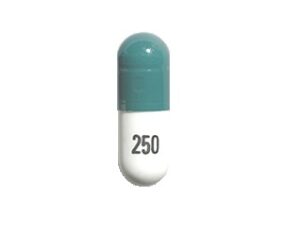
Sumycin (Tetracycline) — Patient Information (Australia)
Sumycin is a brand of tetracycline, an antibiotic belonging to the tetracycline class. It is used to treat certain bacterial infections and, in some situations, other conditions where tetracyclines are appropriate. This guide is written to help you understand how tetracycline works, how it’s usually taken, and what to watch for while using it.
Please note: medicines can affect people differently. Always follow the instructions provided with your medicine and the advice from your healthcare professional.
Basic product information
| Item | Details |
|---|---|
| Brand | Sumycin |
| Generic name | Tetracycline (tetracycline hydrochloride in many formulations) |
| Medicine type | Antibiotic (tetracycline class) |
| Common forms | Oral tablets or capsules (form may vary by product listing) |
| How it works | Stops bacteria from producing essential proteins |
How tetracycline works (mechanism of action)
Tetracycline works by interfering with how bacteria build proteins. Specifically, it binds to the bacterial ribosome (the cell’s “protein factory”) and blocks the attachment of new amino acids. Without these proteins, bacteria can’t grow and multiply effectively.
Tetracycline is generally considered bacteriostatic, meaning it slows or stops bacterial growth rather than directly killing all bacteria immediately. In many infections, this allows the immune system to clear the remaining bacteria.
Pharmacokinetics: how the body handles tetracycline
Understanding absorption and distribution can help explain common timing and food-interaction advice.
- Absorption: Tetracycline is absorbed from the stomach and small intestine, but absorption can be reduced by certain substances (notably calcium, iron, magnesium, and some dairy products).
- Distribution: It distributes throughout the body, including many tissues. Tetracyclines can bind to developing teeth and bone, which is one reason they are avoided in certain age groups and situations.
- Metabolism: Tetracycline is not extensively metabolised by the liver compared with some other antibiotic classes.
- Excretion: It is eliminated mainly through the kidneys (urine) and also to a smaller extent through bile/feces. Dosage may need adjustment in people with significant kidney problems.
- Half-life: The time it takes for drug levels to reduce depends on patient factors such as kidney function and formulation; clinicians may tailor schedules accordingly.
Typical use: what tetracycline is commonly prescribed for
Tetracycline may be used for infections caused by susceptible bacteria. It is also used for specific conditions where a tetracycline is the recommended option.
In clinical practice, tetracyclines are used selectively because bacterial resistance can occur and because other antibiotics or tetracycline derivatives may be preferred depending on the infection.
Common indications (examples)
- Some respiratory and skin infections caused by tetracycline-susceptible organisms.
- Acne: in some cases, tetracyclines are used as anti-inflammatory and antibacterial therapy (formulation and regimen depend on the product and local guidance).
- Other specific bacterial infections where tetracycline is an appropriate choice based on culture results, local resistance patterns, and patient factors.
- Certain sexually transmissible infections: may be considered in selected scenarios under appropriate clinical direction and testing.
Your healthcare professional will decide whether tetracycline is suitable by considering the likely bacteria, allergy history, pregnancy status, other medicines you take, and your kidney/liver health.
Timing and how to take Sumycin
Correct timing can make a meaningful difference to effectiveness and reduce unwanted interactions.
Typical dosing schedule
Dosing depends on the infection being treated, your age, kidney function, and how the medicine is formulated. Common regimens for oral tetracycline are often given in divided doses (for example, several times per day).
Follow the schedule on the pharmacy label or the instructions provided with your medicine.
How to take it
- Take with water and swallow whole.
- Remain upright (sitting or standing) for at least 30 minutes after taking to reduce the risk of throat/esophageal irritation or ulceration.
- If you miss a dose, take it when you remember unless it’s close to the next dose. Don’t take a double dose.
Duration: finish the course
Even if you feel better, complete the recommended course length. Stopping early can allow bacteria to survive and potentially worsen the infection or increase resistance.
Food interactions: what to avoid
Tetracycline can bind with minerals and some food components, lowering absorption and effectiveness. Food interactions are a major reason for advice on taking tetracycline away from meals or mineral supplements.
Common interaction triggers
- Dairy products (milk, yoghurt, cheese) due to calcium.
- Antacids containing aluminium or magnesium.
- Iron supplements and multivitamins with minerals.
- Magnesium supplements or laxatives containing magnesium.
- Calcium supplements.
- Some high-mineral drinks.
A common practical approach is to take tetracycline with water and avoid dairy and mineral-containing products around the dose. Many regimens advise separating by about 2 hours before or 4–6 hours after such products; however, you should follow the specific guidance on your product label and pharmacist advice.
Can it be taken with food?
Tetracycline is often recommended on an empty stomach to improve absorption, but if it upsets your stomach, your clinician/pharmacist may allow taking it with a small amount of food that does not include dairy or minerals. If your instructions differ, follow them.
Alcohol interactions
Moderate alcohol may not directly “cancel out” tetracycline in every case, but alcohol can worsen side effects such as nausea, stomach upset, dizziness, and sleep disruption. It can also impair hydration and overall recovery.
To minimise risk:
- Avoid heavy alcohol intake while you’re unwell or during antibiotic treatment.
- If you’re taking other medicines alongside tetracycline, check each one’s alcohol guidance (some combinations can increase stomach irritation or liver strain).
- If you develop severe stomach pain, persistent vomiting, or yellowing of the eyes/skin, seek urgent medical advice.
Medicine interactions (important)
Several medicines can interact with tetracycline, mainly by affecting absorption, increasing side effects, or altering how drugs work.
Interactions that reduce tetracycline absorption
- Antacids (aluminium/magnesium)
- Iron preparations
- Magnesium or laxatives containing magnesium
- Calcium supplements
- Multivitamins/mineral supplements
Separate these from tetracycline dosing when possible. Your pharmacist can advise an appropriate spacing based on your specific product.
Other notable medicine interactions
- Warfarin and other blood thinners: antibiotics can change gut bacteria and influence bleeding risk. Monitoring (such as INR) may be needed.
- Isotretinoin or other acne medications: combining with tetracyclines may increase the risk of certain rare neurological side effects (e.g., raised pressure in the skull).
- Retinoids: similar caution may apply where clinically relevant.
- Oral contraceptives: while the evidence is mixed, antibiotic use can sometimes affect contraceptive reliability via gastrointestinal effects. If you experience vomiting/diarrhoea or have concerns, use additional contraception and ask your pharmacist.
- Some seizure medicines (e.g., certain enzyme inducers): may reduce effectiveness by altering drug metabolism.
Tell your pharmacist or healthcare professional about all medicines you take, including non-prescription products, vitamins, minerals, herbal supplements, and any recent antibiotics.
Safety profile: who should be cautious
Tetracycline has a well-known safety profile. However, some people need extra caution due to age, pregnancy status, allergies, or medical history.
Key safety concerns
- Allergy: Seek urgent care if you develop signs of a serious allergic reaction such as swelling of the face/lips, difficulty breathing, or widespread rash.
- Sun sensitivity (photosensitivity): Increased sensitivity to sunlight can occur. Use sun protection (SPF 30+ broad-spectrum, protective clothing, avoid midday sun) and stop and seek advice if you develop a severe rash.
- Gastrointestinal upset: Nausea, vomiting, diarrhoea, abdominal discomfort are possible.
- Thrush or secondary infections: Antibiotics can alter normal flora, leading to oral thrush or vaginal yeast infections.
- Severe diarrhoea: If you develop watery or bloody diarrhoea, especially with fever or abdominal cramps, contact a clinician promptly as it may indicate antibiotic-associated colitis.
- Raised intracranial pressure (rare): Symptoms may include severe headache, vision changes, dizziness, or vomiting. Seek medical advice urgently if these occur.
- Effect on teeth and bones: Tetracyclines can affect developing teeth and bone. This is why use is generally avoided in pregnancy and in young children unless a specialist deems it necessary.
- Kidney or liver impairment: dosing may need adjustment and monitoring may be recommended.
Pregnancy and breastfeeding
Tetracyclines are generally not used in pregnancy due to potential effects on the developing foetus (including effects on teeth/bone). For breastfeeding, tetracycline may be avoided or used only with specialist advice. If you are pregnant, planning pregnancy, or breastfeeding, speak to your healthcare professional before using Sumycin.
Children and adolescents
Tetracycline is generally avoided in children under certain ages because of risks to tooth development and bone growth. In selected situations, specialist assessment is required. Follow local clinical guidance and pharmacist advice.
Practical use tips for better results
- Set reminders so doses are evenly spaced (especially if prescribed multiple times daily).
- Separate from minerals (iron, calcium, magnesium, antacids) and dairy as instructed—this is crucial for absorption.
- Use sun protection throughout treatment and for several days after, as advised.
- Stay hydrated to reduce the likelihood of dizziness and constipation from illness or reduced intake.
- Manage stomach upset by taking with a small amount of non-dairy food if your clinician permits; avoid self-adjusting if absorption is critical for your condition.
- Check for interactions when starting any new medicine (including OTC products) during your course.
- Complete the course even if symptoms improve.
Alternative options
Alternative treatments depend on the infection, bacteria suspected or confirmed, antibiotic resistance patterns, and your medical history. In Australia, clinicians may choose from other antibiotic classes or different tetracycline derivatives when appropriate.
Possible alternatives (examples)
- Other antibiotics from different classes (chosen based on the infection site and organism).
- Different tetracyclines (e.g., doxycycline) where appropriate—often preferred for some conditions due to dosing convenience and tolerability, depending on local practice.
- Topical treatments (for some skin conditions such as mild acne), when suitable.
Only a healthcare professional can decide what alternative is best for you. If you’re unable to take tetracycline due to side effects, allergies, pregnancy, or interactions, ask about other options.
Market and legal context for Australia (overview)
In Australia, the availability of antibiotic medicines is regulated to support safe and appropriate use. Medicines may be supplied under pharmacy supply processes and are subject to Australian regulations. Antibiotics should generally be used only for the intended condition and for the advised duration.
Online pharmacies typically follow Australian requirements for supply, including identity verification where required, and may request clinical information to ensure suitability and safety. Your order should be accompanied by appropriate consumer medicines information and label instructions.
Recent guidance and antimicrobial stewardship
Like many countries, Australia promotes antimicrobial stewardship—using antibiotics only when necessary and choosing the right medicine at the right dose for the right duration. This helps slow antibiotic resistance and protects future treatment options.
If you start tetracycline and do not notice improvement within the expected timeframe, or symptoms worsen, seek medical advice rather than continuing without review. Resistance and alternative diagnoses are possible.
Delivery and availability
Sumycin (tetracycline) may be available through authorised pharmacy channels. Availability can vary depending on supplier stock and the specific formulation and pack size.
- Processing times: may vary by location and stock availability.
- Shipping: delivery generally depends on your address and local courier services.
- Packaging: medicines are typically supplied in manufacturer packaging with clear dosage instructions.
If the product you selected is temporarily unavailable, the pharmacy may offer alternatives or notify you of expected restock timing, subject to regulations and clinical suitability.
FAQ
1) What is Sumycin used for?
Sumycin is used to treat certain bacterial infections and, in some cases, other conditions where tetracycline is appropriate. The exact use depends on the diagnosis and the bacteria involved.
2) How fast should I start to feel better?
Many people notice improvement within a few days, but this varies by the infection. If symptoms are not improving or are worsening after a reasonable period (as advised by your healthcare professional), contact a clinician for review.
3) Can I take Sumycin with dairy?
It’s best to avoid dairy close to your tetracycline dose because calcium can reduce absorption. If you must take it with food, use non-dairy options and follow label/pharmacist instructions on spacing.
4) What should I do if I miss a dose?
Take it when you remember unless it is nearly time for the next dose. Do not take two doses at once. If you’re unsure, ask your pharmacist.
5) Are there common side effects?
Common side effects may include nausea, stomach upset, diarrhoea, or photosensitivity (sun sensitivity). Contact a healthcare professional if side effects are severe or persistent.
6) When should I seek urgent medical help?
Seek urgent help if you experience signs of an allergic reaction (swelling, breathing difficulty), severe or bloody diarrhoea, severe headache with vision changes, or a widespread rash with fever or blistering.
7) Can I drink alcohol while taking Sumycin?
Moderate alcohol may not directly interact with tetracycline in a simple way, but alcohol can worsen side effects and affect recovery. Avoid heavy drinking and seek advice if you have liver disease or significant side effects.
8) Does tetracycline interact with vitamins or minerals?
Yes. Iron, calcium, magnesium, and multivitamins with minerals can reduce tetracycline absorption. Separate these products from your tetracycline dose as advised by your pharmacist.
9) Can I take antacids at the same time?
Antacids containing aluminium or magnesium can reduce absorption. Ask your pharmacist about appropriate spacing (often several hours) between antacids and tetracycline.
10) What are practical tips to avoid stomach irritation?
Take with a full glass of water, remain upright for at least 30 minutes after swallowing, and avoid taking it with dairy or mineral supplements. If you experience significant nausea, speak to your pharmacist about options to improve tolerability.
11) Is tetracycline effective for every infection?
No. Tetracycline is only effective against susceptible bacteria. Your healthcare professional selects antibiotics based on the likely cause, severity, and local resistance patterns.
Summary
Sumycin (tetracycline) is an oral antibiotic that works by blocking bacterial protein production. To get the best results, take it as directed, separate it from dairy and mineral-containing products, and use sun protection to reduce photosensitivity risk. If you experience severe side effects or symptoms that worsen instead of improve, seek medical advice promptly.