
Indocin (Indomethacin) — Patient Information (Australia)
Indocin is a brand of indomethacin, a medicine from the group known as non-steroidal anti-inflammatory drugs (NSAIDs). Indocin can help reduce pain, swelling, and stiffness associated with several inflammatory conditions, and it may also be used for certain specific medical purposes.
This page provides a patient-friendly overview of how Indocin works, what it’s commonly used for, how it’s taken, and important safety considerations—tailored for customers in Australia. If you have questions about whether Indocin is appropriate for you, speak with a qualified healthcare professional.
Quick Product Facts
| Category | Details |
|---|---|
| Medicine name | Indocin (indomethacin) |
| Drug class | NSAID (non-steroidal anti-inflammatory drug) |
| Common uses | Pain/inflammation in arthritis and related conditions; certain types of acute pain; other specialist indications |
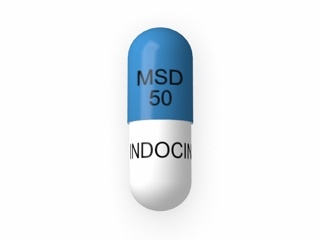
| Typical forms | Capsules and/or oral preparations (strengths may vary by product) |
| Key benefits | Reduces inflammation and pain; may help with fever and stiffness |
| Key risks | Stomach irritation/ulcers/bleeding; kidney effects; increased cardiovascular risk for some people; interactions with other medicines |
How Indocin Works (Mechanism of Action)
Indomethacin works by reducing the body’s production of prostaglandins. Prostaglandins are chemicals that contribute to inflammation, pain, and fever. Like other NSAIDs, indomethacin inhibits the enzyme cyclo-oxygenase (COX), which plays an important role in prostaglandin formation.
By lowering prostaglandin levels, Indocin can:
- Decrease swelling and inflammatory activity
- Reduce pain and tenderness
- Improve mobility by easing stiffness
Pharmacokinetics (How the Body Handles Indomethacin)
Pharmacokinetics describes how the medicine is absorbed, distributed, metabolised, and eliminated.
- Absorption: Indomethacin is absorbed after oral dosing. Food may slow absorption, which can affect how quickly you feel relief.
- Distribution: It circulates in the body and binds substantially to plasma proteins.
- Metabolism: Indomethacin is metabolised primarily in the liver.
- Elimination: Metabolites are cleared mainly through the kidneys (and to some extent via bile/faecal routes). Clearance can vary with age and kidney function.
- Onset and duration: Many people feel pain relief within hours, but the exact timing can vary depending on the product form and whether it’s taken with food.
Note: Specific times (such as half-life) can vary depending on the formulation and patient factors. Your pharmacist or doctor can provide details for the exact product you are using.
Typical Indications (What Indocin Is Used For)
Indocin is used to treat conditions where inflammation and pain are prominent. Common indications include:
- Arthritis and inflammatory joint conditions (e.g., rheumatoid arthritis, ankylosing spondylitis, osteoarthritis flares—where an NSAID is appropriate)
- Acute painful inflammatory episodes (such as certain musculoskeletal pain syndromes, as advised by a clinician)
- Other specialist indications where indomethacin is selected for its effectiveness and clinical evidence (your healthcare professional can explain why it’s chosen)
Because indications may depend on age, diagnosis, and product suitability, always follow the guidance given to you for your specific condition.
Timing and How to Take Indocin
Indocin dosing schedules depend on the condition being treated, your age, and your risk factors (for example, stomach/ulcer history or kidney health). Common practical guidance includes:
- Take it at the same times each day if it’s prescribed more than once daily.
- Use the lowest effective dose for the shortest duration that still controls your symptoms (this can help reduce side effects).
- Do not increase your dose to “make it work faster”.
Food & stomach comfort: Many people experience less stomach irritation when NSAIDs are taken with food or after a meal. However, food may affect how quickly Indocin begins to work.
Dosing (General Information)
Indomethacin doses vary by indication, formulation, and patient circumstances. Your healthcare professional will determine the dose that’s safe and appropriate for you.
In general terms:
- Adults: Dosing may start at a level aimed at symptom control and may be adjusted based on response and tolerability.
- Elderly people: Often require extra caution due to higher risk of stomach bleeding, kidney impairment, and drug interactions.
- Children and adolescents: Use may be limited and must be guided by a clinician familiar with paediatric NSAID dosing.
Important: Always check the strength on your specific product label and follow the directions provided by your healthcare professional or pharmacist.
Food Interactions
While Indocin can be taken with or without food depending on your regimen, food can influence tolerability and speed of effect:
- Taking with food may help reduce gastric irritation.
- Large or greasy meals may further delay stomach emptying and affect absorption timing.
- Avoid taking it on an empty stomach if you have a history of gastritis, reflux, or ulcers—unless your clinician specifically advises otherwise.
General stomach-protection note: If you’re also taking medicines that protect the stomach (such as some acid-suppressing agents), discuss this with your pharmacist to ensure compatibility with your overall plan.
Alcohol and Medicine Interactions
Alcohol
Combining NSAIDs like indomethacin with alcohol may increase the risk of stomach irritation and gastrointestinal bleeding.
- Try to avoid alcohol while taking Indocin, especially if you have a history of ulcers or bleeding.
- If you choose to drink, keep it minimal and discuss your individual risk with a clinician.
Interactions with other medicines
Indomethacin can interact with several medicine groups. Tell your healthcare professional about all medicines you use, including over-the-counter products and supplements.
- Other NSAIDs (e.g., ibuprofen, naproxen, aspirin for pain): Avoid using multiple NSAIDs together due to higher risk of stomach and kidney harm.
- Blood thinners (e.g., warfarin): Increased bleeding risk may occur.
- Antiplatelet medicines (e.g., clopidogrel, some aspirin regimens): Increased bleeding risk.
- Selective serotonin reuptake inhibitors (SSRIs) and some antidepressants: May raise bleeding risk when combined with NSAIDs.
- Corticosteroids (e.g., prednisone): Higher risk of gastrointestinal ulceration/bleeding.
- Diuretics and blood pressure medicines (ACE inhibitors/ARBs): NSAIDs can reduce kidney function and may lessen blood pressure control in some people.
- Kidney-affecting medicines (some antivirals, certain antibiotics): Combination may increase kidney strain.
- Lithium: NSAIDs can raise lithium levels, increasing toxicity risk.
- Methotrexate: NSAIDs may increase methotrexate levels, increasing adverse effects.
- Some diabetes medicines: Rarely, NSAIDs can affect glucose control.
Practical tip: If you’re unsure whether a medicine is safe to take alongside Indocin, ask your pharmacist or check a medicines interaction resource.
Safety Profile: Side Effects and When to Seek Help
Like all medicines, Indocin can cause side effects. Many are mild, but some require urgent medical attention.
Common (often mild) side effects
- Stomach discomfort, indigestion, heartburn
- Nausea
- Headache or dizziness
- Fluid retention (swelling of ankles/hands) in some people
Serious side effects (seek medical help promptly)
Get urgent medical attention if you notice:
- Signs of stomach bleeding: black/tarry stools, vomiting blood or material that looks like coffee grounds
- Severe allergic reaction: swelling of face/lips, wheezing, trouble breathing, widespread rash
- Severe skin reactions: blistering, peeling, or painful rash with fever
- Kidney problems: reduced urination, swelling, sudden weight gain, significant fatigue
- Chest pain, shortness of breath, weakness on one side (possible cardiovascular or thrombotic event)
- Unexplained bruising or unusual bleeding
Who should be extra cautious
Indomethacin may not be suitable or may require closer monitoring if you have:
- A history of stomach ulcers or gastrointestinal bleeding
- Kidney disease or reduced kidney function
- Heart disease, prior stroke, or risk factors for cardiovascular events
- Asthma that worsens with NSAIDs
- Severe liver disease
- Older age or multiple medications (higher interaction risk)
Practical Use Tips
- Take with food if you have stomach sensitivity.
- Stay hydrated, especially if you’re also taking medicines that affect kidneys.
- Check labels: Avoid doubling up with other NSAIDs in cold/flu products.
- Know your warning signs (black stools, severe abdominal pain, rash, breathing difficulty).
- Track response: If pain isn’t improving or side effects appear, contact your pharmacist or clinician—don’t just keep increasing the dose.
- Use short-term where possible: The lowest effective dose for the shortest duration reduces risk.
Storage: Keep your medicine in its original packaging and store it according to label instructions. Keep it out of reach of children.
Alternative Options
If Indocin isn’t suitable (due to side effects, interactions, or specific medical conditions), your healthcare professional may consider alternative treatments. Options can include:
- Other NSAIDs (different agents may be better tolerated for some people)
- Paracetamol (acetaminophen) for pain relief when appropriate
- Topical NSAIDs for certain localised joint or muscle pain
- Non-medicine approaches: physiotherapy, stretching/strengthening programs, heat/ice, weight management, and ergonomic adjustments
- Disease-specific treatments for inflammatory arthritis (for example, steroid-sparing therapies or biologics, depending on diagnosis)
Important: Don’t switch or combine NSAIDs without advice, as this can increase risk.
Market & Legal Context for Australia
In Australia, access to medicines is regulated to support safe use. Indomethacin is a prescription medicine in many circumstances and must be obtained through the appropriate channels. Online pharmacies in Australia typically require compliance with Australian regulatory and professional standards, including identity verification and appropriate checks for suitability and safety.
Regulatory bodies and guidance:
- Medicines in Australia are overseen through the TGA (Therapeutic Goods Administration).
- Pharmacists provide advice to ensure medicines are appropriate for the individual and that potential interactions are identified.
- Consumers should always follow instructions on the product packaging and any advice provided by healthcare professionals.
Note: Availability, formulation, and brand presentation can vary. Always confirm that you are purchasing the intended product and strength.
Recent Guidance and Safety Considerations (General Trends)
Across many countries, including Australia, clinical guidance for NSAIDs continues to emphasise:
- Individualised risk assessment (stomach, kidney, and cardiovascular risk)
- Using the lowest effective dose and shortest duration
- Avoiding unnecessary NSAID combinations
- Monitoring when long-term therapy is needed
- In high-risk patients, considering strategies to reduce gastrointestinal risk where appropriate
If you are taking Indocin longer than a short course, discuss ongoing monitoring with your doctor or pharmacist, including kidney function and stomach risk.
Delivery and Availability (Online Pharmacy)
Availability of Indocin products can depend on stock levels and local supply chains. When ordering online in Australia:
- Confirm the strength and formulation before checkout.
- Check dispensing details shown on the order confirmation.
- Allow time for processing, especially if additional safety checks are required.
- Delivery timeframes vary by location and service level. Your online order confirmation should include expected dispatch and transit times.
Packaging: Medicines are typically delivered in tamper-evident packaging. Store them as instructed on the label.
FAQ: Indocin (Indomethacin)
1) What is Indocin used for?
Indocin (indomethacin) is used to reduce pain and inflammation in conditions such as certain arthritis and other inflammatory musculoskeletal problems. It may also be used for special indications determined by a clinician.
2) How quickly does Indocin work?
Some people notice pain relief within hours. Taking it with food may improve stomach comfort but can slow how quickly the medicine starts working.
3) Can I take Indocin with food?
Often yes. For many people, taking an NSAID with food (or after meals) reduces stomach irritation. Follow the instructions provided for your specific product and regimen.
4) Can I take other painkillers with Indocin?
Avoid combining with other NSAIDs (such as ibuprofen or naproxen). Paracetamol is sometimes used for additional pain relief, but it’s best to ask your pharmacist to confirm suitability for your situation.
5) Is it safe to drink alcohol while taking Indocin?
Alcohol can increase the risk of stomach bleeding and irritation when combined with NSAIDs. It’s generally best to avoid alcohol while taking Indocin, especially if you have risk factors.
6) What should I do if I miss a dose?
If you miss a dose, take it when you remember unless it is close to the next scheduled dose. Don’t take a double dose. If you’re unsure, ask your pharmacist.
7) Who should not use Indocin?
Indocin may be unsuitable for people with certain medical histories such as prior NSAID-related allergic reactions, active stomach ulcers or bleeding, significant kidney disease, and others. A healthcare professional can confirm suitability for your specific situation.
8) What are the warning signs of serious side effects?
Seek urgent help if you have black/tarry stools, vomiting blood, severe rash, wheezing or swelling of the face/lips, reduced urination/swelling, or chest pain/shortness of breath.
9) Does Indocin affect the kidneys?
NSAIDs can affect kidney function, particularly in people with existing kidney disease, dehydration, or those taking certain other medicines. If you’re at risk, discuss monitoring with your clinician.
10) Can Indocin be taken long-term?
Long-term NSAID use may increase risks. If ongoing treatment is needed, it should be regularly reviewed by a healthcare professional, often with monitoring for stomach and kidney effects.
Summary
Indocin (indomethacin) is an NSAID used to treat pain and inflammation associated with conditions such as arthritis and inflammatory musculoskeletal problems. It works by reducing prostaglandins in the body. While it can be effective for symptom control, it also carries potential risks—especially for the stomach, kidneys, and cardiovascular system—so careful use is important.
Take with food if needed, avoid alcohol, and be mindful of medicine interactions. If you have any concerns about side effects or drug combinations, speak with a pharmacist or healthcare professional.
This information is general and not a substitute for personalised medical advice. Always follow the directions on your product label and consult a healthcare professional for questions about your specific health needs.