Coreg (Carvedilol) — Patient-Friendly Medicine Information (Australia)
Coreg is a brand of carvedilol, a medicine used to treat certain heart and circulation conditions. It works by slowing the heart and helping blood vessels relax, which can reduce strain on the heart. This guide is designed to help you understand what Coreg does, how it is taken, what to watch for, and how it may interact with food, alcohol, and other medicines.
Important: Always follow the instructions provided by your prescriber and the label on your medicine pack. If you have any questions or experience concerning symptoms, contact a health professional promptly.
Basic product information
| Feature | Information |
|---|---|
| Generic name | Carvedilol |
| Brand name | Coreg (also available in other carvedilol brand/generic forms depending on supply) |
| Medicine class | Beta-blocker (non-selective) with alpha-1 blocking activity |
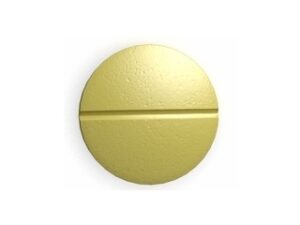
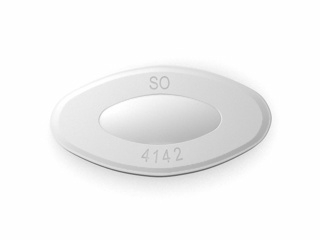
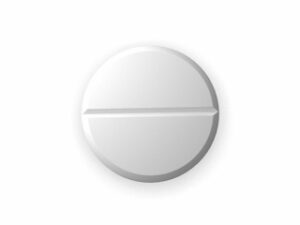
| Common strengths (varies by product) | Typically available in tablet strengths such as 3.125 mg, 6.25 mg, 12.5 mg, 25 mg (confirm your pack) |
| How it’s taken | Usually by mouth, often divided into two daily doses |
| Typical monitoring | Blood pressure, heart rate, symptoms, and sometimes blood tests depending on your condition |
How Coreg works (mechanism of action)
Carvedilol helps your cardiovascular system in more than one way:
- Beta-blockade: It blocks beta receptors in the heart. This can slow the heart rate and reduce the force of contraction, helping the heart use oxygen more efficiently.
- Alpha-1 blockade: It also relaxes certain blood vessels by blocking alpha-1 receptors. This can lower blood pressure and reduce resistance the heart must pump against.
- Overall effect: Together, these actions can improve symptoms and reduce the workload on the heart, particularly in heart failure and related conditions.
Pharmacokinetics (how the body handles Coreg)
Pharmacokinetics describes absorption, distribution, metabolism, and excretion—how the medicine behaves in the body.
- Absorption: Carvedilol is absorbed after taking a tablet by mouth. Taking it with food may improve tolerance and reduce peaks that can contribute to side effects.
- Peak levels: Blood levels typically peak within a few hours after a dose (timing can vary between people and formulations).
- Distribution: It distributes into body tissues, including the cardiovascular system.
- Metabolism: Carvedilol is metabolised mainly in the liver. Liver function can affect how quickly it is cleared.
- Elimination: It is eliminated through metabolic pathways; urine and bile both contribute depending on metabolism. Individual clearance varies.
- Half-life: Carvedilol has an elimination half-life that supports twice-daily dosing for many patients, though your specific regimen should follow your prescriber’s plan.
Note: If you have kidney or liver impairment, the medicine may need careful dose selection and monitoring. Discuss your medical history with your healthcare team.
Typical uses and indications
Coreg is used for several cardiovascular conditions. The exact indication depends on your diagnosis and your healthcare plan.
Common indications
- Heart failure (chronic): Carvedilol is used to treat stable chronic heart failure, often alongside other therapies.
- Left ventricular dysfunction after heart attack: In some cases, it may be used in patients after a heart attack with reduced heart function.
- Hypertension (high blood pressure): It can help lower blood pressure in adults, depending on treatment goals and suitability.
- Other cardiology uses: In clinical practice, beta-blockers may also be used for symptom control in selected patients as determined by clinicians.
Because carvedilol is a specific medicine with specific risks and benefits, your prescriber’s instructions should reflect your diagnosis, blood pressure, heart rate, and other medications you take.
Dosing and timing: what to expect
Dosage must be individualised. Carvedilol is often started at a low dose and increased gradually to reduce the risk of side effects such as dizziness or low blood pressure.
Typical approach (general guidance)
- Starting dose: Often low.
- Titration: Dose may be increased at intervals, depending on symptoms, blood pressure, and heart rate.
- Maintenance dose: A dose that balances benefit and tolerability for your condition.
How often to take Coreg
Many people take Coreg twice daily (e.g., morning and evening). Some regimens may differ—follow your label and prescriber directions.
Timing tips
- Try to take doses at consistent times each day (e.g., 8am and 8pm).
- If you miss a dose, do not double to make up for it. Instead, take the next dose at the usual time unless your clinician advises otherwise.
- Do not stop suddenly unless a clinician instructs you. Sudden beta-blocker withdrawal can worsen heart conditions or cause rebound effects.
Food interactions and taking Coreg with meals
Food and timing can affect tolerability. Carvedilol may be better tolerated when taken with food. Taking Coreg with meals may:
- reduce the chance of early dizziness
- help smooth out blood levels
- improve comfort during dose titration
Practical advice: Take Coreg with food (such as breakfast and dinner) unless your clinician has told you otherwise.
Grapefruit: Some medicines are affected by grapefruit; carvedilol is metabolised in the liver. To be safe, avoid or limit grapefruit products and discuss with a pharmacist if you regularly consume grapefruit.
Alcohol interactions
Alcohol can increase side effects such as:
- dizziness
- light-headedness
- low blood pressure (especially when standing)
Recommendation: If you drink alcohol, do so cautiously. Avoid binge drinking and monitor how you feel—especially when starting Coreg or after dose increases.
Medicine interactions (key examples)
Carvedilol can interact with other medicines. Tell your pharmacist or prescriber about all medicines you use, including non-prescription products and supplements.
Medicines that may increase slowing of the heart or low blood pressure
- Other heart-rate–lowering medicines (e.g., some calcium channel blockers such as verapamil or diltiazem, and other beta-blockers): may increase risk of slow heart rate or dizziness.
- Antiarrhythmics (medicines for heart rhythm): may affect heart conduction.
- Medicines that lower blood pressure (e.g., ACE inhibitors, ARBs, diuretics, nitrates): combined effect can sometimes cause excessive low blood pressure in sensitive patients.
Medicines that may affect carvedilol metabolism
- CYP2D6 and CYP3A4 related drugs can influence levels of carvedilol (exact interaction depends on the specific medicine).
- Strong inhibitors of these pathways may increase carvedilol concentrations and side effects in some people.
Diabetes medicines
- Beta-blockers can sometimes mask symptoms of low blood sugar such as tremor and fast heartbeat.
- If you have diabetes and use insulin or glucose-lowering tablets, monitor blood sugar closely and discuss targets with your clinician.
Other considerations
- Non-steroidal anti-inflammatory drugs (NSAIDs) (e.g., ibuprofen, naproxen): may affect blood pressure control and kidney function in certain patients; ask if regular NSAID use is appropriate for you.
- Smoking: Smoking affects metabolism of many medicines. If you smoke, inform your healthcare team—dose adjustments may be needed.
Always check before starting a new medicine. Your pharmacist can help screen interactions quickly.
Safety profile: common side effects and what to watch for
Like all medicines, Coreg may cause side effects. Many are mild and improve as your body adjusts, especially during the early titration phase.
Common side effects
- Dizziness or light-headedness (particularly when standing)
- Fatigue or tiredness
- Low blood pressure (symptomatic hypotension)
- Slow heart rate (bradycardia)
- Nausea or stomach upset
- Headache
Less common but important effects
- Fluid retention or worsening heart failure symptoms may occur if dose titration is too rapid; clinicians monitor closely during changes.
- Breathing difficulty/wheezing—beta-blockers can affect airways in some people, particularly those with asthma or reactive airway disease.
- Cold hands or feet, reduced circulation symptoms
- Changes in mood or sleep in some individuals
Seek urgent medical help if you experience
- Fainting, severe dizziness, or chest pain
- Severe shortness of breath or swelling of face/lips (possible allergy)
- Very slow heart rate with weakness or collapse
- Signs of stroke (face drooping, arm weakness, speech difficulty) — emergency response
Who needs extra caution
- Asthma or chronic obstructive lung disease (COPD): some beta-blockers can worsen symptoms; your prescriber will weigh benefits and risks.
- Very low blood pressure or very low heart rate at baseline
- Severe liver impairment
- Diabetes (due to masking of hypoglycaemia symptoms)
- Peripheral vascular disease (may worsen circulation symptoms)
Practical use tips (to get the best benefit safely)
- Start low, go slow: If you’re newly prescribed Coreg, your prescriber may titrate gradually. This helps reduce dizziness and blood pressure drops.
- Check your pulse and blood pressure: If you have a home monitor, follow your clinician’s guidance for measuring. Keep a log for follow-up appointments.
- Stand up slowly: Move slowly from lying or sitting positions to standing to reduce light-headedness.
- Keep track of symptoms: Note changes in breathlessness, swelling, fatigue, and exercise tolerance—especially during dose changes.
- Consistency matters: Take the medicine at the same times each day and with food if advised.
- Don’t stop suddenly: If you plan to stop or miss doses frequently, talk to your prescriber. Stopping may require a taper plan.
- Bring a medication list: Include all prescriptions, over-the-counter medicines, and supplements for safe interaction checks.
Alternatives to Coreg (carvedilol) — what else may be used
Depending on your condition, other medicines in related groups may be considered. Alternative options can include:
- Other beta-blockers (examples vary by patient and diagnosis), such as metoprolol or bisoprolol, often used in heart failure or hypertension.
- Other heart failure medicines (class depends on your stage and co-morbidities), such as ACE inhibitors/ARBs, angiotensin receptor–neprilysin inhibitors, diuretics, mineralocorticoid receptor antagonists, and certain newer agents.
- Calcium channel blockers or other blood pressure treatments for hypertension, if beta-blockers aren’t suitable.
Why alternatives matter: Your best option depends on your heart rhythm, blood pressure, lung health, kidney function, diabetes status, and how well you tolerate carvedilol.
Do not switch between carvedilol brands or to another beta-blocker without clinician advice, as doses and tolerance can differ.
Australia market and legal context (availability and supply)
In Australia, carvedilol medicines are supplied through regulated pharmaceutical channels. Availability and whether you can purchase without an initial clinician review depends on the exact product, dosing form, and the current regulatory requirements.
How to check what’s right for you:
- Follow the requirements shown on the product page or pack label.
- If your medicine is not marked as suitable for your circumstances, you may be asked to complete a brief medication suitability check with a healthcare professional.
- Keep your clinician’s plan for monitoring follow-ups.
Reimbursement (PBS): Some cardiovascular medicines may be listed under Australia’s Pharmaceutical Benefits Scheme (PBS) depending on indication and prescribing criteria. Eligibility can vary—ask your pharmacist for the latest information if cost matters to you.
Recent guidance and clinical considerations
Clinical practice evolves as evidence updates. In recent years, heart failure management has increasingly focused on:
- combination therapy using multiple medicine classes (depending on your individual eligibility)
- careful titration of beta-blockers to target or tolerated doses
- structured follow-up to monitor symptoms, blood pressure, kidney function, and electrolytes
- attention to comorbidities such as diabetes, chronic lung disease, and kidney impairment
What this means for you: If you’ve been started on or have had your Coreg dose changed, your prescriber may schedule regular reviews. This is to ensure your treatment is effective and safe for your body.
Delivery and availability (online pharmacy)
Availability can vary by location and supplier. Many online pharmacies in Australia offer delivery options including:
- Standard delivery (within typical business days depending on region)
- Express delivery where offered
- Parcel tracking to help you monitor the shipment
Delivery readiness checklist:
- Ensure your delivery address is correct (including unit numbers).
- Confirm contact details so the pharmacy can reach you if there’s an issue.
- Plan for any required identity/eligibility verification shown during checkout.
Medicines should be stored according to the pack instructions. Keep tablets out of reach of children.
FAQ — Frequently asked questions
1) What is Coreg used for?
Coreg (carvedilol) is used for conditions such as chronic heart failure and hypertension, and in some situations for patients after a heart attack with reduced heart function. Your exact use depends on your diagnosis.
2) How quickly will it start working?
Some effects (like reduced heart rate and blood pressure) can be noticed within days. For heart failure, benefits often build gradually as your dose is titrated and your treatment plan is optimised.
3) Should I take Coreg with food?
Many people are advised to take carvedilol with food to improve tolerability and reduce dizziness. Follow your label and prescriber’s instructions.
4) What if I feel dizzy when I start Coreg?
Dizziness is a common early side effect, especially when standing or after dose increases. Sit or lie down if you feel light-headed, move slowly, and consider checking your blood pressure and pulse. Contact your prescriber if dizziness is severe, persistent, or worsening.
5) Can I drink alcohol while taking Coreg?
Alcohol may increase dizziness and low blood pressure. If you choose to drink, do so cautiously and avoid large amounts. Seek advice if you have frequent low blood pressure, fainting, or severe dizziness.
6) Can Coreg affect my asthma or breathing?
Because carvedilol is a beta-blocker, it may worsen breathing symptoms in some people with asthma or reactive airway disease. Discuss your lung history with your clinician; you may need closer monitoring.
7) Will Coreg hide signs of low blood sugar?
Beta-blockers can mask some warning signs of hypoglycaemia (like fast heartbeat and tremor). If you have diabetes, monitor glucose levels as advised and discuss an action plan for low readings.
8) What should I do if I miss a dose?
Take it when you remember if it’s close to your next dose timing, but generally do not double. If you’re unsure, ask a pharmacist for advice based on your dosing schedule.
9) Is it safe to stop Coreg suddenly?
Stopping suddenly may cause rebound effects, including worsening of heart symptoms. Do not stop unless a clinician advises it, and follow any tapering plan provided.
10) What monitoring will I need?
Monitoring commonly includes blood pressure and heart rate, as well as symptom reviews (especially for heart failure). Your clinician may also request blood tests depending on your condition and other medicines.
11) Can I take other medicines like ibuprofen?
NSAIDs like ibuprofen can sometimes affect kidney function and blood pressure control, especially in people with certain heart or kidney conditions. Check with a pharmacist before regular or high-dose NSAID use.
12) Are there alternatives if Coreg doesn’t suit me?
Yes. Depending on your diagnosis, other beta-blockers or different classes of heart medicines may be considered. Your clinician can help choose options based on your symptoms and tolerance.
Summary
Coreg (carvedilol) is a beta-blocker with alpha-blocking effects used to manage conditions like chronic heart failure and hypertension. It slows the heart and helps blood vessels relax, improving blood pressure and reducing strain on the heart. For best tolerability, it’s often taken with food and started at a low dose with gradual adjustment. If you experience severe dizziness, fainting, worsening shortness of breath, or other urgent symptoms, seek medical help promptly. Always review interactions with your pharmacist, especially if you take diabetes medicines, blood pressure medicines, or other heart-rate–affecting treatments.