Acamprosate (for alcohol dependence) — Patient-Friendly Guide
Acamprosate is a medicine used to help people maintain abstinence from alcohol after stopping drinking. It works by supporting the brain’s chemical balance that becomes disrupted by long-term alcohol use. This guide explains how acamprosate works, how it is typically taken, common safety considerations, and practical tips to support long-term recovery.
Important: Medicines affect people differently. If you are unsure about your situation, talk with a healthcare professional or pharmacist for personalised advice.
Basic product information
| Category | Information |
|---|---|
| Medicine name | Acamprosate |
| Common purpose | Helps maintain abstinence after alcohol dependence |
| How it is taken | Oral (by mouth), usually multiple times per day |
| Typical duration | Ongoing use may be recommended for relapse prevention |
| Special considerations | Needs attention in kidney impairment; alcohol is a trigger to avoid during treatment |
What acamprosate is used for (indications)
Acamprosate is indicated for the treatment of alcohol dependence in adults to help maintain abstinence after the person has stopped drinking. It is most effective when combined with support such as counselling, structured follow-up, or recovery programs.
- Primary goal: prevent relapse and support continued abstinence
- Works alongside: behavioural strategies and professional support
How acamprosate works (mechanism of action)
Long-term alcohol use alters communication between brain nerve cells. In particular, pathways involving glutamate and GABA (key neurotransmitters) can become imbalanced. When alcohol is stopped, the brain may remain in an overactive state that contributes to craving and relapse risk.
Acamprosate helps restore balance in these systems. Its action is often described as a modulator of neurotransmission that may:
- Reduce the brain’s hyperexcitability that can occur after stopping alcohol
- Support more stable “reward and stress” signalling
- Decrease the likelihood of relapse in people aiming to stay abstinent
Key point: Acamprosate is not designed to “treat withdrawal” or to reduce intoxication during active drinking. It is primarily a relapse-prevention medicine used after alcohol has been stopped.
Pharmacokinetics (how the body absorbs and processes it)
Understanding basic pharmacokinetics can help with correct use and timing.
- Absorption: After oral dosing, acamprosate is absorbed into the bloodstream.
- Distribution: It acts on the central nervous system; exact distribution details depend on individual physiology.
- Metabolism: Acamprosate is not extensively metabolised by the liver, which can be relevant for people with certain liver conditions.
- Elimination: It is primarily excreted via the kidneys. This makes kidney function an important safety factor.
- Onset/steady effects: Because the goal is relapse prevention, consistent dosing helps maintain therapeutic levels.
Practical takeaway: For best results, take acamprosate regularly at the prescribed intervals. If doses are missed, relapse risk may increase.
Typical use and when it starts working
Acamprosate is typically used after a period of alcohol abstinence begins. Many people start treatment soon after stopping drinking, as part of an overall relapse-prevention plan.
- Best suited to: people who have already stopped drinking and want to remain abstinent
- Not intended for: ongoing drinking or reducing acute intoxication
- Time to benefit: effects build with continued, consistent use
Dosing (general information)
Typical adult dosing for acamprosate is usually taken three times daily (commonly in 2 doses spaced through the day plus a third at night), though the exact strength and schedule may vary by product formulation.
Follow your prescriber’s instructions or the instructions on the dispensed label. Do not change the dose without medical advice.
Kidney function considerations
Because acamprosate is primarily cleared by the kidneys, dose adjustments or avoidance may be necessary for people with renal impairment.
- Mild to moderate kidney impairment: dosage may be reduced and monitored.
- Severe kidney impairment: it may be contraindicated or not recommended.
Missed dose advice
- If you miss a dose, take it as soon as you remember unless it is close to the next dose.
- Do not double up to make up for a missed dose.
Timing and how to take acamprosate
Because it is usually taken multiple times per day, routine matters. Many people find it helps to connect dosing to daily habits (e.g., after breakfast, mid-afternoon, and at bedtime).
- Choose consistent times: try not to vary too much day to day.
- Use a reminder system: phone alarms, blister pack calendar, or a dosette box.
- Continue even if you feel “okay”: stopping early can increase relapse risk.
Food interactions and what to expect
Acamprosate can generally be taken with or without food. Food is not usually expected to require major timing adjustments.
However, individual product directions may differ (for example, if a specific formulation has particular instructions). Always follow the exact guidance on your medicine label or provided medication information.
- If you experience stomach upset, try taking doses at similar times each day and consider taking with a light meal (unless your product information states otherwise).
- Stay consistent—avoid frequent changes in how you take it.
Alcohol interactions (very important)
Acamprosate is intended to support abstinence. Drinking alcohol while taking acamprosate may:
- Increase the risk of relapse
- Reduce the benefit of treatment
- Contribute to poor symptom control and complicate recovery efforts
Safety note: Even though acamprosate does not typically work like medicines that cause a “disulfiram-like” reaction with alcohol, alcohol can still interfere with recovery and overall wellbeing. The goal is to avoid alcohol entirely during treatment.
Interactions with other medicines
When taking any medicine, it’s important to check for interactions. Acamprosate has a different metabolic profile than many medicines, but interactions can still occur due to kidney clearance, additive side effects, or combined effects on the nervous system.
Tell your pharmacist or doctor about all medicines you take, including:
- Prescription medicines
- Over-the-counter products (including sleep aids and pain relievers)
- Herbal supplements (e.g., kava, valerian, St John’s wort)
Commonly relevant situations include:
- Medicines affecting the kidneys: because acamprosate is cleared renally, changes in kidney function may alter drug levels.
- Other medicines used in alcohol recovery: such as medications sometimes considered for cravings or mood—your healthcare team can coordinate timing and suitability.
- Alcohol-related complications: if you have liver disease, anaemia, or nervous system complications, your team may adjust your overall plan.
Seek advice promptly if you start a new medicine or supplement after beginning acamprosate.
Safety profile (side effects and warnings)
Like all medicines, acamprosate can cause side effects. Many people tolerate it well, but it’s important to recognise potential reactions early.
Common side effects
- Diarrhoea (sometimes dose-related)
- Nausea
- Headache
- Dizziness
- Fatigue or weakness
Less common but important
- Allergic reactions (rash, swelling, difficulty breathing)
- Mood changes or unusual behaviour (report to a clinician)
When to get urgent help
Seek urgent medical attention if you experience:
- Swelling of the face/lips/tongue, or trouble breathing
- Severe rash or blistering
- Severe or persistent diarrhoea causing dehydration
Who should take extra care?
- People with kidney impairment (dose adjustment or avoidance may apply)
- People with a history of allergies to similar medicines
- People who are pregnant or breastfeeding—benefits and risks should be assessed with your healthcare provider
Practical use tips for long-term success
Acamprosate supports abstinence, but recovery is often built on routines and support. These practical tips can make treatment easier and improve consistency.
- Keep a dosing routine: use alarms and place the medicine where you’ll see it.
- Use a dosette box: especially if you take other medicines.
- Track triggers: plan responses for cravings (e.g., call a support person, remove access to alcohol, attend a meeting).
- Stay hydrated: if you experience mild gastrointestinal effects, drink fluids and monitor symptoms.
- Don’t stop early: even if you feel stable, continue unless your clinician advises otherwise.
- Combine with support: counselling, behavioural therapy, and community supports can strengthen outcomes.
If side effects occur: contact your pharmacist or doctor. They can advise whether changing timing, hydration, or dose adjustments is appropriate.
Alternative options for alcohol relapse prevention
Several approaches may be considered depending on your health profile, goals, and prior response. The best plan is individualised.
Medicines (examples)
- Naltrexone: sometimes considered to reduce heavy drinking and cravings in certain patients.
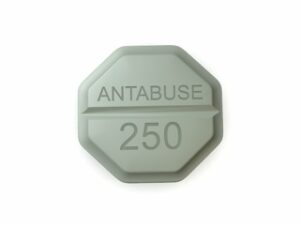
- Disulfiram: works by causing unpleasant effects if alcohol is consumed (used in selected cases with strong adherence support).
- Other supportive strategies: depending on local practice and individual suitability.
Non-medicine options
- Counselling and behavioural therapies (e.g., relapse-prevention strategies)
- Structured alcohol recovery programs
- Peer support groups
- Addressing co-existing conditions (anxiety, depression, sleep issues, pain)
Your healthcare professional can help you weigh benefits, side effects, and how well an option fits your lifestyle and kidney/liver function.
Australia: market and legal context (general guidance)
In Australia, medicines for alcohol dependence are regulated under the Therapeutic Goods Administration (TGA) framework. The specific availability status, prescribing requirements, and brand/formulation details can vary.
For online pharmacy purchases, Australian platforms typically require:
- Appropriate eligibility checks
- Confirming the medicine is suitable for the customer’s circumstances
- Providing required patient information
- Following relevant Australian regulatory and professional practice guidelines
Note: Availability can differ between pharmacy sites. If you’re unsure about the specific product/strength, a pharmacist can help confirm what’s appropriate.
Recent guidance and care considerations
Clinical practice evolves. Ongoing alcohol dependence care commonly emphasises:
- Person-centred relapse prevention: aligning medication choices with abstinence goals
- Assessing organ function: especially kidney function for acamprosate
- Combining medication with support: counselling and structured follow-up
- Monitoring side effects: particularly gastrointestinal symptoms
Your pharmacist may also review your history for medicines that could affect kidney function or overall tolerability.
Delivery and availability (online pharmacy)
When available, online pharmacies in Australia typically provide:
- Secure packaging to protect tablets and labels
- Delivery tracking (varies by provider)
- Discrete delivery options where available
- Medication information included with your order
Delivery times: timing depends on your location and the supplier’s dispatch schedule. If an item is out of stock, many pharmacies can estimate restock dates or suggest alternatives.
Storage: store at room temperature in a dry place, away from moisture and heat, and keep out of reach of children.
FAQ about acamprosate
1) Is acamprosate for withdrawal or cravings during drinking?
Acamprosate is mainly used to maintain abstinence after you have stopped drinking. It is not intended as a treatment for alcohol withdrawal while actively drinking.
2) How soon will I feel it working?
Acamprosate’s purpose is relapse prevention. Benefits are typically assessed over time with continued use. Consistency with dosing is important.
3) Can I take it with food?
In general, acamprosate can be taken with or without food. If your product instructions suggest a specific approach, follow the label.
4) What should I do if I miss a dose?
Take it as soon as you remember, unless it’s close to the next dose. Do not double up.
5) Are there any alcohol interactions I should know about?
The safest approach is to avoid alcohol entirely during treatment because the medicine is intended to support abstinence. Alcohol can increase relapse risk and undermine the plan.
6) Who should not take acamprosate?
People with certain levels of kidney impairment may not be suitable, or may require a reduced dose. Your healthcare professional can assess your kidney function and safety.
7) What side effects are most common?
Diarrhoea is among the more common side effects. Other possible effects include nausea, headache, dizziness, and fatigue.
8) If I develop diarrhoea, is it dangerous?
Mild diarrhoea is sometimes manageable, but severe or persistent diarrhoea can lead to dehydration. Seek advice if symptoms are strong, last more than a short period, or you feel unwell.
9) Can I take other medicines at the same time?
Many medicines may be taken together, but some combinations require extra caution. Tell your pharmacist about everything you take, including supplements.
10) How long is treatment usually continued?
Duration varies by individual risk and response. Many treatment plans continue for relapse prevention over a period of months, with regular reviews.
Summary
Acamprosate is a medicine used to help people maintain abstinence from alcohol after stopping drinking. It supports neurotransmitter balance in the brain to reduce relapse risk, particularly when used alongside counselling and ongoing recovery support. Because it is cleared mainly through the kidneys, kidney function is an important part of safety.
- Take consistently at the recommended times (often three times daily)
- Avoid alcohol during treatment
- Report side effects—especially severe diarrhoea or allergy symptoms
- Use practical routines (reminders, support networks) to strengthen long-term outcomes
If you would like, share your general dosing schedule (times you plan to take it) and any health conditions like kidney issues, and you can ask a pharmacist to confirm the safest plan for your situation.