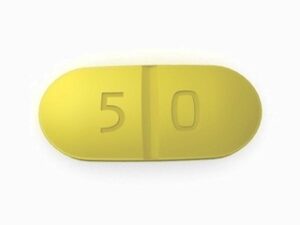
Naltrexone (Naltrexone Hydrochloride) — Patient Information (Australia)
Naltrexone (available as naltrexone hydrochloride) is a medicine used to help manage certain conditions related to alcohol use and opioid dependence. This guide explains how naltrexone works, how it behaves in the body, typical use and timing, important food and medicine interactions, safety information, and practical tips for safe use in Australia.
Always follow the instructions provided with your medicine and consult a healthcare professional if you have questions—especially if you have liver disease, take other medicines, or have a history of opioid use.
Basic product information
| Item | Details |
|---|---|
| Active ingredient | Naltrexone hydrochloride |
| Medicinal class | Opioid receptor antagonist |
| Common forms | Oral tablets (and in some settings, extended-release formulations may be used) |
| How it works | Blocks opioid receptors |
| Main uses | Alcohol use disorder support; opioid dependence relapse prevention (where appropriate) |
How naltrexone works (mechanism of action)
Naltrexone is an opioid receptor antagonist, meaning it blocks the effects of opioids at specific receptors in the brain and other tissues. In particular, it binds to opioid receptors (including the mu receptor) and prevents opioids from producing their typical effects.
Depending on the condition being treated, this receptor blockade can help:
- Alcohol use disorder: reduce the reinforcing effects of alcohol and help support reduced drinking in combination with psychosocial support.
- Opioid dependence relapse prevention: reduce the rewarding effects of opioids, which may lower the chance of relapse when taken as part of a broader treatment plan.
Naltrexone does not produce opioid-like effects and is not intended to “substitute” for opioids. Because of its opioid-blocking action, it can interfere with opioid pain relief and may precipitate withdrawal in some people if opioids are still in the body.
Pharmacokinetics: what happens in the body
Pharmacokinetics describes how the body absorbs, distributes, metabolises, and eliminates a medicine. While individual responses vary, the key points for naltrexone are:
- Absorption: Oral naltrexone is absorbed after swallowing and reaches peak levels within a few hours (timing can vary by formulation and individual factors).
- Metabolism: Naltrexone is largely metabolised by the liver to 6β-naltrexol (an active metabolite).
- Excretion: Metabolites are eliminated mainly via the kidneys (urine).
- Duration: Although naltrexone acts for a limited period, its effects can persist due to active metabolite formation.
Because metabolism involves the liver, liver health can influence how the medicine is handled. For that reason, liver function monitoring may be recommended when clinically appropriate.
Typical uses (indications)
Naltrexone is used to support treatment of the following conditions, depending on individual circumstances and clinical assessment:
- Alcohol use disorder: as an aid to reduce heavy drinking and support abstinence or reduced alcohol consumption, typically alongside counselling or other psychosocial interventions.
- Opioid dependence (relapse prevention): to help prevent relapse by blocking the effects of opioids. It is generally used only after a period without opioids and after a clinician confirms it is safe to start.
Naltrexone is most effective when combined with structured supports such as counselling, behavioural therapies, and relapse prevention planning.
Dosing and timing
Dosing can vary depending on the indication, treatment history, and individual tolerance. Below are common patterns used in practice; always follow the specific regimen provided for your product.
Common oral dosing patterns
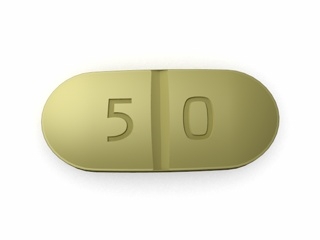
- Alcohol use disorder: a commonly used starting schedule is 50 mg once daily after clinical assessment and baseline evaluation. Some people may be started after ensuring appropriate readiness and safety.
- Opioid dependence (relapse prevention): dosing is typically once daily, but starting requires opioid-free status and clinical guidance to reduce the risk of withdrawal.
How to take it
- Take at the same time each day to support routine adherence.
- Swallow with water. Do not crush or split unless your product instructions specifically allow it.
- If you miss a dose: take it when you remember unless it is near the time of your next dose. Avoid doubling doses.
Stopping or changing treatment
Do not stop suddenly without discussing with a healthcare professional, particularly if you are using naltrexone as part of relapse prevention. Discontinuation may affect risk of relapse or drinking patterns.
Food interactions and taking with meals
Naltrexone can generally be taken with or without food. Food is not usually considered a major factor in absorption for oral naltrexone.
- If nausea occurs, taking it with a light meal may improve tolerability for some people.
- Stay consistent with how you take it (for example, always with breakfast) to help maintain a predictable routine.
If you are also taking other medicines, consider spacing them if advised by your pharmacist—especially if they have specific absorption requirements.
Alcohol and medicine interactions
Alcohol while taking naltrexone
Naltrexone is often prescribed to reduce alcohol cravings or heavy drinking. If you still drink alcohol while on naltrexone, the medicine does not make alcohol safe in the sense of avoiding harm. Alcohol can still cause intoxication, accidents, mood changes, and health risks.
- Continue to work on reduction goals with professional support if available.
- Do not “test” alcohol effects as a way to assess safety.
- If you have significant liver disease or symptoms suggestive of liver injury (e.g., unusual fatigue, abdominal pain, dark urine, yellowing of the skin/eyes), seek medical advice promptly.
Opioid medicines and pain relief
Because naltrexone blocks opioid receptors, it can reduce the effectiveness of opioid pain medicines such as:
- morphine
- oxycodone
- codeine
- heroin (illicit opioid)
- fentanyl
- tramadol (note: tramadol has opioid activity)
This can matter in emergency situations, planned surgery, dental procedures, or acute injuries. If you are taking naltrexone, tell healthcare providers so they can plan safe pain management (often using non-opioid options and appropriate monitoring).
Other medication interactions
Naltrexone’s interactions can be influenced by liver metabolism and overall health. While many medicines may be used with naltrexone, it is important to review your full list, including:
- opioid-containing cough or cold medicines
- other addiction treatment medicines
- regular and “as needed” analgesics
- herbal products and supplements
If you are unsure whether a product contains an opioid ingredient, ask a pharmacist.
Safety profile and precautions
Naltrexone is generally well tolerated by many people when used appropriately, but it has important safety considerations. Stop and seek urgent medical help if you experience severe allergic symptoms (such as swelling of the face/lips, trouble breathing) or severe reactions.
Common side effects
- nausea or stomach upset
- headache
- sleep disturbances or fatigue
- dizziness
- reduced appetite
Serious risks to know about
- Liver effects: Naltrexone can affect liver enzymes in some people. Avoid or use with caution in those with significant liver impairment, and consider monitoring where clinically appropriate.
- Opioid withdrawal risk: Starting naltrexone while opioids are still in the body may precipitate withdrawal symptoms. Clinicians typically require an opioid-free period and may perform specific assessments before starting.
- Reduced opioid pain control: If opioids are needed for pain, naltrexone may make them less effective. Plan ahead and inform providers.
Who should be extra cautious
Discuss with a clinician or pharmacist before use if you have:
- current or recent opioid use (including prescription or illicit opioids)
- liver disease or past liver problems
- ongoing complex medical conditions
- pregnancy or breastfeeding (risk-benefit should be assessed individually)
- significant psychiatric symptoms (your care team can advise on monitoring)
Practical use tips (how to make treatment easier)
Medicines like naltrexone work best as part of a broader plan. These practical tips can improve consistency and safety:
- Set a daily routine: pick a consistent time (e.g., after breakfast) and use a phone alarm.
- Keep a medication list: include naltrexone and any other medicines. Carry it or store it in your phone to help in emergencies.
- Avoid hidden opioids: check labels for opioid-containing products (including some cough preparations).
- Plan for pain: if you anticipate surgery or dental procedures, inform your providers in advance.
- Support matters: combine treatment with counselling, structured programs, or peer support where available.
- Track triggers: for alcohol-related goals, consider noting cravings, sleep patterns, stress, and social situations.
Alternative options for alcohol and opioid-related conditions
Depending on your diagnosis, history, and preferences, healthcare professionals may consider other medicines and approaches. Examples include:
For alcohol use disorder
- Acamprosate: helps support maintaining abstinence after detoxification in some people.
- Disulfiram: supports deterrence by causing unpleasant effects if alcohol is consumed (requires careful suitability assessment).
- Psychosocial therapies: counselling, cognitive behavioural therapy, motivational interviewing, and structured relapse prevention.
For opioid dependence (relapse prevention)
- Opioid agonist treatments: such as buprenorphine or methadone, under medical supervision.
- Psychosocial support: counselling, harm reduction strategies, and structured follow-up.
- Naltrexone alternatives: other formulations or treatment settings may be used depending on local availability and suitability.
The “best” option depends on your medical history, current opioid exposure, liver health, and treatment goals. A clinician can guide you toward the safest and most effective plan.
Market and legal context for Australia
In Australia, medicines are regulated through the Therapeutic Goods Administration (TGA) and must be supplied in accordance with Australian medicines legislation. Availability and classification can vary depending on the product strength and formulation.
For naltrexone, the product is typically supplied through community pharmacy channels, and use is guided by professional assessment and established clinical practices. Online pharmacies offering supply within Australia must comply with applicable laws and provide appropriate information to support safe use.
Important context points for patients:
- Safety screening is essential because naltrexone can interact with opioids and affect the liver.
- Medicines should be used as directed to reduce risks of withdrawal, inadequate pain control, and liver-related complications.
- Individual eligibility matters—suitability depends on your health status and medication history.
Recent guidance and monitoring considerations
Clinical guidance for naltrexone may evolve over time as new evidence becomes available and as safety monitoring approaches are updated. In general, modern practice emphasizes:
- Confirming opioid-free status before starting treatment in people with opioid dependence history.
- Assessing liver health and monitoring liver enzymes when clinically indicated.
- Using shared decision-making that includes patient preferences, treatment goals, and safety planning.
- Supporting adherence through follow-up appointments, education, and psychosocial services.
If you are starting naltrexone or returning after a gap, ask your healthcare provider what checks and monitoring are recommended for your situation.
Delivery and availability (Australia)
Online pharmacies in Australia may provide delivery services to eligible areas. Delivery timeframes depend on warehouse location, transport routes, and the product supply chain. Availability can also vary by strength and formulation.
When ordering, consider the following:
- Check stock status and expected dispatch times on the product page.
- Confirm your address details to avoid delivery delays.
- Allow time for processing if additional checks are required for safe supply.
- Keep packaging intact and store medicines according to the directions on the label.
If you need urgent treatment planning or have questions about safe use, contact customer support or a pharmacist before ordering.
FAQ — Frequently asked questions
1) Can I take naltrexone if I have recently used opioids?
You should not start naltrexone without clinical assessment if you have used opioids recently. Naltrexone can trigger withdrawal symptoms if opioids are still in your system. Speak with a healthcare professional to confirm safety.
2) Will naltrexone stop me from feeling alcohol effects?
Naltrexone may help reduce the reinforcing effects of alcohol and support reduction goals, but it does not guarantee you will not feel intoxicated or experience alcohol-related harms. Alcohol can still impair judgement, increase accident risk, and harm your health.
3) What happens if I need pain relief while taking naltrexone?
Opioid pain medicines may be less effective while you’re taking naltrexone. Tell healthcare providers (including dentists) that you take naltrexone so they can plan alternatives such as non-opioid pain relief and appropriate monitoring.
4) Can I drink alcohol while taking naltrexone?
Many people take naltrexone to support reducing alcohol use; however, drinking while on naltrexone does not remove the risks of alcohol. If you’re aiming to reduce or abstain, consider discussing strategies with your care team.
5) Does food affect naltrexone?
Naltrexone can generally be taken with or without food. If it upsets your stomach, taking it with a light meal may help.
6) What side effects are most common?
Common side effects can include nausea, headache, dizziness, fatigue, and sleep disturbances. Most are mild, but contact a healthcare professional if symptoms are severe or persistent.
7) Is naltrexone safe for people with liver problems?
Extra caution is needed if you have liver disease. Naltrexone can affect liver enzymes. Your clinician may recommend baseline testing and follow-up monitoring depending on your risk factors.
8) What should I do if I miss a dose?
Take it when you remember unless it’s close to your next dose. Do not take a double dose to make up for a missed one. If you miss multiple doses, ask a pharmacist or clinician for advice.
9) Are there alternatives to naltrexone?
Yes. Alternatives depend on the condition being treated. For alcohol use disorder, options can include acamprosate or disulfiram in some circumstances. For opioid dependence, opioid agonist treatments may be considered. Psychosocial therapies are also an important part of care.
10) How long does naltrexone take to work?
The timeframe can vary by person and the goal of treatment. Some effects on cravings and supportive outcomes may be noticed over days to weeks, while longer-term relapse prevention benefits generally develop as treatment continues with follow-up support.
Important: This information is intended to support understanding of naltrexone. If you have concerns about suitability, drug interactions, or side effects, speak with a pharmacist or healthcare professional.