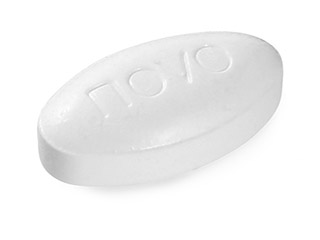
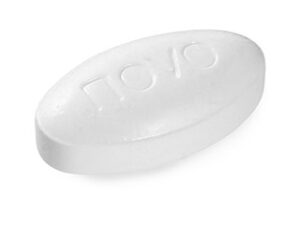
Rybelsus (Semaglutide) – Patient-Friendly Information (Australia)
Rybelsus is an oral medicine containing semaglutide. It belongs to a group of medicines called GLP-1 receptor agonists. Rybelsus is used to improve blood sugar control in people with type 2 diabetes, and it can also support weight management in many people as part of an overall diabetes care plan.
This page explains how Rybelsus works, how it’s taken, common safety considerations, practical tips for daily use, and what to expect. It’s written to be understandable and helpful for patients.
| Topic | Details |
|---|---|
| Medicine | Rybelsus (semaglutide) |
| How it’s taken | Once daily by mouth (oral tablet) |
| Therapeutic group | GLP-1 receptor agonist |
| Main purpose | Improves blood glucose control in type 2 diabetes; may help with weight |
| Form | Tablet (strengths commonly available include 3 mg, 7 mg, 14 mg) |
| Key lifestyle link | Works best with healthy eating, physical activity, and diabetes monitoring |
How Rybelsus works (Mechanism of Action)
Semaglutide mimics a natural hormone in the body called GLP-1 (glucagon-like peptide-1). GLP-1 plays an important role in regulating blood sugar after meals. Rybelsus activates GLP-1 receptors, which helps:
- Increase insulin release when blood glucose levels are high (especially after eating).
- Reduce glucagon secretion (glucagon is another hormone that raises blood sugar).
- Slow gastric emptying—food stays in the stomach longer, which can reduce post-meal glucose spikes.
- Support appetite regulation—many people experience reduced hunger, contributing to weight changes.
Because insulin secretion is glucose-dependent, GLP-1 medicines like semaglutide typically have a lower risk of hypoglycaemia when used alone. However, risk may increase when combined with other diabetes medicines that can lower blood sugar (e.g., insulin or sulfonylureas).
Pharmacokinetics: How the body absorbs and processes semaglutide
Understanding pharmacokinetics can help explain why the timing and conditions for taking Rybelsus matter. Key points include:
- Absorption is affected by food and beverages. Taking Rybelsus with food can significantly reduce absorption.
- It’s taken once daily. Semaglutide has a long action in the body, supporting once-daily dosing.
- Steady effects build over time. Your prescriber may start at a lower strength and increase gradually.
- Elimination occurs mainly through metabolism and clearance pathways. The drug is broken down in the body and eliminated over time.
Typical use: Who Rybelsus is for
Rybelsus is used in adults with type 2 diabetes to improve glycaemic control. It may be used:
- As part of treatment when diet and exercise alone are not enough
- In combination with other diabetes medicines, depending on your individual needs
- Where appropriate, as part of an overall plan that includes weight management and cardiovascular risk assessment
Your healthcare team will consider your diabetes history, current medicines, weight goals, kidney function, and overall risk factors.
Indications and approved purposes (Australia)
In Australia, semaglutide medicines may be used according to TGA-approved indications and local prescribing information. For Rybelsus specifically, it is commonly indicated for:
- Improving glycaemic control in adults with type 2 diabetes.
- Potential weight-related benefits may occur as part of treatment, though weight control is not necessarily the sole purpose.
Always confirm the exact intended use for your situation with your healthcare professional and the most current Australian product information.
Dosing and how to take Rybelsus (Timing is crucial)
Rybelsus is taken once daily as an oral tablet. The dosing schedule is designed to support absorption and reduce side effects. Because absorption is strongly influenced by food and timing, follow the instructions carefully.
Typical dose escalation
A gradual increase is often used. A common approach is:
- Start with 3 mg once daily to help your body adjust
- Increase to 7 mg once daily after an initial period
- Some people may further increase to 14 mg once daily depending on response and tolerability
The exact titration plan should follow your prescriber’s instructions and the latest product information.
How to take it (step-by-step)
- Take Rybelsus on an empty stomach in the morning.
- Swallow the tablet whole with a small amount of water (follow the product instructions). Do not crush or split unless instructed otherwise by your healthcare professional.
- Wait at least 30 minutes before eating or drinking anything other than water. This includes coffee, tea, milk, and juice.
- Wait 30 minutes before taking other oral medicines. If you take multiple medicines in the morning, ask your pharmacist how to schedule them.
If you miss a dose
If you miss a dose, take it only if you can do so under the correct timing conditions (empty stomach, spacing from food/other medicines). If you are close to your next scheduled dose, skip the missed dose and continue as usual. Your pharmacist or healthcare professional can confirm the best approach for your routine.
Food interactions: What to avoid
Food has a major effect on how well Rybelsus is absorbed. To protect effectiveness:
- Take on an empty stomach. Do not take Rybelsus with breakfast or alongside food.
- Do not eat for at least 30 minutes after swallowing the tablet.
- Limit what you drink around dosing. Typically, only water is allowed at the time of dosing.
- Be consistent. Using the same routine each day helps maintain stable effects.
If you accidentally eat too soon after your dose, effectiveness may be reduced. In that case, follow advice from your pharmacist.
Alcohol and medicine interactions
Alcohol can affect blood sugar and may worsen some side effects such as nausea or stomach irritation. While there is no single “universal” rule for everyone, practical guidance includes:
- Moderate alcohol intake if you choose to drink.
- Be cautious of low blood sugar, especially if Rybelsus is used with insulin or sulfonylureas.
- Avoid heavy drinking due to increased risk of dehydration and unpredictable glucose levels.
Interactions with other medicines (important examples)
Many medicines may interact indirectly by affecting digestion, stomach emptying, or blood glucose control. Some key interaction considerations include:
- Insulin and sulfonylureas: may increase risk of hypoglycaemia. Dose adjustments may be needed.
- Oral medicines taken in the morning: because Rybelsus should be taken on an empty stomach with a waiting period, other medicines may need to be scheduled later in the morning.
- Medicines that require careful absorption: if you take medicines that depend strongly on timing or gastric conditions, discuss with your pharmacist.
Always provide your pharmacist with a full list of medicines, including vitamins, herbal products, and over-the-counter drugs. This helps identify potential interaction risks.
Safety profile: Common and serious side effects
Like all medicines, Rybelsus can cause side effects. Many are related to the way GLP-1 receptor agonists affect the digestive system. Most side effects are mild to moderate and improve as your body adjusts.
Common side effects
- Nausea
- Diarrhoea
- Constipation
- Vomiting
- Reduced appetite
- Indigestion or stomach discomfort
- Headache (in some people)
Serious side effects: Seek urgent medical advice
Contact medical care urgently if you experience any symptoms that could indicate a serious reaction or complication, including:
- Signs of pancreatitis: severe abdominal pain (sometimes radiating to the back), with or without vomiting.
- Signs of an allergic reaction: swelling of the face/lips, difficulty breathing, or widespread rash.
- Persistent severe vomiting or inability to keep fluids down (risk of dehydration).
- Symptoms of severe hypoglycaemia if used with insulin or sulfonylureas: confusion, fainting, seizures, or inability to treat low blood sugar.
- Severe worsening of kidney function due to dehydration from ongoing gastrointestinal side effects.
Who should use Rybelsus with extra caution?
- People with a history of pancreatitis should discuss suitability with their healthcare team.
- People with severe gastrointestinal disease or trouble tolerating GLP-1 medicines may need careful review.
- People at risk of dehydration should be extra mindful, particularly during dose changes.
- Those taking medicines that can cause low blood sugar (insulin, sulfonylureas) may need monitoring and possible dose adjustments.
Practical use tips (to get the best results and tolerate treatment)
1) Build a consistent morning routine
Since timing affects absorption, choose a routine you can repeat daily:
- Take Rybelsus after waking, before any food.
- Use a glass of water ready by the tablet.
- Plan breakfast and other morning medicines for at least 30 minutes later.
2) Manage nausea and stomach upset
Nausea is common early in treatment, especially during dose increases. Helpful strategies include:
- Eat smaller meals and avoid very heavy or fatty foods.
- Consider slower eating and avoid lying down right after meals.
- Stay well hydrated, especially if you feel unwell.
- Do not stop the medicine suddenly without advice if side effects are manageable—dose adjustment may be possible.
3) Monitor blood glucose
If you are using Rybelsus with other glucose-lowering medicines, your healthcare team may recommend more frequent glucose checks during the first weeks or after dose changes. This helps reduce risk of hypoglycaemia and supports safe titration.
4) Weight and lifestyle still matter
Rybelsus can reduce appetite and support weight management, but it works best alongside:
- Healthy eating patterns tailored to diabetes
- Regular physical activity
- Medication adherence and routine follow-up
5) Keep track of dose increases
If your prescriber increases your dose, consider planning a “settling in” period where you can monitor side effects and appetite changes.
Alternative options to Rybelsus
Depending on your health profile and preferences, there are other ways to manage type 2 diabetes. Alternatives may include:
- Other GLP-1 receptor agonists (some are injectable; others are oral)
- DPP-4 inhibitors (oral options with different mechanisms)
- SGLT2 inhibitors (oral options that act on the kidneys to remove glucose)
- Metformin (often a first-line option if appropriate)
- Insulin (used when needed for glucose control)
- Other glucose-lowering medicines as guided by your clinician
Choice depends on blood sugar level, kidney function, cardiovascular risk, side-effect tolerability, weight goals, and convenience. Discuss options with your healthcare team.
Market and legal context in Australia
Rybelsus (semaglutide) is available in Australia through standard pharmaceutical supply channels. Medicines are regulated by the Australian Government through the Therapeutic Goods Administration (TGA). Information on approved product indications, contraindications, and dosing is contained in the Australian Product Information (PI).
Online pharmacies in Australia must comply with Australian regulatory and pharmacy practice requirements, including identity verification, appropriate supply processes, and safe medication handling. Availability can vary by stock levels and product strengths.
Recent guidance and updates to be aware of
Guidance for GLP-1 therapies can evolve as new clinical evidence becomes available and as authorities update safety information. To stay current, consider:
- Checking the latest Australian Product Information for Rybelsus
- Following updates from Australian diabetes organisations and guideline committees
- Keeping your routine appointments so blood tests and treatment goals can be reviewed
If you’ve heard about new safety recommendations for semaglutide or GLP-1 medicines, bring them to your pharmacist’s attention.
Delivery, availability, and ordering (Australia)
Online pharmacies aim to make prescription and pharmacy processes straightforward. Availability of Rybelsus can depend on:
- Strength requested (3 mg, 7 mg, 14 mg)
- Local stock levels and supplier deliveries
- Demands related to dose changes or new treatment starts
Delivery times can vary by location within Australia and by courier arrangements. When ordering, ensure the correct strength and quantity are selected. Store tablets according to the product label, and keep medicines out of reach of children.
For best outcomes, plan ahead so you don’t run out—especially if your dose schedule involves titration periods.
FAQ
1) What is Rybelsus used for?
Rybelsus (semaglutide) is used for type 2 diabetes to improve blood glucose control. It may also help with weight management in many people.
2) How quickly will it start working?
Many people notice improvements in appetite and blood sugar in the first weeks, but meaningful changes often build over time. Dose titration is designed to improve tolerability and optimise results.
3) What time should I take Rybelsus?
Take it once daily in the morning on an empty stomach. Swallow with water, then wait at least 30 minutes before eating or drinking anything else. You should also wait before taking other oral medicines.
4) Can I take Rybelsus with coffee or tea?
Ideally, no. Coffee and tea are not “water,” and taking them too soon after the tablet may reduce absorption. Stick to the empty-stomach instructions and ask your pharmacist for tailored advice if your routine is difficult to adjust.
5) Does Rybelsus cause weight loss?
Some people experience weight loss due to reduced appetite and slower digestion. Weight changes vary widely between individuals. Your diabetes and weight goals should be reviewed regularly with your healthcare team.
6) Will Rybelsus cause low blood sugar?
Rybelsus alone has a relatively low risk of hypoglycaemia. However, the risk increases if used with medicines such as insulin or sulfonylureas. Monitoring and dose adjustment may be necessary.
7) What should I do if I feel nauseated?
Nausea is common, especially when starting or increasing the dose. Try eating smaller meals, avoiding heavy or fatty foods, and staying hydrated. If vomiting is severe or persistent, seek medical advice.
8) Is it safe to drink alcohol while taking Rybelsus?
Alcohol can affect blood sugar and may worsen nausea. If you drink, keep it moderate and be mindful of how you feel. Discuss your alcohol habits with your pharmacist or doctor, especially if you’re also using other glucose-lowering medicines.
9) Can I take other medicines at the same time?
Because Rybelsus should be taken on an empty stomach and you must wait before eating and before other oral medicines, timing separation is important. Ask your pharmacist to help schedule your morning medicines safely.
10) What if I miss a dose?
Take it only if you can do so under the correct empty-stomach conditions. If it’s close to the next dose, skip the missed dose and continue normally. If unsure, contact your pharmacist for specific guidance.
11) Are there any serious warnings I should know?
Seek prompt medical help for symptoms that could indicate pancreatitis (severe abdominal pain), allergic reactions, dehydration from persistent vomiting, or severe hypoglycaemia (especially if using insulin or sulfonylureas).
12) How should I store Rybelsus?
Store the tablets according to the instructions on the package. Keep them in a safe place, away from heat and moisture, and out of reach of children.