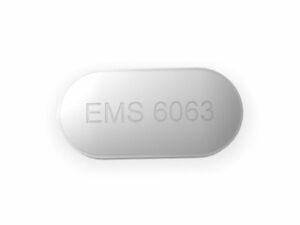
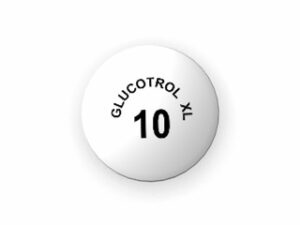
Glipizide: Patient-Friendly Guide (Australia)
Glipizide is a medicine used to help control blood glucose (sugar) levels in adults with type 2 diabetes. It belongs to a group of medicines called sulfonylureas. This guide explains how glipizide works, how it’s typically taken, what to watch for, and how it may interact with food, alcohol, and other medicines. It also covers safety considerations and what you can do in everyday life to use it effectively.
If you have questions about whether glipizide is appropriate for you, talk with a pharmacist or your healthcare professional. For diabetes care, individual advice is important because dose needs can change depending on kidney function, other medicines, age, and your blood glucose patterns.
Basic product information
| Category | Details |
|---|---|
| Generic name | Glipizide |
| Drug class | Sulfonylurea (insulin secretagogue) |
| Common use | Management of type 2 diabetes in adults |
| How it works | Helps your pancreas release insulin |
| Typical dosing forms | Tablets (strength varies by product) |
| Main safety concern | Low blood glucose (hypoglycaemia), especially if doses are missed or meals are delayed |
How glipizide works (mechanism of action)
Glipizide helps lower blood glucose mainly by increasing insulin release from the pancreas. In people with type 2 diabetes, the body may still make some insulin, but it may not be released effectively or in sufficient amounts.
Glipizide belongs to the sulfonylurea class. These medicines bind to specific targets on pancreatic beta cells, closing ATP-sensitive potassium channels. This leads to cell depolarisation and stimulates the release of insulin into the bloodstream.
Because glipizide increases insulin release regardless of whether glucose is high or low, the medicine can sometimes cause hypoglycaemia (low blood sugar), particularly if you:
- take too much,
- skip meals or eat less than usual,
- exercise more than planned,
- drink alcohol, or
- have reduced kidney or liver function.
Pharmacokinetics (how the body handles glipizide)
Pharmacokinetics describe absorption, distribution, metabolism, and elimination. While exact values can differ slightly between formulations and individuals, the key practical points include:
- Absorption: Glipizide is absorbed after oral dosing. Taking it at the recommended times (often with meals) helps reduce side effects such as low blood glucose.
- Onset and effect: The glucose-lowering effect begins within hours, which is why meal timing is important.
- Metabolism: Glipizide is metabolised primarily in the liver. Metabolites are less likely to contribute significantly to the blood glucose–lowering effect.
- Elimination: Metabolites are eliminated mainly through the kidneys. If kidney function is reduced, careful monitoring may be needed.
If you have kidney or liver concerns, ask your pharmacist what precautions apply to your specific product and dose.
Typical use in diabetes care
Glipizide is used as part of the management plan for type 2 diabetes, along with diet, physical activity, and other diabetes education. It is commonly used:
- when lifestyle changes alone do not adequately control blood glucose,
- as an add-on to other glucose-lowering medicines, or
- when an alternative medicine isn’t suitable or hasn’t provided enough control.
Diabetes control aims to prevent complications by keeping blood glucose within a safe range. Over time, the body’s insulin response can change, so your medicine plan may need adjustment.
Indications (what glipizide is used for)
Glipizide is indicated for the treatment of type 2 diabetes mellitus in adults where glucose-lowering treatment is required. It works best when:
- your body still produces insulin to some degree, and
- you can take meals consistently and monitor blood glucose when advised.
Glipizide is not used to treat type 1 diabetes.
How to take glipizide: timing and routine
The exact timing depends on your prescribed dose and the product you use, but the following practical guidance is commonly recommended for sulfonylureas:
- Take glipizide with or before meals to reduce the risk of hypoglycaemia.
- Try to keep doses consistent each day (e.g., morning and evening at the times your plan specifies).
- Do not skip meals after taking a dose.
- If you miss a dose, follow the advice from your healthcare professional or the product instructions. In many cases, taking a double dose is not recommended.
Example schedule (illustrative): Some people take glipizide once or twice daily depending on strength and plan. Always follow your specific instructions rather than a generic example.
Dosing: general approach and what to expect
Glipizide dosing is individual. Clinicians often start with a lower dose and adjust gradually based on blood glucose (and sometimes HbA1c), response, and risk of side effects.
Key dosing principles include:
- Start low and adjust slowly: This can reduce hypoglycaemia risk.
- Monitor response: Your blood glucose readings and HbA1c help guide dose changes.
- Consider age and organ function: Older adults and people with impaired kidney/liver function may be more sensitive to the medicine.
- Avoid overcorrection: Don’t increase the dose without advice, even if readings run high temporarily.
Important: Only use the dose and schedule set by your healthcare professional. If you’re uncertain about your dose, ask your pharmacist to explain it.
Food interactions: what to know
Food timing is one of the most important practical factors with glipizide. Because it increases insulin release, delayed meals, missed meals, or eating less than usual can raise the chance of hypoglycaemia.
With meals
- Take glipizide with or shortly before food as advised.
- If you feel you might eat less, discuss whether your dose plan should change.
Carbohydrate consistency
Maintain a steady carbohydrate intake according to your diabetes plan. Large changes in your usual eating pattern can cause glucose levels to move unexpectedly.
Exercise and appetite changes
Physical activity can lower glucose. If you plan extra exercise or you expect appetite changes (for example, illness or travel), speak with your healthcare professional for an appropriate plan to reduce hypoglycaemia risk.
Alcohol and medicine interactions
Alcohol can affect blood glucose in several ways and can also mask the symptoms of hypoglycaemia. With sulfonylureas like glipizide, alcohol may increase the risk of low blood sugar, particularly if you drink without eating adequately.
Alcohol safety guidance
- Limit alcohol and avoid drinking on an empty stomach.
- Be extra cautious if you have liver disease or if you tend to miss meals.
- If you feel symptoms of hypoglycaemia (such as sweating, shakiness, confusion), treat promptly with fast-acting carbohydrate.
Other medicine interactions
Glipizide can interact with other medicines, which may either increase the risk of hypoglycaemia or reduce glucose control. Common interaction categories include:
- Medicines that may increase hypoglycaemia risk: Some antibiotics and other drugs can increase glipizide effect, raising the risk of low sugar.
- Medicines that may reduce the effect: Some medicines can raise glucose levels or affect metabolism.
- Other glucose-lowering medicines: Combining with insulin or other agents may increase the risk of hypoglycaemia, depending on the regimen.
Always tell your pharmacist about all medicines and supplements you take, including: over-the-counter products, herbal supplements, vitamins, and “natural” remedies.
Potential side effects and safety profile
Most people tolerate glipizide well when taken correctly. However, like all medicines, it can cause side effects. The most important and most common concern is hypoglycaemia.
Serious risk: hypoglycaemia
Hypoglycaemia can occur if the dose is too high or meals are delayed. Symptoms can include:
- sweating,
- shakiness or tremor,
- hunger,
- dizziness or headache,
- irritability or confusion,
- sleepiness,
- palpitations.
What to do: If you suspect low blood sugar, check your glucose if you can. Take fast-acting carbohydrate (such as glucose tablets or sugary drink) and recheck your glucose according to your diabetes plan. If symptoms are severe, you need urgent help.
Other possible side effects
- Gastrointestinal upset: nausea or stomach discomfort (varies by person).
- Weight gain: Some people gain weight with insulin-secretagogues.
- Allergic reactions: rash or swelling (seek urgent medical attention if severe).
- Blood count changes: rare, but your clinician may monitor if clinically indicated.
- Liver effects: uncommon; report yellowing of the skin/eyes or dark urine promptly.
Who needs extra caution?
- Older adults (risk of hypoglycaemia may be higher).
- People with kidney or liver impairment.
- People who skip meals or have irregular eating patterns.
- People who exercise unpredictably or who have impaired awareness of hypoglycaemia.
Practical use tips for everyday success
- Take it with food: Follow the routine for meals and timing provided by your clinician.
- Don’t skip meals: Always have a plan for snacks when needed.
- Know your early warning signs: Learn symptoms of low blood sugar and what you’ll do if they happen.
- Carry fast carbohydrate: Keep glucose tablets or another quick sugar source with you.
- Use a medication organiser: Helps prevent missed doses.
- Monitor glucose if advised: If you use a home glucometer or CGM, follow your plan.
- During illness (“sick days”): Glucose targets and medicine plans may change. Contact a healthcare professional if you’re unwell, vomiting, or not eating normally.
- Travel and routine changes: Bring medication and understand your meal schedule to reduce hypoglycaemia risk.
When to seek urgent help
Seek urgent medical assistance if you experience severe symptoms of hypoglycaemia (such as fainting, seizures, or inability to swallow), or if you have signs of a serious allergic reaction. Contact emergency services if the situation is life-threatening.
Alternative options for type 2 diabetes
There are many medication classes for type 2 diabetes. The “best” alternative depends on your HbA1c, weight considerations, kidney function, cardiovascular risk, risk of hypoglycaemia, cost, and how you tolerate medicines. If glipizide isn’t suitable, alternatives may include:
- Metformin: Often first-line; improves insulin sensitivity.
- DPP-4 inhibitors (gliptins): Lower glucose with a lower risk of hypoglycaemia.
- SGLT2 inhibitors: Promote glucose removal in urine; may have cardiovascular and kidney benefits in selected patients.
- GLP-1 receptor agonists: Injectable or oral options that can reduce appetite and improve glucose control.
- Thiazolidinediones (e.g., pioglitazone): Improve insulin sensitivity.
- Other sulfonylureas: Similar class options, but choice depends on dosing and hypoglycaemia risk.
- Insulin therapy: Used when glucose is not controlled or in certain clinical scenarios.
Your healthcare professional can help decide which option best fits your health profile.
Market and legal context for Australia
In Australia, diabetes medicines including glipizide are regulated and supplied through the healthcare system. The availability of specific brands, strengths, and packaging can vary. Online pharmacy retailers follow Australian requirements for lawful dispensing and supply.
Diabetes treatment decisions should reflect the most up-to-date clinical guidance, your individual risk factors, and your current medicines. If you are comparing options, discuss with your pharmacist what is suitable and safe for you.
Recent guidance and evolving diabetes care
Diabetes management guidance continues to evolve, particularly around medication choice based on: cardiovascular risk, kidney function, body weight, and hypoglycaemia risk. Sulfonylureas like glipizide are still used in many settings, but clinicians may consider other options depending on the person’s goals and safety profile.
If you’re unsure why glipizide is recommended for you (or whether another option might suit you better), ask your clinician or pharmacist to review your treatment plan, including your latest blood glucose results and any side effects you may have experienced.
Delivery and availability (online pharmacy)
Glipizide availability can vary by formulation and pack size. When ordering online from an Australian pharmacy, the product should be supplied in line with local requirements and standard cold-chain rules only apply if the product is specifically temperature-sensitive (glipizide tablets are generally not cold-chain products).
Delivery timeframes depend on your location and the pharmacy’s dispatch schedule. Some online pharmacies offer tracked postage and delivery updates, while others may provide express options for eligible areas.
Before you order
- Confirm the strength and form you use (tablet strength can matter).
- Check expiry date and packaging integrity when your order arrives.
- Keep your medicines in a cool, dry place away from direct sunlight.
Storage
Store glipizide according to the instructions on the pack. In general:
- Keep tablets in the original container.
- Protect from moisture and excessive heat.
- Keep out of reach of children.
FAQ: Glipizide (Australia)
1. What is glipizide used for?
Glipizide is used to help manage type 2 diabetes by lowering blood glucose. It increases insulin release from the pancreas.
2. How long does it take to work?
The blood glucose–lowering effect starts within hours of taking glipizide. The exact timing varies by person and product. Consistent daily use is important for steady control.
3. Should I take glipizide with food?
It is generally recommended to take glipizide with or before meals as advised by your clinician to reduce the risk of hypoglycaemia—especially if you have irregular eating patterns.
4. What should I do if I miss a dose?
If you miss a dose, follow the instructions given by your pharmacist or the product information. Many medicines in this category advise against taking an extra dose to “catch up.” If you’re unsure, ask a pharmacist.
5. Can glipizide cause low blood sugar?
Yes. Hypoglycaemia is one of the main risks with sulfonylureas. The risk is higher if meals are skipped, the dose is too high, or alcohol is consumed.
6. What are common symptoms of hypoglycaemia?
Symptoms may include sweating, shakiness, hunger, dizziness, headache, irritability, confusion, sleepiness, or palpitations. Severe symptoms require urgent help.
7. Can I drink alcohol while taking glipizide?
Alcohol can increase the risk of hypoglycaemia and can mask warning symptoms. If you drink, limit intake and avoid drinking without food. Ask your pharmacist for personalised advice.
8. What medicines can interact with glipizide?
Many medicines can affect glucose control or metabolism. Tell your pharmacist about all medicines you take, including antibiotics, antifungals, steroids, and other diabetes medicines.
9. Is glipizide safe for everyone with diabetes?
Not necessarily. Glipizide may not be suitable for everyone, especially those with certain kidney or liver conditions, older adults at high hypoglycaemia risk, or those who cannot maintain regular meals. A clinician can assess suitability.
10. Are there alternatives to glipizide?
Yes. Alternatives include other diabetes medicines such as metformin, DPP-4 inhibitors, SGLT2 inhibitors, GLP-1 receptor agonists, or insulin (depending on individual needs and eligibility).
11. What should I do if I’m unwell or not eating (“sick day” situation)?
If you’re vomiting, not eating, or you have an infection, your glucose patterns may change quickly. Contact your healthcare professional for advice about whether to continue or adjust medicines and how to monitor glucose.
Summary
Glipizide is a sulfonylurea medicine used to manage type 2 diabetes by stimulating the release of insulin. Its key practical benefit is effective glucose lowering; its key safety consideration is the risk of hypoglycaemia. Taking it with meals, keeping a consistent routine, avoiding missed meals, and being cautious with alcohol can make treatment safer and more effective.
For the safest use of glipizide, follow your individual instructions and consult a pharmacist if you’re unsure about dosing, timing, side effects, or potential interactions.