
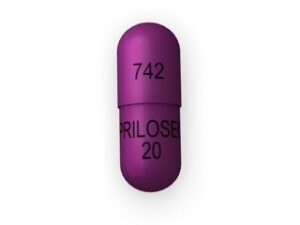
Pepcid (Famotidine) — Patient-Friendly Guide (Australia)
Pepcid is a medicine containing famotidine. It reduces stomach acid and helps relieve symptoms caused by excess acid, such as heartburn and indigestion. This guide explains how Pepcid works, when it’s used, how to take it, and important safety information for adults and older adolescents (where appropriate).
Always read the Consumer Medicine Information (CMI) supplied with your medicine and follow the instructions on the pack or from a healthcare professional.
Quick overview
- Active ingredient: Famotidine
- Medicine type: H2-receptor antagonist (acid reducer)
- Common uses: Heartburn, reflux symptoms, indigestion related to stomach acid
- How it helps: Lowers the amount of acid your stomach produces
- Typical onset: Often begins working within about 1 hour (varies by person and dose)
Basic product information
Pepcid comes in different strengths and formulations depending on the Australian market and supplier. Your pack will state the exact strength (for example, 10 mg or 20 mg) and form.
| Feature | What to know |
|---|---|
| Active ingredient | Famotidine |
| Drug class | H2-receptor antagonist (H2 blocker) |
| Primary action | Reduces gastric acid secretion |
| Common symptom targets | Heartburn, acid indigestion, reflux-related discomfort |
| Typical dosing frequency | Often once or twice daily depending on strength and reason for use |
How Pepcid works (mechanism of action)
Famotidine belongs to a class of medicines called H2-receptor antagonists. In the stomach, acid production is partly driven by signals acting on histamine H2 receptors.
Pepcid blocks these H2 receptors, reducing the amount of acid the stomach produces. With less acid available, symptoms such as heartburn and acid-related indigestion may improve.
- Helps reduce stomach acid
- Can relieve symptoms of gastro-oesophageal reflux (GORD) and dyspepsia in appropriate situations
- May be helpful for night-time heartburn when taken at the right time
Pharmacokinetics (how the body handles it)
Pharmacokinetics describes how a drug is absorbed, distributed, metabolised, and eliminated. While individual responses vary, the following points are commonly reported for famotidine:
- Absorption: Famotidine is absorbed after oral administration.
- Onset: Many people notice symptom relief within about 1 hour.
- Peak effects: The strongest acid-reducing effect tends to occur within the early period after a dose.
- Duration: The acid-reducing effect can last for several hours, which is why it’s often dosed once or twice daily depending on the regimen.
- Elimination: Famotidine is cleared largely through the kidneys. People with kidney impairment may require dose adjustments or extra caution.
Practical takeaway: If you need symptom control for particular times of day (for example, evenings or nights), dosing timing can matter—see the “Timing and food interactions” section below.
Typical uses and indications
Pepcid is used for conditions where reducing stomach acid can improve symptoms. In Australia, approved indications may depend on the specific product and dose strength shown on the label/CMI.
Commonly treated conditions include:
- Heartburn (including reflux-related burning discomfort)
- Acid indigestion and symptoms of dyspepsia related to excess acid
- Gastro-oesophageal reflux disease (GORD) symptoms in appropriate patients
- Reflux symptoms such as sour taste or burning sensation after meals or when lying down
Important: Persistent or severe symptoms may require medical assessment, particularly if they don’t respond to usual measures or if red flags are present (see “Safety profile and when to seek help”).
When to take Pepcid (timing)
For many people, the best timing depends on what triggers symptoms—meals, bedtime, or both.
- For symptoms after meals: Consider taking Pepcid before or after eating according to the product instructions. If symptoms usually start after meals, taking it before can be helpful for some people.
- For night-time heartburn: Taking a dose in the evening (or as directed on the pack) may reduce symptoms overnight.
- For ongoing symptoms: Follow the dosing schedule on the pack or as advised by a healthcare professional.
Tip: Try not to “stack” doses. If you miss a dose, follow the pack instructions rather than taking extra to catch up.
Food interactions
Famotidine is an acid-reducing medicine, and meals can influence how you experience reflux symptoms. In general:
- You can usually take Pepcid with or without food, depending on the specific instructions provided for your product.
- If your symptoms are triggered by meals, taking Pepcid at a time that covers the period after eating may provide better symptom control.
What to avoid: Food choices and eating habits matter. To reduce reflux symptoms, consider:
- Eating smaller meals
- Avoid lying down for at least 2–3 hours after eating
- Limiting trigger foods (such as very fatty meals, spicy foods, chocolate, peppermint, or caffeine—varies by individual)
Alcohol and medicine interactions
While famotidine itself is not typically known for a direct “dangerous” interaction with alcohol, alcohol can worsen reflux and heartburn. Alcohol may increase irritation of the oesophagus, relax the lower oesophageal sphincter, and aggravate symptoms in susceptible people.
- Recommendation: If you have reflux symptoms, keeping alcohol to a minimum—or avoiding it during flare-ups—may help.
- General caution: Avoid excessive alcohol consumption, especially if you notice your heartburn clearly worsens after drinking.
Interactions with other medicines: H2 blockers can affect gastric acidity, which may influence absorption of certain medicines. Always check your CMI or speak with a pharmacist if you take multiple medicines.
Examples of medicines that may be affected by changes in stomach pH:
- Certain antifungals (for example, ketoconazole/itraconazole—absorption may be reduced if stomach acid is too low)
- Some HIV medicines (depending on specific agents and regimens)
- Medicines where absorption depends on stomach acidity
- Some medicines with narrow therapeutic ranges (timing may be important)
Practical approach: If you take other medications (including supplements), take your medicines as directed and ask a pharmacist if any timing adjustments are needed.
Dosing guidance (typical adult use)
Dosing depends on the reason for use, the strength you have, and the product instructions for Pepcid in Australia. Always follow the dose on your pack or the advice of a healthcare professional.
Typical dosing patterns you may see on product labels include:
- Adults: Often taken once or twice daily for reflux/heartburn symptoms.
- Bedtime symptoms: A dose in the evening may be used for night-time heartburn (depending on the pack instructions).
- Short-term symptom relief: Some products are intended for intermittent or short-term use.
Do not exceed the maximum daily dose stated on the pack.
Kidney health: Because famotidine is cleared by the kidneys, people with kidney impairment should seek advice before use, as lower doses or different schedules may be required.
Safety profile and when to seek help
Most people tolerate famotidine well when used as directed. However, as with any medicine, side effects can occur.
Common side effects
- Headache
- Dizziness
- Constipation or diarrhoea
- Nausea
- Fatigue
Less common but serious reactions
Seek urgent medical help if you experience signs of a serious allergic reaction, such as:
- Swelling of the face, lips, tongue, or throat
- Difficulty breathing or wheezing
- Severe rash or hives
When to stop and get medical advice
Consult a healthcare professional promptly if any of the following apply:
- Symptoms persist beyond the recommended treatment period on the pack
- Frequent or worsening heartburn
- Dysphagia (trouble swallowing) or painful swallowing
- Unexplained weight loss
- Vomiting blood or black/tarry stools
- Chest pain, especially if it could be cardiac-related
- Symptoms start after age 55 (or earlier if significant)
Important: Heartburn-like symptoms can sometimes be confused with other conditions. If you have chest pain, breathlessness, sweating, or radiating pain, seek urgent care.
Practical tips for using Pepcid effectively
- Use consistently for the treatment plan: If your symptoms require more than one dose per day, follow the schedule rather than “waiting until it’s unbearable.”
- Track triggers: Note foods, meal times, alcohol, stress, and lying down that worsen symptoms. This helps you tailor timing and lifestyle changes.
- Maintain an upright position after eating: Remaining upright for 2–3 hours after meals often reduces reflux episodes.
- Review other acid-related products: If you also use antacids, check how to space them. Antacids may relieve symptoms quickly, while Pepcid helps reduce acid production.
- Stay within recommended dose limits: Avoid extra tablets even if symptoms temporarily return.
- If symptoms are frequent: Repeated need for acid reducers may indicate GORD or another condition—consider speaking with a pharmacist or GP for a personalised plan.
Alternative options to Pepcid
Depending on symptom pattern and the underlying cause, other medicines may be used for acid-related symptoms. Options commonly discussed in Australia include:
Antacids
- Provide rapid, short-acting relief by neutralising existing stomach acid.
- Useful for occasional symptoms.
Alginate-based products
- Often form a physical barrier that helps reduce reflux symptoms, especially after meals.
- May be helpful for post-meal reflux.
Proton pump inhibitors (PPIs)
- Examples include medicines such as omeprazole or esomeprazole (availability and suitability varies).
- Often used for more persistent GORD symptoms, as they are stronger acid suppressors than H2 blockers.
Non-medicine measures
- Meal timing adjustments
- Weight management (if relevant)
- Smoking cessation
- Reducing trigger foods and alcohol
Which option is best? It depends on how often your symptoms occur, whether they happen mainly after meals or at night, and your overall health. A pharmacist can help you choose between options.
Market and legal context for Australia
In Australia, availability, labelling, and use instructions are governed by the Therapeutic Goods Administration (TGA) and relevant schedules and regulations. Medicines may be supplied through pharmacies and, in some cases, under different scheduling categories depending on dose and formulation.
Key points for patients:
- Always purchase from a reputable source that supplies medicines compliant with Australian regulations.
- Check the label for the exact dose strength and directions for use.
- If you are using Pepcid alongside other medicines, confirm compatibility with a pharmacist.
Recent guidance and best-practice: While specific updates can differ over time, general clinical guidance in Australia emphasises:
- Using the lowest effective dose for the shortest necessary duration for symptom control.
- Reassessing if symptoms persist or recur frequently.
- Investigating alarm features (e.g., weight loss, swallowing difficulties, bleeding).
- Considering stronger acid suppression (like PPIs) when symptoms are persistent, depending on clinical assessment.
Delivery and availability (online pharmacy)
For online pharmacy purchases, availability may depend on stock levels, the product strength, and formulation you choose.
- Ordering: Select the product strength indicated on your preferred Pepcid pack.
- Dispatch: Many online pharmacies dispatch within business hours when stock is available.
- Delivery: Delivery timelines depend on your location in Australia. You’ll typically see estimated delivery timeframes at checkout.
- Packaging: Medicines are generally shipped in protective, tamper-evident packaging.
Storage: Keep Pepcid in a cool, dry place away from direct sunlight, and store it according to the instructions on the pack. Keep it out of reach of children.
FAQ — Pepcid (Famotidine)
1) Is Pepcid the same as a PPI?
No. Pepcid contains famotidine, an H2-receptor antagonist. PPIs (proton pump inhibitors) are a different class and can be stronger for some people with persistent symptoms. The best choice depends on your symptoms and severity.
2) How fast does Pepcid work?
Many people notice symptom relief within about 1 hour after taking famotidine, though timing and effectiveness can vary based on dose, formulation, and whether you take it before or after meals.
3) Can I take Pepcid with food?
In general, famotidine can be taken with or without food for many formulations. Follow the directions on your specific pack. If your symptoms are meal-related, timing your dose to cover the period after eating may help.
4) Can I drink alcohol while using Pepcid?
You can generally still drink alcohol, but alcohol often worsens reflux. If you notice a clear link between alcohol and symptoms, consider avoiding or minimising alcohol—especially during flare-ups.
5) What if my symptoms keep coming back?
If symptoms recur frequently or don’t improve within the recommended timeframe on the pack, speak with a pharmacist or GP. Frequent heartburn may indicate GORD or another condition that may need a different management approach.
6) Are there people who should be extra careful?
Extra caution may be needed if you have kidney impairment, are taking multiple medicines, are pregnant or breastfeeding, or have other significant medical conditions. Check the CMI and ask a pharmacist if you’re unsure.
7) What side effects should I watch for?
Common side effects can include headache, dizziness, constipation or diarrhoea, nausea, or fatigue. Seek urgent help for signs of an allergic reaction (swelling, difficulty breathing, severe rash).
8) Can I take Pepcid long-term?
Use should generally follow the pack instructions and be reassessed if symptoms persist or recur. Long-term or frequent use should be discussed with a healthcare professional to ensure the underlying cause is properly managed.
9) Does Pepcid affect how other medicines work?
Because famotidine reduces stomach acid, it may change absorption of some medicines. If you take other medications—especially those listed on the CMI—check with a pharmacist or ensure proper timing.
10) When should I seek urgent care?
Seek urgent medical attention for chest pain that may be cardiac-related, trouble breathing, vomiting blood, black/tarry stools, significant swallowing difficulties, or severe symptoms that suggest an emergency.
Remember: Pepcid can help relieve acid-related symptoms, but persistent or concerning symptoms should be evaluated. If you’re unsure about your dose or medicine interactions, a pharmacist can help you choose the safest option.