
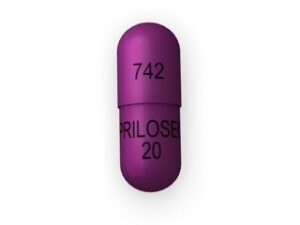
Reglan (Metoclopramide) — Patient-Friendly Guide
Reglan is a medicine containing metoclopramide. It is commonly used to help manage nausea and vomiting and to support stomach emptying. This guide explains how Reglan works, when it’s used, how it’s taken, important safety information, and practical tips to use it effectively. Information is written for readers in Australia and reflects general clinical and regulatory principles.
At a glance
- Active ingredient: Metoclopramide
- Main uses: Nausea/vomiting and to help the stomach empty more efficiently in selected situations
- How it works: Improves movement of the stomach and affects nausea pathways in the brain
- Key safety concern: Rare but serious movement disorders (tardive dyskinesia), risk increases with longer use and higher doses
- Important: Follow your clinician’s instructions and the product label
Basic product information
Reglan is a brand of metoclopramide. Depending on the specific product presentation available, formulations may include tablets and/or liquid preparations.
| Feature | Details |
|---|---|
| Active ingredient | Metoclopramide |
| Therapeutic class | Prokinetic/antiemetic (gut motility + nausea control) |
| Common uses | Nausea and vomiting; selected conditions involving delayed stomach emptying |
| Common side effects | Drowsiness, restlessness, dizziness, diarrhoea; muscle cramps or unusual movements can occur (seek advice) |
| Formulations | Available as different strengths and forms (check your pack) |
How Reglan works (mechanism of action)
Metoclopramide affects both the gastrointestinal tract and the brain’s nausea pathways. It works mainly by:
- Blocking dopamine (D2) receptors in the gut and brain. Dopamine signalling normally slows stomach movement.
- Increasing stomach and upper intestinal motility, helping the stomach empty more efficiently.
- Reducing nausea and vomiting by acting on central pathways involved in emesis (vomiting reflex).
- Improving coordination of gastric contractions, which can lessen symptoms related to delayed gastric emptying.
Pharmacokinetics (how the body handles it)
Pharmacokinetics describes absorption, distribution, metabolism, and elimination. While individual responses vary, key general points include:
- Absorption: Metoclopramide is absorbed from the gastrointestinal tract after oral dosing (tablet or liquid), with onset of action typically within a short period.
- Distribution: It spreads through the body, including reaching the central nervous system (which contributes to anti-nausea effects but also to potential neurological side effects).
- Metabolism: It is metabolised mainly in the liver.
- Elimination: The medicine is excreted primarily via the kidneys (urine) as parent drug and metabolites.
Why this matters: If you have kidney or liver problems, your prescriber may adjust dosing. Drug interactions and side effects can also be more noticeable in certain groups.
Typical uses in practice
Reglan/metoclopramide is used for:
- Nausea and vomiting (for example, short-term management when recommended by a clinician)
- Support for delayed gastric emptying (prokinetic use in selected conditions, depending on clinical assessment)
- Sometimes, it is used as part of a broader treatment plan for gastrointestinal motility issues. The exact reason you take it should match the instructions on your regimen and local clinical guidance.
Timing: when to take Reglan
Timing can affect how comfortable you feel and how reliably the medicine works. In general:
- Take Reglan at the times directed on your pack or by your healthcare professional.
- If you’re taking it for nausea, many people take a dose before meals or as advised when nausea is expected.
- Try to take it consistently (same times each day) to maintain steady effects.
- If you miss a dose, do not double to make up for it. Follow the instructions in your product information.
Food interactions and what to eat
Food can influence comfort and stomach emptying. Metoclopramide is generally taken by mouth, and specific interactions with food are not usually dramatic. However:
- If you feel nausea when taking the medicine, consider taking it with or shortly before a light meal, unless your clinician advises otherwise.
- Because metoclopramide affects stomach motility, it may change how quickly your stomach empties. This can indirectly affect how fast some foods are digested.
- Stay hydrated, especially if you’ve been vomiting.
Tip: Keep track of whether symptoms improve after a particular meal timing, and discuss patterns with your healthcare professional.
Alcohol and medicine interactions
Combining Reglan with alcohol may increase side effects such as drowsiness, dizziness, and impaired concentration. To reduce risk:
- Avoid alcohol or limit it as much as possible while taking metoclopramide.
- Be cautious with activities requiring alertness (driving, operating machinery).
Common medicine interaction considerations
Metoclopramide can interact with other medicines—especially those affecting the brain, heart rhythm, or drug metabolism. Some important categories include:
- Other medicines that cause drowsiness (e.g., sedatives, some sleep medicines): may add to sleepiness and impaired coordination.
- Antipsychotic medicines or other dopamine antagonists: may increase risk of movement-related side effects.
- Medicines that affect serotonin pathways (depending on your regimen): discuss with a clinician if you are on antidepressants or migraine treatments.
- Medicines affecting heart rhythm (QT-prolonging drugs): may increase risk of abnormal heart rhythms in susceptible individuals.
- Anticholinergic medicines: may reduce prokinetic effect or worsen constipation/slow motility.
Always check: Provide a list of all medicines you take (including over-the-counter products, herbal supplements, and vitamins) to your healthcare professional or pharmacist.
Indications: when Reglan is considered
Indications are conditions where metoclopramide is considered appropriate as part of a clinician-led plan. In general, it may be used for:
- Nausea and vomiting in selected situations
- Delayed gastric emptying (prokinetic role), depending on the cause and patient factors
- Symptom relief to support oral intake and reduce discomfort
The decision to use metoclopramide balances potential benefits against risks such as movement disorders—particularly with longer durations or higher doses.
Dosing: general guidance and important safety limits
Dosing depends on factors such as age, kidney function, the reason for treatment, and the formulation strength. Follow your pack instructions and any clinician directions. If you are unsure, ask your pharmacist for the correct dose for your product.
Adults
Typical adult dosing regimens vary by indication and product formulation. Clinicians generally aim for the lowest effective dose for the shortest possible duration, due to the risk of neurological side effects.
Children and adolescents
Metoclopramide dosing in children must be carefully determined and is usually restricted based on age and clinical scenario. Dosing should be specifically prescribed for paediatric patients; do not use adult instructions for a child.
Renal or liver impairment
If you have reduced kidney function, metoclopramide may stay in the body longer. Dose adjustments may be required. Discuss your kidney history with a healthcare professional before starting or continuing therapy.
Duration of treatment
A key safety principle is limiting exposure:
- Use the shortest duration necessary for symptom control.
- Do not continue longer than recommended by your clinician or product guidance.
- If symptoms persist or worsen, re-assess rather than extending treatment automatically.
Safety profile: what to watch for
Reglan (metoclopramide) is generally well tolerated for short-term use in appropriate patients. However, it can cause side effects—some of which may be serious.
Common side effects
- Drowsiness or fatigue
- Dizziness
- Restlessness (akathisia-like symptoms) or feeling “unable to sit still”
- Diarrhoea
- Headache
- Dry mouth or stomach discomfort
Serious side effects (seek urgent medical advice)
Stop taking metoclopramide and seek urgent advice if you experience:
- Unusual muscle movements, spasms, or sustained abnormal posture
- Signs of tardive dyskinesia such as repetitive, involuntary movements (often of the face or tongue)
- Severe agitation, confusion, fever, or muscle stiffness (especially if combined with other serotonergic or dopamine-modifying medicines)
- Allergic reaction: swelling of the face/lips, difficulty breathing, hives
- Fainting, severe dizziness, or symptoms suggesting an abnormal heart rhythm
Neurological risk (why duration matters)
Metoclopramide can cause movement disorders. The risk increases with:
- Longer treatment duration
- Higher doses
- Older age and certain neurologic susceptibility
If you feel any movement-related symptoms—especially early in therapy—contact a healthcare professional promptly.
Other precautions
- Parkinson’s disease or similar movement disorders: dopamine blockade may worsen symptoms.
- History of movement disorders related to dopamine-blocking medicines: discuss risk before use.
- Seizure disorders: ask a clinician about suitability and monitoring.
- Pregnancy and breastfeeding: risk/benefit should be assessed. Use only if advised.
Practical use tips (getting the most from Reglan)
- Use for the reason and duration planned. If symptoms return quickly after stopping, seek advice rather than repeating frequent courses.
- Track symptom response. Note nausea intensity, vomiting episodes, and any side effects to help your pharmacist or clinician adjust treatment.
- Be cautious with driving. If you feel drowsy or dizzy, avoid driving or hazardous tasks.
- Hydration matters. If vomiting or diarrhoea is present, consider oral rehydration solution if appropriate.
- Take at consistent times. This helps maintain a predictable effect on stomach discomfort.
- Report movement symptoms early. Early attention can reduce the risk of persistent problems.
Alternative options (depending on your condition)
Alternatives vary widely depending on whether your main problem is nausea/vomiting, reflux, delayed gastric emptying, migraine-associated nausea, or gastroenteritis. Your clinician or pharmacist can recommend options based on your diagnosis and medical history.
Common alternative medicine categories
- Other antiemetics (e.g., medicines targeting different nausea pathways)
- Gastro-motility options for selected conditions (depending on local availability and suitability)
- Acid suppression therapies if nausea is related to reflux or gastritis (not a direct substitute for motility problems, but sometimes helpful)
- Non-medicine measures: small sips of fluid, bland diet, ginger, rest, and avoiding triggers
Because the safety profile differs between medicines, choosing an alternative should be guided by your symptoms and risk factors—particularly if metoclopramide isn’t suitable for you.
Reglan in Australia: market and legal context
In Australia, medicines are regulated under the Therapeutic Goods Administration (TGA) framework. Availability and classification (for example, whether it is prescription-only or restricted in other ways) depend on the specific product, strength, and approved indications. Many metoclopramide formulations are dispensed through regulated healthcare pathways.
Online pharmacies in Australia generally follow requirements for safe supply, identity verification, and compliance with relevant legislation and state/territory rules. To ensure correct and safe supply, the information you provide (age, allergies, medical history, other medicines) may be used to confirm suitability.
Recent guidance and safety updates (general overview)
Over recent years, international and local safety communications have emphasised:
- Limiting metoclopramide use to the lowest effective dose.
- Avoiding prolonged treatment because of the risk of tardive dyskinesia and other movement disorders.
- Careful paediatric and older patient use.
- Prompt assessment if neurological symptoms occur.
Your pharmacist can help interpret how these principles apply to your specific regimen and product.
Delivery and availability
Availability can vary by formulation (tablets vs liquid), strength, and stock levels. When ordering online in Australia, delivery typically depends on:
- Product availability (in-stock vs special order)
- Dispensing checks required for safe supply
- Delivery postcode and selected shipping method
- Packaging and storage requirements as stated on the label
When you receive your medication, check: dose/strength, expiry date, and that the product matches your order. Store it according to the instructions on the pack (often at controlled room temperature away from moisture and direct sunlight).
Frequently asked questions (FAQ)
1) What is Reglan used for?
Reglan (metoclopramide) is used to help with nausea and vomiting and, in selected cases, to support stomach emptying when delayed gastric emptying is part of the problem. Your specific use should match the indication in your care plan.
2) How quickly does Reglan work?
Many people notice symptom relief within a short time after taking a dose, but the exact timing varies by individual, the formulation, and the cause of nausea. If you don’t improve as expected, seek advice rather than increasing the dose.
3) Can I take Reglan with food?
It may be taken with food if it helps reduce stomach upset. However, follow your product label and your clinician’s guidance for the best timing for your symptoms.
4) Is it safe to drink alcohol while taking Reglan?
Alcohol can increase side effects such as drowsiness and dizziness. It’s generally recommended to avoid or minimise alcohol while on metoclopramide, and avoid driving if you feel affected.
5) What are the most important side effects to watch for?
Common effects include drowsiness, dizziness, and restlessness. Seek urgent advice for unusual movements, severe agitation, allergic reactions, or other severe symptoms. The movement-related risks are why duration and dose matter.
6) How long can Reglan be taken?
The safest approach is the shortest duration necessary to control symptoms, using the lowest effective dose. Do not continue longer than recommended by your clinician or product information.
7) Can I stop Reglan if I feel better?
If your symptoms improve, confirm whether you should stop at that point. For some short-term regimens you may be advised to stop when nausea settles, while other plans may require completion. Follow your clinician’s direction or product instructions.
8) What should I do if I miss a dose?
Take it when you remember if it’s close to your next scheduled dose, but don’t take extra to “catch up.” Follow the instructions on your pack or speak with your pharmacist.
9) Who should be extra careful with metoclopramide?
People with history of movement disorders, Parkinson’s disease, older adults, and those with kidney or liver impairment should use caution and receive dosing advice. Also, tell your healthcare professional about all medicines you take to reduce interaction risk.
10) What alternatives are available?
Options depend on the cause of nausea and vomiting. Your pharmacist or clinician may suggest different antiemetics, treatments targeting reflux or gastrointestinal irritation, or supportive measures such as hydration and dietary changes. Discuss what fits your symptoms and medical history.
When to seek medical help
Get urgent medical advice if you have severe or worsening symptoms, blood in vomit, signs of dehydration (such as very little urination, extreme thirst, dizziness), severe abdominal pain, or high fever. If nausea/vomiting persists beyond the expected timeframe for your situation, arrange clinical review.
Summary
Reglan (metoclopramide) can be effective for nausea and vomiting and can help when stomach emptying is delayed. Because it can cause movement-related side effects—especially with higher doses or longer use—its benefits should be balanced against risks. Using the lowest effective dose for the shortest duration, and seeking help if side effects appear, supports safer use.