

Eplerenone (Eplerenone Tablets) — Patient-Friendly Guide (Australia)
Eplerenone is a prescription heart medicine used in certain people to help reduce the risk of cardiovascular problems. This guide explains what eplerenone does, how it works, how it’s taken, and important safety and interaction information.
Quick overview
- Medicine name: Eplerenone
- Medicine type: Mineralocorticoid receptor antagonist (MRA)
- Common uses: To reduce risk of worsening heart failure and related outcomes in selected patients
- Key safety focus: Possible raised potassium (hyperkalaemia), kidney function monitoring
- Typical dosing frequency: Often once daily or twice daily (depending on the indication)
Basic product information
Eplerenone belongs to a class of medicines that help protect the heart and blood vessels by blocking the effects of aldosterone—a hormone involved in salt and fluid balance.
- Branding: Eplerenone may be supplied under different brand names depending on the manufacturer and listing.
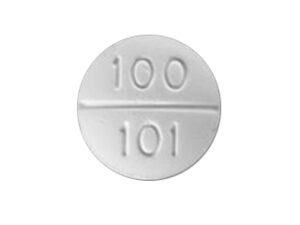
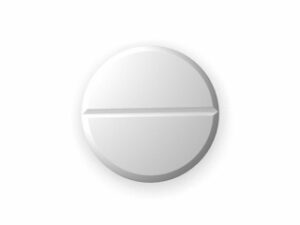
- Form: Usually tablets.
- Strengths: Common strengths include 25 mg and 50 mg tablets (varies by product).
Note: Always check the strength and dosing instructions on your medicine label.
How eplerenone works (mechanism of action)
Eplerenone is a mineralocorticoid receptor antagonist. It blocks the mineralocorticoid receptor, which reduces the actions of aldosterone in the kidneys and other tissues.
By blocking aldosterone effects, eplerenone:
- Helps the kidneys excrete sodium and water
- Reduces excessive fluid retention that can worsen heart failure
- Can improve cardiovascular outcomes by reducing harmful remodeling of the heart
- Has a lower risk of hormonal side effects than older drugs in the same area (e.g., spironolactone), although individual responses vary
What it’s used for (indications)
Eplerenone is used in specific cardiovascular conditions where aldosterone antagonism may reduce risk. Common clinical reasons include:
- Chronic heart failure: In selected adults with heart failure and reduced left ventricular function (severity criteria are based on clinical assessment and lab results).
- After myocardial infarction (heart attack): To reduce risk in certain patients with left ventricular dysfunction and/or heart failure symptoms after a heart attack (based on clinical criteria).
Your healthcare professional will determine whether eplerenone is suitable for you based on: heart function, symptoms, blood test results (especially potassium), and kidney function.
Typical timing and how to take eplerenone
Eplerenone is usually taken at the same time each day. Your dose may be adjusted over time.
When to take it
- If prescribed once daily, take your dose at the same time each day.
- If prescribed twice daily, split the doses evenly (for example, morning and evening).
With or without food
Eplerenone has food-related absorption effects (see the “Food interactions” section below). Many patients are advised to take it consistently in relation to meals.
Follow your label instructions. If your doctor or pharmacist advised a particular relationship to meals (e.g., with or without food), keep that pattern to maintain consistent blood levels.
How to take tablets
- Swallow tablets whole with water.
- Do not crush or chew unless your pharmacist advises it is appropriate for your specific product.
- Keep tablets in a cool, dry place away from moisture and heat.
If you miss a dose
- Take it as soon as you remember if it is close to the scheduled time.
- If it is almost time for the next dose, skip the missed dose and continue as normal.
- Do not take a double dose to make up for the missed one.
Mechanism at a glance: pharmacokinetics (how your body handles it)
Pharmacokinetics describes absorption, distribution, metabolism, and elimination of eplerenone. Key points include:
| Area | What to know |
|---|---|
| Absorption | Absorption can be affected by food. Consistent use with or without meals helps maintain predictable levels. |
| Time to peak | Eplerenone reaches peak blood concentration after oral dosing (timing varies with food and individual factors). |
| Distribution | It is distributed throughout the body tissues, including cardiovascular tissues. |
| Metabolism | Primarily metabolised by liver enzymes, notably CYP3A4. Medicines that strongly affect this pathway may change eplerenone levels. |
| Elimination | Excreted through kidney and/or other pathways depending on metabolism and individual kidney function. |
| Half-life (general concept) | The drug persists long enough to support once- or twice-daily regimens, but exact clearance varies by kidney function and interacting medicines. |
Your prescriber may adjust dose based on potassium and kidney function because eplerenone can increase potassium. If you have kidney disease or are on interacting medicines, monitoring becomes especially important.
Food interactions
Food can influence how much eplerenone you absorb. This matters because stable blood levels support reliable effects and reduce the risk of side effects.
- Consistency is key: Take eplerenone in the way advised by your healthcare professional (with or without food).
- Grapefruit and grapefruit juice: Avoid unless your doctor/pharmacist confirms it’s safe. Grapefruit can inhibit CYP3A4, potentially raising eplerenone levels.
If you’re unsure whether your regimen should be taken with food, check your medicine label or ask a pharmacist.
Alcohol and eplerenone interactions
Moderate alcohol intake may not directly “cancel out” eplerenone, but alcohol can indirectly affect cardiovascular stability and hydration.
- Blood pressure: Alcohol may lower blood pressure in some people, which could increase dizziness—particularly if you also take blood pressure medicines.
- Dehydration risk: Heavy drinking can worsen dehydration, which may affect kidney function and potassium balance.
- Safety: If you get lightheaded, feel weak, or notice palpitations, avoid alcohol and discuss with your clinician.
If you drink alcohol, aim for moderation and stay hydrated. Tell your pharmacist if you drink heavily or have frequent episodes of vomiting/diarrhoea.
Medicine interactions (especially potassium and CYP3A4)
Interactions can change eplerenone blood levels and—more importantly—your potassium level. Always provide your complete medicine list (including supplements and over-the-counter products) to your pharmacist.
Key interaction categories
- Potassium-raising medicines (hyperkalaemia risk): Combining with certain drugs can increase potassium.
Examples include:
- Potassium supplements
- Salt substitutes containing potassium
- Other potassium-sparing diuretics (e.g., amiloride, triamterene)
- Some ACE inhibitors or ARBs (often used in heart failure, but the combination requires close monitoring)
- Some medicines for inflammatory conditions (e.g., NSAIDs can affect kidney function and potassium in certain situations)
- CYP3A4 inhibitors (increase eplerenone levels): These may raise eplerenone exposure and potassium risk. Examples may include certain antifungals (e.g., ketoconazole), some macrolide antibiotics (e.g., clarithromycin), and other strong CYP3A4 inhibitors.
- CYP3A4 inducers (reduce eplerenone levels): These may make eplerenone less effective in some cases. Examples include certain anticonvulsants (e.g., carbamazepine) and some medicines used for tuberculosis (e.g., rifampicin).
- NSAIDs (non-steroidal anti-inflammatory drugs): Frequent or high-dose NSAID use can worsen kidney function, which may increase potassium. If you need pain relief, ask your pharmacist what is safest for your situation.
Herbal and supplement cautions
- Herbal products are not always evaluated to the same extent as medicines for interactions.
- Avoid potassium-containing supplements unless specifically prescribed and monitored.
- Tell your pharmacist about any supplements such as salt substitutes, “electrolyte” drinks, or herbal remedies.
Practical tip: Keep a current list (photo on your phone is fine) of all medicines and supplements you take.
Dosing guidance (how dosing is usually managed)
Dosing depends on the reason you’re taking eplerenone and your kidney function and potassium level. Your prescriber may start at a lower dose and adjust gradually.
Starting dose (general approach)
- Often initiated with a dose that depends on baseline potassium and kidney function.
- Subsequent dose changes usually occur after blood test results are reviewed.
Typical dosing patterns
While individual schedules vary, many regimens fall into one of these patterns:
- Once daily maintenance dosing for some indications
- Twice daily dosing may be used in some circumstances to improve tolerability or balance
Monitoring drives dosing
Eplerenone requires periodic blood tests. The main goals are to:
- Check potassium levels
- Assess kidney function (e.g., serum creatinine/eGFR)
If your potassium rises, your doctor may reduce the dose, interrupt treatment, or adjust interacting medicines.
Safety profile and side effects
Like all medicines, eplerenone can cause side effects. Many people tolerate it well, especially with appropriate monitoring. Still, it’s important to know what to watch for.
Common side effects
- Dizziness or lightheadedness
- Fatigue
- Nausea or mild gastrointestinal upset
Important risks (seek medical advice promptly)
The most significant concern is hyperkalaemia (too much potassium), which can be serious. You should seek urgent medical advice if you develop symptoms such as:
- Muscle weakness
- Tingling sensations
- Unusual palpitations or slow/irregular heartbeat
- Severe weakness or collapse
Other reasons to contact a clinician include:
- Signs of dehydration (especially during vomiting/diarrhoea)
- Severe dizziness, fainting, or very low blood pressure symptoms
- Any allergic-type reaction such as rash, swelling, or breathing difficulty
Who needs extra caution?
- Reduced kidney function
- High baseline potassium
- Use of multiple medicines that affect kidney function or potassium
- Elderly patients, where kidney function can change more quickly
- People with conditions that increase potassium (your clinician will consider your individual risk)
Practical use tips for day-to-day success
- Keep blood tests on schedule: Monitoring is part of safe treatment with eplerenone.
- Don’t start new “electrolyte” products: Salt substitutes with potassium or potassium supplements can cause high potassium.
- Be careful with illness: If you get significant vomiting/diarrhoea, become dehydrated, or cannot eat/drink normally, contact your doctor—your medication plan may need temporary review.
- Track symptoms: Write down dizziness, weakness, or unusual heartbeats and report them.
- Consistency with meals: Take it the same way each day regarding food (as instructed).
- Medication list hygiene: Always update your pharmacy and clinician if you add or stop any medicine.
Alternative options (what else may be considered)
Treatment for heart failure and post-heart attack risk can include several medicines. Which alternatives are suitable depends on your diagnosis, kidney function, blood pressure, symptoms, and lab results.
Other medication classes commonly used in heart conditions
- ACE inhibitors or ARBs (often used in heart failure; require monitoring for kidney function and potassium)
- Beta-blockers (help reduce strain on the heart)
- Diuretics (help manage fluid overload—some sparing of potassium, others not)
- SGLT2 inhibitors (in certain heart failure populations, based on clinical criteria)
Other aldosterone antagonists
- Spironolactone is another MRA. Some patients tolerate it well, but it may cause hormonal side effects more frequently in some individuals.
- Finerenone is an MRA with different indications; it may not be an equivalent option for heart failure use cases.
Your clinician will decide what best fits your condition and safety profile. Never switch medicines without medical advice and appropriate blood test follow-up.
Australia: market and legal context (patient-friendly)
In Australia, medicines such as eplerenone are regulated under the Australian health and medicines framework. Supply is managed through approved distribution channels and must meet state and national requirements.
Online pharmacies typically provide medicines in line with applicable Australian laws and pharmacy standards, including verification of eligibility and compliance with medicines scheduling rules.
Availability can vary based on supply, formulation strength, and local listings. If a specific brand or strength is temporarily unavailable, the pharmacy may offer a suitable alternative product where permitted and appropriate.
Recent guidance and practical monitoring expectations
Heart failure management guidelines and updates commonly emphasise: evidence-based medication, regular monitoring, and individualised dosing.
- Potassium and kidney checks: Routine lab monitoring is central to safe MRA therapy.
- Medication review: Periodic review helps identify interacting drugs (including over-the-counter NSAIDs and supplements).
- Adherence support: Taking tablets consistently improves effectiveness and helps reduce side effects from missed doses or irregular timing.
If you’re newly prescribed eplerenone or your dose changes, ask your pharmacist what monitoring schedule applies to you.
Delivery, availability, and what to expect when ordering online
Online pharmacies in Australia commonly provide delivery to eligible locations with tracking where available. Delivery times can vary based on your address and order processing time.
What you can prepare
- Have your delivery address ready and ensure it’s correct (including postcode).
- Confirm you’re ordering the correct strength (e.g., 25 mg vs 50 mg) and product type.
- Allow time for order processing and packaging.
Cold chain
- Eplerenone tablets typically do not require refrigeration. Store them as directed on the label.
If you have questions about stock availability (including generic options), contact the pharmacy before placing an order.
Frequently Asked Questions (FAQ)
1) How does eplerenone differ from other “water tablets”?
Eplerenone is not a typical fast-acting diuretic for immediate fluid relief. It is an aldosterone-blocking medicine (MRA) that can help protect the heart and reduce progression in appropriate conditions. Your doctor may still also prescribe other diuretics depending on symptoms.
2) Why do I need blood tests while taking eplerenone?
Because eplerenone can increase potassium and affect kidney function. Monitoring allows your dose to be adjusted safely and early if issues arise.
3) Can I take eplerenone with other heart medicines?
Often yes, but it must be coordinated carefully. Common heart failure regimens can include medicines that influence potassium and kidney function, so your clinician will plan monitoring and dose adjustments.
4) Is it safe to use salt substitutes?
Many salt substitutes contain potassium. Because eplerenone can raise potassium, salt substitutes should generally be avoided unless your doctor or pharmacist specifically approves them for your situation.
5) What should I do if I develop vomiting or diarrhoea?
Dehydration can affect kidney function and potassium levels. Contact your healthcare provider for advice—your medication plan may need temporary adjustment. If symptoms are severe, seek urgent medical care.
6) Can I drink alcohol while taking eplerenone?
Moderate alcohol may be tolerated by some people, but alcohol can worsen dizziness, lower blood pressure, and contribute to dehydration. If you experience lightheadedness or weakness, reduce or avoid alcohol and discuss with your pharmacist or doctor.
7) Does grapefruit affect eplerenone?
Grapefruit can interfere with the body’s breakdown of eplerenone (CYP3A4 pathway), potentially increasing levels. It’s usually best avoided unless your clinician confirms it is safe.
8) What if I miss a dose?
Take it when you remember if it’s close to the scheduled time. If it’s almost time for the next dose, skip the missed dose. Do not take a double dose.
9) Are there people who should not take eplerenone?
Suitability depends on your diagnosis and lab values. People with high potassium, significant kidney impairment, or relevant interactions may require alternatives. Your clinician will assess benefits and risks before starting treatment.
10) What are safe pain relief options?
Pain relief choices can interact with kidney function and potassium balance. Ask your pharmacist what is safest for you, especially if you need frequent anti-inflammatory pain relief.
When to seek urgent help
Get urgent medical help if you have symptoms that may indicate a dangerous potassium imbalance or abnormal heart rhythm, such as: severe weakness, fainting, chest discomfort, or significant palpitations. If you feel unwell suddenly or symptoms are severe, treat it as urgent.
Important: This information is general and educational. Always follow the instructions on your medicine label and the advice from your healthcare professional. If you have questions about interactions, dosing, or monitoring, contact your pharmacist for tailored guidance.