Oxybutynin (Oxytrol / Ditropan and generics) — Patient Information (Australia)
Oxybutynin is a medicine used to help control overactive bladder symptoms such as frequent urination, urgency, and urge incontinence (leaking on the way to the toilet). It works by calming the bladder muscle and reducing certain bladder nerve signals.
This page explains how oxybutynin works, how it’s taken, what to expect, key safety information, and practical tips for getting the best results. It is written for people in Australia and includes relevant market and guidance context.
Basic product information
- Generic name: Oxybutynin
- Common brand examples (may vary by availability): Oxytrol® (often topical in some markets), Ditropan® and generics
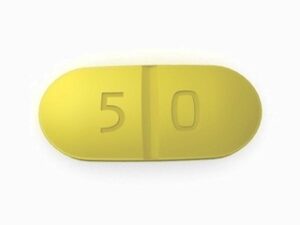
- Available forms (commonly): tablets (including immediate-release and extended-release), and sometimes other formulations depending on supply
- Medicine group: Antimuscarinic / anticholinergic bladder antispasmodic
- Therapeutic use: Overactive bladder and related symptoms
Note: Brand names and specific strengths can differ between products. Always check the label/pack for your exact strength and formulation.
How oxybutynin works (mechanism of action)
Oxybutynin belongs to the antimuscarinic (anticholinergic) class of medicines. In the bladder wall there are receptors called muscarinic receptors that help control bladder muscle contraction.
By blocking these receptors, oxybutynin:
- Reduces involuntary bladder contractions that can cause urgency and leakage
- Increases bladder filling capacity, helping you hold urine for longer
- Decreases urgency and the number of trips to the toilet
Because it acts on the bladder, it can improve symptoms of overactive bladder, including urge urinary incontinence (leaking caused by a sudden need to urinate).
Pharmacokinetics (how the body processes it)
Pharmacokinetics describes absorption, distribution, metabolism, and elimination.
Absorption
- Oxybutynin is absorbed through the gastrointestinal tract when taken orally.
- Immediate-release vs extended-release products can affect how quickly levels rise and how steady they remain.
Distribution
- Oxybutynin distributes throughout the body and may affect both the bladder and other organ systems.
Metabolism
- It is metabolised in the liver (notably via cytochrome pathways), producing metabolites that may contribute to both effects and side effects.
- Some formulations may differ in how much active drug reaches the bloodstream.
Elimination
- Oxybutynin and its metabolites are largely eliminated via the urine.
- Kidney function and age can influence tolerability, particularly regarding anticholinergic side effects.
Practical takeaway: The time it takes for symptoms to improve can vary, but many people notice benefits within days. Full assessment of effectiveness is usually based on ongoing symptom tracking over weeks.
Typical use and indications
Oxybutynin is used to treat urinary symptoms related to overactive bladder, including:
- Urgency (a sudden, difficult-to-delay need to urinate)
- Increased urinary frequency (passing urine more often than expected)
- Urge urinary incontinence (leaking due to urgency)
In some cases, clinicians may also use oxybutynin for other bladder-related spasm symptoms, depending on diagnosis and patient factors. Your product information (consumer medicine information) should be your main reference for the exact indication of your specific formulation.
Dosing: how to take oxybutynin
Dosing must be individualised. Your dose depends on:
- Your diagnosis and symptom severity
- Your age and tolerability
- The formulation (immediate-release vs extended-release)
- Other medicines you take and your health conditions
General dosing principles (not a substitute for your label):
- Doctors typically start with a lower dose to reduce side effects.
- If needed, dosing may be adjusted to improve symptoms while balancing tolerability.
- Extended-release products are usually taken once or fewer times daily compared with immediate-release forms.
If you are unsure of your schedule: check the packaging for the exact instructions for your product strength and formulation, or ask your pharmacist.
Common timing expectations
- Once daily (extended-release forms): often taken at the same time each day.
- Multiple daily doses (immediate-release forms): often spaced across the day.
Missing a dose: follow your product leaflet. In general, if you miss a dose and it’s close to your next dose, you may be advised to skip—avoid doubling doses.
When will oxybutynin start working?
Many people experience symptom improvement relatively early, such as reduced urgency or fewer episodes of leakage. However, the full effect can take several days to a few weeks.
Useful tracking tip: For the first 2–4 weeks, keep a simple bladder diary (times of urination, urgency episodes, leakage episodes, and fluid intake). This helps you and your healthcare professional judge whether the medicine is working and whether dose adjustments are appropriate.
Food interactions: what to know
Whether oxybutynin can be taken with food depends on the product formulation. In general:
- Immediate-release tablets: can often be taken with or without food, though nausea or stomach upset may be reduced by taking with food.
- Extended-release products: follow the exact instructions on the pack. Some extended-release formulations need consistent administration for reliable release.
Key practical rule: Use the directions on your specific product pack. If you notice stomach upset, taking with a small meal or snack may help—ask your pharmacist if you have concerns.
Alcohol and medicine interactions
Alcohol: Alcohol may worsen side effects of anticholinergic medicines, including:
- Dizziness or light-headedness
- Drowsiness or impaired concentration
- Blurred vision or slower reaction times
- Dehydration (which can also aggravate dry mouth and constipation)
To reduce risks, consider limiting alcohol and avoiding alcohol when you feel unwell or particularly affected by side effects.
Other medicine interactions: Oxybutynin can add to the effects of other medicines that also have anticholinergic properties. Combining such medicines can increase the risk of:
- Dry mouth
- Constipation
- Urinary retention
- Confusion (especially in older adults)
Examples of medicine categories that may increase anticholinergic burden include some:
- Allergy medicines (certain antihistamines)
- Tricyclic antidepressants and other medications with anticholinergic effects
- Some medicines for motion sickness
- Other bladder antimuscarinics
Always check before starting new medicines (including over-the-counter products) and tell your pharmacist about everything you take.
Safety profile: side effects and when to get help
Like all medicines, oxybutynin can cause side effects. Many are related to its anticholinergic effects (blocking muscarinic receptors in the body).
Common side effects
- Dry mouth
- Constipation
- Blurred vision
- Dizziness
- Headache
- Dry eyes or eye irritation
- Reduced sweating (may affect heat tolerance)
- Fatigue or sleepiness in some people
Less common but important risks
- Difficulty urinating or urinary retention (especially in people with prostate enlargement or bladder outlet obstruction)
- Confusion or worsening memory (more likely in older adults)
- Fast heartbeat or palpitations
- Eye pain or sudden vision changes (rare, but urgent)
- Severe constipation or inability to pass stool/gas
Seek urgent medical attention if
- You experience severe eye pain, redness, or sudden vision changes
- You develop severe abdominal pain, persistent vomiting, or a swollen abdomen (possible bowel obstruction/ileus)
- You cannot urinate despite feeling full
- You become very drowsy, confused, or agitated
- You have signs of an allergic reaction (swelling of face/lips, breathing difficulty, hives)
For everyday side effects: report persistent or troublesome symptoms to your pharmacist or doctor. Often, dose adjustments or switching formulation can improve tolerability.
Practical use tips for better tolerability
Antimuscarinic medicines like oxybutynin often cause dry mouth and constipation. The following strategies may help:
- Manage dry mouth:
- Sip water regularly
- Use sugar-free chewing gum or lozenges
- Consider saliva substitutes if available
- Prevent constipation:
- Ensure adequate fluid intake
- Include fibre (fruits, vegetables, whole grains)
- Maintain regular physical activity
- Heat and sweating: because sweating may decrease, take extra care in hot weather and stay hydrated.
- Driving and machinery: if you feel dizzy or have blurred vision, avoid driving until you feel steady and visually clear.
- Bladder training alongside medication: combining medicines with behavioural strategies (scheduled voiding, fluid planning, pelvic floor exercises) can improve results.
Consider talking to a pharmacist if you experience bothersome side effects early after starting. Sometimes a different formulation or alternative medicine may be better tolerated.
Alternative options for overactive bladder
Several treatment options may be considered for overactive bladder symptoms. The best choice depends on your symptoms, health conditions, and side-effect preferences.
Non-medicine options
- Bladder training (timed voiding, urge suppression techniques)
- Pelvic floor muscle exercises (often with referral to a physiotherapist)
- Lifestyle adjustments such as reducing bladder irritants (for some people): caffeine, carbonated drinks, and excess fluid late in the evening
Other medicine options
- Other antimuscarinics (for example, tolterodine, solifenacin, fesoterodine—availability may vary)
- Beta-3 agonists (for example, mirabegron in some settings) — can have a different side-effect profile than antimuscarinics
Your pharmacist or clinician can help compare options based on your medical history, current medicines, and tolerability.
Australia: market, legal and guidance context
In Australia, overactive bladder treatment typically follows a staged approach that may include behavioural strategies and medicines. Oxybutynin and other bladder antimuscarinics have long been used in clinical practice.
Regulatory and availability notes:
- Medicine supply and brand availability can change over time.
- Product information leaflets in Australia provide specific instructions for dose, formulation, and safety warnings.
- Healthcare professionals generally consider anticholinergic risk, especially in older adults, and weigh benefits against side effects.
Recent guidance (general trend): Australian clinical practice commonly emphasises:
- Starting with non-drug strategies when appropriate
- Choosing medicines based on tolerability and patient risk factors
- Reviewing response after a reasonable trial and considering alternatives if side effects are limiting
Important: Always rely on the current consumer medicine information and advice from a healthcare professional for decisions specific to you.
Delivery and availability (Australia)
Oxybutynin may be available through online pharmacies depending on local supply and product type. Availability can vary by:
- Strength and formulation (immediate-release vs extended-release)
- Brand vs generic supply
- Regional logistics and stock levels
Delivery: Delivery times depend on your location and the courier service used. When ordering online, you’ll typically be shown:
- Estimated dispatch and delivery timeframes
- Any shipping thresholds or fees
- Tracking details once your order is on the way
Storage: Keep your medicine in a cool, dry place as directed on the packaging, and out of reach of children.
Safety checklist before starting oxybutynin
Tell a healthcare professional if you have any of the following, as they may affect suitability or dosing:
- Glaucoma (especially narrow-angle glaucoma)
- Difficulty passing urine or enlarged prostate (risk of urinary retention)
- Severe constipation or bowel problems
- Myasthenia gravis
- Severe ulcerative colitis or bowel obstruction
- Significant cognitive impairment or confusion risk
- Other medicines with anticholinergic effects
If you’re unsure whether a condition or medicine is relevant, it’s worth discussing with your pharmacist before using oxybutynin.
FAQ: Oxybutynin (Australia)
1) What is oxybutynin used for?
Oxybutynin is used to treat symptoms of overactive bladder, such as urgency, frequent urination, and urge urinary incontinence (leaking associated with a sudden need to urinate).
2) How quickly should I notice improvement?
Some people notice improvement within days, but a full assessment may take several weeks. Tracking symptoms in a bladder diary can help you and your clinician judge response.
3) Can I take oxybutynin with food?
Often it can be taken with or without food, but follow your specific product’s directions—particularly for extended-release formulations. If you experience stomach upset, taking with a meal may help.
4) Will oxybutynin cause dry mouth?
Dry mouth is one of the most common side effects. Strategies like frequent sips of water, sugar-free gum, and saliva substitutes can help.
5) What about constipation?
Constipation can occur. Increase fluids and fibre, stay physically active, and consider discussing a suitable constipation plan with your pharmacist if needed.
6) Is it safe to drink alcohol?
Alcohol may worsen side effects such as dizziness, drowsiness, dry mouth, and impaired concentration. Limiting alcohol is often advisable, especially if you notice side effects.
7) Can I drive while taking oxybutynin?
If oxybutynin makes you dizzy or causes blurred vision, avoid driving until you know how the medicine affects you. If you feel safe and your vision is clear, driving may be okay—use caution.
8) Are there medicines that shouldn’t be taken with oxybutynin?
Medicines with anticholinergic effects may increase the risk of side effects. Examples include certain antihistamines and some antidepressants. Always check with your pharmacist about your full list of medicines, including over-the-counter products.
9) What should I do if I miss a dose?
Follow the instructions in the consumer medicine information for your specific product. In many cases, if it’s close to your next dose, you may be advised to skip. Do not take double doses unless instructed.
10) When should I stop and seek help?
Seek urgent medical attention if you have severe eye pain or sudden vision changes, inability to urinate, severe constipation with significant abdominal pain, confusion that is significant or worsening, or signs of an allergic reaction.
Summary
Oxybutynin helps manage overactive bladder symptoms by calming bladder muscle activity through antimuscarinic action. Treatment can reduce urgency and frequency and help with urge incontinence. Because it can cause side effects such as dry mouth, constipation, and sometimes blurred vision, practical strategies and careful attention to your health conditions and other medicines are important.
If your symptoms don’t improve or side effects are bothersome, ask a pharmacist or clinician about whether an alternative medicine or formulation could suit you better.