
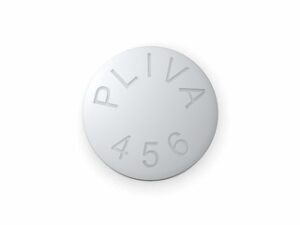

Etodolac (Anti-inflammatory medicine) — Patient Guide (Australia)
Etodolac is a non-steroidal anti-inflammatory drug (NSAID) used to relieve pain and inflammation associated with a range of musculoskeletal conditions. This guide is designed to be easy to read and practical, helping you understand what etodolac does, how it works, how to take it, and what to watch for.
Important: Always read the Consumer Medicine Information (CMI) provided with your product and follow the directions given by your healthcare professional. Medicines can affect people differently, and the safest approach is to use etodolac only when it is appropriate for your individual health situation.
Basic product information
- Medicine name: Etodolac
- Drug class: NSAID (non-steroidal anti-inflammatory drug)
- Common strengths: Various strengths exist depending on formulation and brand
- How it’s taken: Typically by mouth (tablets/capsules depending on formulation)
- Typical effects: Reduces inflammation, pain, and stiffness
Where you might see it used: Pain and inflammation from conditions such as osteoarthritis and rheumatoid arthritis, plus other painful inflammatory conditions as directed.
How etodolac works (mechanism of action)
Etodolac works by reducing the production of inflammatory chemicals in the body. NSAIDs like etodolac primarily:
- Inhibit cyclo-oxygenase (COX) enzymes (COX-1 and COX-2), which are involved in making prostaglandins
- Decrease prostaglandins, leading to less inflammation and less pain signalling
- Lower fever and swelling in some cases (depending on the underlying condition)
Because prostaglandins also help protect the stomach lining and support kidney blood flow, blocking them can contribute to side effects—especially with higher doses, longer use, or in people with risk factors.
Pharmacokinetics (how the body processes it)
Pharmacokinetics describes what the body does to the medicine—absorption, distribution, metabolism, and elimination.
- Absorption: Etodolac is absorbed after oral dosing. Food can influence the rate of absorption (often slowing it), while the overall amount absorbed may vary by formulation.
- Distribution: It distributes into tissues where inflammation and pain are present. Plasma protein binding contributes to its distribution profile.
- Metabolism: The liver metabolises etodolac to inactive or less active metabolites.
- Excretion: Metabolites are eliminated primarily through the kidneys and partly via other pathways.
- Half-life: The duration of action is long enough to allow scheduled dosing for many people, depending on the specific product and regimen.
Individual response can vary due to age, kidney function, liver function, other medicines, and overall health.
Typical use and indications
Etodolac is used for conditions where inflammation and pain play a major role. Depending on your local product and clinical assessment, it may be indicated for:
- Osteoarthritis: Helps reduce pain and stiffness in joints affected by wear-and-tear.
- Rheumatoid arthritis: Helps manage symptoms of chronic inflammatory joint disease.
- Other painful inflammatory conditions: Used when an NSAID is considered suitable for managing pain and inflammation.
Not for: Etodolac is not an opioid and does not “cure” underlying disease. It treats symptoms (pain and inflammation) while other treatments may address the cause.
When and how to take etodolac (timing)
The correct timing depends on your prescribed regimen and the specific formulation. As general guidance for NSAIDs:
- Consistency helps: Try to take it at the same times each day.
- Take with food or after meals: This can reduce stomach irritation for many people.
- Use the lowest effective dose: Using the minimum dose that controls symptoms can reduce the risk of side effects.
- Do not take extra doses: If pain breaks through, speak with your healthcare professional before adjusting the dose.
Missed dose: If you forget a dose, take it when you remember unless it is close to the next dose. Do not double up.
Food interactions and stomach protection
Food can influence how etodolac is tolerated:
- With food: Taking etodolac with meals may lower the chance of stomach upset or indigestion.
- Empty stomach: Some people experience more gastric discomfort when taking NSAIDs on an empty stomach.
Practical tip: If you notice nausea or heartburn, taking etodolac with a meal (or shortly after) may improve comfort. However, follow product-specific instructions.
Gastroprotective strategies: In some higher-risk patients, doctors may consider additional stomach-protective therapy (such as proton pump inhibitors). This is individualised and depends on risk factors.
Alcohol and medicine interactions
Mixing etodolac with alcohol can increase the risk of stomach irritation and bleeding. Alcohol may also make dizziness or stomach symptoms more likely.
- Avoid heavy or frequent alcohol use while taking etodolac.
- Be cautious with any bleeding risk (e.g., history of ulcers, gastritis, or gastrointestinal bleeding).
Other medicine interactions (important): NSAIDs can interact with several medicine groups. Examples include:
| Medicine group | Why it matters | What to do |
|---|---|---|
| Other NSAIDs (e.g., ibuprofen, naproxen, diclofenac) | Greater risk of stomach irritation, kidney strain, and bleeding | Avoid combining unless specifically directed |
| Anticoagulants (e.g., warfarin) | Increases bleeding risk | Seek medical advice and monitoring |
| Antiplatelets (e.g., aspirin, clopidogrel) | May further increase bleeding risk | Do not start/stop without advice |
| Corticosteroids (e.g., prednisone) | Higher risk of gastrointestinal side effects | Discuss protective strategies if needed |
| Diuretics (e.g., frusemide) and blood pressure medicines | May reduce effectiveness of some BP meds and affect kidney function | Monitor BP and kidney function as advised |
| ACE inhibitors / ARBs (e.g., lisinopril, losartan) | “Triple whammy” risk when combined with diuretics and NSAIDs (kidney strain) | Use caution; get kidney checks if advised |
| Lithium | NSAIDs can increase lithium levels | Ask about monitoring |
| Methotrexate | NSAIDs may increase methotrexate toxicity | Requires careful dose/timing supervision |
| Some antidepressants (SSRIs/SNRIs) | May increase bleeding risk, especially with GI tract | Seek guidance if you notice bleeding signs |
| Diabetes medicines | Can affect kidney function and sometimes glucose stability | Monitor as directed |
Always inform your healthcare professional about all medicines, supplements, and herbal products you use, including “as needed” products.
Dosing (general guidance)
Dosing depends on the diagnosis, your age, kidney function, the specific formulation, and how well symptoms respond.
- Start low and titrate if needed: Many NSAID regimens begin at a dose intended to balance effectiveness and tolerability.
- Use the lowest effective dose for the shortest duration: This is particularly important for people at higher risk of side effects.
- Follow product instructions: Different etodolac formulations (immediate-release vs other types) may have different dosing schedules.
Do not exceed the recommended maximum dose on the product label or as directed by your healthcare professional.
If you’re unsure which regimen applies to your product, check the packaging or consult a pharmacist.
Safety profile: who should be careful
Like all NSAIDs, etodolac can cause side effects. Many are mild, but some can be serious—especially with long-term use, higher doses, or existing risk factors.
Common side effects
- Indigestion, heartburn, nausea
- Abdominal discomfort or bloating
- Mild dizziness or headache
- Swelling or fluid retention (less commonly)
Serious side effects (seek urgent medical help)
- Signs of gastrointestinal bleeding: vomiting blood, black/tarry stools, or blood in stools
- Severe stomach pain or persistent indigestion
- Allergic reaction: facial swelling, wheezing, severe rash, or difficulty breathing
- Kidney problems: decreased urination, swelling in legs/feet, severe fatigue
- Chest pain, shortness of breath, or sudden weakness (possible cardiovascular event symptoms)
- Severe skin reactions (rare): blistering, peeling, or widespread rash with fever
People at higher risk of complications
- History of stomach ulcers or gastrointestinal bleeding
- Older adults (risk increases with age)
- Chronic kidney disease or reduced kidney function
- Heart disease, stroke history, or significant cardiovascular risk
- Those taking blood thinners or multiple medicines that increase bleeding risk
- Asthma triggered by NSAIDs or sensitivity to similar medicines
- Dehydration or conditions that affect kidney blood flow
Pregnancy and breastfeeding: NSAID use during pregnancy should be discussed with a healthcare professional. For breastfeeding, seek advice as well, particularly for long-term use.
Practical use tips
- Take with food: This often improves stomach tolerance.
- Stay hydrated: Adequate fluid intake supports kidney function (unless your doctor restricts fluids).
- Review other pain medicines: Avoid duplicate NSAIDs. Many “cold and flu” products also contain NSAIDs—check labels.
- Monitor symptoms: If pain improves, consider discussing whether you can use less or stop, rather than continuing longer than needed.
- Use non-medicine strategies too: Gentle exercise, physiotherapy, heat/cold packs, and activity modification can reduce pain and may lessen your need for higher medicine doses.
- Watch for red flags: Stop and seek advice if you experience symptoms of bleeding, severe stomach pain, or allergic reactions.
Alternative options (for pain and inflammation)
If etodolac is not suitable or you need additional symptom control, alternatives may include:
- Other NSAIDs: Different NSAIDs may be tolerated differently, but all have similar classes of risk.
- Paracetamol (acetaminophen): Can help with pain, particularly when inflammation is mild; it has a different safety profile than NSAIDs.
- Topical NSAIDs: Gels/creams for localised osteoarthritis may reduce systemic exposure.
- Non-drug approaches: Physiotherapy, strengthening, weight management, splinting/bracing, and heat/cold therapy.
- For inflammatory arthritis: disease-modifying therapy may be required depending on the diagnosis; this is determined by your clinician.
Discuss options with a pharmacist or doctor, especially if you have risk factors for ulcers, kidney disease, or heart disease.
Market and legal context in Australia (how it’s typically supplied)
In Australia, medicines are regulated under the Therapeutic Goods Administration (TGA) and are supplied according to their regulatory classification (for example, prescription-only or other classifications depending on formulation and strength). Supply requirements may also differ depending on the product presentation.
For online pharmacy purchasing, availability and ordering conditions are based on Australian medicine scheduling and the product listing on the pharmacy’s website. Always check the product page details for purchasing requirements and any necessary steps (such as patient eligibility screening).
Important: Follow all local requirements regarding medicine supply, safety screening, and use-by instructions.
Recent guidance and safety updates (general)
NSAIDs, including etodolac, are continually assessed for safety. Recent guidance in many regions has emphasised:
- Using the lowest effective dose for the shortest possible duration
- Assessing GI and cardiovascular risk prior to and during NSAID therapy
- Avoiding NSAID duplication (not taking multiple NSAIDs at once)
- Being cautious in people with kidney disease, dehydration, or interacting medicines
Because guidance can evolve, it’s wise to check the latest product information and consult a pharmacist if you have questions about suitability or safer alternatives.
Delivery and availability (online pharmacy)
Availability of etodolac may vary based on formulation and stock. When ordering online, typical steps may include:
- Product selection: Choose the correct strength/formulation listed on the site.
- Safety checks: Answer screening questions if required by the pharmacy’s process.
- Delivery options: Shipping times and methods depend on your location and the pharmacy’s dispatch schedule.
- Packaging: Medicines are typically supplied in manufacturer packaging with patient information leaflets/CMI where applicable.
Storage on arrival: Store according to the label (commonly at room temperature away from direct sunlight). Keep out of reach of children.
Replace if damaged: If packaging is damaged or tablets/capsules appear unusual, contact the pharmacy for advice.
FAQ about etodolac
1) What is etodolac used for?
Etodolac is an NSAID used to reduce pain and inflammation in conditions such as osteoarthritis and rheumatoid arthritis, and other inflammatory painful conditions when considered appropriate.
2) How soon will etodolac start working?
Many people notice symptom relief within hours, while full benefit may take a few days depending on the condition and inflammation level. If there is no improvement after an appropriate time, speak with a pharmacist or doctor.
3) Can I take etodolac with food?
Yes. Taking etodolac with food or after meals can reduce stomach discomfort for many people. Follow your product instructions.
4) Can I take it with other pain medicines?
Avoid taking other NSAIDs at the same time (e.g., ibuprofen or naproxen). Paracetamol may be an alternative for pain in some cases, but it depends on your situation. Check with a pharmacist before combining medicines.
5) Is it safe to drink alcohol while taking etodolac?
Alcohol may increase the risk of stomach irritation and bleeding. It’s best to avoid heavy or frequent alcohol use during treatment, and ask a pharmacist for personalised advice.
6) Who should not use etodolac or should use extra caution?
Extra caution is needed if you have a history of ulcers or GI bleeding, kidney disease, significant heart disease, NSAID allergy or asthma triggered by NSAIDs, or you take blood thinners. If any of these apply, discuss suitability before using etodolac.
7) What should I do if I miss a dose?
Take it when you remember unless it’s close to the next dose. Do not double up.
8) What are warning signs I should watch for?
Seek urgent help if you have black/tarry stools, vomiting blood, severe stomach pain, allergic symptoms (wheeze, swelling, rash), reduced urination, or signs of serious cardiovascular events.
9) Can etodolac affect my kidneys?
Yes. NSAIDs can reduce blood flow to the kidneys, especially in dehydration or in people with pre-existing kidney issues or interacting medicines. If you have kidney risk factors, your healthcare professional may monitor kidney function.
10) Are there alternatives if etodolac doesn’t suit me?
Alternatives can include other NSAIDs, topical NSAIDs, paracetamol, and non-drug strategies such as physiotherapy and lifestyle measures. Your best option depends on your condition and risk factors.
Disclaimer: This information is general and patient-focused. It does not replace the advice of a pharmacist or doctor who can consider your medical history, current medications, and individual risk factors.