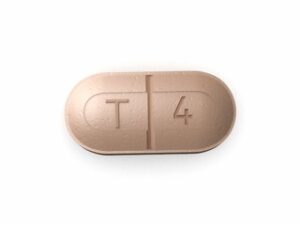

Actigall (Ursodeoxycholic acid) — Patient Guide (Australia)
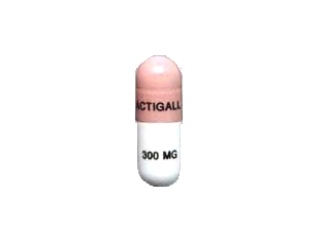
Actigall is a medicine containing ursodeoxycholic acid (UDCA). It is used in specific liver and bile-duct conditions where improving bile flow and reducing bile-related injury can help. This guide explains how Actigall works, how it is typically taken, what to expect, and key safety considerations—written in clear, patient-friendly language for those in Australia.
Quick product information
| Item | Details |
|---|---|
| Medicine | Actigall (ursodeoxycholic acid) |
| Active ingredient | Ursodeoxycholic acid (UDCA) |
| What it’s used for | Certain cholestatic (bile-flow related) liver disorders and cholesterol gallstones in selected people |
| How it works | Improves bile composition and flow; reduces toxicity of bile acids to liver cells |
| Common form | Oral capsules/tablets depending on brand presentation in-market |
| Typical duration | Often long-term for chronic liver conditions; months to years for gallstone dissolution in suitable cases |
How Actigall works (mechanism of action)
Ursodeoxycholic acid is a bile acid naturally found in smaller amounts in the human body. Actigall helps by shifting bile chemistry and protecting bile-duct and liver cells.
Main actions include:
- Improving bile flow (choleretic effect): UDCA encourages bile to move more effectively through the liver and into the intestine.
- Changing bile acid composition: It replaces more toxic bile acids, so bile is less irritating to cells.
- Reducing bile acid–related cell injury: UDCA helps protect hepatocytes (liver cells) and cholangiocytes (bile-duct lining cells) from damage caused by harsh bile acids.
- Supporting cholesterol gallstone dissolution (in selected cases): UDCA can gradually reduce cholesterol saturation in bile, which may help dissolve certain cholesterol gallstones.
Pharmacokinetics (how the body handles UDCA)
Pharmacokinetics describes what the body does to a medicine (absorption, distribution, metabolism, and elimination).
- Absorption: UDCA is absorbed from the small intestine. Food may affect how quickly you absorb it, but it is generally taken consistently as advised.
- Distribution: It circulates in the body mainly associated with bile acid transport processes and distributes into the bile acid pool.
- Metabolism: Some UDCA is transformed by intestinal bacteria and hepatic processes.
- Excretion: UDCA and its metabolites are eliminated primarily via bile into the intestine, with some reabsorption and return to the liver through the enterohepatic circulation.
Why this matters: Because UDCA is part of the bile acid cycle, the timing of doses and consistency can influence steady effects over time, especially for long-term liver conditions.
Typical uses in practice
Actigall is used for particular bile-related disorders. It is not a universal “liver tonic” and does not treat all causes of liver disease. Your clinician will confirm whether your condition matches the evidence-based indications.
Commonly used indications
- Primary biliary cholangitis (PBC): Actigall is used to slow progression in suitable patients and improve biochemical markers and bile flow.
- Cholesterol gallstones: In selected people with radiolucent (non-calcified) cholesterol gallstones and a functioning gallbladder, UDCA may help dissolve stones over time.
Not suitable for all gallstones: Mixed or calcified gallstones generally do not respond well to dissolution therapy.
When to take Actigall (timing and routine)
How you take Actigall depends on the formulation and your prescribed dosing schedule. In many cases, the daily dose is split to maintain more even coverage.
General timing guidance
- Follow the dosing schedule exactly (including number of capsules per day).
- Try to take doses at the same times each day to support consistent levels.
- If you miss a dose: take it when you remember unless it is close to the time for the next dose. Do not double up.
With or without food?
Actigall may be taken with food to improve tolerance for some people, but food effects vary by individual and formulation. If you experience stomach upset, taking it with meals can help. The most important thing is to keep a consistent routine unless your clinician advises changes.
Food interactions
Food can influence absorption of medicines. For UDCA, major clinically important food interactions are not commonly highlighted, but consistency helps.
- Maintain a consistent routine: Taking Actigall the same way each day (e.g., with breakfast and dinner if that’s your schedule) can help.
- High-fat meals: These may change bile-related physiology and potentially affect uptake; if you notice symptoms or inconsistent response, discuss timing with your clinician.
- Gastrointestinal tolerance: If you experience nausea or discomfort, try taking with food.
Alcohol interactions
Because Actigall is used for liver/bile conditions, alcohol requires extra caution. While there may not be a single direct “forbidden” interaction in all cases, alcohol can worsen liver inflammation and impair liver function, which may reduce the benefit of therapy.
- Best practice: avoid alcohol or keep it to a minimum, especially if your liver tests are elevated.
- Seek advice: If you want to drink alcohol, ask your clinician what level is safe for your specific condition.
Medicine interactions (important examples)
Certain medicines can interfere with bile acids, absorption, or the effectiveness of UDCA. Always tell your healthcare team about all medicines, vitamins, and herbal products you use.
Common interaction categories
- Bile acid sequestrants: Medicines such as cholestyramine or colestipol can bind bile acids in the gut. They may reduce UDCA’s effectiveness. If both are used, clinicians may advise separating doses by several hours.
- Cholesterol-lowering medicines targeting bile acids: Some therapies that alter bile flow or bile acid binding may affect UDCA response.
- Other liver-metabolised medicines: Large changes in liver function can influence how other drugs are processed—your clinician may monitor blood tests.
Herbal and complementary products
- Use caution: Herbal products can affect the liver or interact with medications. Examples include products marketed for “detox” or liver cleansing.
- Tell your pharmacist: Bring a list of supplements to your pharmacy or keep it in your phone.
If you’re unsure whether a medicine is safe with Actigall, check with a pharmacist before starting.
Dosing — how much Actigall is usually taken
Doses for UDCA are typically calculated based on the condition being treated and, in many cases, body weight. Your clinician will tailor the dose to you. This section provides general information to help you understand dosing approaches.
Typical dosing principles
- Primary biliary cholangitis (PBC): Dosing is often based on weight and taken as a daily total in divided doses.
- Cholesterol gallstones: A common approach involves a daily dose taken over many months, with imaging follow-up to assess stone changes.
Administration tips
- Swallow whole with water (unless your formulation provides alternate instructions).
- Keep track of doses (pill box, calendar, or phone reminder).
- Attend follow-up tests: Liver blood tests (e.g., liver enzymes, bilirubin) and imaging where relevant are used to monitor response.
Important: Do not adjust dose on your own. If you experience side effects or symptoms change, contact your healthcare team for advice.
What to expect — timing of effects
Actigall is often used for chronic or slowly progressive conditions, so improvements may take time.
- PBC: Biochemical improvements may be seen over weeks to months, while long-term outcomes depend on sustained treatment and monitoring.
- Gallstone dissolution: Dissolution (if it occurs) typically takes many months. Follow-up ultrasound/scan may be used to confirm progress.
Monitoring: Regular blood tests help check liver function and bile-related markers, and guide ongoing treatment decisions.
Safety profile — side effects and when to seek help
Like all medicines, Actigall can cause side effects. Many people tolerate it well, but you should know what is normal and what requires prompt medical attention.
Common or expected side effects
- Gastrointestinal symptoms: diarrhoea, loose stools, stomach discomfort, nausea
- Headache (less commonly)
Less common but important reactions
- Allergic reactions: rash, itching, swelling of face/lips, trouble breathing
- Worsening symptoms: increased jaundice (yellowing of eyes/skin), dark urine, severe abdominal pain, persistent fever
Seek urgent medical advice if
- You have signs of anaphylaxis or serious allergy (difficulty breathing, swelling, widespread hives)
- You develop severe or worsening jaundice or significant abdominal pain
- You experience persistent diarrhoea leading to dehydration
Special safety considerations
- Pregnancy and breastfeeding: UDCA is sometimes used in specific liver conditions during pregnancy; decision-making is individual. Discuss risks and benefits with your clinician.
- Children: UDCA can be used in some paediatric liver/biliary conditions under specialist supervision.
- Underlying liver disease: If liver function deteriorates, dose adjustments or reassessment may be needed.
Practical use tips (making therapy easier)
- Consistency is key: Take Actigall at the same times each day.
- Use reminders: A daily pill organiser can prevent missed doses.
- Track symptoms and side effects: Note stool changes, abdominal discomfort, itching, or fatigue and report at reviews.
- Keep monitoring appointments: Liver function tests and any imaging are important to see whether treatment is working.
- Don’t stop suddenly: UDCA is often long-term. Stopping without medical guidance can reduce benefits.
- Review your whole medication list: Include prescription medicines, over-the-counter products, and supplements.
Alternative options (discuss with your clinician)
Alternatives depend on the diagnosis (e.g., PBC vs gallstones) and your overall health. Options may include:
For primary biliary cholangitis (PBC)
- Other PBC therapies: Additional prescription options may be used if response to UDCA is incomplete.
- Supportive care: Treatments to manage itch (pruritus), vitamin deficiencies, and bone health may be considered.
For gallstones
- Surgical or procedural options: Depending on stone size, location, and symptoms, clinicians may discuss gallbladder removal or endoscopic approaches.
- Lithotripsy: In selected cases, shock wave lithotripsy may be an option.
Important: Don’t substitute or stop Actigall without medical advice. Your condition may require specific long-term management.
Australia: market and legal context (general information)
In Australia, medicines are regulated under the Therapeutic Goods Administration (TGA) and must be listed or registered according to their status. Availability, pack size, and prescribing rules depend on the product’s regulatory scheduling and category.
Online pharmacies commonly support medication access by offering information, safe delivery services, and pharmacist support. Availability may vary based on stock levels and the specific presentation of Actigall.
Note: For the most current information about a particular Actigall brand and its status in Australia, refer to the product packaging and consult a qualified pharmacist.
Recent guidance and monitoring (what to watch for)
Clinical guidance for liver/biliary conditions evolves as new evidence becomes available. In general, modern care for UDCA-responsive conditions emphasises:
- Early and appropriate use: Starting therapy when indicated and appropriate evaluation has been done.
- Regular monitoring: Liver function tests and symptom review to assess response.
- Assessing treatment response over time: If response is inadequate, clinicians may consider additional strategies or confirm the diagnosis.
For gallstones, guidance commonly includes follow-up imaging to evaluate dissolution and ensure no complications develop.
Delivery and availability (Australia)
Online pharmacies in Australia typically offer:
- Home delivery to eligible areas (subject to service coverage)
- Discreet packaging
- Pharmacist support via online chat or phone for dosing questions and interaction checks
Availability: Stock can vary. If Actigall is temporarily unavailable, reputable pharmacies may offer alternatives, ordering options, or advise expected restock time.
Storage: Keep capsules/tablets in a cool, dry place, protected from moisture, and follow label instructions. Store out of reach of children.
FAQ — Actigall (Ursodeoxycholic acid)
1) What is Actigall used for?
Actigall (UDCA) is used for certain bile-related conditions, most commonly primary biliary cholangitis (PBC) and selected people with cholesterol gallstones where dissolution is appropriate.
2) How long does it take to work?
For PBC, biochemical improvements can take weeks to months. For gallstone dissolution, changes may take many months and require follow-up imaging. The exact timeline varies by person and condition.
3) Should I take Actigall with food?
Many people take it with food or after meals to reduce stomach upset. If your healthcare team has not specified otherwise, choose the approach that keeps you comfortable and be consistent with timing each day.
4) Can I drink alcohol while taking Actigall?
Alcohol may worsen liver health. It’s generally best to avoid alcohol or keep it minimal, especially if you have abnormal liver tests or ongoing liver inflammation. Ask your clinician what level is safe for your condition.
5) What if I miss a dose?
Take it when you remember if it’s not close to the next dose. Otherwise, skip the missed dose and continue your regular schedule. Do not double up.
6) Are there medicines that should not be taken with Actigall?
Some medicines can interfere with bile acid therapy, including bile acid sequestrants (e.g., certain cholesterol medicines that bind bile acids). Your pharmacist can check for interactions with your medication list.
7) What side effects are common?
Common side effects include diarrhoea, loose stools, and abdominal discomfort. If diarrhoea is severe, persistent, or causes dehydration, seek medical advice.
8) Is Actigall safe for everyone?
Actigall is not suitable for every liver/biliary condition. Safety depends on your diagnosis, current liver function, other medicines, and overall health. Your healthcare team will confirm suitability.
9) Can I stop Actigall once I feel better?
UDCA therapy is often long-term, particularly for chronic conditions like PBC. Do not stop without clinician advice, even if symptoms improve.
10) How is treatment monitored?
Monitoring commonly includes regular blood tests for liver markers and, for gallstones, imaging follow-up. This helps evaluate response and guide ongoing treatment.
Disclaimer: This information is provided to help you understand Actigall (ursodeoxycholic acid) in general terms. It does not replace advice from a qualified healthcare professional. If you have questions about your condition, dosing, or potential interactions, speak with a pharmacist or clinician.