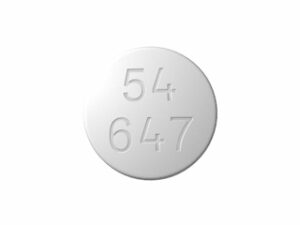
Cilostazol (Oral Tablets) — Patient Information for Australia
Cilostazol is a medicine used to improve symptoms in certain circulation problems—particularly intermittent claudication (pain or discomfort in the legs when walking due to reduced blood flow). This guide is designed to help you understand how cilostazol works, how to take it safely, and what to expect.
Please note: medicines should always be used as directed by a healthcare professional. Individual suitability depends on your health history, other medicines, and the nature of your condition.
Basic product information
- Medicine name: Cilostazol
- Common form: Oral tablets
- ATC (typical classification): Antiplatelet agent with vasodilating properties
- How it helps: Improves blood flow and reduces platelet clumping
- Availability in Australia: Availability may vary by brand and supply; many products are supplied through prescription pathways in Australia.
In some settings, cilostazol may be presented under different brand names. Your pharmacist can confirm the exact product and strength you have.
How cilostazol works (mechanism of action)
Cilostazol helps improve circulation primarily through a combination of:
- Antiplatelet effect: Cilostazol reduces platelet aggregation, helping prevent clots from forming or worsening blockages in small blood vessels.
- Vasodilation: It promotes relaxation of blood vessel walls, which can improve blood flow.
- Increased cyclic AMP (cAMP) signalling: A key step involves inhibiting phosphodiesterase (PDE) that breaks down cAMP. Higher cAMP levels contribute to both vasodilation and reduced platelet activity.
Together, these effects can increase walking distance and reduce leg pain in people with intermittent claudication. Results vary from person to person.
Typical indications (what cilostazol is used for)
The most common and established use is for:
- Intermittent claudication: Pain, cramping, or discomfort in the legs during walking due to peripheral arterial disease (PAD) (often associated with atherosclerosis).
Cilostazol may be considered in selected patients where improving walking tolerance is a priority, particularly when symptoms persist despite lifestyle measures and other appropriate treatments.
Pharmacokinetics (how the body handles cilostazol)
Pharmacokinetics describes absorption, distribution, metabolism, and elimination. Understanding this can help you take the medicine consistently and recognise effects and timing.
| Feature | What to know (general) |
|---|---|
| Absorption | Usually absorbed from the gut after oral dosing; the extent may be influenced by food. |
| Peak levels | Blood levels typically rise to a maximum after a period following the dose; exact timing can vary. |
| Distribution | Cilostazol is distributed throughout the body, including tissues involved in circulation. |
| Metabolism | Metabolised primarily in the liver (commonly via CYP enzymes such as CYP3A4 and CYP2C19). |
| Elimination | Metabolites are eliminated mainly through urine (and to a lesser extent through other routes). |
| Half-life (general) | The active levels decline over several hours; this supports regular dosing schedules. |
Because cilostazol is metabolised by liver enzymes, interactions with drugs that alter CYP activity can change cilostazol levels and its effects.
How and when to take cilostazol
Typical dosing approach
Dosing may differ based on your situation, tablet strength, and how well the medicine is tolerated. A common adult regimen is twice daily.
For many patients, the dose is adjusted or modified if side effects occur. Your clinician or pharmacist will confirm your exact dose.
Timing
- Try to take it at the same times each day to maintain consistent blood levels.
- Swallow whole with water unless your clinician advised otherwise.
- Do not double up if you miss a dose—ask a pharmacist for advice based on when you remember.
Food interactions and taking with meals
Food can affect how quickly and how much cilostazol is absorbed. To reduce variability:
- You may be advised to take cilostazol around mealtimes (for example, after breakfast and after dinner), or consistently with or without food as instructed by your healthcare professional.
- If you experience stomach upset, consider taking it with food (unless told otherwise).
The key is consistency: taking it the same way each day helps maintain more predictable effects.
Alcohol interactions
There is no single universal rule that every person must avoid alcohol completely with cilostazol, but alcohol can worsen side effects and may affect cardiovascular status in some patients.
- Headache, dizziness, and flushing can be more noticeable when alcohol is combined with medicines that affect blood flow.
- If you have a history of heart rhythm problems or fainting, it’s safer to be cautious with alcohol.
- If you choose to drink, consider keeping it moderate and avoid binge drinking.
Speak to a pharmacist if you’d like personalised advice based on your health conditions and current medications.
Medicine interactions (important)
Cilostazol can interact with other medicines, especially those that influence liver enzymes (CYP pathways) or other medicines that affect bleeding risk or heart rate.
Potential interaction categories
- CYP3A4 inhibitors (may increase cilostazol levels and side effects): Examples may include some antifungals and certain antibiotics (the exact list depends on product and dose).
- CYP2C19 inhibitors (also may increase cilostazol levels): Some proton pump inhibitors and other medicines can affect this pathway.
- Other antiplatelet or anticoagulant medicines (may increase bleeding risk): Examples include aspirin, clopidogrel, warfarin, apixaban, rivaroxaban, and others.
- Medicines that affect heart rhythm or heart rate: Cilostazol can influence cardiovascular effects; caution is needed with some agents.
- Strong enzyme inducers (may reduce cilostazol effectiveness): Some treatments for conditions such as epilepsy or tuberculosis may alter metabolism.
Practical advice
- Keep an up-to-date list of your medicines (including over-the-counter products, vitamins, and herbal supplements).
- Tell your pharmacist about all current medicines before starting cilostazol.
- If new medicines are added or stopped, ask whether your cilostazol dose/timing needs adjustment.
Because interaction details depend on the specific drugs you use, always check individually with a pharmacist.
Safety profile and precautions
Like all medicines, cilostazol can cause side effects. Many are mild and may improve after the first days to weeks, but some require prompt medical attention.
Common side effects
- Headache
- Dizziness
- Palpitations (awareness of heartbeat)
- Flushing
- Nausea or stomach discomfort
- Diarrhoea
Serious or urgent side effects
Seek urgent medical help if you experience:
- Signs of bleeding (for example, black/tarry stools, vomiting blood, unusual bruising, or prolonged bleeding)
- Severe or persistent chest pain, fainting, or marked breathlessness
- Fast, irregular heartbeat with dizziness or feeling unwell
- Allergic reactions (swelling of face/lips, rash with breathing difficulty)
Important precautions (who should be extra cautious)
- Heart failure: Cilostazol may be not suitable or should be used with caution in people with certain types of heart failure. A clinician should assess this carefully.
- Bleeding disorders or active bleeding: Increased bleeding risk may apply, especially if combined with other blood-thinning medicines.
- Liver impairment: Because cilostazol is metabolised by the liver, reduced liver function may require monitoring or dose adjustment.
- Low blood pressure or dizziness: Because vasodilation can occur, patients prone to dizziness may be more affected.
Your pharmacist can help you understand which precautions are most relevant for your medical history.
Practical use tips
- Monitor symptoms: Keep track of walking distance and leg pain episodes. Improved walking tolerance may take time.
- Use a simple routine: Choose meal times that fit your day (e.g., morning and evening) and link doses to those routines.
- Hydration and standing slowly: Dizziness can occur; stand up slowly and stay hydrated.
- Watch for bleeding: Report unusual bruising, prolonged bleeding, or blood in stool/urine promptly.
- Don’t stop abruptly without advice: If you stop, symptoms may return. Discuss changes with your pharmacist/clinician.
- Keep follow-up appointments: Your clinician may reassess how well the medicine is working and whether dose changes are needed.
Typical expectations and timing of benefit
Many people notice some improvement in exercise tolerance over time, but the exact timeline varies. Clinicians often reassess benefit after an appropriate trial period.
- Early phase: Side effects such as headache or flushing may occur first.
- Ongoing phase: Improvements in walking distance may become clearer after consistent use.
- Ongoing review: If there is little improvement, your clinician may reconsider the treatment plan.
If you experience side effects that are bothersome or persistent, ask a pharmacist about whether taking with food, timing adjustments, or supportive measures may help.
Dosing guidance (general information)
The dose should be individualised. A common adult approach involves twice daily administration. Your exact dose depends on factors such as tolerability, liver function, and interactions with other medicines.
Do not change your dose without professional advice. If you miss a dose, follow pharmacist guidance rather than trying to “catch up” with extra tablets.
Tablet strengths
Cilostazol tablets come in different strengths depending on the product. Always confirm the strength you have so you take the correct number of tablets per dose.
Alternative options for intermittent claudication (Australia)
Cilostazol is one option used to improve walking tolerance in eligible patients with intermittent claudication. Depending on the severity and cause of symptoms, other options may include:
- Supervised exercise therapy (often a core part of care).
- Smoking cessation and cardiovascular risk management.
- Antiplatelet therapy (such as aspirin or clopidogrel) where appropriate.
- Lipid-lowering medicines (e.g., statins) and blood pressure management.
- Other medicines used in peripheral arterial disease may be considered depending on individual factors.
- Procedures or revascularisation (angioplasty or bypass) for selected patients.
Your clinician can discuss which approach—or combination—fits your condition and preferences.
Market and legal context in Australia (general)
In Australia, medicines are regulated under the Therapeutic Goods Administration (TGA) framework. Whether a product is available over the counter or requires pharmacist/doctor involvement depends on the product’s registration status and scheduling.
For medicines like cilostazol, availability may depend on:
- Whether the product is registered for use in Australia
- Which conditions it is indicated for
- Whether it is supplied through standard pharmacy channels and associated prescribing requirements
- Supply availability and local brand availability
Always verify your product’s label instructions and Australian packaging for the most accurate information.
Recent guidance and updates (how to stay current)
Treatment recommendations for intermittent claudication and peripheral arterial disease can evolve as new evidence becomes available. Guidance may be updated by professional bodies and clinicians, including advice about:
- Who is most likely to benefit from cilostazol
- How to monitor effectiveness and safety
- Managing cardiovascular risk factors alongside leg symptoms
- Drug–drug interaction awareness
For the latest, check with a clinician, pharmacist, or credible Australian health resources. Your healthcare team can also confirm whether there are any specific local updates relevant to your situation.
Delivery and availability (online pharmacy considerations in Australia)
Availability and delivery options can vary depending on stock levels and supplier arrangements. Common factors include:
- Stock status: Some strengths/brands may be temporarily unavailable.
- Shipping regions: Delivery areas may vary by pharmacy courier services.
- Packaging: Medicines are supplied in approved packaging with clear labelling.
If you order online, your pharmacy may provide tracking updates and estimated delivery times. For urgent situations, contact customer support to confirm dispatch timeframes.
FAQ: Cilostazol
1) What is cilostazol used for?
Cilostazol is commonly used to improve symptoms of intermittent claudication (leg pain or discomfort when walking due to reduced blood flow). It can help increase walking distance in selected patients.
2) How long does it take to work?
Some people notice changes over weeks, while others may require longer consistent use. Your clinician may reassess benefit after an appropriate trial period.
3) Should I take cilostazol with food?
Food can affect absorption. Many patients are advised to take it consistently either with meals or at specific meal-related times. If you get nausea, taking it with food may help—ask your pharmacist for personalised guidance.
4) Can I drink alcohol while taking cilostazol?
Moderate alcohol may be acceptable for some people, but alcohol can worsen dizziness and headaches. If you’re unsure, ask a pharmacist, especially if you have heart rhythm problems, low blood pressure, or a history of fainting.
5) What medicines should I avoid with cilostazol?
Interactions can involve liver enzyme inhibitors/inducers and other medicines that affect bleeding risk or heart rhythm. Tell your pharmacist all medicines you take (including over-the-counter and herbal products) so they can check for interactions.
6) What should I do if I miss a dose?
Don’t double up. Check with your pharmacist for advice based on when you remember and your usual dosing schedule.
7) What side effects are most common?
Common side effects include headache, dizziness, flushing, palpitations, nausea, and diarrhoea. If side effects are severe or persistent, contact a healthcare professional promptly.
8) When should I seek urgent help?
Seek urgent medical advice for signs of significant bleeding, fainting, severe chest pain, marked breathlessness, or a fast/irregular heartbeat with dizziness or feeling unwell.
9) Is cilostazol suitable for everyone with leg circulation problems?
Not necessarily. Suitability depends on your overall health, the cause of symptoms, heart function, liver health, and interacting medicines. A healthcare professional can determine whether cilostazol is appropriate for you.
10) What else can help intermittent claudication besides medication?
Exercise therapy (often supervised), quitting smoking, and managing cardiovascular risk factors (such as blood pressure, cholesterol, and diabetes) are important. In some cases, procedures may be considered.
Summary
Cilostazol is a medicine used to improve symptoms of intermittent claudication by reducing platelet clumping and promoting vasodilation. When taken consistently, it may help increase walking distance for suitable patients. Because it can interact with other medicines and may cause side effects—particularly those related to circulation and bleeding risk—careful checking with a pharmacist is recommended.
If you have questions about your dose, timing, or interactions, speak to a healthcare professional or pharmacist.