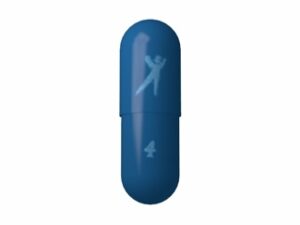
Detrol (Tolterodine) — Patient-Friendly Guide
Detrol is a medicine containing tolterodine, used to treat bladder problems caused by an overactive bladder (OAB). It works by relaxing certain bladder muscle signals, helping to reduce symptoms such as urgency, frequency, and leakage.
This guide is written for people in Australia and is designed to be easy to read. Always follow the specific instructions given by your healthcare professional and the product label.
Quick Product Information
| Item | Details |
|---|---|
| Active ingredient | Tolterodine |
| Brand name | Detrol |
| Medicine type | Antimuscarinic (anticholinergic) for overactive bladder |
| Main symptoms targeted | Urgency, increased urination frequency, urge incontinence (leakage) |
| Common forms | Usually available as immediate-release or extended-release (form may vary by product) |
| How it is taken | By mouth (frequency depends on formulation) |
| Key side effects | Dry mouth, constipation, blurred vision, dizziness, and reduced sweating |
What is Detrol used for?
Detrol is used to treat overactive bladder (OAB) symptoms, which may include:
- Urge incontinence (a sudden, intense need to urinate followed by leakage)
- Urinary frequency (needing to urinate more often than usual)
- Urinary urgency (difficulty delaying urination)
It does not treat urinary tract infections (UTIs) or blockages. If you have burning when you pee, fever, or blood in your urine, seek medical advice promptly.
How Detrol works (Mechanism of Action)
Tolterodine belongs to a group called antimuscarinics. In the bladder, the lining and muscle respond to signals from nerves through chemical “messengers.” One important messenger is acetylcholine.
Detrol helps by blocking muscarinic receptors in the bladder. This reduces involuntary bladder contractions and improves bladder control, leading to:
- Fewer sudden bladder “signals” that cause urgency
- Less frequent need to urinate
- Reduced leakage episodes
Pharmacokinetics (How the body handles the medicine)
Pharmacokinetics describes how a medicine is absorbed, distributed, metabolised, and eliminated. While exact values can vary by formulation and individual factors, the key features of tolterodine include:
- Absorption: Tolterodine is absorbed after oral dosing.
- Distribution: It spreads through the body and reaches the target tissues, including the urinary bladder.
- Metabolism: Tolterodine is metabolised in the liver, primarily by enzymes such as CYP2D6. Because of this, some people may have different exposure levels depending on liver enzyme activity.
- Excretion: The medicine and its metabolites are eliminated mainly through the kidneys.
- Half-life: The duration of action depends on the formulation and individual metabolism. Extended-release products typically last longer across the day.
If you have kidney or liver impairment, dose adjustments may be needed. Ask a pharmacist or doctor for advice tailored to you.
When will Detrol start working?
Many people notice changes within the first 1 to 2 weeks. Maximum benefit may take longer, often by around 4 to 6 weeks, depending on the person and whether the bladder symptoms are severe.
If your symptoms do not improve after this period, speak to your healthcare professional. Your dose or treatment plan may need adjustment.
Timing and how to take Detrol
Follow your product label for the exact directions for your specific formulation. Typical guidance includes:
- Take at the same time(s) each day to maintain steady medicine levels.
- Swallow whole if using an extended-release form. Do not crush or chew extended-release tablets/capsules unless the label says otherwise.
- Do not double up if you miss a dose. Take the next dose at the scheduled time.
- If you develop troublesome side effects (especially dry mouth or constipation), tell your pharmacist or doctor. They may suggest adjustments.
Food interactions (what to consider)
Food may affect tolerance and, depending on the formulation, can influence absorption timing. In general:
- Most people can take tolterodine with or without food, but follow your specific product instructions.
- If it upsets your stomach, taking it with a small meal or snack may help.
- If you have an extended-release product, keep consistent with how you take it day to day.
If you are unsure whether your product is immediate-release or extended-release, check the pack or ask your pharmacist.
Alcohol and medicine interactions
Alcohol
Alcohol can worsen side effects such as dizziness, drowsiness, and impaired coordination. While tolterodine itself is not typically classified as sedating for everyone, combining with alcohol may increase the risk of feeling light-headed or unsteady.
If you choose to drink alcohol, do so carefully and consider limiting the amount, especially when you first start Detrol.
Other medicines that may interact
Tolterodine can interact with other medicines that affect bladder function, anticholinergic effects, heart rhythm, and liver enzymes. Tell your pharmacist about all medicines you take, including:
- Other antimuscarinic/anticholinergic medicines (e.g., for incontinence, allergy, nausea, or some sleep aids)— together they may increase side effects such as dry mouth and constipation.
- Medicines that affect liver enzyme activity (especially CYP2D6 inhibitors), which may increase tolterodine exposure. Examples can include some antidepressants and other medicines; your pharmacist can check specifics.
- Medicines associated with heart rhythm changes (QT prolongation). Tolterodine may affect the heart rhythm in susceptible people. Your healthcare professional may review your risk based on your history and medicines.
- Medicines that reduce kidney/liver function or that significantly change hydration status.
Always check before starting new over-the-counter products. “Cold and flu” preparations and allergy medicines can sometimes have anticholinergic components.
How Detrol is dosed (general dosing guidance)
Dosing depends on the formulation (immediate-release vs extended-release), age, kidney function, liver function, and side effect tolerance. The below is general educational guidance; your actual prescribed dose should follow your healthcare professional’s instructions.
Typical dosing principles
- Start low and adjust: Many regimens begin with a lower dose to improve tolerance.
- Adjust for kidney or liver impairment: Dose reductions may be required.
- Monitor side effects: Dry mouth and constipation are common reasons for dose adjustment.
Common dose patterns (may vary by product)
| Formulation | How often it’s commonly taken | Notes |
|---|---|---|
| Immediate-release | Often 2 times daily | Follow pack directions; spacing helps maintain control. |
| Extended-release | Often once daily | Swallow whole and do not crush/chew. |
If you are unsure which formulation you have, check the label (e.g., “retard” or “extended-release”) or ask your pharmacist.
Safety profile and who should be cautious
Like all medicines, Detrol/tolterodine has potential side effects. Not everyone experiences them, and many are manageable with lifestyle adjustments or dose changes.
Common side effects
- Dry mouth (very common)
- Constipation or harder stools
- Blurred vision
- Dizziness or feeling light-headed
- Headache
- Reduced sweating (can affect heat tolerance)
- Fatigue
Less common but serious risks
Seek urgent medical help if you experience any of the following:
- Signs of a severe allergic reaction (swelling of face/lips, difficulty breathing, hives)
- Serious difficulty passing urine (urinary retention), especially if you have prostate enlargement or bladder outlet obstruction
- Severe constipation, abdominal pain, vomiting, or inability to pass gas (possible bowel blockage)
- Fainting, severe palpitations, or chest pain (potential heart rhythm issues)
- Confusion or extreme drowsiness (more likely in older adults or those with other risk factors)
Who needs extra caution
- People with urinary retention or significant bladder outlet obstruction
- People with gastrointestinal obstruction or severe constipation history
- People with uncontrolled narrow-angle glaucoma (tolterodine may worsen glaucoma risk)
- People with significant liver or kidney impairment
- People at higher risk of heart rhythm problems or taking interacting medicines
- Older adults, due to higher sensitivity to anticholinergic effects
Practical use tips (to help you get the best results)
Manage dry mouth
- Keep water nearby and take small sips throughout the day.
- Use sugar-free gum or lozenges to stimulate saliva.
- Consider saliva substitutes if dry mouth becomes bothersome.
- Maintain good oral hygiene and regular dental care.
Prevent constipation
- Increase dietary fibre (fruit, vegetables, whole grains).
- Stay hydrated unless you have a fluid restriction advised by your doctor.
- Maintain regular physical activity if possible.
- If constipation becomes a problem, ask your pharmacist about suitable stool softeners or gentle laxatives.
Heat and sweating
Because antimuscarinics can reduce sweating, take extra care in hot weather. Avoid prolonged strenuous activity in high heat and ensure you hydrate.
Bladder training and lifestyle steps
Medication often works better when combined with bladder-friendly habits:
- Bladder diary: Track times of urgency and leakage to identify patterns.
- Scheduled toileting: Try urinating at planned intervals, gradually increasing time between trips if advised.
- Limit bladder irritants: Some people benefit from reducing caffeine, carbonated drinks, and alcohol.
- Manage constipation: A full bowel can worsen bladder symptoms.
Alternative options for overactive bladder
There are several approaches for managing overactive bladder symptoms. Options depend on your symptoms, medical history, and tolerance of side effects.
Other medication options
- Other antimuscarinics: such as oxybutynin, solifenacin, or fesoterodine (availability may differ).
- Beta-3 agonists (a different class): e.g., mirabegron (for suitable people). These may cause different side effects than antimuscarinics.
Non-medicinal options
- Bladder training and pelvic floor physiotherapy
- Timed voiding and behavioural strategies
- Neuromodulation or specialist procedures for selected cases
If Detrol/tolterodine isn’t effective or side effects are difficult, discuss alternatives with a clinician. A switch within the same class—or to another class—may be considered.
Australia: market and legal context
In Australia, bladder medicines are supplied through established pharmacy channels. Availability and prescribing requirements can vary by product formulation and current regulatory status.
Pharmacies and healthcare providers follow national medicines governance and safety standards. When purchasing or using Detrol, ensure you buy from a reputable supplier and use the product label provided.
Recent guidance and clinical considerations
In recent years, clinical focus has included:
- Appropriate patient selection to minimise anticholinergic side effects, particularly in older adults.
- Reviewing medications for interactions that can increase risk of adverse effects.
- Considering alternative treatments when tolerability is poor, including switching agents or using different drug classes.
- Persistent symptom reassessment if there is no improvement after an adequate trial period.
Local recommendations and product information documents (for example, consumer medicine information and approved professional materials) may be updated over time—your pharmacist can confirm the most current information.
Delivery and availability in Australia
Online pharmacy availability can depend on stock and supply arrangements. Delivery times vary by location and provider. When ordering, ensure your cart includes the correct strength and formulation (immediate-release vs extended-release).
- Check packaging details: Strength, dosage form, and expiry date.
- Keep medicine safe: Store according to the label (usually at controlled room temperature away from moisture).
- Plan ahead: Allow time for delivery if you’re continuing long-term treatment.
If you have questions about whether Detrol/tolterodine is suitable for you, contact a pharmacist before placing an order.
FAQ
1) Is Detrol the same as tolterodine?
Yes. Detrol is a brand name that contains the active ingredient tolterodine. Different products may vary by release type (immediate vs extended).
2) How long do I need to take it?
Overactive bladder can be long-term. Many people use tolterodine for ongoing symptom control, but it should be reviewed periodically. If it doesn’t help or side effects are too strong, your clinician may adjust treatment.
3) What should I do if I miss a dose?
Take your next dose at the scheduled time. Do not take an extra dose to make up for a missed one. If you miss more than one dose, ask a pharmacist for advice specific to your dosing schedule.
4) Can I take Detrol with other bladder medicines?
Combining bladder medicines can increase the chance of side effects, especially anticholinergic effects. Always ask a pharmacist whether your combination is appropriate.
5) Will Detrol cure overactive bladder?
Detrol typically manages symptoms rather than curing the underlying tendency. Many people continue treatment while using bladder strategies to improve day-to-day control.
6) What should I avoid while taking Detrol?
Avoid activities that require full alertness if you feel dizzy or unsteady. Limit alcohol, and be careful in hot weather due to reduced sweating in some people. Also avoid starting new anticholinergic medications without checking with a pharmacist.
7) Are dry mouth and constipation expected?
Dry mouth is one of the most common side effects. Constipation can occur as well. Many people can manage these effects with hydration, diet changes, and oral care, but persistent or severe symptoms should be discussed with a healthcare professional.
8) Can tolterodine affect my eyes?
It may cause blurred vision in some people. If you experience eye pain, sudden vision changes, or symptoms of glaucoma, seek urgent medical advice.
9) Who should not use Detrol?
Some medical conditions require careful avoidance or close monitoring, such as urinary retention, certain bowel conditions, and uncontrolled narrow-angle glaucoma. If you have any of these, talk to a clinician or pharmacist first.
10) When should I seek urgent help?
Seek urgent medical attention for signs of allergy, inability to urinate, severe constipation with significant pain/vomiting, fainting or severe palpitations, or severe confusion/drowsiness.
Important final reminder
Detrol (tolterodine) can be effective for overactive bladder symptoms, but it must be used safely and appropriately. Always read the product label, follow your healthcare professional’s advice, and talk to a pharmacist if you have concerns about side effects, interactions, kidney/liver issues, or your current medicines.