
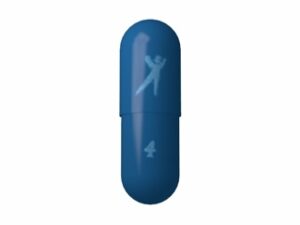

Dimenhydrinate (Oral) — Patient Information for Australia
Dimenhydrinate is an antihistamine medicine commonly used to help prevent and relieve symptoms of motion sickness, and to treat certain types of nausea and vomiting. It works by affecting the brain signals involved in balance and nausea. In Australia, dimenhydrinate is widely available through pharmacies.
This guide is designed to be patient-friendly and informative. Always follow the directions on the pack or as advised by your pharmacist. Individual needs can vary, especially for children, older adults, pregnancy, or people with existing medical conditions.
Quick Product Facts
- Active ingredient: Dimenhydrinate
- Medicine type: Antihistamine (used for nausea/motion sickness)
- Common forms: Tablets and other oral presentations (availability may vary by brand)
- Typical uses: Motion sickness; nausea and vomiting due to some conditions
- Key cautions: May cause drowsiness; avoid driving or alcohol
How Dimenhydrinate Works (Mechanism of Action)
Dimenhydrinate is part of a group of medicines that block histamine (H1) receptors in the body. It also has antiemetic (anti-nausea) effects and influences pathways in the brain involved in:
- the vomiting reflex
- balance and motion-sickness signals coming from the inner ear
- some central nervous system (CNS) activity that contributes to nausea and dizziness
By reducing signals that trigger nausea and vomiting, dimenhydrinate helps prevent symptoms when taken before a triggering event (like travel), and can also help once symptoms begin.
Pharmacokinetics (How the Body Processes It)
Pharmacokinetics describes what happens after you take a medicine—how it is absorbed, distributed, metabolised, and eliminated.
- Absorption: Dimenhydrinate is absorbed after oral dosing. Effects generally begin within about 30–60 minutes (varies by individual and formulation).
- Onset: Taking it in advance of travel or potential triggers usually improves effectiveness for motion sickness.
- Distribution: Like many antihistamines, it can cross into the central nervous system, which contributes to drowsiness.
- Metabolism: It is metabolised in the body (primarily by liver enzymes).
- Elimination: Metabolites are eliminated mainly through the kidneys and urine.
Duration of effect: The period of symptom control varies, but many dosing schedules are designed to cover several hours. If symptoms persist or worsen, seek advice rather than taking extra doses.
Typical Uses and Indications
Dimenhydrinate is commonly used for:
- Prevention and treatment of motion sickness (including travel by car, boat, train, or plane)
- Nausea and vomiting associated with certain conditions (as directed on the product label)
Whether you can use dimenhydrinate depends on the cause of symptoms and your personal health history. If nausea/vomiting is severe, persistent, or accompanied by dehydration, severe abdominal pain, or fever, prompt medical assessment may be needed.
When to Take It (Timing)
For motion sickness:
- Take dimenhydrinate about 30–60 minutes before travel.
- If you know you are prone to motion sickness, starting early gives your body time to reach effective levels.
If symptoms have already started:
- You can still take it, but prevention is generally more effective than “rescue” dosing.
- Allow time for onset (often 30–60 minutes) and avoid additional doses too quickly.
Do not exceed the labelled dose: Overuse increases the risk of side effects such as drowsiness, dry mouth, constipation, and confusion—especially in children and older adults.
Food Interactions
Dimenhydrinate may be taken with or without food, depending on product instructions. Food may influence comfort (for example, nausea may be reduced by taking with a small snack), but it is not typically a major interaction.
Practical approach:
- If you get stomach upset from tablets, consider taking with food or after a light snack.
- Avoid very large, heavy meals right before travel if you have motion sickness—these can worsen nausea for some people.
If you have specific dietary restrictions or a sensitive stomach, ask your pharmacist which timing is most suitable for your brand and dose.
Alcohol and Medicine Interactions
Alcohol
Dimenhydrinate can cause drowsiness and impair reaction time. Alcohol can intensify these effects.
- Avoid alcohol while taking dimenhydrinate.
- Even small amounts may increase dizziness and sedation, increasing risk of falls or accidents.
Other medicines
Dimenhydrinate may interact with medicines that also affect the brain or breathing, or with drugs that cause constipation or dry mouth.
Tell your pharmacist or doctor if you take:
- Sedatives, sleeping tablets, opioids, or other antihistamines
- Medicines for anxiety or muscle relaxation
- Some antidepressants (especially those with anticholinergic effects)
- Anticholinergic medicines (may worsen dry mouth, constipation, blurred vision, urinary retention)
- Medicines that can affect heart rhythm (seek advice if you have known heart issues)
Key safety principle: Avoid “stacking” sedating products (for example, multiple antihistamines for allergy/sleep). Always check labels for duplicate ingredients.
Dosing (General Guidance)
Dosing depends on the brand formulation and the patient’s age. Follow the dose stated on the packaging or your pharmacist’s instructions.
| Patient group | Typical dosing approach | Notes |
|---|---|---|
| Adults and older adolescents | Follow label directions for your specific product strength. | Motion sickness is usually managed by taking the dose 30–60 minutes before travel. |
| Children | Only use according to the product’s age-based dosing on the pack or pharmacist advice. | Do not exceed the maximum daily dose. Children can be more sensitive to sedation. |
| Older adults | Often require extra caution; use the smallest effective dose per label. | Higher risk of dizziness, falls, and confusion—ask your pharmacist if you are unsure. |
Important: If you are unsure about the correct dose for your age or brand, consult your pharmacist. Dosing instructions may differ between products and strengths.
Safety Profile and Side Effects
Most people tolerate dimenhydrinate well when used as directed, but side effects can occur. Many side effects relate to its antihistamine and calming (sedating) effects.
Common side effects
- Drowsiness or sedation
- Dizziness
- Dry mouth
- Blurred vision
- Constipation or stomach discomfort
- Headache
- Urinary retention (more likely in people with prostate enlargement)
Less common but serious warning signs
Seek urgent medical help if you notice symptoms that could indicate a severe reaction. Examples include:
- Signs of allergy (swelling of face/lips, rash, breathing difficulty)
- Severe confusion, agitation, or hallucinations (more likely in children or older adults)
- Fainting or severe dizziness
- Fast, irregular heartbeat or chest pain
Special cautions
- Driving and machinery: Avoid if you feel sleepy or dizzy.
- Children: Use extra caution—sedation and paradoxical excitation (restlessness) can occur.
- Older adults: Increased sensitivity to side effects; higher risk of falls.
- Glaucoma (narrow-angle): antihistamines may worsen symptoms.
- Urinary problems (e.g., enlarged prostate): may cause difficulty urinating.
- Severe liver impairment: seek pharmacist advice before use.
If side effects are troublesome, stop using and speak with a pharmacist about alternatives.
Practical Use Tips (Getting the Best Results)
- Take it early for travel: For motion sickness, timing before departure is key.
- Start with a test dose (optional): If you haven’t used dimenhydrinate before, trial it at home to understand how it affects you (especially for sedation).
- Hydrate: Nausea can contribute to dehydration. Sip water or oral rehydration solutions if needed.
- Position matters: Sit where motion is least felt (e.g., front seat in cars; middle cabin on boats).
- Limit additional sedating products: Avoid combining with other sedatives or “night” cold/flu products that may contain antihistamines.
- Keep it out of reach of children: Accidental overdose risk is serious.
Alternative Options for Motion Sickness and Nausea
Depending on your situation, a pharmacist may suggest alternatives. Some options include:
- Non-medication approaches: strategies like looking at the horizon, ventilation, fresh air, and choosing the least motion-sensitive seat.
- Other anti-nausea medicines: some antihistamines or antiemetic options may be used for motion-related symptoms, depending on local availability and suitability.
- Ginger: for some people, ginger products may help mild nausea (evidence varies by product and dose).
- Prescription-strength antiemetics: may be considered for specific causes of nausea/vomiting under clinical guidance.
Your pharmacist can help you decide what’s most appropriate by considering age, medical history, other medicines, and the reason for symptoms.
Market and Legal Context in Australia
In Australia, many antihistamines used for motion sickness are available over the counter through pharmacies, while product access and labels may vary. Regulations and schedules can change, so always rely on the exact product packaging and advice from a healthcare professional.
Pharmacist involvement matters: Even when medicines are available without a prescription, a pharmacist can help you check suitability—particularly for children, pregnancy/breastfeeding considerations, and people taking other medicines.
Product labelling: Australian medicine packs provide details on dosage, age restrictions, warnings, and maximum daily intake. Follow these instructions.
Recent Guidance and Advisories (Australia)
Ongoing medicine-safety guidance in Australia commonly emphasises:
- Minimising duplicate antihistamine use (for example, combining allergy and cold/flu “night” products)
- Ensuring correct dosing for children based on age and product strength
- Avoiding alcohol and not driving if drowsy
- Reviewing sedation risk in older adults and people with comorbidities
Because guidance can be updated, it’s wise to check the label and consult a pharmacist if you are unsure—especially for repeat use or long travel.
Delivery and Availability (Online Pharmacy)
Dimenhydrinate is typically available through Australian pharmacies and online pharmacy services. Availability and pack sizes may vary by brand.
- Order processing: Most online pharmacy platforms process orders during business hours.
- Delivery: Delivery options generally include standard and express shipping depending on your location.
- Stock changes: If a brand is temporarily unavailable, you may be offered an alternative equivalent product (depending on stock and eligibility).
- Packaging: Medicines are shipped in original packaging with clear dosing information.
If you need the medicine for a specific travel date, consider ordering in advance to account for shipping times.
FAQ: Dimenhydrinate
1) Is dimenhydrinate used only for motion sickness?
It is commonly used for motion sickness, and it may also be used to help with nausea and vomiting related to certain conditions. Always check the indications on your specific product label.
2) How quickly does it work?
Many people notice effects within 30–60 minutes. For motion sickness, taking it before travel usually provides better protection.
3) Can I take dimenhydrinate with food?
Often yes. Taking it with a small snack may improve comfort, but follow the directions on the pack. Avoid very heavy meals right before travel if you feel nauseated.
4) Will it make me sleepy?
Yes, it can. Drowsiness is a common effect. Do not drive or operate machinery if you feel sleepy or dizzy.
5) Can I drink alcohol while taking dimenhydrinate?
No—alcohol can worsen drowsiness and dizziness. It’s best to avoid alcohol while using dimenhydrinate.
6) Can children take dimenhydrinate?
It may be used in children, but only according to the age-based dose on the label or directions from a pharmacist. Children can be more sensitive to side effects, including sedation or restlessness.
7) What if I miss a dose?
If you’re using it for planned travel and you already missed the timing, take it according to label instructions once you’re considering travel (but avoid doubling doses). If symptoms persist, consult your pharmacist for advice.
8) What should I do if I experience side effects?
Stop taking it and seek pharmacist advice if side effects are significant. If you have severe symptoms (such as breathing difficulty, severe confusion, or fainting), seek urgent medical help.
9) Can I take dimenhydrinate with allergy tablets or cold/flu medicines?
Be cautious. Many cold/flu and allergy products also contain antihistamines. Combining them can increase side effects. Check ingredient lists and ask your pharmacist if unsure.
10) When should I seek medical advice for nausea/vomiting?
Seek medical advice urgently if nausea/vomiting is severe, persistent, or associated with signs of dehydration, severe abdominal pain, blood in vomit, black/tarry stools, chest pain, severe headache, or high fever.
Summary
Dimenhydrinate is an antihistamine medicine used for motion sickness and certain types of nausea and vomiting. It works by reducing signals involved in balance and the vomiting reflex. When used correctly—especially 30–60 minutes before travel—it can help prevent uncomfortable symptoms. Because it may cause drowsiness, alcohol should be avoided and driving should be avoided if you feel sleepy or dizzy. Always follow the labelled dose for your age and brand, and speak with a pharmacist if you have any medical conditions or take other medicines.