
Urispas (Flavoxate Hydrochloride) – Patient Guide
Urispas is a medicine used to relieve uncomfortable urinary bladder symptoms, particularly those related to bladder spasms and irritability. It contains flavoxate hydrochloride and is commonly used for conditions such as overactive bladder-type symptoms and bladder spasm.
This guide explains how Urispas works, how it is used, important safety information, and practical tips to help you get the most from your treatment. It is written for general information and is not a substitute for advice from a healthcare professional.
At a glance
- Active ingredient: Flavoxate hydrochloride (flavoxate)
- Common purpose: Relieves bladder spasm and related urinary urgency/frequency
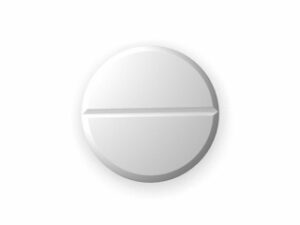
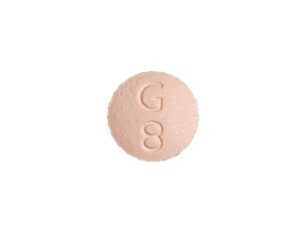
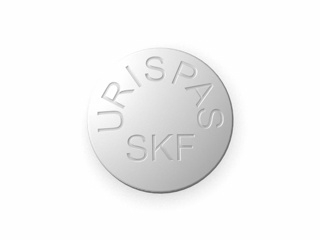
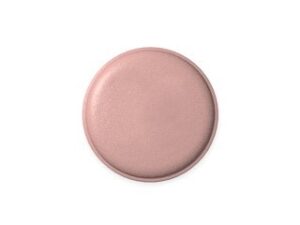
- Form: Oral tablets (strengths may vary by brand/pack)
- When it’s usually taken: Typically a few times daily, as directed on the label or by your clinician
- Key cautions: Avoid alcohol if it makes you feel drowsy or worsens symptoms; tell your pharmacist about all medicines
Basic product information
| Item | Details |
|---|---|
| Brand | Urispas |
| Active ingredient | Flavoxate hydrochloride |
| Medicine type | Antispasmodic / bladder antispasmodic |
| Target area | Urinary bladder (smooth muscle) and urinary tract symptoms |
| Route of administration | Oral |
| Typical duration | Short to medium-term symptom control, depending on cause |
How Urispas works (mechanism of action)
Urispas contains flavoxate, which helps relieve symptoms caused by bladder spasm and irritability. In simple terms, it aims to calm the overactive contractions of the bladder muscles so you can have better control of urges and reduce discomfort such as:
- Sudden urgency to urinate
- Frequent urination
- Cramping or spasm-like discomfort in the bladder area
By targeting bladder smooth muscle activity, flavoxate can reduce the strain that comes with spasmodic bladder contractions. However, it’s important to remember that not all urinary symptoms are due to bladder spasm. For example, a urinary tract infection (UTI), kidney stone, or inflammation may require different treatment.
What it’s used for (indications)
Urispas is used for symptomatic relief of urinary bladder conditions, especially when symptoms are thought to be related to bladder spasm or overactivity.
Common reasons a healthcare professional may recommend flavoxate include:
- Bladder spasm and associated discomfort
- Urinary frequency (passing urine more often than usual)
- Urinary urgency (a sudden need to urinate)
- Overactive bladder-type symptoms where spasm/irritability is suspected
- Functional urinary complaints that are not primarily driven by infection
If you have symptoms like burning when urinating, fever, back/flank pain, or blood in urine, seek medical advice promptly. Those signs may indicate a UTI or other condition where symptom-relieving medicines alone may not be appropriate.
Pharmacokinetics (how the body handles flavoxate)
Pharmacokinetics describes what happens after you swallow the tablet: absorption, distribution, metabolism, and excretion. Exact values can vary by individual factors, but the overall process is described below.
- Absorption: Flavoxate is absorbed after oral administration.
- Distribution: It reaches tissues involved in urinary tract function.
- Metabolism: Flavoxate is metabolised in the body.
- Excretion: Metabolites are excreted primarily via the kidneys (urine).
Because the medicine is handled through normal bodily pathways, people with significant kidney or liver impairment may require extra caution. If you have kidney disease, ask your pharmacist or doctor for guidance before using Urispas.
Typical dosing and timing
The right dose depends on your age, the strength of the tablets, and your medical situation. Always follow the directions on the package or given by your healthcare professional.
Typical adult dosing (general guidance):
- Urispas is usually taken two to three times daily, depending on the prescribed regimen and tablet strength.
- Try to take each dose at roughly even intervals to maintain steadier symptom control.
How to take it:
- Swallow tablets with water.
- You may take Urispas with or without food (see food interactions below for more details).
- If you miss a dose, take it when you remember unless it’s close to the next dose—do not double.
If symptoms don’t improve or worsen within a short period, don’t keep taking it “just in case.” Consider that the underlying cause may be different and may need assessment.
Food interactions
In general, Urispas can be taken with or without food. Food is not usually expected to significantly alter its intended effect.
Still, practical considerations can help:
- If you experience nausea or stomach upset, taking it after food may improve comfort.
- Keep hydration consistent. Adequate fluid intake supports healthy bladder function, but avoid excessive intake that increases frequency of urination.
For the most accurate advice, check the consumer medicine information (CMI) supplied with the product you receive.
Alcohol and medicine interactions
Alcohol may worsen urinary symptoms for some people and can also increase side effects such as dizziness or drowsiness. While flavoxate is not the same as many sedating medicines, it’s sensible to be cautious.
- Limit alcohol while taking Urispas, especially if you notice more urgency, discomfort, or light-headedness.
- Watch for additive effects if you take other medicines that affect the nervous system (for example, some sleep aids, sedatives, or antihistamines).
Also consider other medicines you use:
- Tell your pharmacist about all current medicines, including prescription medicines, non-prescription products, vitamins, herbal remedies, and supplements.
- Particularly mention other drugs that act on the bladder, urinary tract, or cause anticholinergic-like effects.
If you’re unsure about specific interactions, ask a pharmacist. They can check your medicine list against known interaction risks.
Practical use tips (getting the best results)
- Keep a symptom diary: Note urgency episodes, frequency, discomfort, and fluid intake. This helps identify triggers and whether the medicine is helping.
- Don’t ignore red flags: If you develop fever, severe pain, blood in urine, or burning that’s getting worse, seek medical advice promptly.
- Hydrate sensibly: Aim for regular fluid intake through the day. Avoid “chugging” water at night, which may worsen frequency.
- Bladder habits: Timed voiding and avoiding bladder irritants (excess caffeine and carbonated drinks) can complement treatment.
- Use consistently: Bladder spasm medicines work best when taken as directed rather than only when symptoms flare.
Safety profile and side effects
Like all medicines, Urispas may cause side effects. Many are mild, but some require medical attention.
Common or mild side effects
- Gastrointestinal upset (e.g., nausea, stomach discomfort)
- Headache
- Dizziness in some people
- Dry mouth or mild changes in comfort
Serious side effects (seek urgent help if they occur)
- Allergic reaction such as swelling of the face/lips, rash, wheezing, or difficulty breathing
- Severe or persistent dizziness or fainting
- New/worsening urinary symptoms with fever, severe pain, or blood in urine
If you think you may be having an allergic reaction, stop taking the medicine and seek urgent medical assistance.
Who should be extra cautious
- People with kidney impairment: Because metabolites are excreted in urine, dose suitability may need review.
- People with liver impairment: Metabolism may be altered.
- Older adults: Bladder symptoms can have multiple causes; check suitability and monitor response.
- Pregnancy and breastfeeding: Ask a pharmacist or doctor for advice before use.
- Children: Use only if specifically advised for the child’s age and condition.
Missed dose and overdose information
If you miss a dose:
- Take it when you remember unless it is close to your next dose.
- Do not take an extra dose to “catch up.”
If you take too much (overdose):
- Seek urgent medical advice or contact a poisons service.
- Keep the medicine pack with you so healthcare professionals know what was taken.
When to seek medical advice
Contact a healthcare professional urgently if you have any of the following:
- Fever, chills, or feeling generally unwell
- Back or side (flank) pain
- Blood in urine
- Severe pain when passing urine
- Symptoms that do not improve after a short trial or that rapidly worsen
These signs may indicate a UTI, kidney involvement, stones, or other conditions that may need different treatment.
Alternative options (if Urispas isn’t suitable)
Depending on the underlying cause of your bladder symptoms, alternatives may include:
Non-medicine approaches
- Bladder training (timed voiding, urge suppression techniques)
- Pelvic floor exercises (especially for stress/urgency symptoms)
- Reducing bladder irritants such as caffeine, alcohol, and some carbonated drinks
- Fluid management (spread fluids through the day; reduce late evening intake)
Other medicines
Your pharmacist or doctor may consider other treatments depending on whether symptoms are due to overactive bladder, infection, prostate issues, or other causes. Examples in general categories include:
- Overactive bladder medicines (varies by country and availability)
- Antibiotics if a UTI is diagnosed
- Medicines for enlarged prostate in appropriate male patients
Because the most suitable option depends on the cause, it’s important not to assume that all urgency/frequency is the same.
Market and legal context for Australia
In Australia, medicines are regulated through the Australian regulatory framework. Availability, labelling, and pharmacy access can vary depending on the product’s classification and local supply arrangements.
Some bladder symptom medicines may be available through pharmacies, while others may require clinician involvement depending on the formulation and indications. Always check the product page for the current listing details, including whether it is available via pharmacy supply and the expected dispensing requirements.
Product information included in the consumer medicines literature (such as the CMI) is an essential source of details about ingredients, dosing, precautions, and side effects.
Recent guidance and ongoing precautions
Bladder symptoms (urgency and frequency) are common and can have multiple causes, including infection, medication effects, bladder inflammation, or functional overactivity. Current best practice focuses on:
- Identifying red flags that suggest infection or a more serious condition
- Avoiding reliance on symptom relief alone when the cause hasn’t been assessed
- Monitoring response to ensure the medicine is effective and well tolerated
- Reviewing the broader medicine list, as some medicines can worsen urinary symptoms
- Using non-drug strategies alongside medicine where appropriate
If your symptoms persist or recur frequently, ask your pharmacist or doctor for a structured plan. This can include urine testing when appropriate and discussion of lifestyle factors and bladder training.
Delivery and availability (Australia)
Urispas may be available through online pharmacies in Australia, subject to product listing, stock availability, and relevant regulatory requirements. Typical delivery information you can expect on an online pharmacy site includes:
- Availability: Shown on the product page (in stock / backorder where applicable)
- Delivery options: Standard and express delivery may be offered
- Dispatch time: Often depends on order cut-off times and stock location
- Tracking: Many deliveries include tracking updates
- Cold chain: Usually not required for tablets (unless specified otherwise by the supplier)
Delivery times can vary by location. Before placing your order, confirm the expected delivery window in your cart or at checkout.
FAQ
1. What is Urispas used for?
Urispas (flavoxate) is used to help relieve urinary bladder symptoms linked with bladder spasm or irritability, such as urinary urgency and frequency. It provides symptom relief and is not a cure for every cause of urinary complaints.
2. How quickly will I feel better?
Some people notice improvement after taking doses regularly for a short period. Response time can vary depending on the underlying cause (for example, bladder spasm versus infection). If you don’t notice any benefit within a reasonable timeframe, speak with a pharmacist or clinician.
3. Can I take Urispas with food?
Yes, Urispas can generally be taken with or without food. If you experience stomach upset, taking it after meals may help.
4. Is Urispas safe for long-term use?
Urispas is typically used for symptom control for a period recommended by your healthcare professional. If your symptoms continue, it’s important to reassess the cause rather than extending use indefinitely without review.
5. What should I do if I think I have a UTI?
If you have burning when urinating, fever, back pain, or worsening discomfort, seek medical advice promptly. Urispas may relieve spasm-related symptoms, but a UTI needs proper assessment and treatment when indicated.
6. Can I drink alcohol while taking Urispas?
It’s best to limit alcohol while you’re using Urispas, as alcohol may worsen urinary symptoms or increase dizziness in some people. If you notice symptoms worsen after drinking, avoid alcohol.
7. Can other medicines interact with Urispas?
Potential interactions depend on your personal medicine list. Tell your pharmacist about all medicines and supplements you take, including non-prescription products. They can advise on suitability and any precautions.
8. What side effects might I experience?
Mild effects such as nausea, headache, dizziness, or dry mouth may occur in some people. Seek urgent advice for signs of a serious allergic reaction or for severe/persistent symptoms.
9. Should I stop taking Urispas if my symptoms improve?
Follow the dosing plan provided to you. If symptoms improve, you should still confirm with your pharmacist or clinician when to stop or whether you should continue briefly, especially if symptoms are likely to recur.
10. Who shouldn’t use Urispas without checking first?
If you are pregnant or breastfeeding, have significant kidney or liver disease, or are giving the medicine to a child, check first with a pharmacist or doctor for the most appropriate advice.
Summary
Urispas (flavoxate hydrochloride) is a bladder antispasmodic medicine used to relieve urinary urgency, frequency, and discomfort linked with bladder spasm and irritability. For best results, take it according to the recommended schedule, use sensible hydration, and monitor your symptoms. If you experience signs of infection or symptoms persist without improvement, seek medical advice.