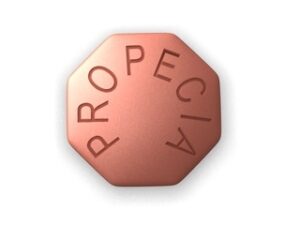
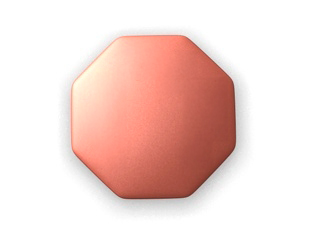

Propecia (Finasteride) — Patient-Friendly Guide (Australia)
Propecia contains finasteride, a medicine used to treat specific hair loss conditions and, in some cases, to support management of urinary symptoms related to an enlarged prostate. This guide is written to help you understand how finasteride works, how it’s typically taken, what to expect, and what safety considerations matter.
Please note: hair loss and prostate conditions can have many causes. Always follow the advice of your healthcare professional and read the product information available from your local pharmacy or packaging.
Key Product Information
| Category | Details |
|---|---|
| Brand name | Propecia |
| Active ingredient | Finasteride |
| Common strength | 1 mg tablets (for male pattern hair loss) |
| How it works | Reduces conversion of testosterone to dihydrotestosterone (DHT) |
| Main uses (typical) | Male pattern hair loss; sometimes part of broader DHT-related management |
| Typical dosing schedule | Once daily |
What Is Finasteride?
Finasteride is a medicine that targets a specific hormone pathway. It belongs to a group called 5-alpha-reductase inhibitors. In simple terms, it helps reduce the amount of a hormone called DHT (dihydrotestosterone) that contributes to hair follicle shrinkage in male pattern hair loss.
Mechanism of Action (How Propecia Works)
In men, testosterone can be converted into DHT by an enzyme known as 5-alpha-reductase. DHT plays an important role in:
- Miniaturisation of hair follicles in androgen-dependent (male pattern) hair loss
- Progressive thinning at the crown and/or hairline over time
Finasteride inhibits the enzyme responsible for DHT production, which can lead to:
- Increased hair thickness and density in some men
- Slowing of further hair loss
- Potential improvement in how hair grows over months
Pharmacokinetics (Absorption, Distribution, Metabolism, Excretion)
Understanding how your body handles finasteride can help set realistic expectations for timing and consistency. While individual responses vary, the general pharmacokinetic profile includes:
- Absorption: Finasteride is absorbed after oral administration and reaches effective levels in the body.
- Distribution: It circulates throughout the body and exerts its effect by reducing DHT production.
- Metabolism: Finasteride is metabolised mainly in the liver.
- Elimination: The drug and its metabolites are cleared from the body over time.
- Half-life: Finasteride has a relatively long half-life, which supports once-daily dosing.
Importantly, the effect on DHT happens within days, but visible hair changes usually take much longer.
Typical Use and Indications
Propecia (finasteride 1 mg) is widely used for:
- Male pattern hair loss (androgenetic alopecia) in men. It is intended to treat the progressive thinning often seen at the vertex (crown) and/or frontal hairline.
Some other finasteride products with different strengths are used for other conditions (such as enlarged prostate). Your pharmacist or healthcare professional can clarify which product is appropriate for your situation.
How and When to Take Propecia
Typical Dosing Schedule
Finasteride is commonly taken as a once-daily tablet for male pattern hair loss.
Use the exact dose and instructions provided for your product. Do not adjust your dose unless your clinician advises it.
Timing: When Results May Appear
Hair growth cycles are slow. A typical timeline:
- First weeks: DHT levels fall; you may not notice visible changes.
- 3–6 months: Some men notice reduced shedding or early signs of improved thickness.
- 6–12 months: More noticeable changes may occur in density and coverage.
- After 12 months: The maximum benefit for some individuals may be assessed over longer periods.
If you stop taking finasteride, the hair benefits generally diminish over time. Continued use is often required to maintain results.
Can You Take Propecia With Food?
Finasteride can generally be taken with or without food. Many people find taking it at a consistent time each day improves adherence.
If you experience stomach upset, try taking it with a meal (unless your local product information suggests otherwise).
Alcohol and Medicine Interactions
Alcohol
Moderate alcohol use is not usually associated with direct interactions with finasteride. However, alcohol can affect general health and may worsen certain conditions (such as sleep, stress, liver health, or adherence).
If you drink regularly or have liver concerns, ask a clinician or pharmacist for personalised advice.
Other Medicines
Finasteride has specific metabolic pathways, so interactions can occasionally occur. Tell your pharmacist or healthcare professional about all medicines and supplements you use, including:
- Prescription medicines
- Over-the-counter medicines
- Herbal products and supplements
- Any hormonal treatments
In practice, many common medicines can be used alongside finasteride, but it’s important to check because individual combinations and liver metabolism can matter.
If you start any new medicine, it’s a good idea to verify compatibility with your pharmacist.
Safety Profile: What You Should Know
Like all medicines, finasteride can cause side effects. Many people tolerate it well, but you should be aware of potential risks, monitor for symptoms, and seek advice if anything concerns you.
Commonly Reported Side Effects
- Reduced libido
- Changes in sexual function
- Reduced volume of ejaculation
- Breast tenderness or breast enlargement (less common)
- Occasionally: mood changes (any new mental health symptoms should be discussed promptly)
Serious or Concerning Reactions
Seek urgent medical advice if you experience symptoms such as:
- Signs of an allergic reaction (e.g., swelling of the face/lips, rash, difficulty breathing)
- Severe or persistent breast changes, nipple discharge, or lumps
- Depressed mood, suicidal thoughts, or significant mental health changes
- Severe persistent pain or testicular symptoms
Pregnancy and Handling Tablets (Very Important)
Finasteride can be harmful to an unborn baby, particularly male foetuses. For this reason:
- Women who are or may become pregnant should not handle crushed or broken tablets.
- Do not crush or split tablets unless your product information specifically allows it.
- Keep tablets out of reach of children and stored safely.
If a tablet is accidentally crushed or broken, follow your pharmacist’s advice on safe handling and disposal.
Practical Use Tips (Maximise Benefit and Reduce Troubles)
- Take it every day: consistency matters more than timing on the clock.
- Use the same time: helps you remember and maintains steady daily dosing.
- Give it time: do not judge results after only a few weeks.
- Track progress: consider monthly photos under similar lighting and angles.
- Expect variability: some men respond well; others experience limited benefit.
- Review side effects early: if sexual side effects, mood changes, or breast symptoms occur, discuss them promptly with a clinician. Do not ignore new persistent symptoms.
- Don’t share medication: finasteride is a specific treatment for particular indications.
Alternative Options for Male Pattern Hair Loss
If Propecia isn’t suitable for you (or if you want additional strategies), there are several alternatives that may be considered. Your pharmacist or healthcare professional can help you weigh benefits and risks.
Other Medicines
- Minoxidil (topical or oral where appropriate): commonly used to stimulate hair growth and improve density.
- Combination approaches: some people use finasteride with minoxidil for complementary effects. (A clinician can advise whether this is appropriate for you.)
Non-Medicine Options
- Low-level laser therapy (LLLT): available devices may help some individuals.
- Hair transplantation: surgical option for selected candidates.
- Scalp care and grooming: gentle hair care cannot stop genetic miniaturisation, but can improve scalp health.
- Camouflage options: styling, fibres, or cosmetic solutions can support confidence while treatment takes effect.
If you’re exploring alternatives, discuss your hair-loss pattern, family history, timing, and any existing conditions to choose the safest approach.
Market and Legal Context in Australia (General Overview)
In Australia, medicines are regulated through the national medicines framework, and access to treatments depends on classification, indication, and local prescribing requirements.
When purchasing online, reputable pharmacies will generally verify your details and may require healthcare assessment consistent with Australian regulatory processes for the specific product and use.
Availability can vary by supplier, stock levels, and the product strength. Always confirm that the medicine matches the intended use and that the correct dose is supplied.
Recent Guidance and Ongoing Monitoring
Ongoing clinical guidance emphasises:
- Appropriate patient selection for the intended indication
- Informed consent about possible side effects, including sexual side effects
- Monitoring and reassessment of benefit versus side effects after an adequate trial period (often around 6–12 months for visible hair outcomes)
- Awareness of mental health changes and timely discussion with a clinician if symptoms arise
If you have a history of depression, anxiety, or other mental health conditions, it’s especially important to discuss this before starting treatment and to seek advice early if symptoms change.
Delivery, Availability, and Ordering Online
Availability for Propecia may depend on the current supply in Australia and the chosen online pharmacy. Many online pharmacies offer:
- Secure ordering through an online checkout process
- Home delivery to eligible areas
- Discreet packaging for privacy
- Tracking in some cases
- Pharmacist support for questions about use and safety
Delivery times vary by location and dispatch schedules. If you need your medicine urgently, contact the pharmacy to confirm stock and delivery estimates.
How to Store Propecia
- Store tablets in their original packaging.
- Keep out of reach of children.
- Store at the recommended temperature range on the product label (commonly “below 30°C” or similar, depending on packaging).
- Protect from moisture and excessive heat.
FAQ — Propecia (Finasteride) for Men With Hair Loss
1) How quickly does Propecia start working?
Finasteride begins reducing DHT relatively quickly—often within days. However, hair growth is slow, so visible changes typically take several months. Many men assess results after 6–12 months.
2) Will I lose hair before it improves?
Some people notice increased shedding early on. This can be part of the hair cycle. If shedding persists or worsens, discuss it with a clinician to ensure the treatment approach remains suitable.
3) Can I take Propecia with food?
Yes. Finasteride is generally taken with or without food. Choose a routine that helps you remember it daily.
4) What happens if I miss a dose?
If you miss a dose, take it when you remember unless it is close to the next dose. Do not take a double dose. If you’re unsure, ask your pharmacist.
5) Is Propecia the same as finasteride for prostate symptoms?
It depends on the product strength. Different strengths of finasteride may be used for different conditions. Propecia is commonly associated with 1 mg for male pattern hair loss, while other strengths may be used for prostate-related treatment. Confirm the exact product you’re receiving.
6) Can women take Propecia?
Propecia is intended for men with male pattern hair loss. Due to risks to an unborn foetus, women who are or may become pregnant should not handle crushed or broken tablets. If a woman is considering finasteride, they should seek medical advice.
7) Will Propecia affect fertility?
Fertility effects are not fully predictable for every individual. If you’re trying to conceive or have concerns, discuss them with your healthcare professional before starting treatment.
8) What side effects should I watch for?
Sexual side effects (such as reduced libido or changes in sexual function) are among the most discussed potential effects. Breast tenderness/enlargement can also occur. Mood changes and signs of allergy require prompt medical attention.
9) Can I drink alcohol while using Propecia?
Moderate alcohol use is typically not directly known to interact with finasteride, but individual factors matter. If you have liver disease or drink heavily, speak with a clinician or pharmacist.
10) Is it safe to combine Propecia with other hair treatments?
Sometimes finasteride is used alongside other hair-loss treatments (for example, minoxidil). Combination strategies should be discussed with a healthcare professional to ensure suitability and correct use.
11) How do I know if Propecia is working for me?
Look for improvements in thickness and reduced shedding over time. Taking consistent photos and reviewing after 6–12 months can help you and your clinician assess response.
12) What should I do if I develop concerning symptoms?
Stop and seek medical advice promptly for serious reactions or if symptoms significantly affect your wellbeing. For ongoing side effects, contact a clinician or pharmacist—do not simply continue without discussion.
Summary
Propecia (finasteride) works by reducing DHT, a hormone involved in male pattern hair loss. It is typically taken once daily, and results usually become more apparent over several months. Many men tolerate it well, but potential side effects—including sexual side effects and rare breast-related symptoms—should be considered. If you’re unsure whether Propecia is right for you, discuss your medical history, current medicines, and expectations with a qualified healthcare professional.
Disclaimer: This information is provided for general guidance and does not replace professional medical advice. Always consult your healthcare professional for personalised recommendations based on your health circumstances.