
Rogaine (Minoxidil) – Patient-Friendly Guide (Australia)
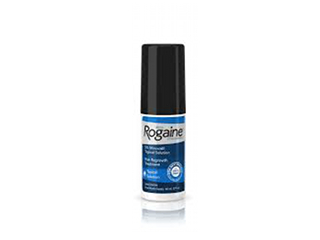
Rogaine is a brand of minoxidil, a well-known medicine used to support hair regrowth in certain types of hair loss. In Australia, Rogaine is commonly available as a topical solution or topical foam for use on the scalp. Many people choose Rogaine because it’s easy to apply at home and has been used for decades worldwide.
This guide explains how Rogaine works, how to use it safely and effectively, what timing to expect, possible side effects, and practical tips to improve results. It also covers interactions (including with alcohol and other medicines), safety information, alternative options, and the current market/legal context in Australia.
1) Basic product information
Medicine name: Rogaine (minoxidil)
Common forms: Topical solution or topical foam (for scalp use)
Where it’s used: Scalp for androgenetic alopecia (pattern hair loss)
Who it’s for: Adults with suitable hair thinning patterns (as directed on the product label or by a pharmacist)
Note: Different countries use different brand strengths and formulations. Always check the exact product you purchase in Australia for the concentration and directions.
2) What is minoxidil and how does it work?
Minoxidil is a medicine that can help hair follicles shift from a “resting” phase into a more active growth phase. In simple terms, it may:
- Increase the size and activity of hair follicles
- Prolong the growth phase of hair follicles
- Improve hair shaft thickness in some people
Minoxidil’s exact pathway in hair growth is complex, but the key effect is related to changes in blood flow around the follicle and signals within skin cells. This supports hair regrowth and helps slow further thinning in some users.
Important: Rogaine does not “cure” the underlying tendency to develop androgenetic alopecia. Hair improvement typically depends on ongoing use.
3) Indications: what Rogaine is used for
In Australia, topical minoxidil products under the Rogaine brand are used for:
- Androgenetic alopecia (male pattern or female pattern hair loss), to support hair regrowth and reduce further thinning in appropriate patients
It is usually most effective for people with:
- More recent onset of thinning
- Less advanced hair loss
- Hair loss limited to the top/scalp areas typical of pattern thinning
Not typically used for: sudden patchy hair loss (alopecia areata), scalp hair loss from infections, or hair loss due to nutritional deficiencies unless these causes are addressed.
4) How Rogaine is used: dosing and timing
Typical dosing (scalp)
Always follow the dosing instructions on your specific Australian product label. Common directions for topical minoxidil include:
- Solution: often applied twice daily or as instructed
- Foam: often applied once daily or as instructed
General adult approach:
- Apply only to the scalp (hair-bearing areas) affected by thinning.
- Use the measured amount recommended for your formulation.
- Apply to dry scalp unless the label specifically advises otherwise.
- Wash hands after application.
How much to apply: The right amount depends on the concentration and whether you use solution or foam. Do not exceed the recommended dose to “speed up” results.
When to expect results
Hair growth is slow, so it takes time to see meaningful changes:
- First signs: sometimes within 8–12 weeks
- More noticeable results: commonly around 4–6 months
- Best assessment: around 12 months for stable improvement
Shedding phase: Some users experience increased shedding during the first weeks. This can be temporary and may represent hairs shifting phases. If shedding is severe, persists, or is accompanied by other symptoms, stop and seek advice.
Consistency matters
Rogaine works only while you keep using it. If you stop, any benefit is often gradually lost over time (typically months).
5) How to apply Rogaine practically (step-by-step)
These practical tips can improve comfort, reduce mess, and help the medicine reach the scalp:
- Start with a dry scalp (especially for solution products).
- Part your hair so the scalp is visible.
- Apply evenly to the affected areas. Avoid applying only to the hair strands.
- Let it dry before styling or covering your hair.
- Wash hands thoroughly after use.
- If needed, use gloves if you touch the liquid/foam too directly.
Drying and styling: Try to avoid hair washing immediately after application. Let the product dry fully according to the label. If you use sprays, gels, or oils, allow adequate drying time first.
Missed dose: If you miss a dose, apply it when you remember unless it’s close to the next dose. Do not apply double the amount.
6) Food interactions
Rogaine is applied to the scalp, and only small amounts of minoxidil typically enter the bloodstream compared with oral medicines. As a result, food interactions are not usually expected.
However, if you are taking other medicines for blood pressure or heart conditions, your clinician or pharmacist may advise monitoring. That’s more related to systemic effects than food.
Bottom line: There are generally no specific food restrictions with topical minoxidil. Follow your other medicine advice as usual.
7) Alcohol and medicine interactions
Alcohol
Because Rogaine is topical, alcohol in the diet or social drinking is not typically a direct interaction. That said, topical minoxidil may—rarely—cause effects such as dizziness or changes in heart rate, which can be amplified by alcohol in sensitive individuals.
- If you notice dizziness after applying Rogaine, avoid alcohol and driving until you feel well.
- Consider extra caution if you are starting Rogaine for the first time.
Medicines that may interact (important)
Even though systemic absorption is generally low, interactions can occur, especially with medicines that also affect blood vessels or blood pressure.
Tell a pharmacist if you are using any of the following (examples):
- Other blood pressure medicines (antihypertensives)
- Medicines that also affect heart rate or circulation
- Other topical products on the scalp that may irritate skin (increased irritation can reduce comfort and adherence)
Skin irritation: Avoid using strongly irritating scalp products at the same time (unless advised), as irritation may increase absorption or cause dryness, itching, or redness.
Do not start or stop other medicines without professional advice.
8) Pharmacokinetics: what the body does with minoxidil (topical)
Pharmacokinetics describes absorption, distribution, metabolism, and elimination. For topical minoxidil:
- Absorption: A small portion may be absorbed through the scalp into the bloodstream. Absorption can be influenced by factors such as scalp condition (e.g., inflammation), amount applied, concentration, and whether the scalp is damaged.
- Systemic distribution: Minoxidil can circulate and may be processed by the body similar to other routes of administration.
- Metabolism: Minoxidil is metabolised in the body.
- Elimination: Minoxidil and its metabolites are eliminated mainly through the kidneys.
Because absorption is generally low with proper topical use, most users do not experience serious systemic effects. Still, rare cardiovascular side effects can occur, particularly if more product is used than directed, applied to broken/irritated skin, or used alongside interacting medications.
9) Safety profile: side effects and when to seek help
Common side effects
These are usually mild and related to the scalp:
- Scalp irritation, redness, dryness, or flaking
- Itching
- Burning or discomfort at application site
- Increased shedding early in treatment (temporary in many cases)
Less common systemic effects
Rarely, topical minoxidil can cause effects linked to blood pressure or heart rhythm, such as:
- Dizziness
- Light-headedness
- Palpitations (awareness of heartbeat)
- Swelling (e.g., hands/feet)
- Unexpected weight gain or breathlessness
Seek urgent medical help if you have
- Chest pain
- Fainting or severe dizziness
- Severe shortness of breath
- Swelling of the face, lips, tongue, or trouble breathing (possible allergy)
Pregnancy and breastfeeding
Topical minoxidil is not generally recommended without medical advice during pregnancy or breastfeeding. If you are pregnant, trying to conceive, or breastfeeding, discuss with a healthcare professional before using Rogaine.
Children and adolescents
Rogaine topical minoxidil products are intended for adults. Use in children should only be considered with professional guidance.
10) Safety tips and practical use guidelines
- Apply only to the scalp. Avoid eyes, mouth, and other body areas.
- Do not apply to broken skin (cuts, burns, inflamed or infected scalp).
- Do not increase the dose to get faster results—this increases risk of side effects.
- Be careful with contact transfer: If others touch your scalp (e.g., partner or child), avoid close contact until the product is fully dry.
- Stop and seek advice if you develop persistent rash, blistering, severe scalp swelling, or systemic symptoms.
- Track progress using photos every few weeks under similar lighting.
11) Alternative options for hair regrowth (Australia)
Depending on the pattern and cause of hair loss, alternatives may include:
- Other topical minoxidil brands: Same active ingredient, different packaging or formulation.
- Oral treatments (for suitable patients): Your pharmacist or doctor may discuss options where appropriate.
- Low-level laser therapy (LLLT): Some devices claim to support hair growth; results vary.
- Microneedling: Sometimes used as an adjunct; should be done carefully to avoid scalp injury.
- Scalp care and address underlying causes: Treat dandruff, inflammation, iron deficiency, thyroid problems, or other contributors when present.
- Hair transplant and cosmetic options: Considered for advanced or stable loss patterns.
Choosing the right approach: If you are unsure whether your hair loss is androgenetic alopecia, a pharmacist or clinician can help you assess suitability and expectations.
12) Australia market and legal context (what to know)
In Australia, topical minoxidil products such as Rogaine are typically distributed through pharmacy channels. Availability may vary by formulation (solution vs foam) and package size. Your local pharmacy or online pharmacy can advise on:
- What strengths are available in the Australian market
- Whether the product is for men, women, or both (as indicated on packaging)
- Any current availability or ordering timeframes
Because hair loss medications can be sensitive to misuse, reputable sellers provide clear dosing instructions and safety information. Always choose a genuine, compliant product and avoid counterfeit items.
Recent guidance (practical awareness): Current consumer and healthcare messaging generally emphasises:
- Consistent long-term use for visible results
- Use on the scalp only
- Attention to scalp irritation and possible early shedding
- Stopping and seeking help for significant systemic symptoms
Always refer to the specific product label and Australian pharmacy guidance for the most up-to-date instructions.
13) Delivery and availability (online pharmacies in Australia)
Rogaine minoxidil products are commonly available online through pharmacy websites. Delivery time depends on your location and the supplier. When ordering, check:
- Stock status and estimated dispatch times
- Formulation (solution or foam) and strength
- Expiry date where shown
- Delivery options (standard vs express)
Storage: Store the product as directed on the packaging, typically in a cool, dry place away from heat and direct sunlight. Keep it out of reach of children.
14) FAQ about Rogaine (minoxidil)
How long does it take to see hair regrowth?
Some people notice changes in 8–12 weeks, but the most meaningful improvement is often evaluated at 4–6 months and sometimes up to 12 months. Consistent use is key.
Will Rogaine make my hair fall out at the beginning?
It can. Early shedding may occur in the first weeks as hairs transition between growth phases. This is often temporary. If shedding is severe or you develop scalp pain, stop and seek advice.
Should I use Rogaine every day?
Yes—results depend on regular application. Skipping doses can reduce effectiveness. If you choose to stop, the benefits usually fade over time.
Can I wash my hair after applying Rogaine?
Follow the product label. In many cases, you should allow the medicine to dry fully and avoid washing immediately after. If you’re unsure, ask a pharmacist.
Is Rogaine safe with hair styling products?
Generally, yes, but try to avoid applying gels, oils, or sprays directly before the minoxidil has fully dried. Some styling products may irritate the scalp, so choose gentle products.
Can I use Rogaine if I have dandruff or a sensitive scalp?
You may still be able to use it, but scalp irritation can worsen. Treat any scalp inflammation appropriately and consider switching formulation (foam vs solution) if irritation is an issue—discuss with a pharmacist.
Does Rogaine interact with other medicines?
Systemic interactions are uncommon but can occur, especially with blood pressure or circulation medicines. If you take other medications, it’s best to tell a pharmacist to check for interaction risk.
What about alcohol—can I drink while using Rogaine?
There is typically no direct interaction, but alcohol can contribute to dizziness or palpitations in sensitive individuals. If you feel light-headed after application, avoid alcohol and seek advice.
Can Rogaine be used on areas other than the scalp?
Rogaine topical minoxidil is intended for the scalp unless your product label specifically states otherwise. Avoid using on eyebrows, beard, or other areas unless a clinician specifically advises that use.
What if I accidentally get it in my eyes or on my face?
Rinse with cool water immediately and seek medical help if irritation persists. Use the product carefully and wash hands after application.
Is there a “best” formulation: solution or foam?
Some people find foam less irritating or easier to apply, while solution can be effective and fast-drying depending on your scalp and routine. The best choice is often the one you can use consistently with minimal irritation.
When should I stop using Rogaine?
Stop and seek medical advice if you experience significant systemic symptoms (chest pain, fainting, severe dizziness, shortness of breath, rapid swelling), or severe allergic reactions. For persistent scalp irritation, consult a pharmacist.
Summary
Rogaine (minoxidil) is a topical hair regrowth medicine designed to support hair follicles and help reduce pattern hair thinning in suitable people. It works best with consistent daily use, and results typically take months rather than weeks. While side effects are often limited to the scalp, it’s important to follow dosing instructions and be alert for rare systemic symptoms.
If you’re unsure whether Rogaine is right for your hair loss pattern, or you have questions about interactions with other medicines, a pharmacist in Australia can provide tailored guidance based on your health and the exact product you plan to use.