VP-GL Medicine (Patient Information)
VP-GL is a prescription medicine used in the treatment of certain health conditions. This page provides patient-friendly information about how VP-GL works, how it is typically used, key safety considerations, and practical guidance for using the medicine safely and effectively in Australia.
Important: Always follow the instructions provided by your doctor or pharmacist. If you have questions about your specific treatment, ask your healthcare professional. The information below is general and may not apply to everyone.
Quick Overview
- Medicine name: VP-GL
- What it’s used for: Depends on the condition your prescriber is treating (commonly related to the indicated condition for which VP-GL is prescribed).
- How it works: Acts on specific biological pathways to improve the condition.
- Typical dosing: Often once or more daily depending on your diagnosis and regimen.
- Key safety topics: Side effects, interactions (including alcohol), and when to seek urgent help.
- Australia availability: Supplied through pharmacies according to applicable Australian requirements.
Basic Product Information
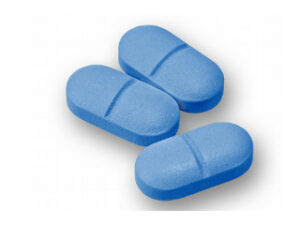
VP-GL is presented as a medicine for oral use. The exact strength (dose per tablet/capsule) and formulation (for example, immediate-release or modified-release) can vary depending on the specific brand presentation available in Australia.
What you should check on the pack:
- Strength (for example, mg per tablet)
- Dosage form (tablet, capsule, etc.)
- Expiry date
- Manufacturer details
- Storage instructions
If you are unsure what strength you have or how to take it, check the label or ask your pharmacist.
How VP-GL Works (Mechanism of Action)
VP-GL works by targeting the underlying mechanisms involved in the condition being treated. While the precise pathway can vary by the active ingredient(s) within VP-GL, the overall goal is to:
- Reduce or control disease activity by acting at specific receptors or enzymes.
- Help restore normal body function related to the condition.
- Improve symptoms and/or reduce risk of complications over time.
Your prescriber chose VP-GL because it is expected to offer benefits for your particular diagnosis and risk profile.
Pharmacokinetics (How the Body Handles VP-GL)
Pharmacokinetics describes how VP-GL is absorbed, distributed, metabolised, and eliminated. Individual results can vary based on age, organ function, other medicines, and certain lifestyle factors.
Absorption
VP-GL is absorbed through the gastrointestinal tract after oral dosing. Absorption may be affected by food, which is why timing instructions can be important (see “Food interactions” below).
Distribution
After absorption, the medicine distributes throughout the body. The extent of distribution depends on its chemical properties and binding to plasma proteins.
Metabolism
VP-GL is typically metabolised in the liver. If you have liver impairment, you may require dose adjustments or additional monitoring.
Elimination
Elimination occurs mainly through metabolism and excretion (often via the kidneys and/or bile). Kidney impairment may affect clearance for some patients.
Time to effect
Some effects may be noticed within days, but full benefit can take longer depending on the condition treated. It is common for the first noticeable changes to occur after consistent use for a period of time.
Typical Use and Indications
VP-GL is used for specific medical conditions as determined by your prescriber. Indications may include one or more of the following broad categories (depending on the active ingredient(s) within VP-GL and the product registered in Australia):
- Management of a chronic or relapsing condition where long-term control is needed
- Prevention of complications associated with the underlying disease
- Symptom control to improve day-to-day functioning
To ensure accuracy for your product, please refer to the consumer medicine information (CMI) supplied with your specific VP-GL pack.
Dosing: How Much and When
Dosing depends on the condition being treated, your age, other medical conditions (such as kidney or liver issues), and any interacting medicines.
Common dosing patterns
- Once daily: Many patients take VP-GL in the morning or evening at the same time each day.
- Twice daily: Some regimens require morning and evening doses.
- Special populations: Dose adjustments may be needed for elderly patients or those with impaired liver/kidney function.
How to take it
- Take with water.
- Try to take it at about the same time each day.
- Do not stop or change your dose without advice.
If you miss a dose
If you miss a dose, take it as soon as you remember unless it is close to the time for your next dose. Do not double up. If you’re unsure, contact your pharmacist for advice.
Timing: Best Times of Day
The “best time” depends on how the medicine interacts with food and how your regimen has been set up. In general:
- Follow your personal label instructions.
- If your doctor advised specific timing (morning/evening or with/without food), follow that exactly.
- For steady effects, consistency is important—use reminders if needed.
Food Interactions and What to Eat
Some medicines are affected by food, which can influence absorption and effectiveness. For VP-GL, the interaction may be clinically important—so follow the advice on your pack or from your pharmacist.
General guidance
- If advised “with food”: take it during or immediately after a meal to improve tolerability or absorption.
- If advised “on an empty stomach”: take it at least a certain time before or after meals (your pharmacist can clarify the exact window).
- Be consistent: if your regimen allows flexibility, aim for the same routine day-to-day.
Foods and drinks to discuss
Ask your pharmacist if you consume any special diets or regular products that may affect drug levels, including:
- Large amounts of alcohol (see below)
- Grapefruit or grapefruit juice (if relevant to your active ingredient—some medicines interact)
- High-fibre or unusual meal timing (if your prescriber has specific instructions)
Alcohol and Medicine Interactions
Alcohol can affect the way medicines work and may increase the risk of side effects such as dizziness, drowsiness, stomach irritation, or liver strain. For many medications, it is recommended to limit alcohol or avoid it—especially when starting therapy or if you have other medical conditions.
- Avoid binge drinking.
- If you experience side effects after drinking, stop alcohol and seek advice.
- Consider liver health: if VP-GL affects liver metabolism or you have liver disease, alcohol may increase risk.
Always tell your pharmacist about how much alcohol you drink and whether you drink regularly or occasionally. They can advise based on your specific prescription and health profile.
Medicine Interactions (Other Medicines and Supplements)
VP-GL may interact with other medicines, including prescription medicines, over-the-counter products, vitamins, and herbal supplements.
Common interaction categories
- Medicines that affect liver enzymes (may increase or decrease VP-GL levels)
- Medicines that affect bleeding risk (if applicable based on indication)
- Medicines that cause sedation or dizziness
- Herbal products (for example, St John’s wort may interact with certain pathways)
What to do
- Provide a complete list of everything you take—including “as needed” medicines.
- Check labels for non-prescription products that may include similar ingredients.
- If starting a new medicine, ask your pharmacist whether it’s safe with VP-GL.
Safety Profile: Possible Side Effects
Like all medicines, VP-GL can cause side effects. Not everyone will get them. Side effects may vary depending on dose, duration, and personal factors.
Common side effects
Common side effects may include:
- Nausea or stomach discomfort
- Headache
- Dizziness
- Fatigue or tiredness
- Changes in appetite
Less common but important side effects
- Rash or itching
- Swelling of face, lips, or throat
- Unusual bruising or bleeding
- Significant changes in mood or sleep
Seek urgent help (call emergency services) if
- You have signs of an allergic reaction (difficulty breathing, swelling, severe rash)
- You experience severe or persistent vomiting
- You develop symptoms suggestive of liver injury (for example, yellowing skin/eyes, dark urine, severe abdominal pain)
- You feel faint, collapse, or have severe weakness
If you’re worried about any side effect, contact a healthcare professional promptly.
Practical Use Tips
How to improve success with treatment
- Use a daily reminder: set an alarm or use a medication organiser.
- Keep consistent with food timing: take the dose the same way each day.
- Hydration matters: drink water, especially if your medicine causes mild stomach upset.
- Don’t run out: plan ahead for refills so you don’t miss doses.
Monitoring and follow-up
Some treatments require monitoring (for example, blood tests or health checks). Your doctor will advise what monitoring is needed for your situation.
Storage
- Store at the temperature stated on the pack.
- Protect from moisture and direct sunlight unless the pack indicates otherwise.
- Keep out of reach of children.
Alternative Options
Depending on your diagnosis, there may be alternative treatments to VP-GL. The best alternative depends on:
- Your specific condition and severity
- Other health problems (for example, kidney or liver function)
- Other medicines you take
- Your past experience with medicines (how well you tolerated them)
- Convenience factors (frequency, food requirements)
Alternatives may include other medicines in the same therapeutic area or non-medicine options (such as lifestyle strategies or supportive therapies). Discuss options with your doctor or pharmacist before making changes.
VP-GL in Australia: Market and Legal Context
In Australia, medicines are regulated under the Therapeutic Goods Act and managed through the Therapeutic Goods Administration (TGA). Availability, labelling requirements, and supply conditions can differ depending on the medicine’s scheduling and registration status.
When buying medicines online in Australia, legitimate supply typically requires compliance with Australian healthcare and pharmacy requirements, including identification of the appropriate authority for the medicine’s supply. Reputable pharmacies ensure:
- Products are sourced from authorised wholesalers
- Packaging matches Australian labelling requirements
- Storage and handling meet required standards
- Clear product information is provided to patients
If you have concerns about authenticity, check that the online pharmacy is properly authorised and offers clear contact details and compliance information.
Recent Guidance and Important Updates
Medicine advice and safety information can evolve as new evidence emerges. It’s important to rely on current information from:
- Your prescriber and pharmacist
- The consumer medicine information (CMI) supplied with your pack
- Reliable Australian health sources
If you notice changes in side effects, you’ve started new medicines, or your health status changes (for example, kidney/liver impairment), speak to your pharmacist. They can review whether your regimen still suits your needs.
Delivery and Availability (Online Pharmacy)
Availability can vary based on stock levels and the specific VP-GL strength or pack size. When ordering online:
- Confirm the strength: ensure the listed strength matches your instructions.
- Check the pack size: confirm the number of tablets/capsules per pack.
- Delivery times: delivery timeframes depend on your location within Australia and current courier services.
- Packaging: medicines should arrive in original packaging with clear labels.
If you need urgent supply, contact the pharmacy prior to ordering so they can advise based on local stock and courier timelines.
FAQ About VP-GL
1. What is VP-GL used for?
VP-GL is used to treat specific conditions as determined by your healthcare professional. The exact indication depends on the formulation/active ingredient and your medical diagnosis. Check the medicine label and consumer medicine information for details that apply to your specific pack.
2. How long does it take to work?
Some effects may be felt early, but full benefit often takes longer. If you don’t notice improvement within the timeframe your clinician discussed, contact your pharmacist or doctor rather than adjusting your dose yourself.
3. Should I take VP-GL with food?
This depends on the product instructions. Some patients are advised to take VP-GL with food to reduce stomach upset or improve absorption; others may be advised to take it on an empty stomach. Follow the directions provided with your pack.
4. What should I do if I miss a dose?
Take the missed dose when you remember unless it is close to your next scheduled dose. Do not double dose. If you’re uncertain, ask your pharmacist for advice.
5. Can I drink alcohol while taking VP-GL?
Alcohol can increase the risk of side effects and may affect how the medicine works. It’s generally safest to limit alcohol or avoid it—especially during the early phase of treatment. Ask your pharmacist what applies to your situation.
6. Are there interactions with other medicines?
Yes. VP-GL may interact with certain prescription medicines, over-the-counter products, and supplements. Provide a complete list of what you take to your pharmacist so they can check for interactions.
7. What side effects are common?
Common side effects can include nausea, headache, dizziness, tiredness, or appetite changes. Report bothersome or persistent side effects to a healthcare professional.
8. When should I stop and get urgent help?
Seek urgent medical help if you have signs of a serious allergic reaction (such as swelling or trouble breathing), severe symptoms, or signs of serious problems such as severe rash, collapse, or possible liver injury.
9. Can older adults take VP-GL?
Many older adults can take VP-GL, but dosing and monitoring may need adjustment. Your prescriber may consider kidney/liver function and other medicines you take.
10. What if I have liver or kidney problems?
Liver or kidney impairment may affect how VP-GL is processed. Your prescriber may adjust the dose and arrange monitoring. Always disclose existing health conditions to your pharmacist.
Summary
VP-GL is used to treat specific medical conditions and works by targeting underlying biological processes. Safe and effective use depends on taking the medicine at the right time, following food guidance, and being aware of possible interactions—particularly with alcohol and other medicines.
If you have questions about whether VP-GL is suitable for you, how to take it correctly, or what side effects to watch for, contact your pharmacist or doctor. They can provide advice tailored to your situation.