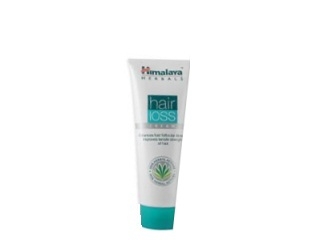
Hair Loss Cream (Australia) — Patient-Friendly Product Description
Hair Loss Cream is a topical hair loss treatment designed to support healthier hair growth by acting directly where hair follicles are located. Many Australians choose a cream-based option for convenient, targeted application and gradual improvement over time.
This page provides practical, patient-friendly information about how Hair Loss Cream works, how to use it, what to expect, and important safety considerations for use in Australia.
Product overview
| Category | Topical hair loss treatment (cream) |
|---|---|
| Target area | Scalp (where hair thinning is occurring) |
| How it’s used | Applied directly to the scalp; rubbed in gently |
| Typical timeframe for results | Months (hair growth cycles take time) |
| Common side effects | Scalp dryness/irritation, itching, mild redness |
| Not suitable for | Use on broken skin; pregnancy/breastfeeding without professional advice |
|
Important: Always follow the directions on the product label and any instructions provided by your pharmacist or healthcare professional. |
|
How Hair Loss Cream works (mechanism of action)
Hair loss—particularly androgenetic alopecia (often described as pattern hair loss)—usually involves miniaturisation of hair follicles over time. Hair Loss Cream helps by supporting the hair follicles during the growth phase. While exact effects can vary by formulation, topical hair regrowth treatments generally aim to:
- Support transition into the growth phase so hair follicles produce thicker or more active hairs.
- Improve local follicle activity to counter the effects of progressive follicle miniaturisation.
- Increase scalp blood flow and nutrient delivery locally (a common effect seen with topical vasomodulating hair therapies).
What this means for you: Hair regrowth is typically gradual. New hairs may initially be finer, then become thicker with continued use. Stopping treatment often leads to a gradual return to pre-treatment hair status.
Pharmacokinetics (what the body does with the active ingredients)
After applying Hair Loss Cream to the scalp, only a portion of the active ingredient may absorb through the skin into the bloodstream. Topical hair treatments usually have:
- Local action at the scalp as the main goal.
- Limited systemic absorption compared with oral medicines (though absorption can still occur).
- Metabolism primarily within the body after absorption.
- Elimination largely via normal body clearance pathways (commonly the kidneys).
Factors influencing absorption:
- Applying to broken or irritated skin can increase absorption.
- Using more than the recommended amount does not improve effectiveness and may increase side effects.
- Frequency affects exposure over time—use the label schedule.
- Consistency of use influences long-term follicle response.
Indications: when Hair Loss Cream is commonly used
Hair Loss Cream is typically used for:
- Androgenetic alopecia (pattern hair loss), including thinning on the scalp.
- Hair thinning where hair follicles appear miniaturised.
- Supporting hair regrowth in people who want a topical option and can apply it consistently.
Note: Topical hair regrowth products are not intended for sudden patchy hair loss or non-hair-follicle causes of hair shedding. If you have rapid shedding, scalp disease (e.g., infection, severe dandruff with sores), or unexplained changes, seek medical advice.
Typical use and application timing
How to use Hair Loss Cream
Most topical hair regrowth creams are applied directly to the scalp in measured amounts. A typical approach is:
- Start with clean, dry scalp. Let your scalp fully dry after washing.
- Section hair if needed to access thinning areas.
- Apply the recommended amount to the scalp where thinning is most noticeable.
- Gently massage into the scalp (avoid rubbing hard).
- Wash hands thoroughly after application.
- Avoid contact with eyes and mouth. If accidental contact occurs, rinse with water promptly.
Timing
Consistency matters more than “perfect timing.” Many people use topical hair treatments either:
- Once daily (common for certain formulations), or
- Twice daily (common for other formulations).
Choose a routine you can maintain: Apply at roughly the same times each day. For example, morning and evening if using twice daily.
After application:
- Try not to wash your hair immediately after using the cream.
- Allow it to absorb before applying hair products like gels, pomades, or sprays.
Dosing (how much to use)
Because product strengths and instructions can differ, dosing should follow the label directions. In general, topical hair treatments are dosed in measured “caps” or measured amounts.
General guidance (not a substitute for your label):
- Use the recommended amount per application—do not increase the dose to “speed up” results.
- Use the recommended frequency (e.g., once daily or twice daily).
- Apply only to the scalp, not to hair shafts or other skin areas.
If you miss a dose:
- Apply it when you remember unless it’s nearly time for the next dose.
- Do not double up.
Mechanism details in practice: what to expect over time
Hair growth cycles are slow. A typical experience with topical hair regrowth treatments may include:
- Initial weeks: Some people notice itching, dryness, or mild scalp changes. Shedding may also increase temporarily.
- 2–3 months: Early signs of improved hair density may appear.
- 3–6 months: More noticeable thickening or reduced thinning.
- 6–12 months: Continued improvement may be seen with consistent use.
If there’s no improvement after several months: Reassess with your pharmacist or healthcare professional. Hair loss can have many causes (genetic, hormonal, nutritional, inflammatory, or stress-related).
Food interactions
Because Hair Loss Cream is applied to the scalp, food interactions are not usually expected. Absorption is primarily local, and dietary factors generally do not alter how topical hair creams work.
However: If your formulation includes ingredients that could affect absorption through systemic pathways, or if you apply it on large areas or under occlusive conditions, systemic exposure may increase. In such cases, your pharmacist can advise.
Alcohol interactions and medicine interactions
Alcohol
There is usually no direct interaction between topical hair loss creams and alcohol. However, heavy drinking or alcohol-related dehydration may worsen general health and hair quality. For safety, avoid applying cream while intoxicated if it increases the chance of accidental contact with eyes or other sensitive areas.
Interactions with other medicines
Topical treatments may still have some systemic absorption. To be safe, consider the following:
- Tell your pharmacist about all medicines you use, including tablets, vitamins, herbal products, and any other skin treatments.
- Use caution with medicines affecting blood pressure or heart function, since some topical hair regrowth actives can influence local blood flow and—rarely—systemic effects.
- Avoid combining with other scalp irritants (e.g., strong acids or aggressive exfoliants) unless advised.
Report immediately if you develop symptoms such as dizziness, fainting, chest pain, rapid heartbeat, or significant swelling.
Safety profile and side effects
Most people tolerate Hair Loss Cream well when used as directed. Side effects are generally mild and local to the scalp, though more serious reactions can occur in a small number of cases.
Common side effects
- Scalp dryness
- Itching or mild burning sensation
- Redness or irritation
- Flaking or mild scaling
Less common effects
- Temporary increased shedding (often seen early in treatment)
- Contact dermatitis (more likely if the product irritates your skin)
- Headache
Seek urgent medical advice if you experience
- Chest pain, fainting, or severe dizziness
- Severe allergic symptoms (swelling of face/lips, difficulty breathing, widespread rash)
- Unexpected rapid heartbeat or shortness of breath
Who should be extra cautious
- Pregnancy or breastfeeding: seek professional guidance before using.
- Broken or inflamed scalp: do not apply to damaged skin unless advised.
- Underlying heart or blood pressure conditions: discuss with a pharmacist or clinician.
- Children: do not use unless specifically advised by a healthcare professional.
Practical use tips for best results
To get the most from Hair Loss Cream, small habits can make a big difference.
- Be consistent: use every day at the same times.
- Apply to thinning areas only: focus where you want growth and avoid unnecessary spreading.
- Use on a dry scalp: apply after your hair is fully dry.
- Do not wash off right away: follow the product directions on when you can wash your hair.
- Keep hair products separate: wait until the cream has absorbed before using styling products.
- Hands off precautions: wash hands thoroughly after applying; avoid touching your eyes.
- Track progress: take monthly photos in the same lighting and hairstyle to monitor changes.
Managing scalp irritation
If you develop mild irritation, consider these steps:
- Ensure you’re using the label dose.
- Check that your scalp is not affected by infection or severe dermatitis.
- Use a gentle shampoo and avoid harsh scalp treatments.
- Contact your pharmacist if irritation persists or worsens.
Alternative options for hair thinning
Hair loss has many causes, and the best approach depends on what’s driving your thinning. If you’re considering alternatives, you may want to discuss the following categories with your pharmacist:
- Other topical hair regrowth formulations (different strengths, foams, sprays, or actives).
- Oral hair loss options for appropriate candidates (requires individual assessment).
- Scalp care treatments if thinning is associated with inflammation, dandruff, or seborrhoeic dermatitis.
- Nutrition and deficiency correction if blood tests suggest low iron, zinc, vitamin D, or other contributing factors.
- Low-level laser therapy (LLLT) devices where appropriate.
- Dermatology review for diagnosis of non-pattern hair loss (e.g., alopecia areata, traction, or scarring alopecias).
Tip: If hair loss is sudden, patchy, accompanied by scalp pain, or rapidly worsening, seek professional assessment rather than relying only on topical treatment.
Market and legal context for Australia
Hair loss products in Australia are generally supplied through regulated retail channels. Availability can vary depending on whether a product is classified as:
- Registered medicine listed through the Australian regulatory framework, or
- Pharmacy-only versus general retail categories, depending on ingredients and strength.
In Australia, safety, quality, and appropriate labelling are important. Online pharmacies should provide accurate product information, clear instructions for use, and guidance on when to seek medical advice.
Recent guidance and trends: Australian health advice for hair loss commonly emphasises:
- Correct diagnosis (pattern hair loss vs. other causes of shedding)
- Managing expectations with slow regrowth timelines
- Using medicines as directed and monitoring side effects
- Considering ongoing treatment to maintain results
Delivery and availability (Australia)
Hair Loss Cream is available through eligible online pharmacy channels across Australia, subject to stock and regulatory requirements. Delivery options typically include:
- Standard delivery to metro and regional areas
- Express delivery for time-sensitive orders (where offered)
- Tracking information for shipped parcels
What to check when ordering:
- Product strength and formulation (cream type can vary)
- Expiry date and storage instructions
- Delivery region coverage
Availability can change: If your preferred variant is out of stock, you can ask a pharmacist about suitable alternatives.
Frequently Asked Questions (FAQ)
1. How long does it take to see results with Hair Loss Cream?
Hair growth is slow. Many people notice early changes after 2–3 months, with more obvious improvement by 3–6 months. Best results often take 6–12 months with consistent use.
2. Will I have more shedding at the beginning?
Some people experience a temporary increase in shedding in the early phase of treatment as hairs cycle. If shedding is severe or accompanied by scalp pain or redness, contact your pharmacist or healthcare professional.
3. Can I use Hair Loss Cream on a wet scalp?
It’s best to apply to a clean, dry scalp. Applying to wet skin may increase irritation and reduce consistent dosing.
4. Should I wash my hair immediately after applying?
Follow the label directions. In general, allow the cream to absorb and avoid washing immediately unless the product instructions say it’s acceptable.
5. Can I use Hair Loss Cream with other scalp products?
You may use other products, but avoid applying creams concurrently with harsh irritants or strong scalp treatments. Wait until the Hair Loss Cream has absorbed and ensure your scalp is not irritated.
6. What if I get scalp irritation or itching?
Mild irritation can occur. Reduce the risk by using the recommended dose, applying to intact scalp only, and using gentle hair care products. If irritation persists, worsens, or you develop a rash, stop and seek advice.
7. Is it safe to use with alcohol?
There’s typically no direct interaction. However, if you’re drinking, be extra careful to apply the cream safely and avoid accidental contact with eyes or lips.
8. Are there interactions with other medicines?
Some medicines—particularly those affecting blood pressure or heart rhythm—may require caution depending on your overall health and the product’s active ingredients. Discuss your current medicines with a pharmacist if you have any concerns.
9. Can women and men use Hair Loss Cream?
Use depends on the product’s label instructions and your personal medical circumstances. Pregnancy and breastfeeding require extra caution and professional advice.
10. What happens if I stop using Hair Loss Cream?
Results may diminish over time. If you stop, any improvement typically fades gradually as hair growth cycles return to baseline.
Important final notes
Hair Loss Cream may be a helpful option for androgenetic hair thinning, but it works best when used consistently and correctly. If you have sudden, patchy, painful, or rapidly progressive hair loss, or if you have scalp symptoms such as infection or severe dermatitis, seek professional assessment rather than self-treating.
Always read the product label and follow the directions provided. If you’re unsure whether Hair Loss Cream is right for you, speak with a pharmacist.