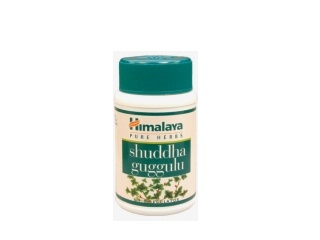

Shuddha Guggulu (Purified Guggulu) – Ayurvedic Remedy for Joint Comfort & Metabolic Wellness
Shuddha Guggulu is a traditional Ayurvedic preparation made from the resin of the guggulu plant (Commiphora mukul), purified (“shuddha” means purified) to support consistency and tolerability. Many people use Shuddha Guggulu as part of a holistic routine for joint comfort, healthy cholesterol and lipid balance, and general metabolic wellbeing.
This page provides patient-friendly information about Shuddha Guggulu, including how it is used, what it may do in the body, important interactions, and practical guidance for safe use in Australia.
Basic Product Information
- Product name: Shuddha Guggulu (Purified Guggulu)
- Category: Herbal / Ayurvedic supplement
- Common form: Tablet, capsule, or powder (varies by brand)
- Source: Purified resin from Commiphora mukul
- Traditional focus: Support for musculoskeletal comfort and metabolic balance
Note: Different brands may use different processing methods and ingredient ratios. Always check the specific label for your product’s strength and directions.
What Is the “Mechanism of Action”?
In modern terms, Shuddha Guggulu is thought to influence several biological pathways. Ayurveda describes guggulu as a remedy associated with “body cleansing” and balance, while contemporary research suggests potential effects on:
- Lipid metabolism: Guggulu resin contains compounds (including guggulsterones) that may affect lipid-related pathways.
- Inflammation signalling: Some laboratory and early clinical research suggests anti-inflammatory potential, which may contribute to comfort in joints and connective tissues.
- Immune modulation: Herbal constituents may help regulate inflammatory responses (evidence varies and is not definitive).
- Antioxidant activity: Plant resins can contain polyphenols and related compounds with antioxidant properties.
Important: “Mechanism of action” does not guarantee effectiveness for every individual. Results vary based on diet, lifestyle, the specific condition being addressed, and overall health.
Pharmacokinetics (How the Body Handles It)
Pharmacokinetics refers to absorption, distribution, metabolism, and excretion. For Shuddha Guggulu, comprehensive human pharmacokinetic data are limited because products vary by formulation and the active constituents are complex.
In general, herbal resin-based products may have variable absorption due to differences in processing and particle size. After oral use, constituents may be metabolised in the liver and eliminated via normal bodily processes.
- Absorption: Likely oral absorption, but extent may vary by formulation and food intake.
- Distribution: Plant-derived compounds may distribute into tissues involved in metabolism and inflammation.
- Metabolism: Metabolism likely involves hepatic pathways.
- Excretion: Elimination likely occurs through renal and biliary routes (exact timelines vary).
If you have liver or kidney conditions, or you take multiple medicines, discuss use with a qualified health professional.
Typical Uses (Common Indications)
People commonly use Shuddha Guggulu for the following goals:
- Joint comfort: For stiffness and discomfort associated with active lifestyles or normal wear and tear.
- Healthy lipid balance: As part of a lifestyle routine that includes healthy eating and activity.
- Inflammation support: To complement dietary and lifestyle measures aimed at reducing inflammatory burden.
- Overall metabolic wellness: Supporting a balanced lifestyle that may include weight and metabolic goals.
Not intended to diagnose, treat, cure, or prevent disease. If you have a specific medical condition, ask a healthcare professional whether Shuddha Guggulu is appropriate for you.
How and When to Take Shuddha Guggulu (Timing & Routine)
Many users take Shuddha Guggulu as a daily supplement for several weeks to support consistent benefits. Timing can influence tolerability and how you fit it into your routine.
Typical timing
- With meals: Often recommended to reduce the chance of stomach upset.
- Consistency: Take it at the same time each day to maintain a steady routine.
How long to try
- General trial period: Many people assess tolerance and early response over 4–8 weeks.
- Long-term use: If you choose to continue, do so with periodic check-ins (especially if you take medicines).
Always follow your product label directions or the instructions provided by your healthcare professional.
Dosing (General Guidance)
Dosing varies by brand, strength, and product form. Because product labels differ, the most reliable dose is the one printed on your specific Shuddha Guggulu packaging.
Common real-world dosing patterns include:
- Adults: Often 1–2 doses daily, typically with meals
- Powder/tincture forms: Dose depends on concentration and instructions
What to do if you’re unsure: Start with the label-recommended dose, monitor your response, and do not exceed the daily maximum stated on the product.
| Product form | Typical use pattern | Notes |
|---|---|---|
| Capsules/tablets | 1–2 times daily with meals | Follow label strength; do not exceed stated daily amount. |
| Powder | Often once or twice daily | Dose depends on formulation; mix as instructed on label. |
| Other branded extracts | As directed on label | Concentration may differ; rely on product-specific directions. |
Food Interactions (What to Eat or Avoid)
Food can affect herbal absorption and gastrointestinal tolerance. While specific food interaction studies are limited, these practical tips are commonly used:
- Taking with meals: Often helps reduce stomach discomfort and improves tolerability.
- High-fat meals: Some herbal constituents may absorb differently with very fatty meals—if you notice changes in tolerance, adjust timing and monitor.
- Hydration: Drink adequate water, especially if taking tablets/capsules that may feel dry.
Monitoring tip: If you experience bloating, nausea, or loose stools, consider taking the next dose with food or reducing to the label’s lower frequency (where appropriate).
Alcohol Interactions & Lifestyle Considerations
Combining alcohol with supplements is not automatically unsafe for everyone, but it can increase the risk of side effects such as stomach irritation and may affect liver health in susceptible individuals.
- Stomach sensitivity: Alcohol may worsen reflux or indigestion if you are already prone to it.
- Liver considerations: If you have liver disease, heavy alcohol use, or take liver-metabolised medicines, use caution and seek professional advice.
As a general approach, consider limiting alcohol intake while using Shuddha Guggulu, especially when starting.
Interactions With Other Medicines
Herbal supplements can interact with prescription and non-prescription medicines. For Shuddha Guggulu, the most important concern is potential interactions related to lipid pathways, metabolism, and liver processing.
Medicines where extra caution is advised
- Lipid-lowering medicines (e.g., statins, fibrates, or other cholesterol medications): may increase the chance of side effects in some people.
- Thyroid-related medicines: guggulu has been discussed in relation to thyroid signalling; if you take thyroid medication, use caution and ask a clinician.
- Blood sugar medicines (diabetes medications): herbal products can sometimes influence metabolic measures.
- Blood thinners/anticoagulants (e.g., warfarin) and antiplatelet medicines: interaction risk is medication-specific.
- Liver-metabolised medicines (many medicines are processed in the liver): combined use may affect tolerability.
Practical advice: Keep a list of all medicines and supplements you use, including vitamins and herbal products. If you’re taking multiple medicines or have chronic conditions, consult a healthcare professional before starting.
Safety Profile (Who Should Be Careful)
Many people tolerate Shuddha Guggulu well when used as directed. However, safety depends on individual health, formulation, and concurrent medications.
Possible side effects
- Gastrointestinal discomfort: nausea, stomach upset, bloating, or loose stools
- Headache or restlessness: occasionally reported with certain herbal supplements
- Allergic reactions: rash, itching, or swelling in sensitive individuals (seek urgent help)
Who should avoid or seek medical advice first
- Pregnancy or breastfeeding: use caution—avoid unless a clinician specifically advises it.
- Known liver disease or previous abnormal liver function tests.
- Thyroid conditions or use of thyroid medicines.
- Bleeding disorders or use of anticoagulant/antiplatelet therapy.
- History of allergy to herbal resins or similar products.
If side effects occur, stop use and seek advice. If you experience signs of a serious reaction (e.g., swelling of face/lips, difficulty breathing), seek urgent medical care.
Practical Use Tips (Getting the Best Out of Your Supplement)
- Start gradually: If you are new to Shuddha Guggulu, consider starting with the label dose and monitor tolerance.
- Take consistently: A steady routine (same time each day) is more helpful than sporadic use.
- Pair with lifestyle measures: For joint comfort and lipid balance, supplementation works best alongside regular gentle movement, a balanced diet, and adequate sleep.
- Use one change at a time: If you start Shuddha Guggulu while changing other habits, it’s harder to know what helps.
- Track outcomes: Note symptoms (e.g., stiffness) and any adverse effects for 2–4 weeks.
- Check label details: Confirm the brand’s strength and the recommended daily amount.
Alternative Options (Depending on Your Goal)
If you’re considering alternatives, the best choice depends on your primary goal (joint comfort vs. metabolic/lipid support), your medical history, and your current medicines.
Alternatives for joint comfort
- Turmeric/curcumin supplements: commonly used for inflammation support.
- Omega-3 fatty acids: may support inflammatory balance.
- Glucosamine/chondroitin (evidence varies): used for joint support.
- Collagen peptides: sometimes used for joint and connective tissue comfort.
Alternatives for lipid balance
- Plant sterols/stanols: may help with cholesterol levels for some people.
- Soluble fibre (e.g., psyllium): supports cholesterol management as part of diet.
- Omega-3 fatty acids: may support lipid profile in some individuals.
If you’re on lipid-lowering medication, don’t switch or add alternatives without discussing with a healthcare professional.
Market & Legal Context for Australia (General Information)
In Australia, herbal and complementary products are generally regulated as listed complementary medicines or registered medicines depending on claims and classification.
Commonly, complementary products are marketed with lower-risk claims (for example, “traditional use” or “supports” type statements). Health claims must meet regulatory requirements, and manufacturers/importers are expected to comply with Australian standards for quality, labelling, and safety.
- Look for: Australian listing/registration details on the label or brand website where applicable.
- Quality indicators: batch consistency, clear ingredient listing, and manufacturing standards (e.g., GMP where claimed).
- Claims: ensure the product’s wording aligns with what the product is allowed to say.
Because requirements can change over time, it’s wise to check the product’s current listing status on official channels or confirm directly with the supplier.
Recent Guidance & Common Safety Updates (How to Stay Informed)
Herbal supplement guidance can evolve. Recent trends in complementary medicine safety often emphasise:
- Clear labelling of ingredients and dosing directions
- Awareness of interactions with prescription medicines
- Quality and contamination control (testing for contaminants like heavy metals where applicable)
- Transparent traditional rationale and realistic expectations
If you take ongoing medications, consider discussing any supplement plan with a pharmacist or GP—especially if you plan to use Shuddha Guggulu for more than 6–8 weeks.
Delivery, Availability & Ordering in Australia
Shuddha Guggulu is commonly available through online pharmacies and complementary health retailers that stock Ayurvedic herbal products. Availability may vary depending on brand and stock levels.
Delivery expectations
- Shipping: Typically dispatched within the time stated on the website.
- Tracking: Many orders include tracking details for convenient delivery monitoring.
- Packaging: Products are usually packed to protect from moisture and damage during transit.
Tip: Store Shuddha Guggulu as directed on the label (often in a cool, dry place, away from direct sunlight).
FAQ – Shuddha Guggulu
1) What is Shuddha Guggulu used for?
It’s commonly used to support joint comfort and metabolic wellness, including healthy lipid balance. People use it alongside diet, exercise, and lifestyle measures.
2) How long does it take to work?
Herbal supplements vary by person and goal. Many users trial for 4–8 weeks while monitoring symptoms and tolerability. If you don’t notice any benefit, reassess your plan.
3) Should I take it with food?
Often, yes—taking with meals may improve tolerability and reduce stomach upset. Follow the label instructions for your specific brand.
4) Can I take Shuddha Guggulu with cholesterol medications?
Use caution. Combining supplements with lipid-lowering medicines can increase the risk of side effects in some people. Check with a pharmacist or clinician, especially if you’ve previously had muscle pain or abnormal liver tests.
5) Does Shuddha Guggulu affect the thyroid?
Guggulu has been discussed regarding thyroid signalling. If you have thyroid disease or take thyroid medication, seek professional advice before use.
6) Is it safe to drink alcohol while taking Shuddha Guggulu?
It’s best to limit alcohol, particularly when you’re starting. Alcohol may worsen digestive irritation and may be a concern for liver health in susceptible individuals. If in doubt, ask a healthcare professional.
7) What side effects might happen?
Possible side effects include nausea, bloating, stomach upset, or loose stools. Stop use and seek advice if symptoms are persistent or severe.
8) Can I take it during pregnancy or breastfeeding?
It’s generally recommended to avoid use during pregnancy or breastfeeding unless a qualified clinician specifically advises it.
9) How do I know if a product is good quality?
Choose reputable brands that provide clear labelling, batch details where available, and compliance with Australian requirements. Look for transparent ingredient lists and directions.
10) Are there alternatives if Shuddha Guggulu isn’t suitable for me?
Yes. Alternatives for joint comfort may include curcumin/turmeric, omega-3, or collagen. For lipid support, options may include soluble fibre or plant sterols. Your best choice depends on your health and current medicines.
Summary: Key Points to Remember
- Shuddha Guggulu is a purified Ayurvedic guggulu resin supplement used traditionally for joint comfort and metabolic/lipid support.
- Benefits are individual—consistent use for 4–8 weeks is a common trial approach.
- Take with food if you’re prone to stomach upset, and follow the product label dosing.
- If you take thyroid medications, lipid-lowering medicines, blood thinners, or any long-term prescriptions, check interactions first.
- If side effects occur, stop and seek advice.