
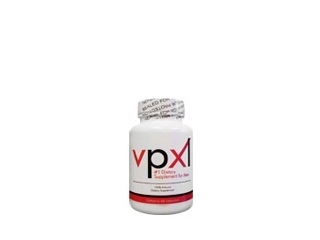

VPXL (Voxilaprevir + Velpatasvir) – Patient Information
VPXL is an oral antiviral medicine used in the treatment of chronic Hepatitis C virus (HCV) infection. It combines two active ingredients—voxilaprevir and velpatasvir—in a single daily regimen. This combination is designed to target multiple steps in the HCV life cycle, helping achieve sustained viral response (a cure in most cases).
This information is intended to help you understand how VPXL works, how it is typically taken, and what to consider for safety and interactions. Always follow the directions provided by your healthcare professional and read the consumer medicine information (CMI) supplied with your product.
Basic product information
- Brand name: VPXL
- Active ingredients: Voxilaprevir + Velpatasvir
- Medicine type: Direct-acting antiviral (DAA)
- How it’s taken: Oral tablets
- Typical dosing frequency: Once daily (as prescribed)
- Common treatment duration: Commonly 12 weeks for eligible people (duration can vary by medical history)
- Target condition: Chronic Hepatitis C infection
Note: Product appearance, strength, and pack sizes can vary. Check the label and follow the CMI for your specific strength and schedule.
Indications (what VPXL is used for)
VPXL is used to treat chronic hepatitis C virus (HCV) infection in adults. It is suitable for many HCV genotypes and is commonly considered for people who have:
- Not previously received HCV treatment, or
- Previously received certain HCV medicines and require a retreatment option, depending on their clinical situation.
Your healthcare professional will determine the appropriate regimen based on:
- HCV genotype (if known)
- Previous treatment history
- Liver status (e.g., compensated cirrhosis)
- Drug interaction risks
- Kidney function (including whether dialysis is involved)
How VPXL works (mechanism of action)
Hepatitis C replicates using specific viral proteins and enzymes. VPXL contains two medicines that work at different points in this process:
- Velpatasvir: blocks the NS5A protein, a key factor for HCV replication and assembly.
- Voxilaprevir: inhibits the NS3/4A protease, preventing the virus from processing proteins correctly for replication.
Combined effect: Using both NS5A inhibition and NS3/4A protease inhibition together improves the chance of viral suppression and a durable cure across many HCV genotypes.
Pharmacokinetics (how the body handles the medicine)
Pharmacokinetics (PK) describes how the medicine is absorbed, distributed, metabolised, and eliminated. While individual results vary, the following points are generally relevant:
- Absorption: VPXL components are absorbed after oral dosing.
- Time to effect: Viral load typically decreases quickly after starting therapy, though monitoring is still required.
- Distribution: The medicines distribute into tissues, including areas involved in HCV replication.
- Metabolism: Both components are processed mainly by the liver (via drug-metabolising enzymes).
- Elimination: Metabolites are eliminated through the body, largely via hepatic and biliary pathways.
Clinical implication: Because these medicines are metabolised by the liver, liver impairment and interacting medicines can influence blood levels. This is why careful medication review is essential.
Typical use and treatment timing
VPXL is taken as a course of therapy. Many people take it for 12 weeks, but your exact duration may differ depending on your circumstances and previous treatment.
When should you take VPXL?
- Once daily at the same time each day (to help maintain consistent blood levels).
- You can take it with food or without food in many cases; however, food can influence absorption for certain medicines, so follow the guidance provided for your regimen.
- If you miss a dose, follow your healthcare professional’s instructions or the directions in the CMI.
Monitoring: Your clinician may arrange blood tests during treatment and after completion to confirm that the virus is no longer detectable (commonly referred to as sustained virologic response, SVR).
Food interactions
Food may affect the absorption of some antiviral medicines. With VPXL, the key practical points are:
- General advice: Follow the instructions provided with your medicine and regimen. If your CMI states that it can be taken with or without food, you can usually choose whichever fits your routine.
- Avoid extremes: If you experience stomach upset, consider taking it with a meal (unless your clinician advised otherwise).
- Reduce risk with antacids and acid-reducing agents: Medicines that significantly change stomach acidity can reduce absorption of some components.
Important: Acid-reducing medicines—especially proton pump inhibitors (PPIs) and some H2 blockers—often require careful timing or may be unsuitable depending on dose and regimen. Always discuss these with your healthcare professional.
Alcohol interactions
There is no single “universal” alcohol interaction that applies to all people in all situations. However, alcohol can worsen liver inflammation and damage, which is especially relevant for people with HCV and/or liver scarring.
- Recommended approach: Limit or avoid alcohol during HCV treatment and while your liver recovers.
- Safety: If you choose to drink alcohol, do so only after discussing with your clinician, and keep it minimal.
Why it matters: HCV can already affect the liver. Even small-to-moderate alcohol intake can increase the risk of progression in some individuals. Achieving viral cure is a major step, but liver health still needs protection.
Medicine interactions (drug–drug interactions)
VPXL can interact with other medicines because its components may be affected by liver enzymes and transport proteins. Some interactions can reduce effectiveness, while others can increase side effects.
Always provide a complete list of everything you take to your clinician or pharmacist, including:
- Prescription medicines
- Over-the-counter products
- Herbal supplements
- Vitamins or “natural” remedies
Common interaction categories to discuss
- Acid-reducing medicines (e.g., PPIs, H2 blockers, antacids)
- Seizure medicines (some can strongly affect antiviral levels)
- Rifampicin/rifabutin (used for certain infections)
- Anticoagulants (e.g., warfarin) and medicines affecting clotting
- Antiarrhythmics and other cardiac medicines
- St John’s wort and other herbal inducers
- HIV medicines (some combinations require careful adjustment)
What to do: Your pharmacist can check interactions and advise timing adjustments where appropriate. Do not start or stop medicines on your own.
Dosing (how to take VPXL)
Dose and duration must be personalised. Use only the regimen your healthcare professional prescribes for you.
Typical adult dosing
- Adults: commonly one dose once daily for 12 weeks, depending on prior treatment and liver status.
Swallowing: Take the tablet whole with water. If you have difficulty swallowing, speak with your healthcare professional—do not crush or modify unless specifically advised.
If you miss a dose
Missing doses can reduce treatment success. If you miss a dose, follow the instructions in the CMI or your healthcare professional’s plan. In general, many antiviral regimens provide guidance such as whether to take it as soon as you remember or skip if close to the next dose. Because timing guidance can vary, use the product directions specific to your VPXL pack.
Safety profile (who should take care)
Most people tolerate VPXL well. However, like all medicines, it can cause side effects. Some risks are more likely when interacting medicines are also used.
Common side effects
- Headache
- Nausea
- Tiredness or fatigue
- Diarrhoea
- Reduced appetite
Less common but important reactions
Contact urgent medical help if you experience signs of severe allergy or other serious issues, such as:
- Swelling of the face, lips, tongue, or throat
- Difficulty breathing
- Severe rash or blistering skin
- Uncontrolled vomiting or severe persistent abdominal pain
Liver status considerations
Because these medicines involve the liver in metabolism and because the liver is central to HCV-related disease, your clinician will assess:
- Whether you have cirrhosis and whether it is compensated
- Baseline liver blood tests
- Ongoing monitoring during therapy
Kidney function
Many patients with reduced kidney function can still be treated, but dosing decisions may require review. Always provide your most recent kidney test results to your clinician.
Practical use tips (getting the best results)
- Take at the same time daily to build a routine.
- Keep a medication schedule (calendar reminder or mobile alarm).
- Do not stop early even if you feel better—completion is important for cure rates.
- Avoid starting new supplements without checking interactions.
- Attend follow-up blood tests as advised to confirm response and monitor safety.
- Tell your healthcare team about all medications—including herbal products.
Alternative options for HCV treatment (discuss with your clinician)
Hepatitis C treatment options are tailored to genotype, prior therapy, and liver status. Depending on your situation, clinicians may consider other direct-acting antivirals such as:
- Glecaprevir/pibrentasvir
- Sofosbuvir-containing regimens
- Other pangenotypic combinations (depending on clinical scenario)
Why your doctor chooses a specific regimen: Not all treatments are appropriate for every previous treatment history or liver condition. VPXL may be preferred in certain cases, especially where retreatment is needed.
If you want to explore alternatives, ask your healthcare professional about:
- Expected cure rates for your specific HCV profile
- Duration of therapy
- Interaction risks with your current medicines
- Whether acid-reducing medicines can be used alongside your plan
VPXL and market/legal context for Australia
In Australia, medicines for Hepatitis C are managed under the Australian Register of Therapeutic Goods (ARTG) and are made available through the national regulatory and prescribing system. HCV treatment is also shaped by national clinical pathways and public/private healthcare services.
Access may involve specialist assessment and may depend on:
- Clinical eligibility criteria
- Prescriber requirements and treatment pathway
- Availability through participating programs or pharmacies
Online pharmacy availability: Stock and supply can vary by region and supplier. Only purchase from reputable services that comply with Australian regulatory requirements and can provide appropriate product information and delivery timelines.
Recent guidance and clinical updates (general)
HCV treatment recommendations evolve over time based on new evidence and safety monitoring. In Australia, clinicians commonly follow international and local guidance from relevant medical bodies and liver disease networks, which can address:
- Which regimens suit which genotypes and patient groups
- How to manage drug interactions
- How to monitor liver function and viral response
- Retreatment strategies after earlier therapy
If you are unsure whether your recommended regimen is still considered the best option for your situation, ask your healthcare professional if any guideline updates apply to your case.
Delivery and availability (Australia)
Online pharmacies in Australia typically offer delivery options such as standard and express shipping, with dispatch times depending on warehouse location and stock availability. Availability of VPXL may vary due to demand and supplier schedules.
When ordering, you may need to provide:
- Your details as required by Australian compliance checks
- Verification of eligibility for medicine supply (where applicable)
- Accurate delivery address and contact information
Tip: If you have a tight treatment timeline, place your order early to allow time for processing, dispatch, and transit.
Product information at a glance
| Category | Summary |
|---|---|
| Medicine | VPXL (voxilaprevir + velpatasvir) |
| Purpose | Treats chronic hepatitis C infection |
| How it works | NS5A inhibition + NS3/4A protease inhibition |
| How often | Typically once daily |
| Typical duration | Often 12 weeks (varies by clinical situation) |
| Key interaction area | Acid-reducing medicines and other interacting drugs |
| Monitoring | Blood tests to confirm viral response and safety |
FAQ about VPXL
1. What is VPXL used for?
VPXL is used to treat chronic hepatitis C virus (HCV) infection in adults. It helps stop the virus from replicating and supports cure in many people.
2. How long do I need to take VPXL?
Many people take VPXL for about 12 weeks, but your exact duration depends on factors such as previous HCV treatment, genotype considerations (if applicable), and liver status. Follow your clinician’s plan.
3. Can I take VPXL with food?
In many cases VPXL can be taken with or without food. However, your regimen may include specific advice—particularly if you also use acid-reducing medicines. Check the CMI and follow your healthcare professional’s instructions.
4. Are there medicines I must avoid while taking VPXL?
Some medicines can significantly reduce VPXL levels or increase side effects. This includes certain seizure medications, rifamycins, some HIV medicines, and herbal products such as St John’s wort. Acid-reducing medicines can also be important. Always check your full list of medicines with a pharmacist.
5. What about antacids and reflux treatments?
Medicines that change stomach acidity can affect absorption of antiviral medicines. If you take PPIs, H2 blockers, or antacids, discuss the safest timing and dosing with your healthcare professional.
6. Can I drink alcohol during treatment?
It’s generally recommended to limit or avoid alcohol during HCV treatment because alcohol can further stress the liver. If you plan to drink, discuss it with your clinician.
7. What should I do if I miss a dose?
Follow the guidance in the CMI or your clinician’s instructions. Because advice can differ depending on how late you are, it’s important to use the product-specific directions.
8. How will I know if VPXL is working?
Your clinician may order blood tests to monitor the HCV viral load during and after treatment. Completion and follow-up testing help confirm sustained response.
9. What side effects are common?
Common side effects include headache, nausea, fatigue, diarrhoea, and reduced appetite. Seek urgent help for signs of severe allergic reactions or serious symptoms.
10. Is VPXL suitable for everyone with hepatitis C?
Suitability depends on your medical history, liver status, kidney function, and other medications. Your healthcare professional will confirm the best option for your situation.
Reminder: This page provides general patient information. Your treatment plan should always be personalised by your healthcare professional. If you have questions about side effects, missed doses, or medication interactions, contact your pharmacist or prescriber promptly.