

Methimazole (Antithyroid Medicine) — Patient-Friendly Guide (Australia)
Methimazole is an antithyroid medicine used to reduce thyroid hormone production. It is commonly prescribed for conditions where the thyroid gland is overactive (hyperthyroidism). This guide is designed to help you understand how methimazole works, how to take it safely, what to expect, and what interactions to watch for.
Important: Always follow the dosing instructions provided by your healthcare professional. Do not change your dose without medical advice.
Basic Product Information
- Medicine name: Methimazole
- Drug class: Antithyroid (thionamide)
- Common uses: Hyperthyroidism (including Graves’ disease)
- Available strengths (varies by brand): Common tablet strengths include 5 mg, 10 mg, and 20 mg
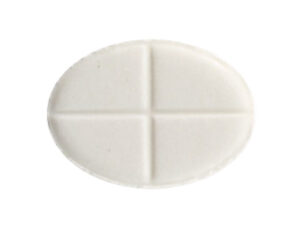
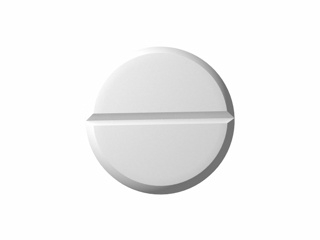
- How it is supplied: Tablets for oral use
- Brand examples: Brand names vary by supplier; the active ingredient is methimazole
Your local pharmacy or product packaging will show the exact strength and any excipients. If you have allergy concerns about fillers (for example, lactose or dyes), check the leaflet or ask your pharmacist.
How Methimazole Works (Mechanism of Action)
Methimazole helps treat hyperthyroidism by reducing the production of thyroid hormones (thyroxine/T4 and triiiodothyronine/T3).
It works mainly by inhibiting thyroid peroxidase, an enzyme needed for:
- Incorporating iodine into thyroid hormone precursors
- Coupling iodinated molecules to form T3 and T4
Lower thyroid hormone levels can lead to improvement in symptoms such as fast heartbeat, nervousness, heat intolerance, and weight changes.
Pharmacokinetics (What the Body Does to the Medicine)
Pharmacokinetics describes how methimazole is absorbed, distributed, metabolised, and eliminated. While individual responses can vary, the overall pattern is:
- Absorption: Methimazole is generally absorbed after oral administration.
- Distribution: It circulates through the bloodstream and reaches the thyroid gland.
- Metabolism: Methimazole is metabolised mainly in the liver.
- Elimination: Breakdown products are eliminated through the body, including via the kidneys.
Because methimazole affects hormone synthesis rather than acting instantly, symptoms usually improve gradually as hormone levels fall. Early symptom relief can be faster when combined with other medicines, depending on your condition.
Typical Uses and Indications in Plain Language
Methimazole is used to treat conditions caused by an overactive thyroid, including:
- Graves’ disease: An autoimmune condition where the immune system stimulates the thyroid.
- Hyperthyroidism due to other causes: Where reducing hormone production is appropriate.
- Preparing for definitive treatment: Sometimes used to control thyroid levels before surgery or other long-term management strategies.
Your clinician will determine the best plan based on your blood tests (often TSH, free T4, and free T3), symptoms, age, and other health conditions.
Timing: When to Take Methimazole and How It Fits Into Your Day
Methimazole is typically taken once daily or in divided doses, depending on your prescribed regimen and the severity of your condition.
- Try to take it at the same time each day to maintain steady coverage.
- If your dose is split, take it as directed (for example, morning and evening).
- Give it time: improvements are usually gradual.
Missed dose: If you miss a dose, take it when you remember unless it is close to the next dose. Do not take a double dose. If you’re unsure, ask your pharmacist.
Monitoring schedule: Blood tests are important and are usually done at intervals to guide dose adjustments and to ensure safety.
Food Interactions (Do You Need to Take Methimazole With or Without Food?)
Methimazole can generally be taken with or without food. Many people find it easier on the stomach when taken with a meal.
- If you experience nausea, consider taking it with food (unless your clinician advises otherwise).
- Stay consistent—taking it the same way each day can help you remember and maintain routine.
While food isn’t usually a major issue, your overall nutrition can matter in hyperthyroidism recovery. If you have dietary restrictions, ask your clinician for tailored advice.
Alcohol and Medicine Interactions
Alcohol is not always directly contraindicated with methimazole, but caution is advised—especially because methimazole can affect the liver in rare cases.
- Best approach: Limit alcohol and discuss your alcohol intake with your healthcare professional.
- Avoid heavy drinking: Excess alcohol may increase strain on the liver.
- Monitor for symptoms of liver problems: seek medical advice promptly if you notice yellowing of the skin/eyes, dark urine, unusual fatigue, or upper right abdominal pain.
Also consider alcohol if you are taking other medicines for symptoms of hyperthyroidism (such as beta-blockers) or if you are managing anxiety, sleep, or pain. Interaction risk depends on the full list of medicines you take.
Medicine Interactions: Common Examples and What to Check
Interaction risk depends on your personal medication list. Always provide your pharmacist or clinician with an up-to-date list of medicines, including herbal products and supplements.
General interaction considerations for methimazole:
- Other medicines affecting the immune system: May influence overall risk of blood cell changes.
- Medicines that affect liver function: Because methimazole is metabolised in the liver, your clinician may monitor more closely.
- Warfarin (if applicable): Thyroid levels can affect how warfarin works. If you take warfarin, closer monitoring of clotting tests may be needed as thyroid function changes.
- Certain blood cell-affecting medicines: Discuss all medications with your clinician to reduce avoidable risks.
Tip: Keep a list of your medicines and bring it to appointments. If you start or stop any medication, ask whether it changes your thyroid monitoring plan.
Dosing: Typical Regimens and How Doses Are Adjusted
Dosing is individual. Methimazole is often started at a dose that controls thyroid hormone production, then adjusted based on blood test results.
Typical approach:
- Initial treatment phase: Higher doses may be used at the start to bring thyroid hormones down.
- Maintenance phase: Once controlled, the dose is often reduced to the lowest effective amount.
- Regular blood tests: TSH, free T4, and free T3 guide dose changes.
Important: Because dosing varies with the severity of hyperthyroidism and your response, this guide does not replace your personalised plan. Your healthcare professional will provide your exact regimen (including how many tablets and when).
Practical Use Tips (Getting the Best Results Safely)
- Stick to your schedule: Taking methimazole consistently improves control of thyroid hormone levels.
- Plan for monitoring: Set reminders for lab tests and follow-up visits.
- Track symptoms: Note changes in heart rate, sleep, heat intolerance, tremor, weight, and energy.
- Don’t stop suddenly: Stopping without advice can lead to return or worsening of hyperthyroidism.
- Use a pill organiser if helpful: Helps avoid missed doses.
- Inform other healthcare providers: Tell any doctor or dentist that you are taking methimazole.
Safety Profile: What to Watch For
Methimazole is generally effective when used appropriately, but like all medicines it can cause side effects. Some effects are common but mild, while others are rare and require urgent action.
Common or expected side effects
- Skin rash or itching
- Stomach upset (nausea, mild abdominal discomfort)
- Headache
- Joint or muscle aches
Serious (rare) side effects — seek urgent medical advice
Contact a healthcare professional promptly or seek emergency help if you develop:
- Signs of severe allergy: swelling of face/lips, difficulty breathing, widespread hives
- Infection symptoms (possible low white blood cells): fever, sore throat, mouth ulcers, chills
- Unusual bleeding or bruising (possible low platelets)
- Symptoms of liver injury: yellowing of skin/eyes, dark urine, severe fatigue, persistent nausea/vomiting, pain in the upper abdomen
- Worsening condition: dramatic increase in palpitations, shortness of breath, or severe weakness
Why this matters: Methimazole can, in rare cases, affect blood cells and the liver. Early recognition allows faster management.
Blood monitoring and safety checks
Your clinician may check blood counts and liver function tests at intervals, especially if you have symptoms or risk factors. Follow the monitoring schedule provided to you.
Guidance on Missed Doses, Dose Changes, and Stopping
- If you miss a dose: take it when you remember unless close to the next dose; do not double up.
- Do not self-adjust: Dose changes should be guided by blood results and clinical assessment.
- Do not stop early: Thyroid activity can return, sometimes quickly.
Alternative Options (Other Treatments for Hyperthyroidism)
Depending on your diagnosis, severity, and preferences, alternatives may include:
- Beta-blockers (symptom control): Often used to reduce fast heart rate and tremor while thyroid levels come down.
- Radioactive iodine: A definitive approach used in some cases to reduce thyroid activity.
- Surgery (thyroidectomy): Removal of part or all of the thyroid in selected situations.
- Supportive management: Lifestyle measures and treatment of specific symptoms.
Your clinician will discuss benefits and risks of each option. The best plan often depends on whether you have Graves’ disease, goitre size, eye involvement, pregnancy plans, and test results.
Recent Guidance and Clinical Updates (What to Know)
Clinical guidance for hyperthyroidism treatment continues to emphasise:
- Individualised dosing based on thyroid function tests
- Ongoing monitoring for both effectiveness and rare safety outcomes (blood counts, liver function when appropriate)
- Early recognition of serious adverse effects, with clear patient instructions on what symptoms require urgent assessment
- Careful medication review when patients take other medicines that may be impacted by changing thyroid hormone levels
If you have concerns about your current plan, ask your doctor or pharmacist for the most up-to-date advice relevant to your personal situation.
Market and Legal Context in Australia (High-Level Overview)
In Australia, medicines are supplied under a regulatory framework overseen by the Therapeutic Goods Administration (TGA). Availability, prescribing rules, and supply categories can vary based on the specific product, strength, and formulation.
When buying medicines in Australia, you can expect:
- Compliance with Australian medicines laws
- Pharmacy supply practices that support safe use, including counselling and identification of potential interactions
- Quality assurance through approved manufacturing and distribution pathways
Your pharmacy may also provide patient information leaflets and help schedule appropriate monitoring.
Delivery and Availability
Availability can vary by brand and strength. For online pharmacy orders in Australia, delivery timelines often depend on:
- Stock availability at dispatch
- Your location (metro vs regional areas)
- Courier schedules
Many online pharmacies offer updates by email or SMS once the order is processed and dispatched. Keep an eye on tracking notifications so you can receive parcels promptly.
If a specific brand or strength is temporarily out of stock, your pharmacy may contact you regarding an alternative that contains the same active ingredient and strength, consistent with pharmacy policies.
FAQ About Methimazole
1) How long does it take for methimazole to work?
Methimazole reduces thyroid hormone production, so improvement is usually gradual. Some symptoms may start improving over days, but meaningful changes can take several weeks. Blood tests are used to confirm control and guide dose adjustments.
2) Should I take methimazole every day?
Yes—if you have been advised to use it, it is generally taken regularly to maintain thyroid control. Missing doses can make symptom control less predictable.
3) Can I take methimazole with food?
Usually, yes. Methimazole can be taken with or without food. If you feel nauseated, taking it with a meal may help.
4) What should I do if I miss a dose?
Take the missed dose when you remember unless it’s nearly time for the next dose. Do not take a double dose. If you are unsure, ask your pharmacist.
5) What symptoms mean I should contact a doctor urgently?
Seek urgent medical advice for signs such as fever or sore throat (possible low white blood cells), easy bruising or unusual bleeding, jaundice or dark urine (possible liver problems), or signs of severe allergic reaction.
6) Are there interactions with other medicines?
Interactions can occur depending on your medication list. Tell your pharmacist about all medicines and supplements you take, including blood thinners, antibiotics, and any herbal products. Thyroid changes can also affect how some medicines work.
7) Can I drink alcohol while taking methimazole?
Caution is advised. Because methimazole can rarely affect the liver, limiting alcohol is generally recommended. Discuss your intake with your healthcare professional, especially if you have liver disease.
8) Can methimazole be used long-term?
Some people use methimazole for months or longer under monitoring. The duration depends on the underlying cause of hyperthyroidism, response to treatment, and your clinician’s plan.
9) Are there alternatives if I can’t tolerate methimazole?
Alternatives may include other treatments for hyperthyroidism (such as radioactive iodine or surgery) depending on your diagnosis and risk profile. Your doctor can discuss the safest options for you.
10) Will methimazole cure Graves’ disease?
Methimazole can control thyroid overactivity and may lead to remission in some people. Whether remission occurs depends on several factors, including disease characteristics and treatment course.
Quick Safety Summary (At a Glance)
| Topic | What to Know |
|---|---|
| When to take | Usually once daily or in divided doses as directed. Take at the same times each day. |
| With food? | Generally yes—can be taken with or without food. Use food if you experience nausea. |
| Alcohol | Limit alcohol and discuss your intake. Rare liver effects mean caution is sensible. |
| Monitoring | Regular blood tests help adjust dose and check for rare safety issues. |
| Urgent symptoms | Fever/sore throat, unusual bleeding/bruising, jaundice/dark urine, severe rash or breathing difficulty. |
| Interactions | Tell your pharmacist all medicines/supplements. Thyroid changes can affect other drugs. |
If you would like, tell us which brand strength you’re considering (e.g., 5 mg, 10 mg, or 20 mg) and any other medications you take, and we can provide a tailored interaction checklist and practical guidance for starting methimazole safely.