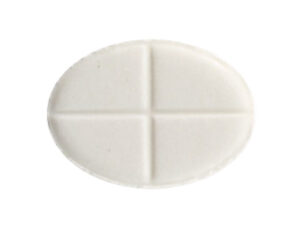
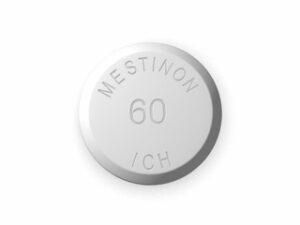
Medrol Active (Methylprednisolone) — Patient-Friendly Guide (Australia)
Medrol Active contains methylprednisolone, a corticosteroid medicine used to reduce inflammation and modify immune responses. It can be highly effective for a range of inflammatory and immune-related conditions, but it must be used carefully due to potential side effects—especially with higher doses or longer courses.
This guide explains how Medrol Active works, what it’s commonly used for, typical timing, food and alcohol interactions, safety considerations, and practical tips to help you use it confidently. It also includes general information about availability and the healthcare context in Australia.
Quick Overview
- Medicine: Medrol Active (methylprednisolone)
- Type: Corticosteroid (anti-inflammatory / immunosuppressant)
- Common forms (varies by product): Oral tablets (strengths may differ)
- How it works: Reduces inflammation and immune activity
- How it’s taken: Often once daily or as directed; many regimens aim for morning dosing
- Key cautions: Infection risk, blood sugar effects, stomach irritation, mood/sleep changes, bone effects with prolonged use
What is Medrol Active?
Medrol Active is the brand name for methylprednisolone, a synthetic corticosteroid. Corticosteroids are medicines that mimic the actions of cortisol, a hormone naturally produced by your adrenal glands. In higher “pharmacological” doses, methylprednisolone strongly suppresses inflammation and can reduce overactive immune responses.
In Australia, corticosteroids like methylprednisolone are widely used across hospital and community settings, including for inflammatory flares, allergic reactions, autoimmune conditions, and some respiratory conditions.
Mechanism of Action (How it Works)
Methylprednisolone works at a molecular level to influence inflammatory pathways. In general terms, it:
- Reduces pro-inflammatory signals (including cytokines and inflammatory mediators).
- Decreases immune cell activity, including effects on lymphocytes and other immune components.
- Stabilises cell membranes and reduces swelling and tissue irritation.
- May reduce symptoms such as pain, redness, swelling, and stiffness in inflammatory conditions.
Because it alters immune responses, it can also mask signs of infection (e.g., fever), so it’s important to monitor for symptoms of infection while taking corticosteroids.
Pharmacokinetics (Absorption, Metabolism, and Elimination)
Pharmacokinetics describe how the body handles the medicine. While exact values can vary between individuals and formulations, methylprednisolone generally follows these principles:
- Absorption: Taken by mouth, methylprednisolone is absorbed from the gastrointestinal tract.
- Distribution: It spreads throughout body tissues and binds to plasma proteins (commonly albumin).
- Metabolism: It is metabolised primarily in the liver.
- Elimination: Metabolites are excreted via urine (with contribution from other pathways).
Why this matters: If you have liver disease, your clinician may adjust the dose and monitor you more closely. Also, methylprednisolone’s effects may outlast the time until the drug is fully cleared from the bloodstream.
Typical Uses (Indications)
Medrol Active is used for conditions where reducing inflammation and/or immune activity is beneficial. Common categories include:
- Allergic and inflammatory conditions: Severe allergies or inflammation where corticosteroids are appropriate.
- Autoimmune and inflammatory diseases: Conditions where the immune system attacks the body’s own tissues.
- Rheumatologic conditions: Flares of inflammatory joint or connective tissue diseases.
- Respiratory inflammation: Some inflammatory lung conditions may be treated with corticosteroids.
- Skin and eye inflammation: Selected cases where inflammation needs urgent control.
Important note: The exact indication and treatment plan depend on your diagnosis, severity, and response to therapy. Corticosteroids are powerful and should be used under appropriate clinical guidance.
How to Take Medrol Active (Timing and Practical Use)
When should you take it?
Many corticosteroid regimens aim for morning dosing (e.g., soon after waking) to better match the body’s natural cortisol rhythm. This approach may help reduce side effects such as insomnia.
Follow your dosing schedule as provided by your healthcare professional. If you miss a dose, do not double up without advice—many steroid dosing schedules have specific rules.
How long does it take to work?
- Some effects may be felt within hours to a day, particularly for acute inflammatory symptoms.
- More sustained improvements often develop over several days.
Do not stop suddenly (especially with longer use)
When corticosteroids are used for more than a short period, the body may reduce its own cortisol production. Stopping abruptly can be unsafe. A tapering plan is often needed when treatment is extended or at higher doses.
Dose Guidance (General Information)
Dosing depends on the condition being treated, the severity of symptoms, and individual factors such as age and other health conditions. Corticosteroid dosing is typically tailored and may involve:
- Starting dose chosen to quickly control inflammation.
- Adjustment based on symptom response and side effects.
- Gradual reduction (“tapering”) to minimise withdrawal risk.
What you should do: Use the specific instructions for your situation. If you have concerns about dose, schedule, or duration, speak with a pharmacist or clinician.
Food Interactions and Eating Tips
Food does not always “cancel out” steroid effects, but meals can influence stomach comfort and side effects.
Food and stomach irritation
Methylprednisolone can increase the risk of stomach irritation in some people. Taking it with food or after a meal may help reduce nausea or heartburn.
Blood sugar and appetite
Corticosteroids can raise blood glucose levels and may increase appetite. If you have diabetes or are at risk of high blood sugar, consider:
- Monitoring glucose more closely
- Choosing balanced meals
- Discussing dose timing or adjustments with a clinician
High-salt diets
Some corticosteroids can cause fluid retention. If you are advised to limit salt (sodium), try to follow that guidance while on treatment.
Alcohol Interactions
There is no single “universal” rule that everyone must avoid alcohol while taking methylprednisolone. However, alcohol may increase certain risks:
- Stomach irritation/bleeding risk: Alcohol and corticosteroids together may worsen gastritis or contribute to dyspepsia in susceptible people.
- Blood sugar effects: Alcohol can affect glucose control.
- Immune function: Alcohol misuse may increase infection risk.
Practical approach: If you choose to drink, consider keeping it moderate and take the tablet with food. Avoid heavy drinking, especially at higher steroid doses or if you have a history of stomach ulcers.
Medicine Interactions (Other Medicines to Consider)
Methylprednisolone can interact with a variety of medicines. These interactions may change how your medicines work or raise side effect risks.
Common interaction categories
- NSAIDs (e.g., ibuprofen, naproxen, diclofenac): Combined use may increase the risk of stomach irritation or bleeding.
- Blood thinners (e.g., warfarin): Corticosteroids can affect clotting control and may alter INR in some people.
- Diabetes medicines: Steroids may increase blood sugar, affecting diabetes management.
- Vaccines: Live vaccines are generally avoided while taking immunosuppressive steroid doses.
- Antifungals/antibiotics and liver-metabolised drugs: Some medicines can influence steroid metabolism, changing effective steroid levels.
- Diuretics: Steroids can affect potassium; combined use may increase electrolyte imbalance risk.
Herbal and over-the-counter products
Always tell your pharmacist about supplements and non-prescription products. Examples to discuss include herbal remedies, St John’s wort, and certain weight-loss products, as these may affect drug metabolism.
Tip: Keep an up-to-date list of medicines (including dose and timing) and bring it to your pharmacy visit.
Safety Profile and Side Effects
All medicines can cause side effects. Many people tolerate methylprednisolone well when used for a limited time and at the lowest effective dose. Risk increases with higher doses and longer duration.
Common side effects
- Increased appetite and possible weight gain
- Indigestion, heartburn, nausea (taking with food may help)
- Difficulty sleeping or feeling “wired” (often improved by morning dosing)
- Changes in mood, including irritability or anxiety
- Headache
- Fluid retention (may cause swelling)
Potential serious risks (seek urgent medical advice if severe)
- Infection: Steroids can suppress immune responses. Get medical help if you develop fever, severe sore throat, chest infection symptoms, or worsening illness.
- Severe stomach pain or bleeding: Black stools, vomiting blood, or severe abdominal pain require urgent attention.
- High blood sugar symptoms: Increased thirst, frequent urination, blurred vision.
- Significant mood changes: Severe depression, agitation, or unusual behaviour.
- Eye problems: New vision changes or eye pain should be assessed promptly.
- Allergic reactions: Rash, swelling of face/lips, or breathing difficulty.
Effects with longer-term use
With prolonged or repeated courses, corticosteroids can contribute to:
- Bone thinning (osteoporosis)
- Cataracts or glaucoma
- Muscle weakness
- Skin thinning and easy bruising
- Higher blood pressure and altered cholesterol levels
Your clinician may recommend bone protection strategies (e.g., calcium/vitamin D and lifestyle advice) depending on your risk profile.
Practical Tips for Safe Use
- Take it early in the morning if your schedule allows, to reduce insomnia.
- Take with food to help with stomach comfort.
- Use the lowest effective dose for the shortest appropriate time as advised by your healthcare professional.
- Don’t stop suddenly after longer use—ask about tapering.
- Monitor symptoms: inflammation should improve; worsening or new symptoms may indicate infection or complications.
- Check blood sugar if you have diabetes or prediabetes.
- Watch your mood and sleep during treatment; contact a healthcare professional if severe changes occur.
- Keep up with vaccinations: discuss appropriate vaccines, including whether live vaccines are suitable.
Alternative Options (Depending on Your Condition)
There may be alternatives to methylprednisolone, depending on your diagnosis, severity, and previous response to treatments. Options may include:
- Other corticosteroids (different strengths/forms, such as prednisone or prednisolone, or inhaled/local steroids for certain conditions).
- Non-steroidal anti-inflammatory medicines for certain inflammatory conditions (not always appropriate, particularly when ulcer risk is higher).
- Immunomodulators or disease-modifying therapies for chronic autoimmune conditions (e.g., medications that target specific immune pathways).
- Biologic therapies for selected immune-mediated diseases.
- Supportive measures such as physiotherapy, topical treatments, inhalers, moisturisers, or allergy avoidance strategies.
If you want to explore alternatives, speak to your clinician or pharmacist. The “best” option depends strongly on the underlying condition and how urgent symptom control is.
Market and Legal Context in Australia (General Information)
In Australia, medicines containing corticosteroids may be available under different scheduling categories depending on the formulation and strength. Many corticosteroid medicines are supplied with healthcare oversight due to their potential risks and the need for appropriate indication, dosing, and monitoring.
Online pharmacies in Australia typically follow local regulations, including identity verification and appropriate clinical processes where required. Availability and supply may depend on product type and whether additional checks are required for the specific medicine and dose strength.
Always check the product details on the listing and follow the instructions provided with the medicine packaging.
Recent Guidance and Monitoring Considerations
While specific guidance can vary by condition and evolving recommendations, current clinical practice commonly emphasises:
- Using the lowest effective dose and shortest feasible duration.
- Assessing infection risk before and during treatment.
- Monitoring blood pressure, blood sugar, and weight when appropriate—especially for higher doses or longer courses.
- Preventing complications in longer-term therapy (bone health, eye monitoring, and cardiovascular risk management where relevant).
- Vaccination review before immunosuppressive courses, where feasible.
Local healthcare guidance may also address corticosteroid use in respiratory illness contexts. If you’re taking methylprednisolone for a chronic condition, keep your treating team informed about any new infections or planned vaccines.
Delivery and Availability (Online Pharmacy in Australia)
Online pharmacies may offer delivery Australia-wide depending on the product and supplier. Availability can vary by strength and pack size. Delivery times typically depend on location and courier services.
Before ordering:
- Confirm the strength and pack size listed.
- Check any availability estimates or backorder information.
- Review delivery options and expected dispatch times.
Storage after delivery: Store tablets as directed on the pack (commonly at controlled room temperature, away from moisture and out of reach of children).
FAQ — Medrol Active (Methylprednisolone)
1) What is Medrol Active used for?
Medrol Active (methylprednisolone) is used for conditions involving inflammation and immune system activity, such as various allergic, autoimmune, and inflammatory conditions. The exact use depends on your diagnosis.
2) How quickly will I notice improvement?
Some people notice symptom relief within hours to a day. For many inflammatory conditions, clearer improvement may take several days.
3) Should I take it with food?
Taking methylprednisolone with food (or after meals) can help reduce stomach upset and indigestion in many people.
4) When should I take my dose?
Many regimens are designed for morning dosing to reduce insomnia and better align with your body’s natural hormone rhythm. Use the schedule provided for your specific course.
5) Can I drink alcohol while on Medrol Active?
Moderate alcohol may be acceptable for some people, but alcohol can increase stomach irritation and other risks. Avoid heavy drinking and consider taking the tablet with food. If you have ulcer history or other risk factors, ask a healthcare professional.
6) What medicines interact with methylprednisolone?
Potential interactions include NSAIDs (stomach/bleeding risk), blood thinners (clotting control changes), diabetes medicines (higher blood sugar), some vaccines, and drugs that affect liver metabolism. Always discuss your full list of medicines and supplements.
7) Are there any side effects I should watch for urgently?
Seek urgent medical help for severe infection symptoms, signs of stomach bleeding (black stools, vomiting blood), severe or worsening mood changes, significant eye symptoms, or signs of an allergic reaction.
8) Can I stop Medrol Active suddenly?
Don’t stop suddenly after more than a short course. Corticosteroids can affect natural cortisol production. A taper plan may be needed.
9) Does methylprednisolone affect blood sugar?
Yes. It can raise blood glucose levels. If you have diabetes or prediabetes, monitor more closely and discuss dose adjustments with your clinician.
10) Who should be extra careful with this medicine?
Extra caution is typically needed for people with diabetes, existing infections, a history of ulcers or gastrointestinal bleeding, glaucoma, cataracts, osteoporosis risk, and those taking multiple interacting medicines.
Product Information Summary
| Category | Details |
|---|---|
| Active ingredient | Methylprednisolone |
| Medicine class | Corticosteroid (anti-inflammatory / immunomodulator) |
| Common benefits | Reduces inflammation, swelling, and immune-related symptoms |
| How to take | Usually in the morning; often with food for stomach comfort |
| Key precautions | Infection risk, blood sugar changes, stomach irritation, mood/sleep changes |
| Longer-term risks | Bone thinning, eye issues, muscle weakness, fluid retention, blood pressure changes |
| Stopping | May require tapering after longer use—don’t stop abruptly |
Need further help? If you have questions about Medrol Active, how it fits your treatment plan, or how to manage potential side effects, speak with a pharmacist. They can help you understand safe use, interactions, and what to monitor during your course.