
Phenazopyridine – Patient Guide (Australia)
Phenazopyridine is a medicine used to relieve the painful, burning feeling associated with irritation of the lower urinary tract. Many people describe its effect as “soothing” urinary tract discomfort while the underlying cause is treated.
This guide is designed to help you understand what phenazopyridine does, how to take it safely, what to expect, and when to seek medical advice. Always follow the directions provided with your product and any advice from your healthcare professional.
Quick product information
| Category | Details |
|---|---|
| Medicine name | Phenazopyridine |
| Common use | Symptomatic relief of urinary tract burning/pain (lower urinary tract irritation) |
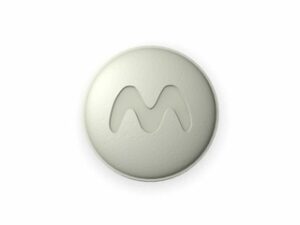
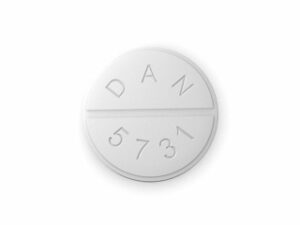
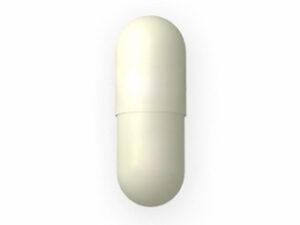
| Typical form | Tablets/capsules (product strength varies by brand) |
| Onset of relief | Often within 1–2 hours |
| Duration of use | Short-term only (follow product label; commonly up to 2 days when used for UTI symptoms) |
| Not a cure for infection | It helps symptoms but does not treat the cause (e.g., bacteria) |
| Notable side effect | Turns urine orange/red |
What phenazopyridine is used for
Phenazopyridine is used for the temporary relief of discomfort caused by irritation of the urinary tract. This can be felt as:
- Burning or stinging when you pass urine
- Urinary tract pain
- Urgency and discomfort associated with lower urinary tract irritation
It is commonly used for symptoms that occur with conditions such as:
- Uncomplicated lower urinary tract infection (UTI) symptoms (as short-term symptom relief)
- Cystitis (inflammation/irritation of the bladder)
- Urinary discomfort after certain urinary procedures (as advised by a healthcare professional)
- Other causes of lower urinary tract irritation where symptom relief is needed
Importantly, phenazopyridine does not eradicate bacteria if a UTI is present. If infection is suspected, appropriate evaluation and treatment should be pursued.
How it works (mechanism of action)
Phenazopyridine acts primarily on the lining of the urinary tract. After it is absorbed and processed by the body, it reaches the urinary tract where it can reduce irritation-related pain.
In simplified terms, it:
- Provides a local analgesic (pain-relieving) effect on the urinary mucosa
- Helps reduce the burning sensation experienced during urination
- Works symptomatically, not as an antibiotic
Pharmacokinetics: how the body handles phenazopyridine
Pharmacokinetics describes how a medicine is absorbed, distributed, metabolised, and eliminated. While individual results can vary, the general pattern is:
- Absorption: After oral dosing, phenazopyridine is absorbed from the gastrointestinal tract.
- Metabolism: It is metabolised in the body to related compounds.
- Excretion: A key feature is that the medicine (and metabolites) are excreted into the urine. This is why it can cause urine to turn orange to red.
- Onset and duration: Many people notice symptom relief within 1–2 hours, with effects lasting for several hours. Because it’s intended for short-term symptom relief, use should be limited to the timeframe on the product label.
People with reduced kidney function may be at higher risk of side effects because the drug and its metabolites may build up. If you have kidney disease or are unsure, check with a pharmacist or doctor before use.
Typical timing: when to take it and how long
Follow your product label for the exact dose and schedule. The most common approach is:
- Take after food if the label advises it or if you get stomach upset.
- Space doses evenly through the day (e.g., every 6–8 hours depending on the strength and schedule).
- Start when symptoms begin and reassess within a short period. Because phenazopyridine is for temporary relief, it should not replace proper assessment of ongoing or severe symptoms.
- Limit duration: commonly used for a maximum of 2 days for UTI-type symptoms unless a clinician advises otherwise.
When to stop: stop if symptoms improve and do not continue longer than the label. Stop and seek urgent medical attention if you develop severe symptoms (see “Safety and when to get help” below).
Food interactions and what to eat/drink
Food can affect comfort and, in some people, absorption. In most cases:
- Take with or after food to reduce the chance of nausea or stomach upset.
- Stay well hydrated (unless you’ve been told to restrict fluids for a medical reason).
There are no widely recognised “forbidden foods” specifically with phenazopyridine. However, if you have an upset stomach, taking it with a meal can make it easier to tolerate.
Alcohol and medicine interactions
Alcohol
It’s generally recommended to avoid or limit alcohol while taking urinary symptom medicines, particularly if you are unwell. Alcohol can worsen dehydration and may intensify urinary irritation in some people.
Other medicines
Phenazopyridine can interact with certain medicines, and it may interact indirectly through its potential effects on urine tests (see “Practical use tips”).
Tell a pharmacist or doctor about all medicines you take, including:
- Other medicines for urinary symptoms
- Medicines for blood disorders or immune conditions
- Medicines that affect the liver or kidneys
- Supplements such as iron products
- Any recent antibiotics or other UTI medications
If you have a complex medication list, it’s best to ask a pharmacist before starting phenazopyridine.
Indications (when it’s appropriate)
Phenazopyridine is indicated for temporary relief of urinary tract irritation symptoms, such as burning or pain when urinating.
- Indicated: For short-term symptomatic relief of lower urinary tract discomfort.
- Not indicated: To treat the underlying cause of an infection (not an antibiotic).
If your symptoms suggest a more serious condition (for example, fever, back/flank pain, or recurrent UTIs), you should seek prompt assessment.
Dosing guidance (general information)
Dosing depends on the tablet strength and brand formulation. Always use the dose printed on the product label or provided by a healthcare professional.
Typical adult dosing (general, may vary by product):
- Common schedules are taken up to three times daily with dosing intervals across the day.
- Maximum duration: typically 2 days for UTI-type symptoms unless otherwise directed by a clinician.
Children: dosing in children must be specifically determined by a clinician or according to approved paediatric instructions on the product. Do not guess dosing.
Older adults: older age can be associated with reduced kidney function. Extra caution may be needed. If you’re unsure about your kidney health, ask a pharmacist.
If you miss a dose
- Take it when you remember if it’s still within the same day.
- If it’s almost time for the next dose, skip the missed dose.
- Do not double the dose.
Overdose concerns
If you accidentally take more than the recommended dose, seek advice promptly from a healthcare professional or contact a poison information service in Australia.
Safety profile: who should be cautious
Like all medicines, phenazopyridine can cause side effects. Most people tolerate it well when used short-term and as directed, but it can be more risky in certain situations.
Common side effects
- Orange/red urine (expected; can stain clothing/underwear)
- Headache
- Nausea or stomach upset
- Dizziness (in some people)
Important warnings and serious adverse effects
Seek medical advice promptly if you notice symptoms suggesting complications such as:
- Severe or persistent nausea/vomiting
- Unusual skin reactions (rash, blistering)
- Unexplained shortness of breath, swelling, or severe weakness
- Yellowing of eyes/skin (jaundice) or very dark urine that is different from typical expected colour change
Rare but important concerns may include effects related to the blood or kidneys, especially with higher doses, prolonged use, or in people with kidney impairment.
Kidney and liver considerations
- Kidney disease: may increase risk—avoid or use only with professional guidance.
- Liver problems: use may be inappropriate depending on severity; consult a pharmacist or doctor.
Pregnancy and breastfeeding
If you are pregnant, trying to conceive, or breastfeeding, check with your pharmacist or doctor before using phenazopyridine. Advice depends on your individual situation and the severity of symptoms.
Allergies
- Do not use if you have a known allergy to phenazopyridine or any ingredient in the product.
Practical use tips (to get the best results safely)
- Expect urine colour change: phenazopyridine can turn urine orange to red. This is a known effect and does not necessarily mean your condition is worse.
- Protect fabrics: the urine colour can stain clothing, underwear, and bed linens.
- Hydrate: aim for regular fluid intake unless you’ve been advised to limit fluids.
- Do not delay assessment: if symptoms persist beyond the short timeframe you used phenazopyridine, seek medical evaluation for the cause.
- Avoid “masking” worsening symptoms: phenazopyridine may reduce pain, but fever, back pain, or feeling very unwell are warning signs.
Urine tests and false impressions
Because phenazopyridine changes urine colour, it may interfere with interpretation of urine test results. If you are asked to provide a urine sample for testing, inform the clinician or laboratory that you have taken phenazopyridine.
When to seek medical help urgently
Contact a healthcare professional urgently or seek emergency care if you have:
- Fever (or chills)
- Back or flank pain (pain in the side or around the kidneys)
- Nausea/vomiting with urinary symptoms
- Blood in urine that is significant or persistent
- Severe pain or symptoms that rapidly worsen
- Pregnancy with suspected UTI symptoms
- Symptoms lasting beyond the short period recommended for symptom relief
These signs can indicate complications or conditions needing prompt treatment.
Alternative options (depending on your situation)
Options to consider may include non-medicine measures and other medications aimed at either symptom relief or treatment of an underlying cause. Your choice depends on your symptoms, medical history, and whether infection is suspected.
Non-medicine supportive measures
- Hydration to help support normal urine flow
- Heat/comfort measures such as a warm compress for lower abdominal discomfort
- Avoid irritants that may worsen bladder irritation (for example, excessive caffeine or alcohol)
Other medicine approaches
- Analgesics such as paracetamol or ibuprofen (if suitable for you) may help overall discomfort.
- If infection is present, antimicrobial treatment may be required—symptom relief alone is not a substitute.
- For ongoing bladder pain syndromes or recurrent symptoms, a clinician may consider other targeted therapies.
A pharmacist can help you compare options and check suitability based on your age, kidney function, pregnancy status, and other medicines.
Market and legal context in Australia
In Australia, access and classification of medicines can vary depending on the formulation, strength, and brand. Many urinary symptom relief products are available through pharmacies, while some may be restricted to certain categories. Product availability may differ by brand and the current regulatory schedule.
When shopping online in Australia, choose reputable providers and ensure the product matches the intended use and dosing instructions. Always check the packaging and consumer medicine information (CMI) for the specific product.
Note on urine colour: because phenazopyridine changes urine colour, it can affect how people interpret symptoms. Follow the product information and consider clinical assessment if symptoms continue.
Recent guidance and clinical considerations (general)
While guidance can change over time, common clinical principles regarding urinary symptoms include:
- Short-term symptom relief only where appropriate.
- Reassess if not improving quickly, rather than continuing symptom relief.
- Consider risk factors (pregnancy, male patients, kidney disease, recurrent UTIs, and severe symptoms) for earlier assessment.
- Balance antimicrobial stewardship if infection is suspected—avoid unnecessary antibiotics while ensuring appropriate treatment when needed.
If you’ve had recent UTIs, kidney issues, or complicated symptoms, it’s worth discussing your plan with a pharmacist or doctor.
Delivery, availability, and ordering in Australia
Online pharmacy availability may vary based on stock levels and product format. When ordering, confirm:
- The strength (mg per tablet/capsule)
- The dose schedule stated on the label
- The expiry date
- How the product will be shipped and the expected delivery timeframe
Delivery options typically include standard and express shipping depending on location. Many providers aim to dispatch orders promptly once confirmed. Always ensure someone is available to receive the parcel if required.
Frequently Asked Questions (FAQ)
1) Does phenazopyridine treat a UTI?
Phenazopyridine mainly provides symptomatic relief of burning/pain from urinary tract irritation. It does not reliably treat the underlying cause if a UTI is caused by bacteria. If infection is suspected, appropriate assessment and treatment may still be necessary.
2) Why is my urine orange or red?
This is a known and expected effect of phenazopyridine. It can stain fabrics and can make urine appear more alarming than it is. If your urine colour changes in a way that seems unusual for you, or you feel unwell, seek advice.
3) How quickly should I feel better?
Many people notice symptom improvement within 1–2 hours of taking phenazopyridine. If symptoms do not improve or worsen, consider medical advice.
4) How long can I take phenazopyridine?
Use is typically short-term. Common practice for UTI-type symptoms is up to 2 days, but always follow the specific product label instructions. Do not continue beyond recommended duration without professional advice.
5) Can I take it with food?
Yes—taking phenazopyridine with or after food can help reduce the chance of stomach upset, especially if you have a sensitive stomach.
6) Can I drink alcohol while taking it?
It’s best to avoid or limit alcohol while you have urinary symptoms. Alcohol can worsen dehydration and irritation for some people. If you choose to drink, do so moderately and monitor how you feel.
7) Will phenazopyridine affect urine testing?
It can. Because it changes urine colour, it may interfere with certain urine test interpretations. If you are having a urine test, let the clinician or laboratory know you’ve taken phenazopyridine.
8) Who should be extra careful?
Extra caution is recommended for people with kidney disease, liver problems, or a history of blood disorders. If you have any of these conditions, consult a pharmacist or doctor before use.
9) Are there alternatives if phenazopyridine isn’t suitable?
Alternatives may include supportive measures (hydration, heat) and general pain relief (if appropriate for you). If symptoms suggest infection, targeted treatment for the cause may be needed. A pharmacist can help identify the best option.
10) When should I stop and get medical help?
Seek urgent medical advice if you develop fever, back/flank pain, persistent vomiting, significant blood in urine, or if symptoms don’t improve within the recommended short timeframe.
Summary
Phenazopyridine is a short-term urinary symptom reliever that helps reduce the burning pain associated with lower urinary tract irritation. It works locally and provides comfort, but it does not treat infections caused by bacteria. Use it as directed on the product label, expect urine colour changes, stay hydrated, and seek medical advice if symptoms persist or if you develop warning signs such as fever or back pain.