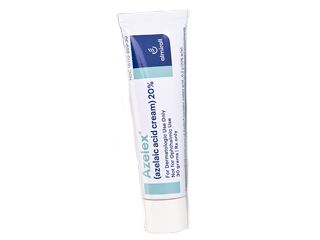
Azelex (Azelaic Acid) – Patient-Friendly Product Information (Australia)
Azelex is a medicine containing azelaic acid, a naturally occurring substance used in dermatology to treat certain skin concerns. It is commonly available as a cream or gel and works in multiple ways to improve the appearance of skin, particularly for acne and certain pigmentation problems.
This page provides clear, practical information about how Azelex works, how to use it effectively, what to expect, and what to consider for safety. If you have questions about whether Azelex is suitable for you, speak with a pharmacist or healthcare professional.
Quick Overview
- Active ingredient: Azelaic acid
- Common forms: Cream or gel (strength may vary by product)
- Typical uses: Acne (including inflammatory acne) and some pigmentation conditions such as melasma
- How it works: Targets acne-related pathways, helps normalise skin cell behaviour, and can reduce pigment formation
- When to expect results: Some improvement may be seen after a few weeks; fuller results can take several months
- Australia availability: Sold through pharmacies and reputable online pharmacies
Basic Product Information
Azelex is a topical (applied to the skin) treatment. Azelaic acid is used for:
- Acne: Reducing inflammation and helping prevent clogged pores
- Pigmentation conditions: Helping lighten excess pigmentation and improving uneven skin tone
Brand availability and pack strength can vary. Always check the specific product label for the exact concentration and directions.
Mechanism of Action (How Azelex Works)
Azelaic acid works through several complementary mechanisms. These can be helpful for both acne and pigment-related skin concerns:
- Anti-inflammatory activity: Helps calm redness and irritation associated with inflammatory acne.
- Normalises keratinisation: May help reduce abnormal buildup of skin cells in pores, which can contribute to comedones (clogged pores).
- Antimicrobial effects: Reduces the growth of acne-associated bacteria and can lower irritation linked to skin microbes.
- Decreases abnormal pigment formation: Can help reduce melanin overproduction in conditions such as melasma and post-inflammatory hyperpigmentation.
- Antioxidant properties: May contribute to overall skin improvement by reducing oxidative stress involved in pigmentation.
Pharmacokinetics (Absorption and Body Handling)
Because Azelex is applied to the skin, most of its action is local. When azelaic acid is used topically:
- Skin absorption: Some azelaic acid can be absorbed through the skin, though the extent is generally limited.
- Metabolism: Absorbed azelaic acid may be metabolised into smaller naturally occurring compounds.
- Excretion: Metabolites are largely eliminated by the kidneys (via urine).
For most people using azelaic acid as directed, systemic exposure is low, which is why topical use is commonly tolerated.
What Azelex Is Typically Used For
Acne
Azelex may be used to treat acne vulgaris, including:
- Inflammatory acne (red, tender spots)
- Acne with clogged pores (comedones)
- Supportive treatment alongside other acne routines
Hyperpigmentation and Uneven Skin Tone
Azelaic acid can be used for certain pigmentation conditions, including:
- Melasma (patchy facial hyperpigmentation)
- Post-inflammatory hyperpigmentation (dark marks after acne or skin inflammation)
- Uneven tone due to various inflammatory triggers
The best results for pigmentation typically require consistent daily use and careful sun protection.
How to Use Azelex: Timing and Routine
Correct timing and consistency are important. Azelaic acid usually works gradually, especially for acne control and pigmentation changes.
Typical timing
- Start gently: Begin once daily or every other day if your skin is sensitive.
- Build up: If tolerated, increase to the schedule recommended on your product label or by your healthcare professional.
- Long-term use for best effects: Pigmentation treatments often require months of steady use.
Apply correctly
- Cleanse your skin with a gentle cleanser.
- Pat dry (don’t rub).
- Apply a thin layer to the affected area.
- Wash hands after applying (unless treating your hands).
- Avoid eyes, lips, corners of the nose, and any broken skin.
Can it be used with other skin products?
Many people combine azelaic acid with moisturisers and sunscreen. If you also use active acne or anti-ageing ingredients (such as retinoids, benzoyl peroxide, or strong exfoliants), you may need to separate products by time or frequency to reduce irritation.
Food Interactions
There are no known direct food interactions for azelaic acid topical preparations. Because it is applied to the skin and systemic absorption is generally low, dietary changes are typically unnecessary.
Alcohol Interactions
There are typically no alcohol-specific interactions with topical azelaic acid.
However, if alcohol causes flushing or irritation in your skin (some people notice this), it may indirectly worsen redness for certain conditions. Watch how your skin responds individually.
Interactions with Other Medicines
With topical azelaic acid, clinically significant interactions are considered unlikely due to low systemic absorption. Still, it’s wise to consider possible effects when used with other topical agents.
Topical combinations (common considerations)
- Other acne actives: Combining with strong exfoliants or drying products may increase irritation.
- Retinoids: If you use a retinoid, consider alternating nights or using them on different days initially.
- Benzoyl peroxide: Some people choose to alternate schedules to minimise dryness and stinging.
- Harsh cleansers/toners: These can worsen dryness and reduce tolerance.
Systemic medicines
There are generally no major systemic drug interaction concerns for topical azelaic acid.
If you use other medicines (including prescription or complementary products), ask your pharmacist to check for compatibility with your skin routine.
Indications (When Azelex May Be Appropriate)
Azelex is indicated for conditions where azelaic acid has evidence of benefit, commonly:
- Acne: Treatment of acne vulgaris
- Melasma: Reduction of hyperpigmentation
- Post-inflammatory hyperpigmentation: Helps lighten dark marks after skin inflammation
Individual suitability depends on your skin type, the cause of your condition, and your tolerance to topical treatments.
Dosing (How Much to Use)
Dosing can vary depending on the product strength and your condition. Follow the directions on the pack. In general:
Typical dosing guidance
- Amount: Apply a thin layer to the affected area and surrounding skin (as needed).
- Frequency: Often once daily to twice daily for acne or pigmentation, but start slowly if you’re sensitive.
- Consistency: Use regularly to maintain benefits.
Special advice for sensitive skin
- Start with every other day for the first 1–2 weeks.
- Apply moisturiser after, if your skin feels dry (or before, depending on tolerance).
- Reduce frequency if you experience stinging or significant redness.
If you miss a dose, apply it when you remember unless it’s close to the next scheduled application. Do not apply extra product to “catch up”.
Safety Profile and Side Effects
Azelaic acid is generally well tolerated, particularly when introduced gradually. As with all topical medicines, side effects can occur—most are mild and relate to skin irritation.
Common side effects
- Dryness or flaking
- Redness
- Stinging, burning, or itching
- Skin irritation at the application site
Less common effects
- Contact dermatitis (a skin allergy-type reaction in some individuals)
- Swelling or worsening rash
- Changes in skin sensitivity
When to seek help urgently
Seek urgent medical advice if you develop signs of a serious allergic reaction, such as:
- Facial swelling
- Difficulty breathing
- Widespread hives
- Severe rash or blistering
How to reduce irritation (practical safety tips)
- Use a gentle cleanser and moisturiser.
- Apply to fully dry skin.
- Avoid combining with multiple irritating actives on the same day initially.
- Wear sunscreen daily (especially important for pigmentation problems).
Practical Use Tips (Getting the Best Results)
Be patient: gradual improvement is normal
Acne and pigmentation do not always improve overnight. Many users notice changes in:
- Acne: possible improvement after a few weeks
- Pigmentation: often takes several months for noticeable lightening
Sunscreen is essential for pigmentation
If using azelaic acid for melasma or dark marks, sun exposure can undo progress. Consider:
- Using broad-spectrum sunscreen daily
- Reapplying when outdoors
- Wearing hats or protective clothing
Use moisturiser to improve tolerance
A moisturiser can reduce dryness and stinging, helping you stay consistent with treatment.
Avoid sensitive areas
- Do not apply near the eyes or on the eyelids.
- Avoid corners of the nose and mouth.
- Keep away from broken or irritated skin unless advised.
Make it part of a routine
For example, many people find it easiest to apply after cleansing in the evening, then moisturise. If your skin is sensitive, you may prefer mornings and alternate days.
Alternative Options
Depending on your skin concern, there are several alternative topical and non-topical options. Your best choice depends on your specific diagnosis, severity, skin sensitivity, and treatment goals.
For acne
- Benzoyl peroxide (anti-bacterial and anti-inflammatory)
- Topical retinoids (help prevent clogged pores)
- Salicylic acid (exfoliating; helps with clogged pores)
- Topical antibiotics in selected cases (used under appropriate medical supervision)
- Oral options for moderate to severe acne (not a substitute for topical therapy in mild disease)
For melasma and pigmentation
- Hydroquinone (often used in specific regimens and time-limited courses)
- Retinoids (help with cell turnover and pigment)
- Vitamin C and niacinamide (supportive brightening; generally milder)
- Professional options such as chemical peels or laser therapies (appropriate selection is critical)
If your pigmentation is persistent, worsening, or you’re unsure of the diagnosis, consider seeking advice from a healthcare professional or dermatologist.
Market and Legal Context in Australia
In Australia, topical azelaic acid products may be supplied through pharmacies depending on formulation and regulatory status. Availability can vary between brands and strengths, and some products may be scheduled or restricted while others may be accessible via pharmacy channels.
For the most current information about product classification and availability, check the specific product page on your pharmacy website or ask a pharmacist.
Sun protection and skin safety guidance is widely emphasised across Australia, particularly for pigmentation concerns, since UV exposure can trigger or worsen melasma.
Recent Guidance and Practical Expectations
Clinical practice trends and consumer guidance commonly emphasise:
- Realistic timelines: acne improvement can take weeks; pigmentation can take months
- Consistency: irregular use may reduce results
- Barrier support: using moisturisers and gentle cleansers helps reduce irritation
- Sun avoidance strategies: daily sunscreen is strongly recommended for pigmentation
- Staged introduction: start low frequency to improve tolerability
If your skin becomes significantly irritated, it may help to pause and restart more gradually, or seek advice from a pharmacist or doctor.
Delivery and Availability (Online Pharmacy)
Availability may depend on the specific Azelex formulation and strength. When ordering from an online pharmacy in Australia, you may typically find:
- Fast dispatch (varies by pharmacy and stock levels)
- Delivery tracking for most orders
- Secure packaging to protect the product
Delivery times can vary across metro and regional areas. Check the estimated delivery window during checkout. If you need your product urgently, contact the pharmacy to confirm current dispatch schedules.
Always store azelaic acid as directed on the pack (typically in a cool, dry place, away from direct sunlight).
FAQ
1. How long does it take to see results with Azelex?
Acne may start to improve after a few weeks, but pigmentation changes often take longer. Many people notice meaningful results after 2–3 months, and sometimes longer. Consistent use and sunscreen are especially important for melasma and dark marks.
2. Should I apply Azelex once or twice daily?
Follow the instructions on your specific product label. If you’re new to azelaic acid or have sensitive skin, many people start with once daily (or every other day) and gradually increase frequency if tolerated.
3. Can I use Azelex with sunscreen?
Yes—sunscreen is recommended, particularly for pigmentation. Apply Azelex first, allow it to absorb, and then apply your sunscreen.
4. What moisturiser should I use with Azelex?
A gentle, fragrance-free moisturiser is often best. If your skin feels dry or stings, moisturising can improve tolerability. If you’re unsure, ask a pharmacist for suitable options.
5. Will Azelex bleach my skin or cause permanent lightening?
Azelaic acid is intended to help reduce excess pigment and even skin tone. It generally does not “bleach” skin in the way some severe agents can. Results are gradual and depend on your condition, sun exposure, and consistent use.
6. Can I use Azelex if I have eczema or very sensitive skin?
Many people can use azelaic acid, but sensitivity varies. If you have active eczema or significantly irritated skin, discuss suitability with a pharmacist or clinician. You may need to start slowly or avoid during flares.
7. What should I do if I experience burning or redness?
Mild stinging can occur, especially when starting. Try applying less frequently, using a smaller amount, and moisturising to support the skin barrier. If irritation is severe, discontinue and seek advice.
8. Is there an alcohol interaction?
There is generally no direct alcohol interaction with topical azelaic acid. If alcohol makes your face flush or worsens redness, you may notice increased irritation—monitor your response.
9. Can I apply Azelex after shaving or exfoliating?
It’s best to avoid applying immediately after shaving, waxing, or strong exfoliation when skin is irritated or micro-damaged. Wait until the skin feels calm.
10. Is Azelex suitable for post-acne marks (dark spots)?
Azelaic acid is commonly used to help fade post-inflammatory hyperpigmentation (dark marks after acne). Results depend on ongoing sun protection and consistent treatment.
Note: This information is intended as a general guide. Product formulations and instructions can differ. Always read the label on your Azelex pack and consult a pharmacist for advice tailored to your skin and other products you use.