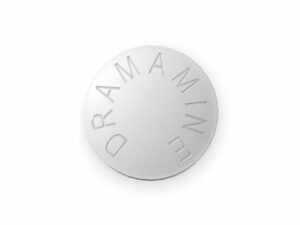


Antivert (Meclizine) – Patient Guide (Australia)
Antivert is a brand of meclizine, a medicine used to help relieve symptoms of vertigo (a sensation of spinning or movement) and related nausea. This guide explains what Antivert does, how it works, when to take it, and important safety information to help you use it confidently.
This information is general and not a substitute for advice from a healthcare professional. If you are unsure whether Antivert is suitable for you, seek medical advice—especially if you have other medical conditions or take regular medicines.
Key product information
| Item | Details |
|---|---|
| Brand | Antivert |
| Active ingredient | Meclizine |
| Medicine type | Antihistamine (first-generation/“sedating” H1 antihistamine) |
| Common uses | Vertigo, dizziness, nausea associated with motion/inner ear problems |
| How it may feel | May reduce dizziness and nausea; can cause drowsiness |
| Typical dosing form | Tablets (strengths vary by product availability) |
What is vertigo?
Vertigo is not the same as simple “feeling light-headed.” It is usually a sensation of spinning, tilting, or movement even when you are still. It is often linked to the inner ear (the vestibular system).
People may also experience nausea, vomiting, and imbalance. Antivert works mainly by calming the body’s response to vestibular signals and reducing the nausea associated with these symptoms.
How Antivert (meclizine) works (mechanism of action)
Meclizine is an H1 antihistamine with anti-vertigo effects. While antihistamines are often associated with allergy symptoms, meclizine is also used for dizziness because it helps:
- Reduce signals from the vestibular system that contribute to vertigo and nausea.
- Provide antiemetic (anti-nausea) and vestibular-suppressing effects.
- Possibly reduce stimulation of pathways in the central nervous system involved in motion sensitivity.
The result is that many people feel less spinning, less nausea, and improved ability to function during episodes.
Pharmacokinetics (how the body handles meclizine)
“Pharmacokinetics” describes the journey of a medicine in the body—how it is absorbed, distributed, metabolised, and eliminated. The exact values can vary between individuals.
- Absorption: Meclizine is generally absorbed through the gastrointestinal tract after oral dosing.
- Onset of action: Many people notice symptom relief within about 1–2 hours, with some variation.
- Duration: Effects may last several hours; dosing frequency depends on symptoms and product guidance.
- Metabolism: Meclizine is metabolised mainly in the liver.
- Elimination: Metabolites are excreted via urine (and some via other routes).
If you feel the medicine is not controlling symptoms adequately, it’s important not to increase the dose on your own. Speak with a pharmacist or clinician for tailored advice.
Typical uses in Australia
Antivert (meclizine) is commonly used to help manage:
- Vertigo and dizziness (including episodes triggered by inner ear disturbances)
- Nausea and vomiting associated with vertigo
- Motion-related symptoms in some people (e.g., feeling sick during travel), as directed on product information
When to take it (timing)
Timing can make a difference, especially for travel-related symptoms.
For vertigo or dizziness episodes
- Take as directed when symptoms begin.
- Some people plan their first dose at the start of an episode to reduce the severity of nausea and dizziness.
For travel/motion sickness prevention
- For motion-related symptoms, take the dose before travel (often 1–2 hours ahead, depending on product guidance).
- This allows the medicine to reach effective levels before motion triggers symptoms.
If you miss a dose, take the next dose at the appropriate time—generally, don’t double up unless your pharmacist or prescriber tells you to.
Food interactions and taking with meals
Meclizine can usually be taken with or without food. Food may affect comfort and how quickly you feel drowsy, but it typically does not significantly change the overall effectiveness.
- If nausea is part of your symptoms, taking with a light snack may be more comfortable.
- Avoid very heavy, greasy meals before travel if you are prone to motion sickness—this may reduce nausea regardless of medicine.
If you experience stomach upset, try taking it with food and water, unless your product information advises otherwise.
Alcohol and medicine interactions
Because meclizine may cause drowsiness and reduce reaction time, alcohol can increase these effects.
Alcohol
- Avoid or minimise alcohol while taking Antivert.
- Alcohol and sedating antihistamines together can significantly impair driving, balance, and judgement.
Other medicines that may interact
Inform your pharmacist about all medicines and supplements you use. Particularly important are:
- Other sedating antihistamines (e.g., some allergy/cold medicines)
- Sleeping tablets or sedatives
- Opioid pain medicines
- Some antidepressants or anti-anxiety medicines that can cause drowsiness
- Muscle relaxants
- Anti-nausea medicines or other vestibular suppressants
Combining multiple sedating medicines increases the risk of excessive sedation, impaired coordination, and falls.
If you use medications for Parkinson’s disease or have certain neurological conditions, also consult a healthcare professional, as antihistamines can sometimes worsen symptoms.
Indications (who it is for)
Antivert (meclizine) is indicated for symptomatic relief of:
- Vertigo and dizziness
- Nausea and vomiting associated with vertigo
- Motion-related sickness in some circumstances, depending on product directions
It is not a cure for the underlying cause of vertigo, such as inner ear inflammation, migraine-associated vertigo, or other conditions. If symptoms persist, worsen, or are accompanied by concerning features, medical assessment may be needed.
Dosing (typical adult dosing guidance)
Dosing may vary depending on the strength of the tablet and the condition being treated. Always follow the directions on the product label or the advice of a pharmacist.
Adults (typical use):
- Meclizine is commonly taken in divided doses throughout the day for symptom control.
- A frequent pattern used in many product regimens is 25 mg per dose, with dosing intervals often around 24 hours or 6–8 hours depending on the formulation and guidance.
Children:
- Use in children should follow product directions and professional advice.
- Children are more sensitive to sedating effects; dosing must be age-appropriate and carefully supervised.
Older adults:
- Older adults may be more prone to dizziness, falls, confusion, constipation, and urinary retention with sedating antihistamines.
- It may be necessary to use the lowest effective dose and monitor closely.
Practical dosing tips
- Start at the lowest dose you’re advised to use.
- If you plan travel, consider dosing timing so the medicine is active before motion begins.
- Do not increase dose to “catch up.” If symptoms are not controlled, consult a pharmacist.
Safety profile and side effects
Like all medicines, Antivert (meclizine) can cause side effects. Many are mild, but some require urgent attention. The risk depends on your health, other medicines, and the dose you take.
Common side effects
- Drowsiness or feeling “sleepy”
- Dry mouth
- Blurred vision in some people
- Constipation or stomach discomfort
- Headache
- Fatigue
Less common but important effects
- Dizziness worsening in some individuals (especially if the dose is too high)
- Confusion, especially in older adults
- Urinary retention (difficulty passing urine), especially in people with prostate enlargement
- Allergic reactions (rare)
Seek urgent medical help if
- You develop signs of a severe allergic reaction (e.g., swelling of the face/lips, breathing difficulty, severe rash)
- You experience severe confusion, fainting, or falls
- There are signs of serious illness such as persistent vomiting with inability to keep fluids down
When to be extra careful
Talk to a pharmacist or clinician before using Antivert if you have:
- Glaucoma (especially narrow-angle glaucoma)
- Prostate problems or trouble urinating
- Liver disease or significant liver impairment
- Breathing problems (e.g., COPD) or sleep apnoea
- Myasthenia gravis (or other muscle weakness conditions)
Practical use tips (how to get the best results safely)
- Avoid driving and hazardous tasks until you know how Antivert affects you. Drowsiness and slower reaction time can occur.
- Rise slowly from sitting or lying positions to reduce the chance of dizziness or falls.
- Hydrate especially if you feel nauseated. Small sips may be easier if your stomach is unsettled.
- Use during the episode as advised. If vertigo is recurrent, consider discussing the underlying cause with a clinician.
- Watch for constipation: increase fluids and fibre, and seek advice if constipation becomes troublesome.
- Plan your travel: choose a seat with the least motion (often front/over the wing on planes, or over the centre on boats), and look at the horizon if possible.
Alternative options
Depending on the cause of vertigo and your situation, other approaches may be more suitable. Alternatives can include both non-medicine and medicine options.
Non-medicine measures
- Vestibular rehabilitation exercises (especially for certain inner ear causes)
- Hydration and avoiding triggers (e.g., sudden head movements)
- Motion-sickness strategies such as staying still, focusing on the horizon, and improving ventilation
Other medicine options (examples)
- Dramamine (dimenhydrinate) – another antihistamine sometimes used for motion sickness
- Scopolamine – an anticholinergic medicine used for motion sickness (may have different side effects)
- Betahistine – used in some conditions related to inner ear symptoms (availability and suitability vary)
- Anti-nausea medicines – selected based on cause and symptom profile
The “best” alternative depends on why you feel dizzy (inner ear issue, migraine, medication side effects, dehydration, etc.). Ask a pharmacist if Antivert is the most appropriate option for your symptoms.
Market and legal context for Australia
In Australia, medicines are regulated through the Therapeutic Goods Administration (TGA). Availability and classification (for example, listed vs pharmacy vs prescription status) depend on the specific product and formulation.
For online pharmacy purchases, regulated suppliers follow requirements around product identification, correct labelling, and supply in line with relevant Australian rules. Always ensure the product you receive matches the information on the listing.
If you have questions about suitability, interactions, or how to use the product safely, you can consult a pharmacist via the pharmacy’s support channels.
Recent guidance and considerations (general)
Clinical guidance for vertigo and dizziness commonly emphasises identifying the underlying cause and using symptomatic treatments while addressing triggers. In many cases, healthcare professionals consider:
- Whether symptoms could be due to inner ear disorders, migraine, medication effects, infection, or dehydration
- The risks of sedating medicines, particularly in older adults and in people who need to drive or work with machinery
- Red flags that warrant urgent assessment (e.g., neurological symptoms, severe headache, fainting, or persistent vomiting)
Antivert can provide short-term relief for many people, but persistent or severe symptoms should be reviewed.
Delivery and availability (online pharmacy)
Antivert may be available from online pharmacies depending on stock levels and the specific formulation strength. Delivery timelines can vary by location and the shipping method selected at checkout.
- Availability: Subject to supply and regional distribution.
- Delivery: Typically provided as a standard or express option at checkout.
- Packaging: Supplied in original manufacturer packaging where possible for safety and traceability.
- Storage: Store as directed on the product label (commonly in a cool, dry place, away from direct sunlight).
If you need help confirming that the product you’re ordering is the correct strength or formulation, contact the pharmacy support team before placing your order.
How to store Antivert
- Store at room temperature as directed on the label.
- Keep out of sight and reach of children.
- Do not use after the expiry date on the pack.
- Return unused medicine according to local waste disposal guidance (ask your pharmacist if unsure).
FAQ
1) How quickly does Antivert (meclizine) work?
Many people notice improvement within about 1–2 hours. Some may take longer, depending on the severity of symptoms, whether you’ve eaten recently, and individual differences.
2) Can I take Antivert for motion sickness when travelling?
Often, it can help with motion-related dizziness and nausea. For prevention, take it before travel as directed on the product information (commonly 1–2 hours before). If you’re unsure, ask a pharmacist.
3) Will Antivert make me sleepy?
It can. Drowsiness is a common effect of first-generation antihistamines like meclizine. Avoid driving or operating machinery until you know your response.
4) Is it safe to drink alcohol while taking Antivert?
It’s best to avoid or minimise alcohol because alcohol can increase drowsiness and impair coordination.
5) Can I take Antivert with other allergy or cold medicines?
Be cautious—some cold/allergy products contain antihistamines or other sedating ingredients. Combining them can increase side effects. Check labels and speak with a pharmacist.
6) What should I do if I miss a dose?
Take your next dose at the usual time. Don’t double up. If you miss multiple doses or your symptoms are severe, seek advice.
7) Who should avoid meclizine or use it with extra caution?
Extra caution is recommended for people with certain conditions such as narrow-angle glaucoma, urinary retention/prostate enlargement, liver impairment, and for older adults due to increased risk of side effects like confusion and falls.
8) When should I seek medical help for vertigo?
Seek urgent medical assessment if you have symptoms such as weakness/numbness, trouble speaking, severe headache, fainting, chest pain, persistent vomiting with inability to keep fluids down, or vertigo that is sudden and unexplained.
9) Does Antivert cure vertigo?
Antivert typically provides symptom relief. It may not address the underlying cause of vertigo. If symptoms are recurring or persistent, ask a clinician to review the cause and longer-term management.
10) Are there any non-medicine options I should consider?
Yes. Depending on the cause, vestibular rehabilitation, hydration, and trigger management can help. A healthcare professional can guide you toward appropriate options.
Summary
Antivert (meclizine) is an antihistamine medicine used to relieve vertigo, dizziness, and associated nausea. It can begin working within about an hour or two and may last several hours. Because it can cause drowsiness, it’s important to avoid alcohol and to be careful with driving and hazardous activities.
If your symptoms are frequent, severe, or accompanied by warning signs, consider seeking professional assessment to identify the cause.