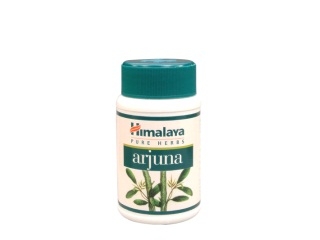

Arjuna (Terminalia arjuna) – Patient-Friendly Guide for Australian Customers
Arjuna is a well-known herbal medicine used traditionally in South Asia and commonly in modern wellness routines. In Australia, it is typically sold as an herbal supplement containing Terminalia arjuna, often marketed for supporting heart health and circulation. This guide explains what Arjuna is, how it may work, how it’s used, key interactions (including food, alcohol, and other medicines), expected timing, safety considerations, and practical tips for getting the most from your product—along with alternatives and frequently asked questions.
Note: Product formulations can vary (for example, standardized extracts vs. traditional preparations). Always check the label of the specific brand you purchase and follow the dosing instructions provided with that product.
Basic Product Information
| Category | What it is |
|---|---|
| Common name | Arjuna |
| Scientific name | Terminalia arjuna |
| Type | Herbal medicine / dietary supplement (depending on how it is marketed) |
| Typical form | Tablets, capsules, powders, or standardized extracts |
| Traditional use | Support for cardiovascular health and general strength/endurance |
| Common target users | People looking for heart- and circulation-supportive supplementation |
What’s inside? Arjuna products usually contain plant-derived material from the bark of Terminalia arjuna. Many modern products aim to standardize levels of naturally occurring compounds (commonly referred to as arjunins or related constituents), though exact standardization varies by brand.
How Arjuna Works (Mechanism of Action)
Arjuna’s effects are complex because it contains multiple naturally occurring compounds. While the precise mechanism is not fully established, several pathways are commonly discussed in both traditional use and modern research contexts:
- Supports cardiovascular function: Arjuna may support healthy blood vessel function, including effects on vascular tone and circulation.
- May influence cholesterol and lipid balance: Some evidence suggests potential effects on lipid parameters, though results vary across studies and product types.
- Antioxidant activity: The plant has naturally occurring compounds that may help reduce oxidative stress, which is one pathway linked to cardiovascular ageing.
- Potential anti-inflammatory effects: Reduced inflammatory signalling may contribute to overall cardiovascular support.
- Helps maintain exercise tolerance (in some users): In traditional settings it’s used to support strength; some modern users report improved stamina, though responses differ.
Important: Arjuna is used for supportive care and wellness. It is not a direct substitute for medical treatment where that is needed.
Pharmacokinetics (Absorption, Distribution, Metabolism, Elimination)
“Pharmacokinetics” describes what the body does to a medicine: absorption, distribution, metabolism, and elimination. For herbal products like Arjuna, robust pharmacokinetic data can be limited and may vary between formulations.
- Absorption: Active constituents may be absorbed after oral dosing, but bioavailability can vary widely depending on extract type and formulation.
- Distribution: Once absorbed, compounds may distribute to tissues involved in cardiovascular health, though the full distribution profile is not fully mapped for all constituents.
- Metabolism: Herbal constituents are typically metabolized in the liver and other tissues. Metabolic pathways may depend on the specific compounds present.
- Elimination: Most metabolites are eventually cleared via urine and/or bile. The exact half-life for individual constituents is not consistently established for all Arjuna products.
What this means for you: Because formulations differ, the onset and the consistency of effects can vary. If you’re using Arjuna to support a routine wellness goal, allow time for consistent daily use rather than expecting immediate effects.
Typical Use and Indications
In Australia, Arjuna is generally used as a herbal cardiovascular-support supplement. People commonly use it for:
- Heart and circulation support (general wellness)
- Supporting healthy blood vessel function
- Complementing lifestyle measures such as exercise, healthy diet, and weight management
- Overall strength/endurance support in traditional practice
Indications (plain language): Arjuna is typically chosen when the goal is support for cardiovascular health and wellbeing. It is not intended to “treat” acute symptoms by replacing established medical care.
Dosing: How Much to Take
Dosing depends on the product’s strength (mg per capsule/tablet, or standardized extract). Always follow the label directions for the exact brand you purchased.
Common dosing patterns (general guidance)
- Typical adult range: Many Arjuna products provide an amount intended for daily use, often split into one to two doses per day.
- Start low if you’re new: Some people begin with the lower end of the label range to assess tolerance.
- Consistency matters: Daily use is usually required before you can judge whether it’s helping your goals.
If you have a medical condition or take other medicines: Speak with a qualified healthcare professional for individualized advice, especially because herbal products can interact with cardiovascular and metabolic medicines.
Timing: When to Take Arjuna
Most users take Arjuna once or twice daily, aligning with their routine.
- With or without food: Many people tolerate Arjuna equally well with meals or snacks; however, some formulations may be gentler when taken with food.
- Consistent time each day: Keeping the same timing helps you remember and maintain consistent intake.
- Assess response after several weeks: For supportive wellness, consider reviewing your goals after a few weeks of consistent use.
Practical tip: If the product upsets your stomach, try taking it with food and stay well hydrated.
Food Interactions (What to Watch)
Food can affect herbal absorption. While major food-drug interactions are not always documented for Arjuna, the following general points can help:
- Taking with meals may improve tolerance: If you’re prone to indigestion, choose after meals.
- Avoid very inconsistent routines: If you take it with food one day and on an empty stomach the next, absorption may vary.
- Grapefruit and herbal “complexes”: If your product or routine includes multiple herbal products, consider the overall interaction profile.
Also consider nutrition and lifestyle: Heart health support works best with a balanced diet, regular physical activity, and adequate sleep.
Alcohol and Medicine Interactions
Alcohol
There is no universally established “hard rule” that alcohol is forbidden with Arjuna, but alcohol can:
- Increase the risk of stomach irritation for some people
- Alter cardiovascular strain (especially if you drink heavily)
- Complicate the monitoring of how you feel while starting a supplement
Recommendation: Keep alcohol intake moderate. If you notice dizziness, palpitations, stomach upset, or unusual fatigue after starting Arjuna, avoid alcohol and discuss with a healthcare professional.
Interactions with other medicines
Herbal products may interact with prescription medicines through metabolism pathways or additive effects. Arjuna is often associated with cardiovascular wellness, so interaction concerns may be most relevant for medicines that affect the heart, blood pressure, clotting, and metabolic markers.
- Blood pressure medicines: Potential additive effects on blood pressure may occur. Monitor for light-headedness or unusual tiredness.
- Cholesterol-lowering medicines: Possible additive effects may occur; this may be beneficial but should still be monitored.
- Blood thinning/antiplatelet medicines: While not always documented for Arjuna, many cardiovascular herbal products can influence bleeding risk. Extra caution is warranted.
- Diabetes medicines: If Arjuna affects metabolic parameters for you, it could contribute to changes in blood glucose.
- Other herbal supplements: Using multiple heart/circulation herbs may increase the likelihood of additive effects.
What to do: If you take regular medicines (especially cardiovascular or metabolic medicines), talk to your pharmacist or doctor before starting Arjuna. Bring the product label or a photo of the ingredients to your appointment.
Safety Profile and Side Effects
Most people tolerate Arjuna well when used at recommended doses. However, as with any supplement, side effects can occur—especially if you have sensitivities or take it alongside other products.
Common possible side effects
- Gastrointestinal discomfort (e.g., nausea, mild stomach upset)
- Heartburn or indigestion
- Headache in sensitive individuals
Less common but important reactions
- Allergic reactions (rash, itching, swelling, difficulty breathing)—stop use and seek urgent help.
- Unusual dizziness or changes in blood pressure—seek medical advice.
Who should be extra cautious
- Pregnancy and breastfeeding: Safety data is limited for herbal medicines. Avoid unless a qualified clinician advises it.
- Children: Use only if advised by a healthcare professional; dosing should not be assumed.
- People with chronic liver or kidney disease: Herbal constituents are metabolized and cleared by the body; caution is advised.
- Those scheduled for surgery: Discuss supplements ahead of time, because they may affect bleeding risk or recovery indirectly.
Stop and get advice if: you experience persistent stomach upset, skin reactions, fainting, severe dizziness, or any new/worsening cardiovascular symptoms.
Practical Use Tips (Getting the Best Results)
- Choose reputable products: Look for clear ingredient lists, standardized labeling where available, and batch/quality testing information from the manufacturer.
- Follow the label dosing exactly: Avoid “stacking” multiple brands trying to increase effect.
- Track your response: Note any changes in energy, exercise tolerance, digestion, or blood pressure readings (if you monitor).
- Keep lifestyle consistent: If you exercise or adjust diet, try to keep changes steady so you can better interpret results.
- Give it time: For heart-health support, evaluate after a few weeks of regular use, not after a single dose.
- Be careful with multiple supplements: Combining several cardiovascular herbs can increase interaction risk.
- Hydration and meals: Taking with meals can improve comfort for many people.
Alternative Options
If Arjuna doesn’t suit your needs, preferences, or tolerance, consider discussing alternatives with a pharmacist or doctor. Common wellness options for cardiovascular support include:
- Omega-3 fatty acids (fish oil): Often used for lipid and cardiovascular support.
- Coenzyme Q10 (where appropriate): Used for energy support in some cardiovascular wellness routines.
- Magnesium: May support muscle and nerve function; sometimes used for relaxation and heart rhythm comfort (dose dependent).
- Hawthorn (carefully): Used traditionally for cardiovascular support; interactions and quality can vary.
- Garlic extracts: Some people use garlic for circulation and lipid support—again, interaction risk varies.
Key point: Alternatives may have different interaction and safety profiles. If you take medicines for heart health, it’s best to confirm compatibility before switching.
Market, Regulation, and Legal Context for Australia
In Australia, herbal products may be regulated differently depending on claims and classification. Many are supplied as complementary medicines or dietary supplements. How a product can be marketed is influenced by Australian regulatory requirements, including rules on:
- Allowed claims: Manufacturers must ensure marketing statements comply with regulatory guidelines.
- Quality and manufacturing standards: Products should meet required standards for manufacturing, labeling, and safety.
- Ingredient listing: Labels must be clear about contents and dosing information.
For customers: Choose products with transparent labeling and reputable sourcing. If a product makes strong disease-treatment claims, be cautious and ask a pharmacist or check with relevant Australian health resources.
Recent guidance (general direction): In Australia and globally, regulatory attention continues to increase around herb quality, contamination risk, and evidence-based claims. Customers are encouraged to:
- Prefer products with quality assurance and clear standardization
- Be wary of exaggerated performance claims
- Confirm compatibility with existing medicines
Delivery, Availability, and What to Expect
Arjuna products are commonly available through online pharmacies and supplement retailers in Australia. Availability may vary depending on stock and supplier agreements.
- Delivery options: Typically includes standard and express options (availability depends on location).
- Packaging: Most products are shipped in manufacturer-branded packaging or protective shipping materials.
- Storage: Store as directed on the label—usually in a cool, dry place away from direct sunlight.
- Use-by date: Always check the expiry date before use.
Tip: If you’re starting Arjuna for the first time, consider ordering enough for at least a month so you can maintain consistent daily use without rushing.
FAQ – Frequently Asked Questions
1) What is Arjuna used for?
Arjuna is commonly used to support cardiovascular health and general circulation as part of a wellness routine. It may also be used traditionally for strength and endurance. Results vary between individuals and depend on the specific product and lifestyle factors.
2) How long does it take to work?
Because Arjuna is supportive rather than “instant,” many people notice changes in how they feel only after consistent use over several weeks. If you don’t feel any benefit, review your dose (as per label), consistency, and lifestyle factors.
3) Can I take Arjuna with food?
Most people can take Arjuna with or without food. If you experience stomach discomfort, taking it with meals may help.
4) Does Arjuna interact with blood pressure or heart medicines?
Potential interactions are possible, particularly if you take medicines that affect blood pressure or cardiovascular function. It’s safest to check with a pharmacist or clinician before starting—especially if you monitor blood pressure at home.
5) Is it safe to drink alcohol while using Arjuna?
Moderate alcohol intake is typically not automatically “forbidden,” but alcohol can worsen stomach irritation and complicate how you feel. If you notice dizziness, palpitations, or stomach upset, avoid alcohol and seek medical advice.
6) Can I take Arjuna with other supplements?
You can, but be cautious. Combining multiple cardiovascular or metabolic supplements can increase the chance of additive effects. If you’re taking other herbs or supplements, check ingredient overlap and interaction risks.
7) Who should avoid Arjuna or speak with a doctor first?
Extra caution is advised for pregnant or breastfeeding people, children, anyone with significant liver/kidney problems, and those taking regular cardiovascular, blood thinning, or diabetes medicines. If you have any concerns, speak with a healthcare professional.
8) What side effects should I watch for?
Common side effects may include mild stomach upset or headache. Stop use and seek urgent help if you develop signs of allergy (rash, swelling, breathing difficulties) or severe/unusual cardiovascular symptoms.
9) How should I store Arjuna?
Store according to the product label, usually in a cool, dry place, away from sunlight, and out of reach of children.
10) What are good alternatives to Arjuna?
Alternatives depend on your goal. Common options include omega-3 fatty acids, Coenzyme Q10, magnesium, and certain other herbal cardiovascular supporters. Always check interaction and safety profiles for your specific medicine routine.
Summary
Arjuna (Terminalia arjuna) is widely used in Australia as an herbal cardiovascular-support supplement. It may support healthy circulation and overall heart wellness through antioxidant and vascular-support pathways. When used consistently at label-recommended doses, many people tolerate it well. Because herbal products can interact with medicines—particularly those affecting blood pressure, lipids, glucose, or clotting—it’s important to consider your current medication list, monitor how you feel, and choose a reputable product.
If you have questions about whether Arjuna is suitable for you: consult a pharmacist or healthcare professional, and always keep the product label information handy for accurate guidance.