
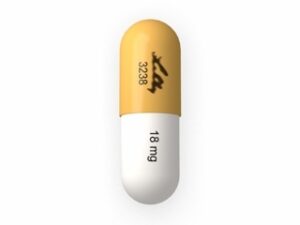
Atomoxetine (Strattera® and Generics) – Patient-Friendly Medicine Information (Australia)
Atomoxetine is a prescription medicine commonly used to treat Attention-Deficit/Hyperactivity Disorder (ADHD). It is different from stimulant medicines and is often chosen when a person prefers non-stimulant treatment, has certain medical conditions, or when stimulants are not suitable. This page explains how atomoxetine works, how it is taken, common safety considerations, and what to expect in everyday use in Australia.
Note: Medicine information below is designed to help you understand atomoxetine. Always follow your healthcare professional’s instructions for your specific situation.
Basic Product Information
| Category | Details |
|---|---|
| Generic name | Atomoxetine |
| Brand example (may vary) | Strattera® (brand naming can differ by product availability) |
| Medicine class | Selective norepinephrine reuptake inhibitor (SNRI-like mechanism, but not the same as typical antidepressants) |
| Formulations | Capsules (often in different strengths; exact strengths depend on supplier) |
| How it’s used | Oral dosing once or twice daily depending on the regimen and prescriber instructions |
| Common therapeutic target | ADHD symptoms such as inattention, impulsivity, and hyperactivity |
How Atomoxetine Works (Mechanism of Action)
Atomoxetine works by affecting chemicals in the brain involved in attention and behaviour. Specifically, it is a selective norepinephrine reuptake inhibitor.
- Norepinephrine is a neurotransmitter involved in attention, alertness, and impulse control.
- Atomoxetine blocks the reuptake of norepinephrine, helping increase its availability in certain brain pathways.
- This action can improve focus and self-control, supporting day-to-day functioning.
Because of this non-stimulant mechanism, atomoxetine generally does not provide an “immediate” rush effect like some stimulant medicines. Instead, improvements build over time.
Pharmacokinetics (Absorption, Onset, and How the Body Handles It)
Pharmacokinetics describes what happens to a medicine in the body.
- Absorption: Atomoxetine is taken by mouth and absorbed through the gastrointestinal tract.
- Peak levels: Blood levels rise after dosing and usually reach maximum concentration within several hours (commonly around 1–2 hours, but individual variation can occur).
- Metabolism: Atomoxetine is primarily metabolised in the liver, mainly by the enzyme CYP2D6. Genetic differences in CYP2D6 activity can affect how quickly people clear the medicine from their system.
- Half-life: The elimination half-life can vary; many people have a longer duration of action that supports once-daily dosing in some regimens. Some individuals (especially “poor metabolisers” of CYP2D6) can have higher exposure.
- Steady state: Regular dosing helps reach stable blood levels over several days to a few weeks.
Practical meaning: Expect effects to develop gradually, with symptom improvements often taking weeks rather than hours. Your clinician may adjust your dose based on response and tolerability.
What Atomoxetine Is Typically Used For (Indications)
Atomoxetine is indicated for the treatment of ADHD (Attention-Deficit/Hyperactivity Disorder) in children and adolescents and in adults, depending on local prescribing guidance and product wording.
It may be considered when:
- Stimulant medicines are unsuitable or not preferred
- There are concerns about misuse/diversion potential (atomoxetine is not a stimulant)
- A non-stimulant option is preferred for smoother or longer-lasting day coverage
- Co-existing issues make an alternative approach beneficial (your clinician will assess suitability)
Timing and How to Take Atomoxetine
Dosing schedules can vary by patient age, weight, symptom pattern, and tolerability. Many people take atomoxetine once daily or split doses (morning/evening).
Typical timing guidance
- Once-daily regimens: often taken in the morning or early afternoon. If it affects sleep or causes restlessness, your clinician may advise moving the dose earlier.
- Twice-daily regimens: the second dose is usually earlier in the day to reduce the risk of insomnia.
- Consistency matters: try to take it around the same time each day.
If you miss a dose
- Take it when you remember unless it is close to the next dose.
- If it’s almost time for the next dose, skip the missed dose and resume your normal schedule.
- Do not double up unless your healthcare professional instructs you to.
Dosing (General Information)
Atomoxetine dosing depends on body weight, age group, and treatment response. Below is general information only. Always use the dose you’ve been prescribed.
- Children and adolescents: dosing is commonly based on weight, with a titration schedule to reduce side effects while achieving therapeutic benefit.
- Adults: dosing may start lower and be adjusted gradually.
- Titration: it is common to increase dose gradually over time. This helps the body adapt and may improve tolerability.
Your clinician may adjust dose based on:
- Symptom response
- Side effects (e.g., nausea, sleep changes)
- Blood pressure/heart rate changes
- Other medicines you take
- Liver function considerations
Food Interactions and What to Eat
Atomoxetine can generally be taken with or without food. However, food may influence tolerability.
- If you experience nausea or stomach upset, taking atomoxetine with food may help.
- Try to keep intake consistent (e.g., take it the same way each day) so side effects are easier to predict.
- Stay hydrated and take note of how your body responds at your usual meal times.
Alcohol and Medicine Interactions
Alcohol
Atomoxetine is not specifically designed as an “alcohol-free” medicine, but alcohol can worsen side effects such as:
- Sleep problems
- Dizziness or impaired concentration
- Stomach upset
For many people, it’s best to limit alcohol or avoid it until you know how atomoxetine affects you. Discuss alcohol use with your healthcare professional—especially if you notice increased drowsiness, dizziness, or mood changes.
Interactions with other medicines
Atomoxetine is metabolised mainly by CYP2D6. Medicines that inhibit or strongly affect this enzyme can change atomoxetine blood levels. This can increase side effects or change effectiveness.
Examples of interaction risk categories include:
- Strong CYP2D6 inhibitors (may increase atomoxetine exposure)
- Some antidepressants and antipsychotics that can affect CYP2D6 activity
- Certain antiarrhythmics and other medicines that can influence CYP pathways
- Some cough/cold medicines or herbal products may also affect metabolism or overall tolerability
Tell your pharmacist or doctor about all medicines you use, including:
- Prescription medicines
- Over-the-counter products (OTC)
- Herbal supplements (e.g., St John’s wort)
- Vitamins or “natural” remedies
Your healthcare professional can check interaction information for your specific list.
Safety Profile and Potential Side Effects
Like all medicines, atomoxetine can cause side effects. Many people experience mild effects that improve as the body adjusts. Others may need dose adjustment or a different treatment.
Common side effects
- Nausea, stomach discomfort
- Decreased appetite
- Dry mouth
- Sleep disturbances (sleepiness or insomnia in some people)
- Dizziness
- Headache
- Fatigue
- Mood changes (reported by some patients)
Possible cardiovascular effects
Atomoxetine can affect heart rate and blood pressure in some people. Your clinician may monitor these measures, especially when starting or changing dose.
Serious warnings (seek urgent medical help)
Although uncommon, some serious reactions may require urgent attention. Contact emergency services or seek urgent medical care if you experience:
- Signs of allergic reaction (swelling of face/lips, difficulty breathing, severe rash)
- Fainting or severe dizziness
- Chest pain, severe palpitations, or unusual breathlessness
- Severe agitation, confusion, or major behaviour changes
- Yellowing of skin/eyes or dark urine (possible liver-related issues)
- Unexplained bruising/bleeding or severe illness symptoms
Children and adolescents: growth and appetite
Decreased appetite can occur. Clinicians may monitor weight and growth in younger patients over time. If appetite drops significantly, discuss strategies with your healthcare professional (for example, timing meals or nutritional support).
When to seek advice promptly
- Your side effects are persistent or worsening
- You experience significant sleep issues
- Your mood or anxiety increases noticeably
- You have persistent stomach upset or signs of dehydration
Practical Use Tips (How to Get the Best Results)
- Give it time: Atomoxetine typically takes weeks to show full benefit. If you don’t notice much at first, don’t stop abruptly—talk to your clinician.
- Take consistently: use reminders or a daily routine (e.g., after breakfast).
- Manage nausea: consider taking with food if your stomach is sensitive.
- Support sleep: if it affects sleep, your clinician may adjust timing. Avoid taking it late in the day unless advised.
- Track symptoms: consider a simple diary (focus, impulsivity, homework performance, sleep, appetite). This helps you and your clinician judge response.
- Check vitals: follow any monitoring plan for blood pressure/heart rate.
- Stay hydrated and eat regularly: especially if appetite decreases.
- Don’t combine without checking: review all other medicines and supplements with your pharmacist.
What to Expect: Timing of Symptom Improvement
People often want to know “when will it work?” While individual responses vary, a typical pattern may include:
- Early changes: some people notice differences in focus or behaviour within the first couple of weeks.
- More noticeable benefit: improvements commonly develop over several weeks as dose is optimised.
- Ongoing refinement: the prescriber may adjust dosing to reach the best balance between benefits and side effects.
If you feel worse after starting or during a dose change, contact your healthcare professional promptly. Do not ignore significant mood, sleep, or safety concerns.
Alternative Options for ADHD
ADHD treatment is individual. Options may include:
- Stimulant medicines (e.g., methylphenidate or amphetamine-based treatments)
- Other non-stimulant medicines used in some cases (availability and suitability vary)
- Behavioural strategies and therapy (skills for routines, organisation, and impulse control)
- Educational support (school adjustments, learning plans, accommodations)
- Lifestyle measures (sleep regularity, exercise, structured routines)
If atomoxetine is not a good fit due to side effects or insufficient improvement, discuss alternatives with your clinician. Switching medicines may require a planned approach.
Australia: Market, Legal, and Guidance Context
In Australia, ADHD medicines are regulated under the national medicines framework and are available through appropriate healthcare channels. Atomoxetine is commonly supplied as a prescription medicine. Online pharmacy suppliers typically require ordering processes that comply with Australian laws and professional standards.
Healthcare professionals may consider multiple factors when recommending atomoxetine, including:
- Age and developmental stage
- ADHD symptom profile and impairment
- Medical history (including heart-related issues)
- Current medicines and interaction risk
- Side-effect history and personal preferences
- Monitoring needs
Recent guidance and monitoring trends (general overview)
Over time, Australian and international ADHD management guidance has emphasised:
- Individualised treatment planning
- Regular follow-up to evaluate benefit and adverse effects
- Monitoring cardiovascular parameters when relevant
- Ongoing attention to appetite, growth, sleep, and mental health
- Careful medication review when interacting medicines are used
Your prescriber may schedule follow-up appointments soon after starting or changing dose to check tolerability and effectiveness.
Delivery and Availability (How Online Pharmacy Supply Works)
Availability of atomoxetine products and strengths may vary by supplier. Many online pharmacies offer:
- Multiple pack sizes (depending on product demand)
- Tracking and secure packaging for deliveries
- Clear information on expected delivery times for your location in Australia
Delivery timeframes can depend on stock levels, courier schedules, and your postcode. Once your order is processed, you typically receive confirmation and delivery tracking details.
If you need a specific strength or there is temporary stock shortage, contact customer support to ask about: restocking timelines and alternative equivalent strengths that may be appropriate.
FAQ – Atomoxetine (Australia)
1) Is atomoxetine a stimulant?
No. Atomoxetine is a non-stimulant ADHD medicine. It works differently from stimulant medications and generally does not have the same immediate effect.
2) How long does it take to work?
Some people notice changes within the first few weeks, but full benefit often takes several weeks as your dose is adjusted and your body adapts. Follow your clinician’s plan for dose changes and follow-up.
3) Can I take atomoxetine with food?
Yes. Atomoxetine can be taken with or without food. If nausea occurs, taking it with food may help.
4) What if I have trouble sleeping after starting?
Sleep disturbance can occur. Tell your clinician—your dose timing may be adjusted (for example, earlier in the day) or another strategy may be recommended.
5) Are there restrictions on driving or operating machinery?
Atomoxetine can cause side effects such as dizziness or sleep changes in some people. If you feel unsteady, drowsy, or unusually affected, avoid driving or operating machinery and discuss with your healthcare professional.
6) What should I avoid with atomoxetine?
Avoid starting new medicines or supplements without checking for interactions. Also consider limiting alcohol, especially early in treatment, since it may worsen dizziness or sleep problems.
7) Can I drink alcohol while taking atomoxetine?
It’s often best to limit alcohol and check with your healthcare professional. Alcohol may increase the chance of side effects like dizziness, impaired concentration, and sleep disruption.
8) What side effects are most common?
Common effects include nausea, decreased appetite, dry mouth, sleep changes, dizziness, and headache. Many people find these improve over time.
9) When should I seek medical help urgently?
Seek urgent help for symptoms of allergic reaction, severe chest pain/palpitations, fainting, signs of serious liver problems (e.g., yellow skin/eyes, dark urine), or severe or rapidly worsening mental health symptoms.
10) Can atomoxetine be used long-term?
Many people use ADHD medicines long-term as part of ongoing management. Your clinician will periodically review whether treatment remains beneficial and safe for you.
Summary
Atomoxetine is a non-stimulant medicine used for ADHD in Australia. It works by increasing norepinephrine activity in the brain, helping improve attention and impulse control. Dosing typically starts low and is increased gradually, with symptom improvement often building over weeks. Taking atomoxetine consistently, monitoring side effects (including appetite, sleep, and cardiovascular measures), and keeping your clinician informed about other medicines and alcohol use are key to safe, effective treatment.
If you’re considering atomoxetine or have questions about your dosing schedule, side effects, or interactions, speak with your pharmacist or healthcare professional for personalised guidance.