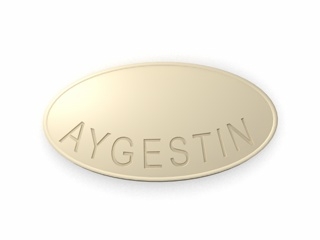
Aygestin (Norethindrone Acetate) — Patient Information (Australia)
Aygestin contains norethindrone acetate, a synthetic form of the hormone progestogen (a progesterone-like hormone). Progestogens help regulate the menstrual cycle and can treat certain hormone-related conditions. This information is designed to be patient-friendly and may help you understand how the medicine works, how it is commonly used, and what to consider for safe use in Australia.
| Product name | Aygestin |
|---|---|
| Active ingredient | Norethindrone acetate |
| Medicine type | Oral progestogen (hormonal therapy) |
| Common form | Tablet |
| How it’s taken | By mouth, usually once daily (dose schedules vary by indication) |
| Key action | Helps regulate the uterine lining and bleeding patterns |
How Aygestin works (Mechanism of Action)
Norethindrone acetate is converted in the body to its active form, norethindrone, which acts as a progestogen. Progestogens influence several tissues involved in menstrual bleeding:
- Uterus (endometrium): Aygestin stabilises and thins the uterine lining, helping control abnormal uterine bleeding.
- Hormone feedback: By providing progestogen activity, it can affect the release of hormones from the brain that regulate ovulation and the cycle.
- Bleeding regulation: It may help reduce heavy bleeding and bring periods into a more predictable pattern when used for the right reason and duration.
Pharmacokinetics (What the body does to the medicine)
“Pharmacokinetics” describes how the body absorbs, processes, and clears a medicine. While individual responses vary:
- Absorption: Norethindrone acetate is absorbed after oral administration and then metabolised to active norethindrone.
- Metabolism: It is processed mainly by the liver through drug-metabolising pathways.
- Distribution: It circulates in the bloodstream and may bind to proteins (such as sex hormone–binding proteins), which influences its activity.
- Elimination: Metabolites are cleared primarily through the body’s usual elimination pathways (predominantly via urine), after hepatic processing.
Important: Because metabolism is liver-dependent, liver disease or factors that strongly affect liver enzymes can change the medicine’s behaviour in the body.
Typical uses in Australia (Indications)
Aygestin (norethindrone acetate) may be used for hormone-related conditions. Common indications may include:
- Abnormal uterine bleeding due to hormone imbalance
- Endometriosis-related symptoms (in some clinical contexts)
- Amenorrhoea (absence of periods) related to hormonal dysfunction, under clinical assessment
- Other progestogen-responsive gynaecological problems as determined by a healthcare professional
Because the “best” use depends on your diagnosis, your medical history, and other medicines, it’s important to follow your clinician’s plan and discuss any concerns.
How to take Aygestin (Dosing & timing)
Aygestin dosing varies by the condition being treated and your response. Your prescriber will typically choose a dose and schedule based on:
- the reason you’re using the medicine
- how you respond to progestogen therapy
- your age and overall health
- any risk factors (such as clotting history or liver disease)
General timing guidance:
- Choose a consistent time of day to help you remember your dose.
- With or without food: Aygestin may generally be taken with or without food (see “Food interactions” below for specifics that matter to you).
- Do not double up if you miss a dose unless advised by a healthcare professional.
Course length: Some uses are taken in defined cycles; others may be continued longer if clinically appropriate. If you’re taking it for cycle control, you may notice bleeding changes during the first few months.
Food interactions
Most patients can take norethindrone acetate with meals. However, some dietary or supplement-related factors can affect how hormones behave or how certain medicines are metabolised.
- Grapefruit / pomelo: These may affect certain liver enzymes in some drugs. It’s best to avoid large or consistent grapefruit intake and discuss with your pharmacist if you use grapefruit products regularly.
- Herbal products: Some supplements can affect hormone metabolism. Tell your pharmacist if you take herbal products (for example, St John’s wort) or high-dose supplements.
Tip: Keep your routine steady. If you change your diet drastically or start a new supplement, let your pharmacist know.
Alcohol and medicine interactions
In general, moderate alcohol use may not directly interact with norethindrone acetate in a predictable way. However:
- Alcohol and liver health: Because norethindrone acetate is metabolised in the liver, heavy alcohol consumption may increase strain on the liver.
- Side effects: Alcohol may worsen certain side effects such as dizziness, fatigue, or mood changes in some individuals.
Practical approach: If you drink alcohol, keep it moderate and avoid binge drinking. If you have liver problems or a history of liver disease, ask your healthcare professional for personalised advice.
Medicines that may interact with Aygestin
Some medicines can change the metabolism of hormonal drugs, potentially affecting effectiveness or increasing side effects. Examples of medicines that may be relevant (not an exhaustive list) include:
- Enzyme inducers (some anti-epileptic medicines, certain antibiotics such as rifampicin, and some other long-term therapies) that may reduce hormone levels.
- HIV medications or antivirals that alter liver enzymes.
- Antifungal treatments or other medicines that affect hepatic metabolism.
Action steps:
- Provide your pharmacist with a complete list of all medicines and supplements you take (including occasional ones).
- If you start a new medicine, ask whether it affects hormone levels or bleeding control.
Note on contraception: Hormonal therapies can sometimes be used alongside other approaches, but Aygestin is not a contraceptive by itself. If pregnancy prevention is needed, discuss appropriate contraception options with a healthcare professional.
Safety profile: What to watch for
Like all hormonal medicines, Aygestin can cause side effects. Some are common and mild; others are rare but serious. If you experience serious symptoms, seek urgent medical help.
Common side effects
- Changes in menstrual bleeding pattern (spotting, irregular bleeding, or changes in flow)
- Nausea or mild stomach discomfort
- Bloating or fluid retention
- Breast tenderness
- Headache
- Mood changes or irritability
- Acne or changes in skin oiliness
- Reduced libido in some people
Less common but important risks
Progestogens can carry risks similar to other hormonal therapies. Your doctor/pharmacist will consider your personal and family risk factors when deciding whether Aygestin is appropriate.
- Blood clots (thrombosis): Hormonal therapies may increase clot risk in some people. Risk may be higher with smoking, obesity, personal history of clotting, certain migraines, or inherited clotting disorders.
- Liver issues: Liver impairment may change medicine handling. Seek medical advice if you develop symptoms of liver trouble.
- Visual changes: Sudden vision problems or severe headaches require prompt assessment.
Seek urgent medical attention if you notice
- Signs of a clot: sudden shortness of breath, chest pain, one-sided leg swelling/pain
- Severe headache, weakness, facial droop, trouble speaking
- Severe abdominal pain
- Jaundice (yellow skin/eyes), dark urine, severe itching
- Severe allergic symptoms: swelling of face/lips, difficulty breathing, widespread rash
Practical use tips
- Set a daily reminder: Consistency helps reduce breakthrough bleeding and missed doses.
- Track your bleeding: Note start/end dates, flow changes, and spotting. This helps your clinician adjust your plan if needed.
- Be alert to mood changes: Hormonal changes can affect mood for some people. If you feel low, anxious, or different from usual, discuss it early.
- Carry a medicine list: Especially if you visit another clinic or emergency department.
- Don’t stop suddenly without advice: If you’re using Aygestin as part of a cycle schedule or treatment plan, stopping may lead to bleeding changes.
Pregnancy and breastfeeding considerations: Hormonal medicines can be unsuitable in certain pregnancy situations. If pregnancy is possible or you are breastfeeding, discuss the safest approach with a healthcare professional.
Alternative options
Depending on your diagnosis, alternatives may include other progestogens, combined hormonal therapies, or non-hormonal strategies. Examples of potential alternatives (to be discussed with a healthcare professional) may include:
- Other progestogens (different formulations or dosing schedules)
- Combined hormonal options (where appropriate for the individual)
- Levonorgestrel-releasing intrauterine system (IUS) for some bleeding conditions
- Non-hormonal treatments (for example, treatments aimed at bleeding control in selected cases)
- Surgical or procedural options when clinically indicated
The “best” alternative depends on your medical history, risk factors, and treatment goals (e.g., controlling heavy bleeding, managing endometriosis symptoms, or regulating cycle timing).
Market and legal context in Australia
In Australia, medicines like Aygestin (norethindrone acetate) are regulated through the Australian Register of Therapeutic Goods (ARTG). Availability depends on product listing, supply arrangements, and pharmacy regulations.
For online pharmacies: In Australia, reputable online pharmacies must follow applicable laws for dispensing medicines, identification requirements, and supply to ensure safe and compliant treatment. Always purchase from a legitimate, authorised provider.
Clinical supervision: Many hormone-related conditions require periodic reassessment. If your symptoms change or you develop new risk factors (for example, smoking changes, migraines, liver disease, or clotting history), it’s important to seek medical advice.
Recent guidance & monitoring considerations
Clinical practice evolves as new evidence becomes available. While specific recommendations vary by individual circumstances, general principles often include:
- Regular review of bleeding pattern and symptom control, particularly within the first few months.
- Assessment of risk factors for clotting and liver disease before continuing long-term therapy.
- Prompt evaluation for unusual or heavy bleeding, especially if it persists or worsens.
- Awareness of medicine interactions when starting or stopping other therapies.
If you’ve recently changed medicines or developed new symptoms, contact your healthcare professional for appropriate review.
Delivery, availability and storage (Australia)
Availability: Stock may vary by strength and formulation. Online pharmacies may offer delivery within Australia where legally permitted.
Delivery timeframes: These depend on your location and the pharmacy’s dispatch schedule. At checkout, you should see estimated delivery windows and shipping costs.
Storage:
- Store tablets according to the product label (commonly at room temperature, away from direct sunlight and moisture).
- Keep out of reach of children.
- Do not use after the expiry date printed on the pack.
FAQ
1) What is Aygestin used for?
Aygestin (norethindrone acetate) is used for certain hormone-related conditions, most commonly to manage problems such as abnormal uterine bleeding and other progestogen-responsive gynaecological issues. The exact reason determines the dose and duration.
2) How quickly will it work?
Many people notice changes in bleeding within the first cycle or two. Some symptoms may take longer to settle, particularly for conditions like endometriosis. If bleeding is unexpected or persists, seek medical advice.
3) Can I take Aygestin with food?
Usually, yes. Taking it with or without food is commonly acceptable. If your label provides specific instructions, follow those.
4) What if I miss a dose?
If you miss a dose, take it when you remember unless it is close to the time of the next dose. Avoid doubling up. For a personalised recommendation, ask your pharmacist for advice based on your schedule.
5) Will Aygestin stop periods completely?
It may change your bleeding pattern. Some people get lighter bleeding or no bleeding, while others experience spotting or irregular bleeding—especially early in treatment. Your clinician can advise what to expect for your specific indication.
6) Is Aygestin a contraceptive?
No. Aygestin is not intended to prevent pregnancy by itself. If contraception is needed, discuss appropriate options with a healthcare professional.
7) Can I drink alcohol while taking Aygestin?
Moderate alcohol may be acceptable for many people, but heavy drinking is not recommended, especially if you have liver concerns. If you’re unsure, ask your pharmacist.
8) What medicines commonly interact with norethindrone acetate?
Medicines that affect liver enzyme activity may change hormone levels. Examples include some anticonvulsants, tuberculosis medicines (such as rifampicin), certain HIV medications, and some antifungals. Tell your pharmacist about all medicines and supplements you use.
9) When should I contact a doctor urgently?
Contact urgent medical services if you develop symptoms that could suggest a blood clot (chest pain, shortness of breath, one-sided leg swelling), stroke-like symptoms, severe headaches, jaundice, or signs of a severe allergic reaction.
10) Are there non-hormonal alternatives?
Depending on the condition being treated, there may be non-hormonal options or other procedures. Ask your clinician about alternatives tailored to your diagnosis and risk factors.
Important reminders
- Follow the dosing schedule recommended by your healthcare team.
- Report new symptoms promptly, especially severe headaches, vision changes, chest pain, leg swelling, or jaundice.
- Keep a list of your medicines and share it with your pharmacist—include vitamins and herbal supplements.
- Regular review matters for ongoing treatment of bleeding or other gynaecological conditions.
If you have questions about whether Aygestin is suitable for your situation in Australia, speak with a pharmacist or healthcare professional who can assess your individual medical history and current medicines.