Bicalutamide (For Prostate Cancer) — Patient Information (Australia)
Bicalutamide is a medicine used to treat certain types of prostate cancer. It belongs to a group of medicines called anti-androgens. Bicalutamide works by interfering with how the male hormone testosterone (and related androgens) can stimulate prostate cancer cells to grow.
This guide is designed to be patient-friendly and practical. It explains what bicalutamide is, how it works, how it behaves in the body, typical uses, dosing considerations, important interactions (including food, alcohol, and other medicines), safety information, and answers to common questions for people in Australia.
Basic product information
- Medicine name: Bicalutamide
- Common use: Prostate cancer treatment
- How it’s taken: Usually by mouth (tablets)
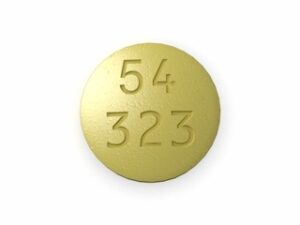
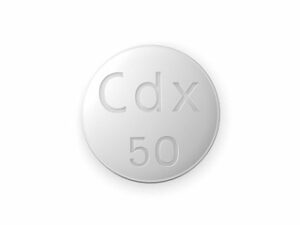
- Typical dosing strength (varies by indication): Common tablet strengths include 50 mg and 150 mg depending on the regimen and product
- Therapeutic group: Anti-androgen
Availability and brand names can vary. Your pharmacist can confirm the exact brand and tablet strength you receive.
How bicalutamide works (mechanism of action)
Prostate cancer growth is often driven by androgens (mainly testosterone). Androgens enter prostate cells and bind to androgen receptors, which can switch on genes that help the cancer grow.
Bicalutamide blocks androgen receptors so that testosterone (and other androgens) cannot effectively stimulate cancer cells. This can slow tumour growth and may shrink cancer or delay disease progression.
- Anti-androgen action: Blocks androgen receptors in prostate tissue
- Goal of treatment: Reduce cancer stimulation by androgens
- May be used alone or with other treatments: Depending on stage and risk level
Pharmacokinetics (how the body handles bicalutamide)
Pharmacokinetics describes what happens to the medicine after you take it—how it’s absorbed, processed, and eliminated.
- Absorption: Bicalutamide is absorbed after oral dosing.
- Protein binding: It is highly bound to blood proteins, which influences distribution and drug levels.
- Metabolism: It is metabolised primarily in the liver.
- Elimination: Metabolites are excreted mainly via the kidneys and bile.
- Half-life: Bicalutamide has a long half-life, which supports once-daily dosing in many regimens.
Because it is largely metabolised in the liver, liver health is important. Your clinician may monitor liver function tests during treatment.
Typical uses in prostate cancer
Bicalutamide is used in different prostate cancer settings. The exact plan depends on your cancer stage, tumour characteristics, and prior or concurrent therapies.
Common indications
- Locally advanced prostate cancer: Often used in combination with other treatments to reduce progression risk.
- Metastatic prostate cancer: May be used as part of androgen deprivation strategies.
- Adjuvant or combination regimens: Depending on your treatment protocol, bicalutamide may be used alongside other therapies.
- When androgen receptor blockade is desired: It can be used to counter the role of androgens without directly suppressing testosterone production.
Your doctor will decide the most suitable approach based on clinical factors. If you’re unsure why bicalutamide was chosen, ask your care team.
How to take bicalutamide (timing and dosing)
Bicalutamide is typically taken once daily. Many people take it at the same time each day to maintain consistent exposure.
Timing
- Pick a regular time: For example, with breakfast or in the evening—choose what best helps you remember.
- Keep consistency: Try to take it at about the same time each day.
Dosing (general guidance)
Dosing can vary by indication and regimen. In Australia, bicalutamide may be supplied as different tablet strengths and schedules depending on the intended treatment plan.
| Typical situation | Common regimen pattern | What to discuss with your clinician/pharmacist |
|---|---|---|
| Prostate cancer treatment plan | Usually once daily | Exact tablet strength, duration, and whether it’s combined with other medicines |
| Combination therapy | May be used with other prostate cancer therapies | How to coordinate dosing times with other medicines |
| Liver health considerations | Same schedule but possible extra monitoring | Whether liver function tests are needed and how often |
Important: Follow the exact dose instructions provided with your supply. If you miss a dose, don’t double up—ask your pharmacist or clinician for advice based on your situation.
Food interactions (what to know)
For many patients, bicalutamide can be taken with or without food. In general, food is not expected to dramatically change its effectiveness.
- Take it consistently: If you usually take it with food, keep doing so; if without food, that’s usually fine too.
- GI tolerance: If you experience nausea or stomach discomfort, taking bicalutamide with a meal may help.
If you have swallowing difficulties, do not crush tablets unless your pharmacist confirms it’s appropriate for your specific product.
Alcohol and medicine interactions
Alcohol is not always strictly contraindicated with bicalutamide, but caution is advised—especially because bicalutamide is metabolised by the liver and heavy alcohol intake can also affect liver function.
- Moderation is recommended: Avoid heavy or binge drinking.
- Watch for side effects: Alcohol may worsen fatigue, dizziness, or nausea.
- Consider liver health: If you have liver disease or elevated liver enzymes, discuss alcohol use with your care team.
Interactions with other medicines are more clinically important and depend on your medication list. Always share your full list of medicines, supplements, and “over-the-counter” products.
Drug interactions (medicines to be cautious with)
Bicalutamide can interact with other medicines through liver metabolism pathways. Some interactions may change bicalutamide levels or increase side effects.
Tell your pharmacist/doctor if you take any of the following
- Medicines that affect liver enzymes (some antibiotics, antifungals, anticonvulsants, and others can influence metabolism)
- Anticoagulants (“blood thinners”) such as warfarin—monitoring may be needed
- Other hormone therapies or cancer medicines
- Herbal supplements (for example, products that claim liver support or hormonal effects—these can be unpredictable)
If you’re starting, stopping, or changing any medicines (including antibiotics for short courses), check with your pharmacist about possible interactions.
Safety profile and potential side effects
Like all medicines, bicalutamide can cause side effects. Not everyone experiences them, and many effects are manageable with supportive care or dose review by your clinician.
Common side effects
- Hot flushes (flushing/feeling warm)
- Breast tenderness or breast enlargement (gynaecomastia)
- Decreased libido and erectile dysfunction
- Fatigue and low energy
- Diarrhoea, nausea, or stomach discomfort (varies by person)
- Skin changes (less commonly)
Serious side effects (seek medical advice urgently)
- Liver problems: contact a doctor promptly if you notice yellowing of the eyes/skin (jaundice), dark urine, unusual tiredness, severe nausea/vomiting, or right upper abdominal pain.
- Allergic reactions: seek urgent help if you develop swelling of the face/lips, difficulty breathing, or a widespread rash.
- Significant mood changes: report severe depression or troubling thoughts to your care team promptly.
Monitoring
- Liver function tests: may be performed during treatment, particularly if you have existing liver issues or develop symptoms suggestive of liver problems.
- General assessment: your clinician may monitor prostate-specific markers and overall health as part of cancer follow-up.
Practical use tips (making treatment easier)
- Use a daily routine: Taking bicalutamide at the same time each day improves consistency.
- Track side effects: Keeping a simple note (hot flushes, fatigue, breast discomfort) helps your clinician tailor supportive strategies.
- Hydrate and manage hot flushes: Use layered clothing, keep cool, and consider strategies your care team suggests.
- Skin and breast care: Breast tenderness can occur. Wearing supportive clothing may help. Discuss options if symptoms are troublesome.
- Don’t stop suddenly: Unless your doctor advises it, continue treatment as planned. Stopping abruptly can disrupt the treatment effect.
- Medication list readiness: Keep an updated list of your medicines and supplements—bring it to appointments.
Alternative options (other treatments to discuss)
Prostate cancer treatment is individualised. Depending on your cancer stage and prior therapy, alternative or additional options may include:
- Other anti-androgens (for example, medicines in the same drug class may be considered)
- LHRH (or GnRH) therapies that lower testosterone production
- Combination approaches that pair androgen receptor blockade with other forms of hormonal control
- Other systemic therapies for advanced disease (your specialist will advise based on tumour biology)
- Radiation therapy or surgery for certain early-stage situations
The “best” alternative depends on whether the goal is curative treatment, disease control, symptom relief, or preparing for other therapies. Ask your care team to explain the rationale behind bicalutamide in your specific case.
Market and legal context for Australia
In Australia, medicines are regulated by the Therapeutic Goods Administration (TGA). Bicalutamide is an established medicine used in oncology and is supplied through the medicines and pharmacy system under Australian regulatory requirements.
- Regulatory oversight: TGA regulates the quality, safety, and effectiveness of medicines.
- Pharmacy supply: Availability depends on the medicine’s classification and the requirements for dispensing.
- Individual care: Cancer treatment decisions must align with clinical assessment and approved treatment protocols.
Because cancer care evolves, recommendations for hormonal treatment strategies may change based on new clinical evidence and guideline updates.
Recent guidance and updates (how to stay current)
Prostate cancer care guidelines are periodically updated by clinical bodies and professional organisations in Australia. These updates may affect how androgen deprivation or anti-androgen therapy is selected, combined, or monitored.
- Ask your clinician whether your treatment aligns with the latest local guidance for your cancer stage.
- Keep follow-up appointments: Ongoing monitoring helps ensure the treatment remains appropriate.
- Report side effects early: Guidance often includes strategies to manage tolerability.
If you would like, share your cancer stage (for example, “localised”, “locally advanced”, or “metastatic”) and your current regimen with your clinician for a tailored explanation.
Delivery and availability in Australia (online pharmacy)
Availability can vary between pharmacies and depends on supply chains and stock levels. Many online pharmacies in Australia provide delivery options within metropolitan and regional areas.
- Check stock status: Some medicines may be dispensed on request depending on current inventory.
- Delivery times: Delivery speed can vary by location and courier service.
- Packaging and privacy: Medicines are usually supplied in appropriate packaging designed for safe transit.
- Orders and refills: Plan ahead to avoid running out, especially if your regimen is continuous.
At checkout, you should see estimated delivery timeframes and any applicable delivery fees. If you have urgent timing needs, contact the pharmacy to discuss options.
FAQ
1) What is bicalutamide used for?
Bicalutamide is used to treat prostate cancer by blocking androgen receptors. It may be used alone or as part of combination therapy depending on the cancer stage and treatment goals.
2) How do I take bicalutamide?
It is usually taken once daily by mouth at approximately the same time each day. Follow the dose and schedule provided with your supply.
3) Can I take bicalutamide with food?
In general, it can be taken with or without food. If it upsets your stomach, taking it with a meal may help.
4) What should I do if I miss a dose?
Don’t double up. Contact your pharmacist or clinician for advice based on how long ago you missed the dose.
5) What side effects are common?
Common side effects include hot flushes, breast tenderness/enlargement, decreased libido, erectile dysfunction, and fatigue.
6) Are there serious side effects?
Yes. Liver problems can occur in some people. Seek prompt medical advice if you notice jaundice (yellow skin/eyes), dark urine, severe nausea/vomiting, or significant abdominal pain. Allergic reactions also require urgent help.
7) Does bicalutamide interact with alcohol?
Heavy alcohol intake may increase strain on the liver and can worsen certain side effects. Moderate use is generally advised, and you should discuss your alcohol habits with your clinician—especially if you have liver issues.
8) What medicines should I be careful with?
Because bicalutamide is metabolised in the liver, interactions may occur with some medicines. Always provide your full medication list—including anticoagulants and herbal supplements—when using pharmacy services.
9) How long does it take to work?
Effects on cancer progression and hormone-related symptoms can take time. Your clinician will monitor response through follow-up visits and relevant tests.
10) Can I stop taking bicalutamide if I feel better?
Do not stop or change your dose without speaking to your clinician. Even if symptoms improve, the treatment plan may still be necessary to control the disease.
When to seek medical help
Contact your doctor or seek urgent medical care if you experience:
- Signs of allergy (swelling of face/lips, difficulty breathing, widespread rash)
- Symptoms suggestive of liver injury (yellow skin/eyes, dark urine, severe persistent nausea/vomiting, significant abdominal pain)
- Severe or worsening symptoms that concern you
If you’re unsure whether a side effect is serious, it’s always safer to ask. Your pharmacist can also provide immediate guidance on how to manage common issues.
Note: This information is general and cannot replace personalised advice from your healthcare professional. If you have questions about your specific regimen, your clinician or pharmacist can help you understand how bicalutamide fits into your overall treatment plan.