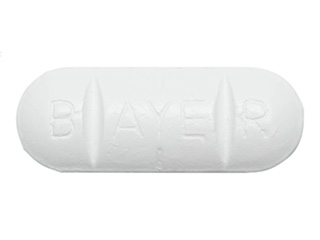


Biltricide (Praziquantel) — Patient Information (Australia)
Biltricide contains praziquantel, a medicine used to treat certain parasitic worm infections. It is commonly used for infections such as schistosomiasis (caused by Schistosoma species) and some other parasitic diseases affecting the urinary tract, intestines, or tissues depending on the specific parasite.
This page explains what Biltricide is, how it works, how it’s used, what to expect, safety considerations, and practical tips. It also covers key interactions (including food and alcohol) and frequently asked questions for customers in Australia.
Key facts at a glance
- Active ingredient: Praziquantel
- Medicine type: Antiparasitic (antihelminthic)
- Used for: Certain worm infections, including schistosomiasis and specific fluke/tapeworm-related infections (depending on the parasite)
- How it works: Damages parasite cells and causes paralysis and death of the parasite
- Common dosing pattern: Often taken as a single day dose or in split doses over one day (exact regimen depends on the infection)
- Typical course: Infection-specific; some conditions are treated in one day, others may require follow-up doses
Basic product information
Biltricide is an antiparasitic medicine containing praziquantel. The exact strength and formulation may vary by product packaging. In Australia, praziquantel is available through prescription medicine channels depending on your circumstances and current availability.
Important: Always follow the dosing schedule provided for your specific infection. The “right dose” depends strongly on the parasite and your body weight, age, and medical history.
How Biltricide works (mechanism of action)
Praziquantel acts directly on the parasite. It primarily increases the permeability of the parasite’s cell membrane to calcium ions. This leads to:
- Spastic paralysis of the parasite
- Damage to the parasite’s surface (tegument), making it unable to survive in the body
- Death of the parasite and clearance from the affected tissues
Because praziquantel targets specific parasites, it is not a general “dewormer” for all worm types. Your infection type matters for correct treatment choice.
Pharmacokinetics (absorption, distribution, metabolism, elimination)
After oral dosing, praziquantel is absorbed and then extensively processed by the body. Key pharmacokinetic points include:
- Absorption: It is absorbed from the gastrointestinal tract. Taking it with food may improve absorption.
- Distribution: The medicine spreads into tissues where the parasites live.
- Metabolism: Mainly metabolised in the liver.
- Elimination: Metabolites are primarily excreted in urine (and some via bile/feces depending on the metabolite profile).
Variations in liver function and drug interactions may affect how quickly the body clears praziquantel, which can influence effectiveness or side effects.
Typical uses and indications in Australia
Biltricide (praziquantel) is used to treat infections caused by certain flatworms (trematodes and some other parasites). The most well-known use is:
- Schistosomiasis (bilharzia): caused by Schistosoma species
It may also be used for other parasitic infections depending on the parasite species and clinical assessment (for example, certain fluke infections). The exact indication and dosing schedule differ by parasite.
Examples of infections where praziquantel is commonly used
- Schistosoma haematobium (urinary schistosomiasis)
- Schistosoma mansoni (intestinal schistosomiasis)
- Schistosoma japonicum and related species (regional variations)
- Certain liver flukes or other trematode infections, depending on local clinical practice
If you’re unsure whether your symptoms relate to a parasite infection, seek medical advice. Correct diagnosis helps ensure you receive the most effective therapy.
Timing and how to take Biltricide
Dosing schedules vary by infection. For many praziquantel regimens, treatment is taken over one day with doses separated by several hours. Some infections require a repeat dose later, or repeated courses.
General approach
- Take the tablets with food unless instructed otherwise. Food can improve absorption.
- Space doses evenly across the treatment day if a split regimen is prescribed.
- Finish the full course even if symptoms improve quickly.
What to do if you miss a dose
If you miss a scheduled dose, follow dosing advice from your healthcare provider or pharmacist. In general, do not double up unless specifically instructed.
Food interactions
Praziquantel absorption may be improved when taken with food. For this reason, many regimens recommend taking Biltricide with meals or soon after eating.
- Recommended: Take with food to support absorption.
- Possible effect of fasting: Fasting may reduce absorption and may reduce treatment effectiveness for some people.
There are no widely known major dietary “do’s and don’ts” beyond taking it with food. However, if you have a sensitive stomach, consider taking it with a light meal and a full glass of water.
Alcohol interactions and other medicine interactions
Alcohol
There is no single universal rule that praziquantel and alcohol are always unsafe together, but alcohol can increase the risk of side effects such as dizziness, drowsiness, or nausea and can worsen dehydration. For best comfort and safety:
- Limit or avoid alcohol during treatment and for at least 24 hours after your last dose (or longer if you feel unwell).
Other medicines
Praziquantel is metabolised in the liver, so medicines that strongly affect liver enzymes may change praziquantel levels. Always tell a pharmacist or clinician about all medicines you take, including:
- Prescription medicines
- Over-the-counter medicines
- Herbal supplements
- Traditional or “natural” products
Some medicines can reduce praziquantel levels (potentially reducing effectiveness) or increase side effects by raising levels. Common examples of medicines that may interact include certain anti-seizure medicines and some antibiotics/antifungals that affect liver metabolism. The exact interaction depends on what you take.
If you provide your medicine list, a pharmacist can check for known interactions relevant to your regimen.
Dosing guidance (infection-specific)
Dosing of Biltricide depends on the parasite species, the clinical syndrome, your body weight, and sometimes local treatment guidelines. Below are general dosing patterns typically used for praziquantel, but you must follow the exact regimen given for your condition.
| Infection/Scenario | Typical praziquantel regimen (general example) | Notes |
|---|---|---|
| Schistosomiasis (most common) | Often split doses over one day (commonly by weight) | Some species/regimens require additional doses or follow-up based on response and local guidance. |
| Some trematode (fluke) infections | May be single-day or multi-day dosing depending on parasite species | Confirm parasite type and follow local protocol for best results. |
Because dosing varies: Use dosing instructions provided with your product or treatment plan rather than relying on general descriptions online.
Practical tips for dosing
- Use the correct dose based on weight: Many praziquantel regimens are weight-based.
- Don’t alter the schedule: Changing timing can reduce effectiveness.
- Keep track of doses: If you have multiple doses in one day, use a timer or written schedule.
What to expect after taking Biltricide
Some people feel better within days as the infection is controlled, but symptoms may take longer to improve, especially for diseases involving inflammation and tissue effects.
- Possible short-term effects: headache, dizziness, nausea, abdominal discomfort, tiredness
- Parasite clearance: symptoms may fluctuate as the body reacts to dying parasites
- Follow-up: your clinician may recommend repeat testing to confirm clearance
Safety profile and side effects
Like all medicines, Biltricide can cause side effects. Most are mild to moderate and resolve after treatment. However, some situations require prompt medical advice.
Common side effects
- Headache
- Dizziness
- Nausea
- Abdominal pain or cramps
- Diarrhoea
- Fatigue
- Reduced appetite
Less common but important side effects
- Vomiting
- Fever
- Skin rash or itching
- Low blood pressure symptoms (light-headedness)
Seek urgent medical care if
- Signs of an allergic reaction: swelling of the face/lips, breathing difficulty, widespread hives
- Severe or persistent dizziness, fainting, or worsening neurologic symptoms
- Severe abdominal pain or dehydration from persistent vomiting/diarrhoea
Special safety notes
- Neurologic disease: People with certain parasitic infections involving the brain or eye may be at higher risk of complications. Medical assessment is important.
- Liver impairment: Since praziquantel is metabolised in the liver, dose adjustment or extra caution may be needed.
- Seizure history: If you have seizures or take anti-seizure medicines, discuss this with a clinician or pharmacist.
Practical use tips (patient-friendly)
- Take with food: A meal can reduce stomach upset and improve absorption.
- Hydrate: Drink water regularly, especially if you experience nausea or diarrhoea.
- Plan for side effects: Some people feel dizzy—consider staying at home and avoiding risky activities the day you take your doses.
- Driving and machinery: If you feel dizzy or drowsy, avoid driving or operating machinery.
- Keep a medication list: Include prescription, over-the-counter and supplements to check interactions.
- Don’t treat “just in case”: Praziquantel is useful for specific parasites; correct diagnosis improves outcomes.
- Follow follow-up advice: If your clinician advises repeat stool/urine tests or follow-up dosing, complete it.
Alternative treatment options
Alternatives depend on the exact parasite and the infection site. Options can include different antiparasitic medicines, varying courses, and supportive treatments for complications.
What alternatives might include (examples)
- Other antiparasitic medicines: Different drugs may be used for different worm species.
- Supportive care: For severe inflammation or complications, supportive management may be needed alongside antiparasitic therapy.
- Procedure-based or combination approaches: Some situations require additional evaluation depending on organ involvement.
If your diagnosis is uncertain, the safest approach is to confirm the parasite type (for example through appropriate stool/urine tests or travel-related assessment). This helps avoid under- or over-treatment.
Market and legal context for Australia (consumer information)
In Australia, the supply of medicines is regulated under national medicines legislation and pharmacy frameworks. Medicines are classified based on how safely they can be used and usually sold through:
- Pharmacist dispensing processes for medicines that require professional oversight
- Supply through approved channels including licensed pharmacies and compliant online pharmacy services
Availability, packaging, and the exact product form (tablet strength) can vary. For current local availability and to confirm suitability, Australian pharmacy services can review your details and advise on the most appropriate option.
Recent guidance (general public-health context)
Treatment recommendations for parasitic infections—especially schistosomiasis—are influenced by global public health guidance and local Australia-based clinical practice. Health authorities often emphasise:
- Correct diagnosis and infection identification
- Appropriate choice of antiparasitic medicine based on parasite species
- Follow-up testing in some infections to confirm response
- Reducing reinfection through prevention strategies during travel and exposure to freshwater sources
If you’ve travelled or had freshwater exposure and suspect schistosomiasis, prompt medical advice can help determine whether praziquantel is appropriate and whether further monitoring is required.
Delivery and availability (Australia)
Online pharmacy delivery arrangements may differ by supplier and location. In Australia, reputable online pharmacies typically provide:
- Clear delivery time estimates at checkout
- Secure packaging to protect tablets
- Tracking options for shipped orders (where available)
- Support from pharmacists for questions about use, side effects, and interactions
Availability can change depending on stock levels and supply chain. If Biltricide is temporarily unavailable, a pharmacy may recommend checking alternative timeframes or confirming availability of the required strength/formulation.
FAQ — Biltricide (Praziquantel)
1) What is Biltricide used for?
Biltricide (praziquantel) is used to treat certain parasitic worm infections. It is especially associated with schistosomiasis (bilharzia) and some other fluke/trematode-related infections depending on the parasite and treatment plan.
2) How quickly does Biltricide work?
Parasite killing begins after dosing, but symptom relief can take days or longer depending on the infection and inflammation. Some people feel effects such as nausea, headache or dizziness soon after taking it, while full recovery may require follow-up.
3) Should I take it with food?
Taking praziquantel with food is commonly recommended because it can improve absorption and may reduce stomach upset. Follow your specific instructions.
4) Can I drink alcohol while taking Biltricide?
It’s usually best to limit or avoid alcohol during treatment to reduce the risk of side effects like dizziness or nausea. If you drink, keep it minimal and avoid alcohol if you feel unwell.
5) What side effects are common?
Common side effects include headache, dizziness, nausea, abdominal discomfort and tiredness. Most are mild and resolve after treatment.
6) Are there any people who should take extra care?
Extra caution may be needed for people with liver disease, a history of seizures, pregnancy/breastfeeding, or infections involving the brain or eye. Ask a pharmacist or clinician for individual safety advice.
7) Can Biltricide interact with other medicines?
Yes. Because praziquantel is metabolised in the liver, certain medicines can affect its levels. Tell your pharmacist about all medicines and supplements you take so interactions can be checked.
8) What if I vomit after taking a dose?
If you vomit shortly after taking a tablet, the absorption may be reduced. Seek advice from a pharmacist promptly about whether to repeat the dose based on timing and the dosing plan.
9) Is Biltricide effective if my parasite diagnosis is wrong?
Praziquantel is targeted for specific parasites. If the parasite type is different, it may not work. Confirming the diagnosis helps ensure you receive the right medicine and dosing regimen.
10) How do I prevent reinfection?
Prevention depends on the parasite. For schistosomiasis, avoiding contact with contaminated freshwater during travel and using safe water practices are key. Your clinician or travel clinic can provide tailored advice.
Summary
Biltricide (praziquantel) is an antiparasitic medicine used to treat certain worm infections, most notably schistosomiasis. It works by damaging parasite cells, leading to paralysis and death of the worms. Taking it with food may improve absorption, and limiting alcohol during treatment can help reduce side effects.
Dosing is infection-specific and commonly taken over one day or as directed for your specific diagnosis. If you experience severe side effects or have concerns about interactions—especially if you have liver disease, neurologic conditions, or take other medicines—seek advice from a healthcare professional or pharmacist.