
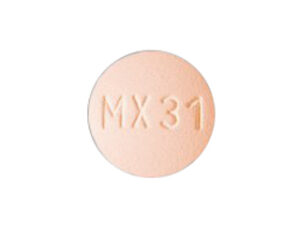
Bupropion (Bupropion hydrochloride) – Patient-Friendly Medicine Information (Australia)
Bupropion hydrochloride is a prescription medicine used for specific mental health conditions and to support smoking cessation in some people. It is available in different formulations (including immediate-release, sustained-release, and extended-release products, depending on the brand and country availability). This guide explains how bupropion works, how it behaves in the body, typical uses, practical ways to take it, and important safety considerations.
If you have questions about whether bupropion is suitable for you, speak with a qualified healthcare professional. This page is for general information only.
Basic product information
| Item | Details |
|---|---|
| Generic name | Bupropion hydrochloride |
| How it works | Norepinephrine and dopamine reuptake inhibitor; nicotinic receptor antagonist (relevant to smoking cessation) |
| Common uses | Depression; support for smoking cessation |
| Formulations | Immediate-release, sustained-release, extended-release (varies by brand) |
| Typical onset | Some effects may be noticed in 1–2 weeks; full benefit often takes several weeks |
| Key safety topic | Seizure risk can increase with higher doses or certain risk factors |
Mechanism of action (how bupropion works)
Bupropion influences brain chemicals involved in mood, motivation, and reward. Its main actions include:
- Reuptake inhibition of norepinephrine and dopamine: Bupropion helps increase the activity of these neurotransmitters by reducing their reabsorption. This may improve mood, energy, concentration, and interest in daily activities.
- Nicotinic receptor effects: For smoking cessation, bupropion may reduce cravings and withdrawal symptoms by interacting with nicotinic pathways.
Unlike some antidepressants, bupropion is not primarily a selective serotonin reuptake inhibitor (SSRI). This can mean a different side-effect profile for some people.
Pharmacokinetics (how the body processes bupropion)
Pharmacokinetics describes absorption, distribution, metabolism, and elimination. While individual results vary, key points include:
Absorption and onset
- Bupropion is absorbed after oral dosing.
- Different formulations release the medicine at different speeds, affecting how quickly blood levels rise.
Metabolism
- Bupropion is metabolised in the liver (mainly via CYP2B6).
- An active metabolite, often referred to as hydroxybupropion, contributes to overall effect.
- Some medicines can change bupropion levels by influencing liver enzymes (a major reason why medicine interactions matter).
Half-life and steady levels
- Bupropion and its metabolites have a measurable half-life, which supports once- or twice-daily dosing depending on the formulation.
- Steady-state levels are typically reached after repeated dosing over several days, but your prescriber may still adjust dose slowly.
Excretion
- Metabolites are eliminated primarily via the kidneys.
- People with significant kidney impairment may need closer monitoring and dose adjustment.
Typical uses and indications
Depression
Bupropion can be used for major depressive disorder in appropriate patients. Clinicians may choose bupropion when an activating profile is desired (for example, when low energy or low motivation is prominent), or if other antidepressants have not worked well.
Smoking cessation
Bupropion may be prescribed as part of a structured plan to help people stop smoking. It can reduce cravings and withdrawal symptoms and may improve chances of quitting when combined with behavioural support.
Availability of specific brands and indications can vary. Your healthcare professional will confirm the right use and formulation for you.
How and when to take bupropion (timing)
Timing depends on the formulation and your individual plan. In general:
- Take at the same time each day to maintain consistent blood levels.
- Because bupropion can feel activating for some people, many clinicians recommend taking doses in the morning or earlier in the day to reduce the risk of sleep disturbance.
- Do not crush, split, or chew modified-release tablets unless instructed. Crushing can change how the medicine is released.
- If you miss a dose, follow the guidance provided for your specific formulation (or speak with your pharmacist). In many cases, you should not double up.
Smoking cessation timing
For quitting smoking, a prescriber usually sets a quit date and may start bupropion before this date. A common approach is:
- Start bupropion and continue it through the quitting period.
- Choose a quit date based on your plan and readiness.
- Combine medicine with counselling, triggers planning, or structured support.
Exact timing can differ between products and individual circumstances—always follow your treatment plan.
Dosing: what to expect
Dose varies by indication, formulation (immediate-release vs modified-release), patient factors (such as seizure risk), and response to treatment. Your healthcare professional will start at an appropriate dose and may adjust gradually.
General dosing principles
- Start low and increase gradually when appropriate, to improve tolerability.
- Keep within the recommended maximum dose for your formulation.
- Use caution in people with risk factors for seizures or certain medical conditions.
Typical pattern (illustrative)
The table below provides a general concept of how some clinicians titrate bupropion. Exact dosing must follow your specific product instructions and your prescriber’s plan.
| Formulation (varies by brand) | General concept |
|---|---|
| Immediate-release | Often taken multiple times daily with careful spacing; may be associated with a different side-effect/tolerance pattern than modified-release products. |
| Sustained-release | Typically taken once or twice daily; slower release than immediate-release. |
| Extended-release | Typically taken once daily; designed for steadier blood levels over the day. |
If you are unsure which formulation you have (or how often to take it), check the label and packaging or ask your pharmacist.
Food interactions
Bupropion can generally be taken with or without food. However, some practical considerations may help:
- If you experience nausea or stomach upset, taking it with food may improve tolerability.
- Avoid drastic changes in meal patterns when starting treatment, especially if side effects occur early.
The most important dietary concerns for bupropion are usually indirect (for example, alcohol intake and overall seizure risk), rather than a specific “do not eat” food list.
Alcohol and medicine interactions
Alcohol
It is generally recommended to limit alcohol while taking bupropion. Reasons include:
- Seizure risk: Alcohol misuse and withdrawal can increase seizure risk, which is also a known concern with bupropion.
- Worsening mood/sleep: Alcohol can affect depression symptoms and sleep quality.
- Side effects overlap: Alcohol may increase dizziness, drowsiness, or impaired coordination.
If you drink alcohol regularly or have a history of heavy drinking, discuss this with your pharmacist or doctor before starting bupropion.
Medicine interactions (important)
Bupropion can interact with other medicines in several ways. Key interaction themes include:
- Medicines that affect seizure threshold: Other drugs that lower seizure threshold may increase risk when combined with bupropion.
- Enzyme interactions (CYP2B6): Some medicines can increase or decrease bupropion blood levels. This can affect effectiveness and side effects.
- Neuropsychiatric medicines: Combining with certain antidepressants, antipsychotics, or stimulants may affect safety or increase side effects.
- “Serotonergic” combinations: Although bupropion is not primarily serotonergic, combination regimens may still require careful monitoring for adverse effects.
Always tell your healthcare professional about:
- All prescription medicines
- All over-the-counter products
- Herbal supplements (especially those affecting liver enzymes)
- Any history of seizures, eating disorders, or heavy alcohol use
Safety profile and who should take extra care
Like all medicines, bupropion can cause side effects. Most people experience mild to moderate effects, but some reactions require prompt medical attention.
Common side effects
- Dry mouth
- Headache
- Nausea or stomach upset
- Insomnia or sleep disturbance
- Increased anxiety or restlessness (especially early on)
- Reduced appetite or weight changes
- Constipation
- Increased sweating
Less common but important risks
- Seizures: Risk is higher with certain factors such as high doses, rapid dose escalation, abrupt alcohol cessation, eating disorders (such as bulimia or anorexia), and some medical conditions.
- High blood pressure: Some people may experience increased blood pressure, particularly with higher doses or pre-existing hypertension. Monitoring may be recommended.
- Allergic reactions: Seek urgent help for signs of serious allergy (e.g., facial/lip swelling, difficulty breathing, widespread rash with fever or blistering).
- Neuropsychiatric effects: New or worsening agitation, unusual behaviour, severe mood changes, or suicidal thoughts require immediate assessment.
- Other rare events: Certain liver-related or skin reactions can occur with some antidepressants; report unusual symptoms promptly.
When to seek urgent medical attention
Contact emergency services or seek urgent medical care if you experience:
- Seizure or sudden convulsion
- Severe allergic reaction (swelling of face/lips, trouble breathing)
- Chest pain, severe headache, fainting, or signs of stroke
- Severe confusion, hallucinations, or extreme agitation
- Any rapidly worsening depression or thoughts of self-harm
Practical use tips (to improve comfort and safety)
- Plan for sleep early: If insomnia occurs, taking the dose earlier in the day may help (unless your prescriber advises otherwise).
- Follow titration instructions: Don’t change dose frequency on your own. Gradual adjustment can reduce side effects.
- Avoid doubling doses: If you miss one dose, follow product-specific advice or ask your pharmacist.
- Use a consistent routine: Take bupropion at the same times daily to support stable effects.
- Monitor mood changes: Track mood, sleep, and side effects in a simple journal, especially during the first few weeks.
- Smoking cessation support matters: Set up coping strategies for cravings (e.g., delays, distraction, breathing techniques) and seek behavioural support if possible.
- Hydration and nutrition: If appetite decreases, ensure you continue regular meals and adequate fluids.
Alternative options (if bupropion isn’t suitable)
Alternatives depend on your condition (depression vs smoking cessation) and your medical history. Options often include other antidepressants, different smoking cessation medicines, and non-medicine supports.
If treating depression
- Other antidepressants (e.g., SSRIs, SNRIs, mirtazapine, depending on individual factors)
- Psychological therapies (such as cognitive behavioural therapy)
- Lifestyle measures (sleep, exercise, structured routine) supported alongside therapy
If stopping smoking
- Nicotine replacement therapy (patches, gum, lozenges)
- Other prescription smoking cessation options (as clinically appropriate)
- Structured behavioural support and relapse-prevention planning
Your clinician can help compare benefits, side effects, and safety for your situation.
Market and legal context for Australia
In Australia, medicines such as bupropion are regulated under the Australian Therapeutic Goods framework. Availability and labelling depend on Australian regulatory decisions and sponsor submissions. Products may be listed on the Australian Register of Therapeutic Goods (ARTG) and supplied under pharmacy processes that follow Australian healthcare and prescribing rules.
The classification and access pathway for bupropion (including whether it is listed for specific uses, and which brands are currently available) can change over time. To find the most current information, rely on product packaging and consult your pharmacist or doctor.
Recent guidance and monitoring expectations (Australia)
Clinical guidance for depression and smoking cessation generally emphasises:
- Individualised risk assessment before starting treatment, including seizure risk factors.
- Monitoring early in treatment for side effects, mood changes, and sleep disturbance.
- Medication review after dose changes or if symptoms do not improve.
- Combining medication with supportive care, especially for smoking cessation (behavioural strategies and counselling improve success rates).
Your healthcare provider may also advise periodic checks of blood pressure and a review of current medications to avoid interactions.
Delivery and availability
Availability of bupropion products can vary by brand and formulation. When ordering online, you should:
- Confirm the exact brand and formulation (immediate-release vs modified-release).
- Check that the product matches your prescribed directions.
- Use secure delivery methods and keep an eye on parcel tracking updates.
Delivery timeframes differ by pharmacy and location in Australia. Standard options may include tracked delivery and the ability to schedule a delivery window where available. If you require urgent access, contact customer support to discuss availability and dispatch timing.
FAQ: Common questions about bupropion
1) How long does bupropion take to work?
Some people notice changes in energy, sleep, or motivation within 1–2 weeks. For depression, full improvement often takes several weeks. If you feel no benefit after an appropriate trial period, your prescriber may reconsider the plan.
2) Will bupropion make me feel “wired” or anxious?
It can cause restlessness or increased anxiety, particularly early in treatment or when doses are adjusted. Taking the dose earlier in the day and following a gradual titration plan may help. Contact your healthcare professional if symptoms are severe.
3) Can I take bupropion with food?
Yes. It can generally be taken with or without food. If nausea occurs, taking it with a meal may reduce discomfort.
4) Can I drink alcohol while taking bupropion?
It’s best to limit alcohol. Alcohol misuse or abrupt cessation can increase seizure risk and worsen mood or sleep. If you regularly drink alcohol, discuss a safe approach with your pharmacist or doctor.
5) What if I miss a dose?
Follow the instructions for your specific formulation on the product label or ask your pharmacist. In general, do not take extra doses to “catch up” unless advised.
6) What should I avoid?
Avoid:
- Changing your dose without medical advice
- Crushing or chewing modified-release tablets
- Excessive alcohol intake
- Starting new medicines or supplements without checking interactions
7) Does bupropion cause sexual side effects?
Sexual side effects can occur with antidepressants, but bupropion is sometimes chosen because it may have a lower likelihood of sexual dysfunction compared with some SSRI/SNRI medicines. Individual experiences vary—monitor and discuss concerns with your clinician.
8) Who is at higher risk of seizures?
Seizure risk can be higher in people with certain medical histories or risk factors, including (but not limited to) a past seizure disorder, eating disorders, heavy alcohol use or withdrawal, and taking medicines that lower seizure threshold. Your prescriber will assess risk before starting.
9) Can bupropion help with energy and motivation?
Many people experience improvement in energy and motivation as mood improves, but outcomes vary. If fatigue persists or symptoms worsen, seek review rather than adjusting dose yourself.
10) Are there withdrawal issues if I stop bupropion?
Stopping antidepressants can lead to discomfort for some people. Follow guidance from your healthcare professional if you need to stop, including whether a gradual reduction is recommended. Do not stop abruptly unless instructed for safety reasons.
Summary
Bupropion hydrochloride is a medicine used to treat depression and to support smoking cessation in appropriate patients. It works mainly by affecting norepinephrine and dopamine pathways (and nicotinic pathways relevant to smoking). Benefits can take time to develop, while side effects may appear early—often within the first days to weeks. Taking it consistently, avoiding excessive alcohol, and monitoring for warning signs are important for safe, effective use.
For personalised advice, consult your pharmacist or healthcare professional, especially if you have existing medical conditions, take other medicines, or have a history that could affect seizure risk.