
CELEBREX® (Celecoxib) – Patient Information (Australia)
Celebrex® is a well-known anti-inflammatory pain medicine containing celecoxib. It belongs to the class of medicines called selective COX‑2 inhibitors. This page is designed to help you understand how Celebrex works, how it’s commonly used, what to watch for, and practical tips for safe use in Australia.
1) Basic product information
- Medicine name: Celebrex® (celecoxib)
- Medicine type: Non-steroidal anti-inflammatory drug (NSAID), selective COX‑2 inhibitor
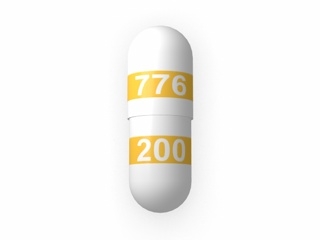
- Common strengths (availability may vary): 100 mg, 200 mg (and other pack options depending on supply)
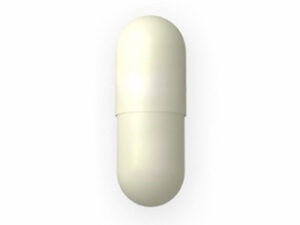
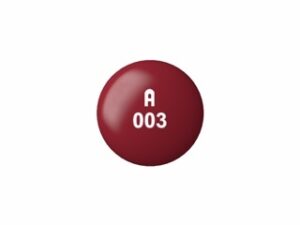
- How it’s taken: Oral capsules
- Typical dosing frequency: Usually once or twice daily depending on the indication
Always check the pack for exact strength and directions. Different indications can require different dosing strategies.
2) How Celebrex works (mechanism of action)
Pain and inflammation in conditions such as arthritis involve chemicals called prostaglandins. Prostaglandins are produced through enzymes called cyclooxygenase (COX), mainly:
- COX‑1 – involved in normal protective functions (e.g., stomach lining)
- COX‑2 – involved in inflammation and pain signalling
Celecoxib selectively inhibits COX‑2. This helps reduce inflammation and pain, while aiming to cause less stomach irritation than some non-selective NSAIDs. However, it can still cause gastrointestinal side effects, and it can increase cardiovascular risk in some situations.
3) Pharmacokinetics (how the body handles it)
Understanding pharmacokinetics can help explain timing and interactions. Key features for celecoxib include:
| Topic | What to know (general patient-friendly overview) |
|---|---|
| Absorption | Absorbed after oral dosing; peak blood levels typically occur within a few hours (often around 2–4 hours, varies by person and formulation). |
| Food effects | Food may delay peak levels but usually does not greatly reduce overall effect. |
| Metabolism | Primarily metabolised in the liver (commonly described as by CYP enzymes such as CYP2C9). |
| Elimination | Metabolites are excreted mainly through urine and partly via faeces. |
| Half-life | Often described as roughly 8–12 hours in adults (varies by individual factors such as age and liver function). |
Because metabolism occurs through liver pathways, interactions with other medicines that affect these pathways can be important (see “Alcohol and medicine interactions”).
4) Typical uses in practice
Celebrex is commonly used to relieve pain and inflammation associated with conditions such as:
- Osteoarthritis (wear-and-tear arthritis)
- Rheumatoid arthritis (inflammatory joint disease)
- Ankylosing spondylitis (inflammation affecting the spine and large joints)
- Acute pain and flare-ups in some circumstances, as directed in clinical care
The best choice of treatment depends on your health history—especially your stomach, kidney, blood pressure, heart, and stroke risk profile.
5) When to take Celebrex and how to time doses
Celebrex works best when taken consistently according to the prescribed directions. Many people find it easiest to take at the same times each day.
General timing tips
- Try to take it at regular intervals if it’s prescribed twice daily (e.g., morning and evening).
- If you miss a dose, take it when you remember unless it’s close to the next dose—then skip the missed dose and continue your schedule.
- Do not double up to make up for a missed dose.
How long does it take to work?
Some pain relief may begin within hours, but full benefit for chronic arthritis symptoms can take several days to weeks depending on the condition and dose. If your symptoms don’t improve or you worsen, seek medical advice promptly.
6) Food interactions and what to eat/drink
Celecoxib can be taken with or without food. Eating may slightly affect the speed of absorption, which can matter if you’re trying to time relief around activities.
- With food: may delay peak levels; some people tolerate it better.
- On an empty stomach: may lead to faster peak levels for some individuals.
For many patients, taking Celebrex with a meal can reduce stomach discomfort. Avoid using additional NSAIDs “to boost effect”—this increases risk of side effects.
7) Alcohol and medicine interactions
Alcohol
Alcohol can increase the risk of stomach irritation and bleeding with NSAID medicines. For that reason, it’s generally advised to limit alcohol while using Celebrex, especially if you have a history of ulcers, gastrointestinal bleeding, or are taking other blood-thinning medicines.
Important medicine interactions
Interactions can change how Celebrex works or increase side effects. Discuss all medicines and supplements you use with a pharmacist or doctor, including over-the-counter products.
Common categories to be aware of:
- Other NSAIDs (e.g., ibuprofen, naproxen, diclofenac): increased gastrointestinal and kidney risk. Generally avoid combining.
- Blood thinners / antiplatelet medicines (e.g., warfarin, clopidogrel, aspirin at anti-platelet doses): may increase bleeding risk. Close monitoring may be needed.
- Selective serotonin reuptake inhibitors (SSRIs) / SNRIs (e.g., sertraline, fluoxetine, venlafaxine): may further increase bleeding risk in the gut when combined with NSAIDs.
- Corticosteroids (e.g., prednisone): can increase stomach and bleeding risk.
- ACE inhibitors and ARBs (e.g., perindopril, lisinopril, losartan, valsartan): can affect kidney function especially in “triple therapy” situations.
- Diuretics (e.g., hydrochlorothiazide, furosemide): combined with NSAIDs can increase kidney stress in some people.
- Digoxin: NSAIDs can raise digoxin levels in some circumstances.
- Lithium: NSAIDs can increase lithium levels.
- Cyclosporine / tacrolimus: may increase kidney risk.
- CYP2C9 inhibitors/inducers (examples include certain antifungals like fluconazole, and some anti-seizure medicines such as phenytoin/carbamazepine): can change celecoxib exposure.
If you’re taking multiple medicines, your pharmacist can help check for known interaction risks.
8) Indications (why doctors choose Celebrex)
In Australia, celecoxib is used for inflammatory and pain conditions—most commonly:
- Osteoarthritis: to reduce pain and improve function in affected joints.
- Rheumatoid arthritis: to relieve symptoms and inflammation in active disease.
- Ankylosing spondylitis: to reduce pain, stiffness, and inflammation, particularly in the spine.
In some cases, it may be used for acute musculoskeletal pain as determined by clinical care. The decision depends on your medical history and risk factors.
9) Dosing information (general guidance)
Dosing can vary by indication, symptom severity, age, kidney/liver function, and other medications. The information below is general and should be confirmed against your product label and medical directions.
Common approach
- Start low and titrate: many prescribers aim for the lowest effective dose for the shortest necessary duration.
- Use regular schedule: arthritis symptoms often require steady dosing rather than “as needed”.
- Do not combine with other NSAIDs unless specifically advised.
Typical dosing patterns (illustrative)
Many adults with arthritis conditions are treated with a daily dose that may be divided once or twice daily depending on response. Your label will specify the exact dose and frequency.
| Indication | Typical dosing pattern (general) | Notes |
|---|---|---|
| Osteoarthritis | Often taken once or twice daily | Adjust based on pain control and tolerance. |
| Rheumatoid arthritis | Often taken once or twice daily | Symptom response may guide dose adjustment. |
| Ankylosing spondylitis | Often taken once or twice daily | Use the lowest effective dose for symptom control. |
If you have liver impairment, kidney impairment, are elderly, or have additional risk factors, dose adjustments may be required. Always follow your specific label instructions.
10) Safety profile: key risks and who should be extra cautious
Like other NSAIDs, celecoxib can cause side effects. Many people tolerate it well, but it’s important to understand potential serious risks.
Common side effects
- Stomach discomfort, heartburn, nausea
- Mild swelling/retention of fluid
- Dizziness or headache
- Raised liver enzymes (sometimes detected by blood tests)
Serious side effects (seek urgent help)
Get medical help immediately if you experience:
- Signs of gastrointestinal bleeding (e.g., vomiting blood, black/tarry stools, blood in stool, severe stomach pain)
- Allergic reactions (e.g., face/lip swelling, wheezing, severe rash or hives)
- Serious skin reactions (rare but important—blistering, widespread rash, peeling)
- Cardiovascular warning signs (e.g., chest pain, sudden shortness of breath, weakness on one side of body, slurred speech)
- Kidney problems (e.g., reduced urination, sudden weight gain from fluid retention)
- Severe liver issues (e.g., yellowing of skin/eyes, dark urine, severe fatigue)
Cardiovascular (heart/stroke) risk
COX‑2 selective medicines have been associated with an increased risk of cardiovascular events in some people, particularly at higher doses or with long-term use. Your prescriber should assess your individual risk factors.
Gastrointestinal (stomach/intestine) risk
Although celecoxib may cause less stomach injury than some non-selective NSAIDs, risk of ulcers and bleeding still exists. Higher risk includes older age, prior ulcer/bleeding, heavy alcohol use, and combining with certain medicines (e.g., corticosteroids or blood thinners).
Kidney and blood pressure effects
NSAIDs can affect kidney function and may worsen fluid balance, sometimes affecting blood pressure control. People with dehydration, heart failure, kidney disease, or those taking diuretics may be more vulnerable.
When to avoid or be cautious
Extra caution is needed if you have any history of:
- Stomach ulcer or gastrointestinal bleeding
- Heart disease, stroke, or significant cardiovascular risk factors
- Kidney disease or dehydration
- Severe liver disease
- Allergy to celecoxib or sulfonamides (discuss if relevant)
- Asthma that worsens with aspirin or NSAIDs
11) Practical use tips for safer, more comfortable treatment
- Use the lowest effective dose for symptom control.
- Keep regular follow-ups if using longer-term—especially if you have chronic conditions.
- Stay hydrated, particularly if you’re unwell (vomiting/diarrhoea) or in hot weather.
- Review all medications periodically (including supplements and herbal products).
- Avoid “stacking” pain medicines: don’t take ibuprofen/naproxen/diclofenac alongside celecoxib unless specifically advised.
- Monitor symptoms: watch for stomach pain, black stools, unusual bruising, breathlessness, or sudden weakness.
If you need additional pain relief, consult a pharmacist about safer combinations (many people can use paracetamol/acetaminophen when appropriate, but it depends on your overall health and local advice).
12) Alternative options (what else you might consider)
Treatment choice depends on your condition, severity, and risk factors. Alternatives may include:
Other pain/inflammation medicines
- Non-selective NSAIDs (e.g., ibuprofen, naproxen, diclofenac): may be effective but can increase stomach and bleeding risk.
- Other COX‑2 inhibitors: generally not interchangeable; discuss if relevant.
- Topical NSAIDs (e.g., gels for localised osteoarthritis pain): may reduce systemic exposure for some patients.
Non-medicine options
- Physiotherapy and exercise (strengthening, mobility, low-impact cardio)
- Weight management for osteoarthritis to reduce joint load
- Heat/cold therapy for symptom relief
- Assistive devices (braces, orthotics, walking aids)
- For inflammatory arthritis: disease-modifying therapies (chosen by specialist teams)
If you’ve had side effects with celecoxib or are at higher risk, ask your pharmacist or doctor about the most suitable alternative plan.
13) Celebrex in the Australian market: legal and regulatory context
In Australia, medicines are regulated through the Therapeutic Goods Administration (TGA), including requirements for supply, labelling, and safety monitoring. Celebrex (celecoxib) is an established medicine and is supplied in accordance with Australian standards.
Medicine availability can vary by strength, pack size, and manufacturer supply. Your local pharmacy or supplier can confirm current listings and stock expectations.
Recent guidance and monitoring (Australia-wide themes)
Ongoing safety communication generally focuses on:
- Using the lowest effective dose for the shortest duration when possible
- Assessing cardiovascular and gastrointestinal risk before and during use
- Reviewing medicines that increase bleeding risk (e.g., some anticoagulants/antiplatelets and certain antidepressants)
- Encouraging patients to seek urgent help if warning signs occur
If you are currently taking celecoxib, keep using it as directed and talk to a pharmacist if you have new symptoms or have started interacting medicines.
14) Delivery and availability (online pharmacy considerations in Australia)
Online pharmacies in Australia typically supply prescription medicines and pharmacy-supplied items in accordance with legal requirements. Availability may depend on:
- Strength and pack size requested
- Current supplier stock
- Where you live (regional vs metropolitan delivery timelines)
Delivery timeframes vary between retailers; many offer tracked shipping. To avoid missed deliveries, choose a delivery option compatible with your schedule (e.g., home delivery with safe drop, or parcel collection where offered).
If a product is temporarily out of stock, some pharmacies can suggest the closest available strength or an alternative option—confirming suitability with you.
15) FAQ – Frequently asked questions
Is Celebrex safe for everyone?
No. Safety depends on your age, medical history (especially stomach ulcers/bleeding, heart disease/stroke risk, kidney function, and liver health), and other medicines you take. If you have risk factors, ask a pharmacist for guidance before starting or continuing.
Can I take Celebrex with food?
Yes. Celebrex can generally be taken with or without food. Taking it with a meal may help reduce stomach discomfort for some people.
How quickly will I feel better?
Some people notice pain relief within hours, but full improvement for arthritis symptoms can take days to weeks. If there’s no improvement or symptoms worsen, speak to a pharmacist or doctor.
What should I avoid while taking Celebrex?
Avoid:
- Combining with other NSAIDs (unless specifically advised)
- Heavy alcohol intake
- Starting new medicines without checking interactions (especially blood thinners, corticosteroids, and antidepressants that affect serotonin)
Can I drive or operate machinery?
Some people may experience dizziness or headache. If you feel unwell or dizzy, avoid driving or operating machinery until you know how the medicine affects you.
Will Celebrex affect my kidneys?
It can, particularly in people who are dehydrated, have existing kidney disease, heart failure, or are taking certain medicines such as diuretics or ACE inhibitors/ARBs. Seek advice if you notice reduced urination, swelling, or sudden weight gain.
What if I miss a dose?
Take the missed dose when you remember unless it’s close to the next scheduled dose. Do not double the dose to catch up.
How long can I take Celebrex?
Duration depends on the condition and your response. For chronic arthritis, it may be used for longer periods, but you should have regular check-ins. For new or short-term flare-ups, your clinician may recommend a limited duration. Always follow your labelled directions.
Are there alternatives if I can’t tolerate it?
Yes. Options may include other NSAIDs, topical treatments, physiotherapy/exercise programmes, and for inflammatory arthritis, specialist disease-modifying treatments. A pharmacist can also advise on combinations that may reduce risk.
Important reminder
This information is intended to support patient understanding of Celebrex (celecoxib) and typical use in Australia. It does not replace personalised medical advice. If you experience concerning symptoms, such as signs of bleeding, allergic reaction, chest pain, stroke-like symptoms, or severe skin reactions, seek urgent medical attention.