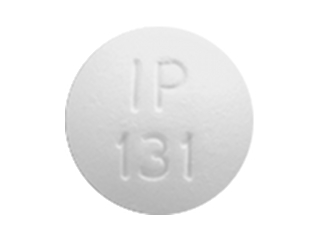
Colchicine (Colchicum autumnale) — Uses, How It Works, Safety and Tips (Australia)
Colchicine is a medicine derived from the plant Colchicum autumnale. In healthcare practice in Australia, it is used mainly to manage and prevent attacks of certain painful inflammatory conditions—particularly gout and familial Mediterranean fever (FMF). It works by reducing inflammatory signalling, helping to ease pain and swelling during flare-ups and, when used appropriately, lowering the risk of future attacks.
This page provides patient-friendly, general information about colchicine. Always follow the instructions given by your healthcare professional and the specific directions on your product label.
Basic product information
- Medicine name: Colchicine (from Colchicum autumnale)
- Common uses: Gout flare prevention/treatment, familial Mediterranean fever
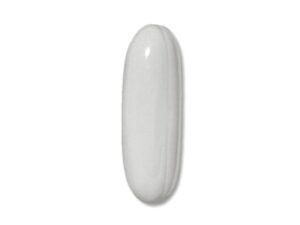
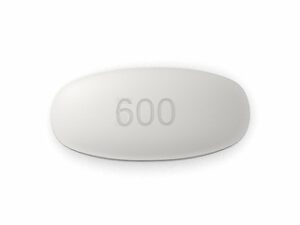
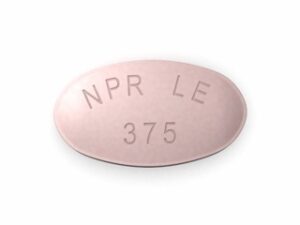
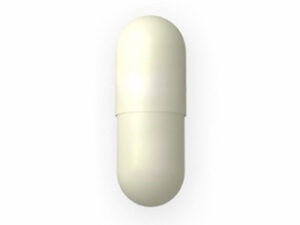
- Formulations: Tablets/capsules are commonly available; dosing strength varies by brand and indication
- How it’s taken: By mouth (swallowed)
| Category | Details |
|---|---|
| Therapeutic class | Anti-inflammatory (gout/FM F) agent |
| Typical onset during flares | Often improves symptoms within hours when started early |
| Role in prevention | Lower frequency/severity of attacks when taken regularly as directed |
| Key cautions | Drug interactions; kidney/liver impairment; dose sensitivity |
| Common side effects | Nausea, diarrhoea, abdominal discomfort |
How colchicine works (mechanism of action)
Colchicine reduces inflammation through effects on cells involved in the inflammatory response. It interferes with the formation and function of microtubules inside white blood cells. This helps limit the movement and activation of cells that contribute to inflammation.
In gout, symptoms are driven by an immune reaction to crystals in the joint. Colchicine helps dampen that inflammatory cascade, which can reduce pain and swelling during an attack.
Pharmacokinetics (how the body handles it)
While individual experiences vary, the following are useful general points about how colchicine behaves in the body.
- Absorption: Colchicine is absorbed after oral dosing. Peak blood levels typically occur within hours.
- Distribution: It distributes to tissues and is found in cells involved in inflammatory processes.
- Metabolism: Colchicine is metabolised in the body, involving pathways that can be affected by other medicines.
- Elimination: The kidneys and liver contribute to clearance. Reduced kidney or liver function can increase exposure.
Because colchicine is handled by metabolic and transport systems that many other medicines can affect, drug interactions are a major consideration.
What it’s used for (indications)
Colchicine is used for inflammatory conditions where reducing the inflammatory response is beneficial. Common indications include:
- Gout: Treatment of gout flares in people who meet clinical criteria, and prevention of flares (often used alongside urate-lowering strategies when appropriate).
- Familial Mediterranean fever (FMF): Prevention and management of recurrent inflammatory episodes.
- Other off-label uses: In some settings, clinicians may consider colchicine for certain inflammatory/vascular conditions based on local evidence and guidelines. The specific use depends on your diagnosis and medical history.
Timing: when to take colchicine
Timing differs depending on the reason you’re taking it. In gout, starting early can be especially important.
For gout flare-ups
- Start as early as possible: Colchicine is most effective when taken soon after the onset of flare symptoms.
- Follow your dosing schedule: Do not “repeat doses” beyond what your clinician or product instructions advise.
- Seek medical advice if symptoms worsen: Persistent severe pain, fever, or inability to bear weight may require review.
For prevention (regular use)
- Take consistently: If prescribed for prevention, take it on the schedule provided.
- Don’t stop suddenly without advice: Some flare-prevention strategies rely on ongoing dosing.
How to take colchicine (typical dosing guidance)
Dosing depends on the condition being treated, your age, kidney and liver function, and interacting medicines. The safest approach is to use the exact dose and schedule on your label or as directed by your healthcare professional.
General dosing principles (important)
- Use the lowest effective dose: Colchicine can be dose-sensitive.
- Kidney or liver impairment: Doses may need reduction or alternative plans may be required.
- Drug interactions: Certain medicines can increase colchicine levels—dose adjustments or avoidance may be necessary.
- Older adults: Age-related organ changes can increase sensitivity; extra caution is advised.
Common dosing patterns (non-prescriptive overview)
Below is a general overview of dosing patterns that may be used clinically. Always rely on your specific instructions. If you’re unsure, speak with your pharmacist.
| Condition | Typical approach | Notes |
|---|---|---|
| Gout flare | Early dosing at flare onset, followed by additional doses only per the prescribed plan | Avoid “extra doses” if symptoms persist |
| Gout flare prevention | Regular low-dose schedule for a period determined by your treatment plan | Often used during initiation or adjustment of urate-lowering therapy |
| Familial Mediterranean fever | Ongoing dosing to reduce frequency and severity of attacks | Adherence improves control |
Do not exceed the prescribed dose. Colchicine overdose can be dangerous. If you suspect you have taken too much, contact Poisons Information (Australia: 13 11 26) or seek urgent medical care.
Food interactions: can you take it with meals?
Colchicine can be affected by food and stomach timing in some people, although many patients can take it with or without food. To improve comfort and reduce stomach upset, many clinicians advise taking it with food if nausea occurs.
- With meals: May be tolerated better if you have gastrointestinal side effects.
- Consistent routine: If your clinician recommends taking it at a certain time of day, try to keep that routine.
- Grapefruit and certain juices: These may increase colchicine levels in some situations due to effects on drug metabolism/transport. Check with your pharmacist.
Alcohol interactions
Alcohol does not always have a direct interaction with colchicine in every patient, but there are several reasons to be cautious:
- Gastrointestinal effects: Both alcohol and colchicine can irritate the stomach and worsen nausea or diarrhoea.
- Dehydration: If you experience diarrhoea, alcohol can worsen dehydration, which can be risky for kidney function.
- Liver strain: People with liver disease or heavy alcohol use may be at increased risk of complications.
If you drink alcohol, consider keeping it minimal and avoid during active diarrhoea or significant side effects. Ask your pharmacist if alcohol is safe for you based on your health and other medicines.
Medicine interactions (very important)
Colchicine levels can rise when combined with medicines that inhibit metabolic enzymes or transport proteins. This can increase the risk of serious adverse effects.
Examples of medicines that may interact
- Some antibiotics/antifungals: Certain agents used for infections can increase colchicine exposure.
- Some heart/blood pressure medicines: Not all are an issue, but some can affect colchicine handling.
- Some cholesterol-lowering medicines: The combination with certain statins may increase the risk of muscle injury in susceptible people.
- HIV treatments: Some antiretroviral regimens can significantly alter colchicine levels.
- Other anti-inflammatory medicines: Interactions vary—discuss your full list of medicines and supplements.
This is not a complete list. Always tell your pharmacist about:
- Prescription medicines
- Over-the-counter products (including anti-inflammatories)
- Herbal supplements (for example, St John’s wort may affect drug metabolism)
- Recent changes to your medication list
When you should be extra careful
- You have kidney disease or reduced kidney function
- You have liver disease
- You are taking multiple medicines that may interact with colchicine
- You have a history of medication side effects
Safety profile: side effects and what to watch for
Like all medicines, colchicine can cause side effects. Many people tolerate it well at appropriate doses, but colchicine is known for dose-sensitive gastrointestinal effects.
Common side effects
- Diarrhoea
- Nausea
- Abdominal pain or cramps
- Vomiting (less common)
Serious side effects (seek urgent medical advice)
Contact a healthcare professional promptly if you experience symptoms that may indicate severe toxicity or complications. Seek urgent care if you have:
- Severe or persistent diarrhoea or vomiting leading to dehydration
- Unusual bruising or bleeding
- Severe weakness, muscle pain, or dark urine (possible muscle injury)
- Fever, worsening illness, or signs of dehydration (dizziness, fainting, very low urine output)
- Symptoms of allergy such as swelling of the face/lips, hives, or difficulty breathing
Who should use caution
- People with kidney or liver impairment
- Older adults
- People taking interacting medicines
- People with malabsorption or significant gastrointestinal disease
- Pregnancy and breastfeeding: Discuss risks and benefits with a clinician
Practical use tips (to get the best outcomes safely)
- Start early during gout attacks: Take it soon after flare onset if that’s how your plan is set up.
- Follow the plan exactly: Do not add extra doses to “catch up.” Colchicine has a narrow safety margin.
- Hydrate: If you develop diarrhoea, drink fluids to reduce dehydration risk (unless you’ve been told to restrict fluids).
- Report side effects early: If stomach symptoms appear, call your pharmacist or doctor for guidance—especially if diarrhoea is severe.
- Check your medication list: Each time you start a new medicine, ask whether it interacts with colchicine.
- Keep it in original packaging: Store at room temperature, away from moisture and heat, and out of reach of children.
- Do not share medicine: Even if another person has gout, dosing and safety considerations may differ.
Alternative options (depending on the condition)
If colchicine is not suitable, alternatives depend on the diagnosis, severity, and your other health conditions. Common alternatives for gout and related inflammatory episodes include:
- Anti-inflammatory medicines: Your clinician may consider options such as NSAIDs in selected patients.
- Corticosteroids: Sometimes used for flares or when other treatments are unsuitable.
- Urate-lowering medicines: For gout prevention long term, urate-lowering therapy may be central to reducing future attacks.
- Biologic or other targeted therapies: In specific inflammatory conditions (for example, certain cases of FMF or other rheumatologic conditions), specialist-directed therapies may be considered.
For FMF, different strategies may be used depending on the situation, and treatment goals should be discussed with a specialist.
Colchicine and gout prevention: practical context
Colchicine is often used as a “flare cover” in gout management—particularly during times when urate levels are being changed. Flare prevention strategies typically aim to:
- Control acute pain during a flare
- Reduce the frequency of future flares
- Lower urate long term to prevent crystal formation
Because gout is complex, a comprehensive plan usually includes lifestyle guidance and urate-lowering therapy when appropriate. Colchicine alone does not “remove” urate; it mainly reduces inflammation from existing crystals.
Market and legal context in Australia
In Australia, colchicine products are regulated under the Therapeutic Goods framework. Access and dispensing requirements depend on the specific product, strength, and the indication. Some colchicine formulations may be listed on the Australian Register of Therapeutic Goods (ARTG) and supplied in accordance with local scheduling and pharmacy requirements.
On an online pharmacy, you may be required to complete product-related steps such as identity checks, suitability screening, and medication review to help ensure safe use.
Recent guidance and evolving evidence (general overview)
Guidance for colchicine use in gout and other inflammatory conditions continues to be updated based on emerging clinical evidence and updated recommendations from professional bodies. Key themes often include:
- Early use for gout flares when appropriate
- Lower-dose strategies to reduce adverse effects while maintaining benefit
- Stronger emphasis on drug interactions and organ-function-based dosing
- Individualised treatment plans considering kidney/liver function and comorbidities
For the most current local advice, speak with your pharmacist or healthcare provider.
Delivery and availability (online pharmacy Australia)
Availability can vary by brand, strength, and whether a product is in stock at the supplier. When ordering online, delivery time depends on your location within Australia and the pharmacy’s dispatch schedule.
- Packaging: Medicines are typically packed to protect from temperature fluctuations and damage.
- Delivery: Standard and express delivery options may be available.
- Care with storage: On delivery, store as directed on the label and keep out of reach of children.
If you need colchicine urgently for an active flare, consider contacting the pharmacy to confirm stock and delivery timelines.
FAQ — Frequently asked questions
1) Can I take colchicine with food?
Many people can take colchicine with or without food. If it upsets your stomach, taking it with food may improve comfort. Follow your product label and your clinician’s advice.
2) How quickly does colchicine work for gout?
When started early during a gout flare, some people notice symptom improvement within hours. If your symptoms are not improving or you feel worse, seek medical advice.
3) What should I do if I miss a dose?
If you are using colchicine on a regular schedule for prevention, take the missed dose when you remember only if it’s close to the next planned dose. If it’s near the next dose, skip the missed dose and continue as directed. Do not double up unless your healthcare professional instructs you to.
4) Who should avoid colchicine or use it with extra caution?
Extra caution is needed if you have kidney or liver impairment, are older, or take medicines that can interact with colchicine. Your pharmacist can check your medication list for safety.
5) Is it safe to drink alcohol while taking colchicine?
It’s often recommended to limit alcohol because it may increase gastrointestinal side effects and dehydration risk. If you experience diarrhoea or vomiting, avoid alcohol and seek advice.
6) What interactions are most concerning?
Medicines that affect colchicine metabolism or transport can raise colchicine levels and increase the risk of toxicity. Always provide a complete list of your medicines and supplements to your pharmacist.
7) What side effects are normal?
Nausea and diarrhoea are among the more common effects. Mild stomach upset may be manageable, but severe diarrhoea, vomiting, or signs of dehydration need prompt medical advice.
8) Can colchicine be used long term?
It may be used long term in some conditions (such as FMF or certain gout prevention strategies) when benefits outweigh risks. Regular review is important, especially for kidney/liver function and medication interactions.
9) What if I have kidney problems?
Reduced kidney function can increase colchicine exposure. Dose adjustments may be required, and some medicines may need to be avoided. Discuss this with your pharmacist or clinician.
10) When should I seek urgent help?
Seek urgent medical care if you suspect overdose, develop severe persistent diarrhoea/vomiting, experience severe weakness, unusual bruising/bleeding, muscle pain with dark urine, trouble breathing, or symptoms of an allergic reaction.
Important reminders
- Follow your dosing instructions exactly. Colchicine is dose-sensitive.
- Check interactions every time. Tell your pharmacist about new medicines or supplements.
- Don’t ignore severe gastrointestinal symptoms. Dehydration can become serious, particularly if you have kidney issues.
- Keep out of reach of children. Store safely and discard according to local guidance when no longer needed.
If you’d like, share the condition you’re treating (e.g., gout flare vs prevention, FMF) and your other medicines (including OTC products), and you can ask a pharmacist whether colchicine is suitable and safe for your specific situation.