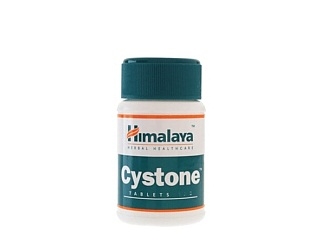
Cystone (Cystine/Urinary Health) — Patient Guide (Australia)
Cystone is an over-the-counter complementary medicine commonly used to support urinary tract health, particularly in people who experience symptoms that may be related to urinary discomfort. It is marketed to help maintain urinary comfort and wellbeing by supporting normal bladder function and reducing the effects of substances that can irritate the urinary tract.
This guide provides clear, practical information about what Cystone is, how it may work, how it is typically taken, and key safety considerations. Always read the product label and follow the directions provided by the manufacturer. If you are unsure, speak with a pharmacist or other healthcare professional.
Basic product information
| Item | What to know |
|---|---|
| Product name | Cystone |
| Purpose | Used as a complementary medicine to support urinary comfort and bladder health |
| Typical form | Tablet (exact strength may vary by brand/region) |
| Common ingredients (may vary) | Herbal/active ingredients formulated for urinary tract support |
| Who it’s for | Adults (and sometimes older adolescents, depending on local label directions) |
| Where to use | For urinary comfort support; not a replacement for medical care when serious infection is suspected |
Important: Product formulations and strengths can vary by manufacturer and market. Please check the exact ingredients and dose on your specific Cystone pack.
How Cystone works (mechanism of action)
Cystone is designed to support urinary tract health through mechanisms that may include:
- Helping reduce urinary irritation by supporting conditions in the urine that may contribute to discomfort.
- Supporting normal bladder function by promoting urinary comfort and healthy urinary flow.
- Acting on urinary tract environment via herbal/active compounds intended to help maintain a favourable environment in the urinary system.
Because Cystone is a complementary medicine, the precise mechanism can depend on the ingredient blend and formulation. The overall goal is to support urinary comfort rather than treat all causes of urinary symptoms on its own.
Pharmacokinetics (how the body handles Cystone)
For complementary medicines like Cystone, detailed pharmacokinetic studies (absorption, distribution, metabolism, and excretion of each constituent) may be limited compared with prescription medicines. In general:
- Absorption: The active components and supporting ingredients are absorbed to varying degrees depending on their chemical properties.
- Distribution: Absorbed compounds may circulate and exert local or systemic effects.
- Metabolism: Many herbal or mixed-ingredient components are metabolised in the liver and other tissues.
- Excretion: Some components and metabolites may be eliminated through the kidneys, contributing to effects in the urinary tract environment.
Practical takeaway: If you notice symptom improvement, it’s reasonable to continue as directed. If symptoms persist or worsen, reassess and seek advice—especially if infection is possible.
Typical use and indications
In Australia, Cystone is commonly used to support urinary tract health and comfort. It may be considered when you have:
- Mild urinary discomfort (for example, a sense of irritation or discomfort associated with urination)
- Recurrent tendency toward urinary discomfort where a clinician has ruled out serious causes
- Supportive care alongside lifestyle measures that encourage urinary health (hydration, bladder-friendly habits)
Not intended for: Severe symptoms, suspected kidney infection, or emergencies. If you have red-flag symptoms (listed later), urgent medical assessment is needed.
When to take Cystone (timing)
Follow the dosing schedule on your label. Many people take Cystone with:
- Regular daily timing (e.g., morning and evening) to maintain consistent levels in the body.
- Oral use with water.
Common practical guidance: Try to take it at the same times each day. If you miss a dose, take it when you remember unless it is close to the next dose—then skip the missed dose and continue normally.
Food interactions and dietary considerations
Most complementary medicines, including urinary-support products, can generally be taken with or without food. However, to minimise stomach upset:
- If you are sensitive, consider taking Cystone after meals.
- Drink plenty of water throughout the day unless you have been told to limit fluids for a medical reason.
Food effects: Some ingredients may absorb differently depending on meal timing. Unless the label states otherwise, follow the “with water” and “with or after food” instructions if provided.
Alcohol and medicine interactions
There are no universal rules that alcohol must be avoided for Cystone specifically, but general safety principles apply:
- Alcohol may irritate the bladder in some people and can worsen urinary discomfort.
- Hydration matters: Alcohol can contribute to dehydration, which may concentrate urine and increase irritation.
- Drug interactions: If you take other medicines (especially for urinary conditions, kidneys, diabetes, blood pressure, or blood thinners), check with a pharmacist to confirm there are no specific interaction concerns for your full medication list.
Practical advice: If you experience worsened symptoms after alcohol, consider limiting or avoiding it while using Cystone and focus on water intake.
Dosing (how much to take)
Dose instructions can vary by formulation. Please use the dosing information on your Cystone pack as the source of truth.
Typical adult dosing pattern (example guidance):
- Often taken as tablets by mouth with water
- Frequently recommended once to twice daily depending on the product strength and local label instructions
Do not exceed the stated dose on the label.
How long to use: Many people trial a period of supportive use while focusing on hydration and bladder-friendly habits. If symptoms do not improve within the timeframe suggested on the label—or if they recur frequently—seek professional advice to determine the underlying cause.
Safety profile and precautions
Like all medicines, Cystone may cause side effects in some people. Most people tolerate complementary urinary-support products well, but you should check your label and ingredient list for specific warnings.
Potential side effects
Side effects are not always reported uniformly for complementary medicines. If you experience any of the following, stop using Cystone and seek advice:
- Stomach upset (nausea, indigestion, abdominal discomfort)
- Allergic symptoms (rash, itching, swelling, difficulty breathing)
- Worsening urinary symptoms
Who should use caution
- Pregnancy and breastfeeding: Check with a healthcare professional before use.
- Kidney disease or reduced kidney function: Get medical advice, as urinary products may not be appropriate.
- History of allergies to any ingredients.
- Children: Only use if the product label specifies and dosing is appropriate for age.
Red-flag symptoms (seek urgent care)
Do not rely on supportive measures alone if you have signs that could indicate a significant infection or kidney problem:
- Fever or chills
- Back/flank pain (pain in the side or lower back)
- Blood in the urine
- Severe pain or rapidly worsening symptoms
- Vomiting or feeling very unwell
- Symptoms in a male patient with new urinary discomfort (requires assessment)
Practical use tips (getting the best results)
- Hydration: Drink water regularly through the day to help keep urine diluted and reduce irritation.
- Don’t hold urine: Use the bathroom when you feel the urge.
- Bladder-friendly habits: Some people find symptoms worsen with caffeine, acidic drinks, or spicy foods—monitor your triggers.
- Consistency: Take Cystone at the times directed on the label so supportive effects can develop.
- Track symptoms: Note frequency, discomfort level, and triggers. If symptoms persist, this helps your pharmacist or clinician.
Keep using the product as directed and avoid doubling doses if you miss one.
Alternative options for urinary comfort (Australia)
Depending on the cause of urinary discomfort, different approaches may be appropriate. Options may include:
- Hydration-focused strategies: Increasing fluid intake and monitoring urine colour (aim for pale yellow unless otherwise advised).
- Urinary alkalinising/supportive products: Some people use urinary pH support products—check ingredients and suitability.
- Non-medicine supportive care: Bladder training, avoiding irritants, and good hygiene practices.
- Clinician-guided treatments: If infection or another condition is suspected, assessment is important. Urinary symptoms can have multiple causes.
- Other complementary formulations: There are other herbal and supportive products sold in Australia. Compare ingredient lists, dose directions, and safety warnings.
Tip: If you’ve tried a urinary-support product before without improvement, consider discussing your symptoms with a pharmacist to identify the most suitable alternative.
Market and legal context for Australia
In Australia, complementary medicines are regulated by the TGA (Therapeutic Goods Administration). Products are listed or registered according to how claims are framed and the level of evidence available. Cystone is typically supplied as a complementary medicine, meaning:
- Claims are generally framed to support wellbeing/comfort rather than treat serious disease.
- Manufacturers must comply with quality, labelling, and safety requirements set by Australian regulators.
- Always verify the product you purchase is the correct branded item and includes Australian-approved labelling.
Recent guidance and best practice: While regulatory approaches can evolve, the general recommendation for urinary symptoms is consistent—people should seek assessment if symptoms suggest infection or complications, and avoid delaying treatment when red flags are present.
Delivery and availability (online pharmacy)
Availability can vary by stock and supplier. When ordered online:
- Dispatch times: Orders are typically processed quickly during business days, depending on warehouse workload.
- Delivery areas: Many Australian pharmacies deliver Australia-wide. Delivery estimates appear at checkout.
- Temperature and storage: Store Cystone according to label instructions (commonly in a cool, dry place).
- Tracking: Some orders include tracking details via email or SMS.
What to check before ordering: Confirm the pack size and active ingredients, and ensure you’re selecting the product intended for your needs.
FAQ about Cystone
1) What is Cystone used for?
Cystone is used as a supportive/complementary medicine to help maintain urinary comfort and bladder health. It is intended for supportive use and may help reduce discomfort associated with urinary irritation in some people.
2) How soon will I feel better?
Some people notice comfort changes within a short period, but individual responses vary. If symptoms persist beyond the timeframe indicated on the label or worsen, seek advice from a pharmacist or healthcare professional.
3) Can I take Cystone with other medicines?
Many people can take complementary medicines alongside everyday medications, but interactions can occur depending on your specific products and conditions. Provide your full medication list to a pharmacist to check suitability.
4) Is Cystone safe for everyone?
Not necessarily. Use caution if you are pregnant/breastfeeding, have kidney disease, or have allergies to any ingredients. Always follow the label and consult a healthcare professional when unsure.
5) Can children use Cystone?
Only use Cystone in children if the product label specifically states it is suitable and provides age-appropriate dosing. If the label does not specify, speak with a pharmacist.
6) Does Cystone treat urinary infections?
Cystone is designed for urinary comfort support. If you suspect a urinary infection—especially if you have fever, back pain, blood in urine, or you feel unwell—seek prompt assessment rather than relying on supportive products alone.
7) What should I do if I miss a dose?
Take it as soon as you remember unless it’s close to the next dose. Do not take extra doses to make up for a missed one.
8) Should I avoid alcohol?
It’s not always strictly required, but alcohol can worsen urinary discomfort and contribute to dehydration. Limiting alcohol and staying well hydrated is often a good approach.
9) Can I take Cystone on an empty stomach?
Many complementary medicines can be taken with or without food. If you get stomach discomfort, take it after food. Follow your label directions.
10) When should I stop taking Cystone?
Stop using Cystone if you experience signs of allergy, significant side effects, or if symptoms worsen. Seek medical advice if symptoms are persistent, severe, or include red-flag signs.
Summary
Cystone is a complementary medicine used to support urinary comfort and bladder health. It works by supporting a favourable urinary environment and helping reduce irritation for people with mild urinary discomfort. For best results, take it as directed on the label, stay well hydrated, and consider bladder-friendly lifestyle measures.
Seek prompt medical advice if you have fever, flank/back pain, blood in urine, severe or rapidly worsening symptoms, or you feel very unwell. Your pharmacist can also help you choose the most appropriate option based on your symptoms and other medications.