Cymbalta (Duloxetine) — Patient Information (Australia)
Cymbalta is a brand of duloxetine, a medicine used to treat certain nerve-related pain conditions and several mood and anxiety disorders. This guide is written to help you understand what Cymbalta is, how it works, what to expect, and how to use it safely. It is not a substitute for personalised medical advice.
| Product name | Active ingredient | Common formulation strengths | Typical dosing form |
|---|---|---|---|
| Cymbalta | Duloxetine | 20 mg, 30 mg, 40 mg, 60 mg (availability may vary) | Oral delayed-release capsules |
Basic product information
Duloxetine belongs to a group of medicines called serotonin–norepinephrine reuptake inhibitors (SNRIs). In some conditions, duloxetine also helps by reducing pain signals from nerves and by improving mood and anxiety symptoms.
Important notes:
- Cymbalta is usually taken once daily in many conditions, though your prescriber may advise different regimens.
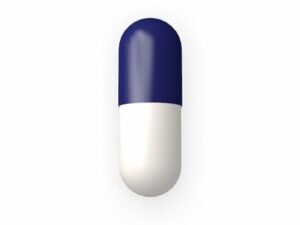
- Capsules are delayed-release and are designed to protect the medicine as it passes through the stomach.
- Do not open, crush, or chew capsules—swallow them whole.
How Cymbalta works (mechanism of action)
Duloxetine affects chemicals in the brain and spinal cord involved in pain perception and mood. Specifically, it increases the availability of:
- Serotonin (5‑HT)
- Norepinephrine (NE)
These neurotransmitters help modulate how pain signals are processed. In mood and anxiety disorders, serotonin and norepinephrine signalling can help improve communication between brain pathways involved in emotional regulation.
Why this helps with pain: Many pain conditions involve altered nerve signalling. By changing neurotransmitter activity, duloxetine can reduce pain intensity and improve function in nerve-related or chronic pain syndromes.
Pharmacokinetics (how the body handles duloxetine)
Understanding pharmacokinetics can help explain why timing matters and how interactions may occur.
- Absorption: Duloxetine is absorbed after oral dosing. Because Cymbalta capsules are delayed-release, the medicine is released in a way intended to improve tolerability and absorption.
- Distribution: Duloxetine is widely distributed in body tissues and is significantly protein-bound.
- Metabolism: The liver metabolises duloxetine, primarily via CYP1A2 and CYP2D6 enzymes.
- Elimination: Metabolites are mainly excreted through the kidneys.
- Half-life: Duloxetine has a relatively long half-life (often described around the range of ~10–12 hours), which supports once- or twice-daily dosing depending on the indication.
Practical implication: Changes in liver function, kidney function, and use of medicines that affect CYP enzymes can alter duloxetine levels and increase side effects or reduce effectiveness.
Typical uses and indications (what it is commonly prescribed for)
Cymbalta is used in Australia for several approved indications. Your exact use depends on your condition and medical history. Common uses include:
- Chronic musculoskeletal pain, including chronic low back pain and other chronic pain conditions (where appropriate).
- Diabetic peripheral neuropathic pain (nerve pain related to diabetes).
- Generalised anxiety disorder (GAD).
- Major depressive disorder (MDD).
- Fibromyalgia (a chronic condition causing widespread pain and tenderness), in line with local prescribing practices and guidelines.
Note: Indications and eligibility may vary based on product approvals, clinical guidelines, and individual risk factors.
When to take Cymbalta (timing and how it feels)
Many people take duloxetine at about the same time each day. Timing can affect side effects such as nausea, sleep changes, or drowsiness.
- Consistency matters: Try to take it every day to maintain steady levels.
- If taken once daily: Your prescriber may advise morning or evening depending on your symptoms.
- If it makes you sleepy, consider taking it in the evening.
- If it causes insomnia or makes you feel more alert, consider taking it in the morning.
- With food: Many people find it easier on the stomach when taken with a meal.
How soon should it work? Response varies by condition and individual biology.
- Mood/anxiety: Some improvement may occur within 1–2 weeks, with fuller benefit often taking 4–6 weeks (or longer).
- Nerve pain/fibromyalgia: Pain relief may take 2–4 weeks (sometimes longer) to become clear.
Do not stop suddenly: Duloxetine often needs a gradual dose reduction when discontinuing to reduce withdrawal-like symptoms.
Food interactions and taking with meals
Food generally has less direct interaction with duloxetine than with some other medicines, but tolerability can be improved by eating.
- Take with or without food: Many people tolerate Cymbalta better when taken with a meal.
- Gastrointestinal upset: If you experience nausea, try taking it with food and at the time of day that suits you best.
- Delayed-release capsule: The capsule should be swallowed whole to avoid altering how the medicine is released.
Alcohol and medicine interactions
Alcohol: It is generally recommended to limit or avoid alcohol while taking duloxetine, because alcohol may increase side effects such as dizziness, drowsiness, impaired coordination, and can increase the risk of liver strain in susceptible people.
Medicine interactions: Because duloxetine is metabolised by liver enzymes and affects neurotransmitters, interactions can be important. Tell your pharmacist or doctor about all medicines, including:
- Other antidepressants (especially MAO inhibitors or other serotonergic medicines)
- Tramadol and some other pain medicines (can raise risk of serotonin-related effects)
- Linezolid or methylene blue (serotonergic agents)
- Stimulants or medicines that affect serotonin/norepinephrine signalling
- Medicines that affect CYP1A2 and CYP2D6, including certain antibiotics, antifungals, and other drugs
- Warfarin and other blood thinners (increased bleeding risk may occur when combined with antidepressants in some patients)
- NSAIDs (e.g., ibuprofen, naproxen) or aspirin (may increase bleeding risk in some people)
- Diuretics or medicines that affect sodium levels (risk of low sodium may be increased)
Serotonin syndrome risk: Combining duloxetine with other serotonergic drugs can rarely lead to serotonin syndrome, a potentially serious condition. Seek urgent medical attention if you develop symptoms such as:
- fever, agitation, confusion
- shaking or muscle stiffness
- fast heart rate, sweating
- diarrhoea
Blood pressure and heart rate: Duloxetine may affect autonomic function in some people, so your clinician may monitor blood pressure and symptoms, especially if you have cardiovascular conditions.
Safety profile: common side effects and what to watch for
Like all medicines, Cymbalta can cause side effects. Many are mild and improve over time, but some require prompt medical attention.
Common side effects
- Nausea
- Dry mouth
- Headache
- Sleep disturbances (insomnia) or sleepiness
- Constipation or diarrhoea
- Increased sweating
- Dizziness
- Reduced appetite
- Sexual side effects (e.g., reduced libido, difficulty with orgasm)
Serious or urgent warnings
If you experience any of the following, seek urgent medical help:
- Allergic reaction: swelling of face/lips, rash, breathing difficulty
- Severe liver problems: yellowing of skin/eyes, dark urine, severe fatigue, upper abdominal pain
- Suicidal thoughts or worsening depression: especially early in treatment or during dose changes
- Serotonin syndrome (as described above)
- Bleeding problems: unusual bruising, black stools, vomiting blood
- Mania/hypomania symptoms: unusually high energy, decreased need for sleep, risky behaviour
- Urinary retention (difficulty passing urine)
Special populations
- Liver disease: Duloxetine may be unsuitable or require careful monitoring. Discuss any history of hepatitis, cirrhosis, or abnormal liver tests.
- Kidney impairment: Dose adjustments may be needed depending on severity.
- Older adults: Increased risk of low sodium (hyponatraemia) and falls may occur; extra monitoring can be important.
- Pregnancy and breastfeeding: Benefits and risks should be assessed with your healthcare professional.
Dosing: how Cymbalta is typically started and adjusted
Dosing depends on the condition being treated, patient factors, and tolerability. Your clinician may start at a lower dose to reduce side effects and adjust gradually.
General dosing principles
- Start low, go slow: Often a lower starting dose is used, especially for anxiety and pain conditions.
- Gradual titration: Dose changes are usually made over days to weeks.
- Once-daily dosing is common: For many indications, duloxetine is prescribed once daily (often 60 mg daily), with variations.
- Do not exceed prescribed dosing: Higher doses can increase side effects without necessarily providing extra benefit.
Example dosing ranges (for general education)
These are not personalised instructions. Your prescriber will determine your exact dose and schedule.
- Depression and anxiety: Often started at a lower dose (e.g., 30 mg daily) and increased to a maintenance range (commonly 60 mg daily), based on response and tolerability.
- Chronic pain conditions: May start at a lower dose and titrate upward toward 60 mg daily in many cases.
- Diabetic neuropathic pain: Similar gradual titration is often used.
Stopping Cymbalta: Do not stop suddenly. A planned taper is commonly needed to reduce discontinuation symptoms such as dizziness, nausea, irritability, headaches, or flu-like feelings.
Practical use tips (to help you get the best from Cymbalta)
- Take consistently: Set a daily reminder on your phone if helpful.
- Track effects: Note changes in pain, sleep, mood, and side effects during the first month.
- Manage nausea: Try taking with food, staying hydrated, and avoiding alcohol.
- Be mindful with driving: Until you know how it affects you, take care with driving or operating machinery if you feel dizzy or sleepy.
- Don’t “double up”: If you miss a dose, follow the advice given with your medicine. Typically, do not take two doses close together.
- Keep an eye on blood pressure: If you have hypertension or palpitations, monitor symptoms and discuss with your healthcare professional.
- Prevent interactions: Inform your pharmacist about any new medications, including over-the-counter products and supplements.
Alternative options (if Cymbalta isn’t suitable)
There are several alternatives depending on what you are treating. Your clinician may recommend:
For depression and anxiety
- Other antidepressants (e.g., SSRIs such as sertraline or escitalopram; other agents depending on symptoms)
- Therapy options such as cognitive behavioural therapy (CBT) (often alongside medication)
For nerve pain and chronic pain
- Other pain-modulating medicines (depending on your condition and medical history)
- Topical options for certain pain types
- Non-medicine strategies such as physiotherapy, graded activity, sleep optimisation, and psychological therapies
Important: Switching between medicines should be done under medical guidance to reduce risks such as withdrawal symptoms or interaction effects.
Market and legal context in Australia
In Australia, medicines such as Cymbalta are regulated through the TGA (Therapeutic Goods Administration). Duloxetine-containing products are typically supplied with prescription-only medicine arrangements, depending on local approvals and scheduling.
Because of potential risks and the need for appropriate selection, dose optimisation, and monitoring, supply generally involves healthcare professional involvement. When buying through an online pharmacy, reputable sellers typically verify eligibility and may request a clinical review or safety checks before dispensing.
Advice: Only use medicines that are supplied from legitimate sources and follow the directions on the packaging and any accompanying information.
Recent guidance and clinical considerations
Across healthcare systems, recent emphasis has included:
- Careful initiation and gradual dose titration to reduce early side effects.
- Monitoring mental health changes, particularly during the early weeks of treatment and during dose changes.
- Managing discontinuation proactively with tapering strategies to reduce withdrawal-like symptoms.
- Recognising interaction risk with serotonergic drugs and medicines affecting liver enzymes.
- Consideration of liver risk and avoidance of heavy alcohol use, especially in people with risk factors.
Clinical decisions continue to be guided by local prescribing information, safety updates, and professional guidelines.
Delivery and availability (Australia)
Availability of Cymbalta can vary by strength and packaging size. When ordering online, you may see different presentations (e.g., 30 mg or 60 mg capsules) depending on stock.
Delivery expectations:
- Delivery timeframes depend on location within Australia and the dispatch schedule.
- Orders may require processing and confirmation steps depending on eligibility checks.
- Keep an eye on tracking updates (if provided) and ensure the delivery address is correct.
Storage: Store at room temperature, protect from moisture, and keep out of reach of children. Follow the storage instructions on the package.
FAQ
1) What is Cymbalta used for?
Cymbalta (duloxetine) is commonly used for conditions such as depression, generalised anxiety disorder, diabetic nerve pain, fibromyalgia, and certain chronic pain conditions. Your exact indication depends on your diagnosis and treatment plan.
2) How long does duloxetine take to work?
Some people notice changes within 1–2 weeks, but full effects often take 4–6 weeks for mood and anxiety. For pain conditions, improvement may take 2–4 weeks or longer.
3) Should I take Cymbalta with food?
It’s often better tolerated with food, especially if you get nausea. However, some people can take it without food—follow the advice from your pharmacist or the product instructions.
4) Can I drink alcohol with Cymbalta?
It’s generally recommended to limit or avoid alcohol while taking duloxetine due to increased risks of side effects and possible liver strain. If you drink, discuss it with your healthcare professional.
5) What should I do if I miss a dose?
If you miss a dose, follow the instructions provided with your medicine or pharmacy guidance. Typically, you should not take a double dose to make up for a missed one.
6) What side effects are most common?
Common side effects include nausea, dizziness, dry mouth, headache, sleep changes, constipation or diarrhoea, increased sweating, and sexual side effects.
7) Can I stop Cymbalta suddenly?
Generally, you should not stop suddenly. Duloxetine is usually reduced gradually to help prevent discontinuation symptoms. Consult your healthcare professional for a taper plan.
8) Are there foods or supplements I should avoid?
There are no major specific food restrictions for duloxetine for most people, but avoid alcohol. Let your pharmacist know about supplements—some may interact with other medicines.
9) What medicines interact with Cymbalta?
Important interactions can occur with other serotonergic medicines, tramadol, certain antibiotics/antifungals, blood thinners (like warfarin), NSAIDs/aspirin (bleeding risk), and medicines affecting CYP1A2/CYP2D6 metabolism.
10) Who should take extra care with Cymbalta?
Extra caution may be needed for people with liver or kidney problems, those who drink alcohol heavily, older adults at higher risk of side effects, and people who have a history of bipolar disorder or mania.
Summary
Cymbalta (duloxetine) is an SNRI medicine used for a range of mood and pain conditions. It works by increasing serotonin and norepinephrine signalling, helping both emotional symptoms and pain processing. Benefits often develop over weeks, while early side effects can often be managed with consistent daily use, appropriate timing, and taking the capsule with food when needed. Because duloxetine can interact with other medicines and may affect the liver and bleeding risk in some patients, it’s important to share your full medication list and health history with your pharmacist or healthcare professional.
If you’d like, tell me which Cymbalta strength you’re considering (e.g., 30 mg or 60 mg) and which condition it’s for, and I can tailor a patient-friendly “how to take it” section to match common practice while keeping the information safe and general.