Etoricoxib (Australia) — Patient-Friendly Information
Etoricoxib is a prescription medicine used to reduce pain and inflammation, particularly in conditions such as osteoarthritis, rheumatoid arthritis, ankylosing spondylitis, and acute gout. It belongs to a group of medicines called COX-2 selective non-steroidal anti-inflammatory drugs (NSAIDs). Compared with some older NSAIDs, etoricoxib is designed to target the COX-2 pathway more selectively.
This guide is written to help you understand what etoricoxib is, how it works, how it’s taken, and what to watch for. It also covers interactions, safety considerations, and practical tips. Always follow your healthcare professional’s advice and the product label.
Basic product information
- Medicine name: Etoricoxib
- Drug class: Selective COX-2 inhibitor (NSAID)
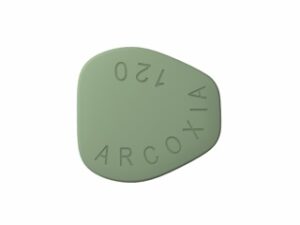
- Common strengths (varies by brand): 30 mg, 60 mg, 90 mg, 120 mg (availability varies)
- Typical dosage forms: Oral tablets
- Therapeutic uses: Pain relief and anti-inflammatory treatment
Important: The exact dose and duration depend on the condition being treated, your medical history, and your risk factors (for example, cardiovascular or stomach/kidney risk).
How etoricoxib works (mechanism of action)
Etoricoxib reduces pain and inflammation by inhibiting an enzyme called cyclooxygenase-2 (COX-2). COX-2 plays a role in the production of prostaglandins, substances involved in inflammation, pain signaling, and fever.
Because etoricoxib is relatively selective for COX-2, it tends to have less effect on COX-1 than some non-selective NSAIDs. However, it is still an NSAID and can have important safety considerations.
- Anti-inflammatory effect: Lowers inflammatory prostaglandins
- Analgesic effect: Reduces pain
- Potential fever reduction: Prostaglandins can also contribute to fever
Pharmacokinetics (how the body processes etoricoxib)
Pharmacokinetics describes how a drug is absorbed, distributed, metabolised, and eliminated.
| Topic | Typical features of etoricoxib |
|---|---|
| Absorption | Well absorbed after oral dosing; peak levels occur within a few hours. |
| Time to peak | Typically about 1 hour after taking a dose (may vary slightly by dose and individual). |
| Food effects | Food generally does not greatly reduce overall exposure, but can delay absorption (see food section below). |
| Distribution | Distributes throughout the body; binds to plasma proteins. |
| Metabolism | Primarily metabolised in the liver (involves CYP pathways, notably CYP3A4). |
| Elimination | Excreted mainly as metabolites via urine and some through faeces. |
| Half-life | Elimination half-life is roughly 10–20 hours, supporting once-daily dosing for many indications. |
Typical use and indications
Etoricoxib is used for symptomatic relief of conditions where pain and inflammation are prominent. Common indications include:
- Osteoarthritis (degenerative joint disease)
- Rheumatoid arthritis
- Ankylosing spondylitis (inflammatory back/hip disease)
- Acute gout (short-term flare relief)
Note: Etoricoxib treats symptoms (pain and inflammation). It does not cure the underlying disease.
When to take etoricoxib (timing and dosing schedule)
Etoricoxib is usually taken , though the dose and frequency depend on the condition.
General timing principles:
- Try to take your dose at the same time each day.
- Use the lowest effective dose for the shortest necessary duration.
- For many people, etoricoxib can be taken with or without food, but food can affect when it reaches peak levels.
If you miss a dose, take it when you remember unless it is close to your next dose. Do not take a double dose to make up for a missed one.
Food interactions (with meals)
Etoricoxib can be taken with or without food. However, food may delay the time to reach peak concentration, which may slightly affect how quickly you feel relief.
- If you need faster symptom relief, consider taking it consistently either with food or without food, based on what works for you.
- Follow your healthcare professional’s advice and the directions on your medicine label.
Practical tip: If you notice symptoms improve faster when taken on an empty stomach (or the opposite), keep that routine consistent—this helps you predict when relief is likely.
Alcohol and medicine interactions
Combining etoricoxib with alcohol can increase certain risks, particularly those related to the stomach, bleeding, and liver stress.
- Alcohol and stomach/bleeding risk: Alcohol can irritate the stomach lining and may increase gastrointestinal risk when combined with NSAIDs.
- Alcohol and liver health: Heavy alcohol use can affect liver function, which may be relevant because etoricoxib is metabolised in the liver.
- Alcohol and kidney risk: Dehydration from alcohol or illness can worsen kidney risk—an important NSAID safety consideration.
Safer approach: If you drink alcohol, keep it moderate and discuss your intake with your pharmacist or doctor—especially if you have a history of ulcers, bleeding, kidney disease, heart disease, or liver problems.
Medicine interactions (key examples)
Interactions can change how well medicines work or increase the chance of side effects. Tell your pharmacist or doctor about all medicines and supplements you take, including over-the-counter products.
1) Other NSAIDs and pain relievers
- Avoid combining with other NSAIDs (e.g., ibuprofen, naproxen, diclofenac) unless directed.
- Do not “stack” NSAIDs—it increases risk (especially stomach/bleeding and kidney effects).
2) Aspirin (low-dose) and blood thinning medicines
- If you take low-dose aspirin for heart protection, your clinician may allow it; however, the combination may increase bleeding risk.
- Anticoagulants (e.g., warfarin) and certain antiplatelet agents may raise bleeding risk when used with NSAIDs.
3) Blood pressure medicines and kidney risk
- NSAIDs can reduce the effect of some blood pressure medications.
- The combination of NSAIDs with certain medicines (for example, ACE inhibitors, ARBs, or diuretics) can increase the risk of kidney problems in some people.
4) Diuretics (“water tablets”)
- NSAIDs may reduce the effect of diuretics and contribute to fluid retention in some patients.
5) Lithium
- Etoricoxib can raise lithium levels, increasing toxicity risk. Monitoring may be needed.
6) Methotrexate
- NSAIDs may increase methotrexate levels, especially at higher doses. Careful monitoring is needed.
7) Cyclosporine and tacrolimus
- These medicines can already affect kidney function; NSAID use may increase kidney risk.
8) SSRIs and bleeding risk
- Some antidepressants (SSRIs/SNRIs) can increase bleeding risk when combined with NSAIDs.
Always check: Your pharmacist can review your current medicines for interaction risks before you start etoricoxib.
Dosing (typical regimens and how it may be adjusted)
Doses vary based on the condition and your risk factors. The goal is to use the lowest effective dose for the shortest period.
Common adult dosing ranges used in practice (may vary by product and guidance):
- Osteoarthritis: often 30 mg once daily; may be adjusted if needed.
- Rheumatoid arthritis: often 60 mg once daily; may be adjusted.
- Ankylosing spondylitis: often 60 mg once daily; may be adjusted.
- Acute gout: higher doses may be used for a short course, depending on local guidance and your clinician’s advice.
Maximum dose considerations: Etoricoxib has recommended maximum daily doses. These maximums may differ depending on the condition and patient factors (for example, liver impairment). Always follow the dose on your label.
Liver and kidney adjustments: People with certain liver or kidney conditions may require dose changes or extra monitoring.
When to seek urgent advice: If you experience signs of serious side effects (such as black stools, vomiting blood, sudden shortness of breath, chest pain, severe abdominal pain, or swelling of the face/legs), seek urgent medical help.
Safety profile (what to watch for)
Like other NSAIDs, etoricoxib can cause side effects. Most are mild to moderate, but some can be serious, particularly in people with risk factors.
Common side effects
- Headache
- Dizziness
- Indigestion or stomach discomfort
- Fluid retention (swelling in some people)
- Raised blood pressure
Serious risks (important)
- Cardiovascular risk: NSAIDs (including COX-2 inhibitors) can increase the risk of cardiovascular events, particularly at higher doses or longer durations, in people with existing heart disease or risk factors.
- Gastrointestinal bleeding/ulcers: Even with COX-2 selectivity, there is still a risk of stomach irritation, ulcers, and bleeding.
- Kidney effects: NSAIDs can affect kidney blood flow and may worsen kidney function, especially if you are dehydrated, have kidney disease, or are also taking diuretics or certain blood pressure medicines.
- Serious skin or allergic reactions: Rare but serious reactions can occur (e.g., severe rash, blistering, facial swelling, or breathing difficulties).
- Liver issues: Rare liver injury has been reported with NSAIDs. Seek medical review if you notice yellowing of the skin/eyes, dark urine, or severe fatigue.
- Fluid retention and heart failure risk: NSAIDs may worsen fluid retention and potentially exacerbate heart failure in susceptible individuals.
Who should be extra careful?
Your pharmacist or doctor may advise extra monitoring or alternative options if you have:
- A history of stomach ulcers or gastrointestinal bleeding
- Heart disease, stroke, or significant cardiovascular risk
- High blood pressure or uncontrolled hypertension
- Kidney disease or dehydration risk
- Liver impairment
- Asthma triggered by NSAIDs
- Age-related frailty or multiple chronic conditions
Practical use tips for patients
- Use the lowest effective dose: If symptoms improve, ask whether your dose can be reduced.
- Keep treatment duration short: For flare-ups like acute gout, follow the short course plan.
- Stay hydrated: Adequate fluid intake supports kidney function.
- Monitor blood pressure: If you have high blood pressure, keep regular checks.
- Avoid “double NSAID” use: Do not take ibuprofen/naproxen/diclofenac alongside etoricoxib unless instructed.
- Be cautious with OTC products: Many cold/flu and pain products contain NSAIDs—check labels carefully.
- Watch for red-flag symptoms: Seek urgent help for black stools, vomiting blood, chest pain, severe breathing issues, sudden weakness, fainting, or severe allergic reactions.
Alternative options
Depending on your condition, pain pattern, and risk factors, alternatives may include:
Other pain and anti-inflammatory options
- Non-selective NSAIDs (e.g., ibuprofen, naproxen, diclofenac) — may have different risk profiles.
- Paracetamol (acetaminophen) — may help some people with pain, though it has less anti-inflammatory effect.
- Topical NSAIDs (for some joint pains) — reduce systemic exposure.
- Non-pharmacologic measures: physiotherapy, exercise/strengthening, heat/cold therapy, weight management for osteoarthritis.
For specific conditions
- Rheumatoid arthritis / ankylosing spondylitis: long-term disease control often involves medicines beyond NSAIDs (e.g., disease-modifying therapies). Etoricoxib is mainly for symptom relief.
- Acute gout: clinicians may also use corticosteroids or other gout-specific treatments depending on your health and previous response.
Your pharmacist or doctor can help you compare options based on cardiovascular, gastrointestinal, kidney, and liver risks.
Australia: market and legal context
In Australia, medicines are regulated through the TGA (Therapeutic Goods Administration). Many NSAIDs are available as prescription and/or over-the-counter products depending on strength and indication. Etoricoxib is generally used under medical supervision due to its safety considerations and dosing limits.
Branding and availability: Product availability may vary by region and pharmacy. Your local pharmacy can confirm what brands and tablet strengths are currently stocked or can be ordered.
Safety monitoring in Australia: Healthcare professionals in Australia typically emphasise the principle of using the lowest effective dose for the shortest duration, particularly in people with cardiovascular or gastrointestinal risk.
Recent guidance and safety updates (general theme)
Across Australia and internationally, safety guidance for COX-2 inhibitors and NSAIDs has focused on:
- Restricting use to the lowest effective dose
- Avoiding prolonged high-dose therapy
- Careful risk assessment for cardiovascular, gastrointestinal, liver, and kidney risks
- Reviewing the need for continued treatment at regular intervals
For the most up-to-date official guidance, your pharmacist can direct you to the relevant Australian product information (PI) and consumer medicine information (CMI) resources.
Delivery, ordering, and availability (online pharmacy)
Online pharmacies in Australia typically allow you to order medications for delivery to eligible locations. Availability depends on stock levels, tablet strength, and brand.
- Check your item details: Confirm the tablet strength (e.g., 30 mg, 60 mg, etc.) before checkout.
- Delivery times: Delivery estimates vary by provider and region. Allow additional time during peak periods.
- Packaging: Medications are usually sent in sealed packaging with clear labelling.
- Storage: Store tablets as directed on the pack (commonly at room temperature away from moisture and heat).
If you need it urgently: Contact the pharmacy to confirm dispatch times for your postcode.
Frequently Asked Questions (FAQ)
1) Is etoricoxib the same as ibuprofen or naproxen?
Etoricoxib is an NSAID, but it is COX-2 selective. Ibuprofen and naproxen are typically non-selective NSAIDs. Safety and side-effect profiles can differ, so the medicines are not interchangeable without advice.
2) How fast will etoricoxib start working?
Many people notice symptom relief within the first day, and etoricoxib generally reaches peak blood levels in about 1 hour. Individual response varies, and taking it with or without food may influence how quickly you feel effects.
3) Can I take etoricoxib with food?
Yes. Food usually does not significantly reduce overall exposure, though it can delay absorption. Taking it the same way each day can help predict symptom control.
4) Can I drink alcohol while taking etoricoxib?
It’s best to keep alcohol to a minimum. Alcohol can increase irritation and bleeding risk and may add strain to the liver. If you drink regularly or heavily, discuss this with your pharmacist or doctor.
5) What should I avoid while taking etoricoxib?
Avoid:
- Other NSAIDs (unless advised)
- OTC pain products that contain NSAIDs
- Heavy alcohol intake
Also be cautious with medicines that affect kidney function or blood clotting. Your pharmacist can check your list for interactions.
6) What are the warning signs of serious side effects?
Seek urgent medical help if you notice:
- Chest pain, sudden breathlessness, or signs of stroke (face drooping, arm weakness, speech difficulty)
- Black or tarry stools, vomiting blood, or unusual bleeding/bruising
- Severe stomach pain
- Severe rash, blistering, facial swelling, or trouble breathing
- Reduced urination, major swelling, or sudden weight gain
7) How long can I take etoricoxib?
Duration depends on the condition. Many uses follow a “shortest needed” approach, especially for flare-ups. For chronic conditions, periodic review is important to confirm the benefit outweighs risks.
8) Can I take it if I have high blood pressure or heart disease?
Some people with these conditions may still use etoricoxib under careful monitoring, but risk can be higher. Your healthcare professional will consider your history, dose, and duration before recommending it.
9) Will etoricoxib help with muscle pain or back pain?
Etoricoxib is indicated for specific inflammatory arthritis conditions and acute gout. For other types of pain (like simple muscle strain), other treatments may be more appropriate. Discuss the cause of your pain with a clinician or pharmacist.
10) Are there alternatives if I cannot take etoricoxib?
Alternatives may include other NSAIDs (with different risk profiles), paracetamol, topical treatments, physical therapy, or disease-specific therapies depending on your condition. Your pharmacist can help you compare options.
Disclaimer: This information is for general education and does not replace advice from your healthcare professional. If you have any questions about whether etoricoxib is suitable for you, or if you experience side effects, contact your pharmacist or doctor promptly.