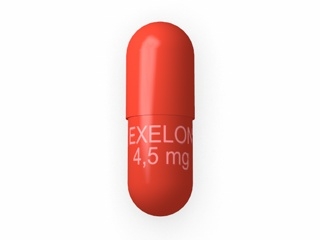

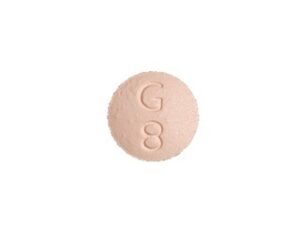
Exelon (Rivastigmine Tartrate) — Patient Information
Exelon contains rivastigmine tartrate, a medicine used to help manage symptoms of certain types of dementia. This information is written to be patient-friendly and covers how Exelon works, how it’s taken, key interactions, and practical tips for safe use in Australia.
Basic product information
| Item | Details |
|---|---|
| Active ingredient | Rivastigmine tartrate |
| Medicine type | Cholinesterase inhibitor (used in dementia) |
| Common forms | Oral capsules (and other formulations may be available, depending on brand and supply) |
| How it’s used | Usually started at a low dose and increased gradually to reduce side effects |
| Who it’s for | People with Alzheimer’s disease dementia and dementia associated with Parkinson’s disease |
| Where it’s available | Available through prescription supply channels in Australia (availability can vary by formulation) |
How Exelon works (mechanism of action)
Exelon helps improve symptoms of dementia by increasing levels of certain brain chemicals involved in memory, thinking and behaviour. Specifically, rivastigmine inhibits enzymes that break down acetylcholine—a neurotransmitter important for learning and memory.
- Enzymes inhibited: primarily acetylcholinesterase and also butyrylcholinesterase.
- Result: acetylcholine is broken down more slowly, which may improve communication between brain cells.
- Expected outcome: Exelon may help maintain or slow decline in cognitive function and daily function in some people. It does not cure dementia and does not stop progression in every person.
Typical use — what Exelon is prescribed for
Exelon is used for the symptomatic treatment of:
- Alzheimer’s disease dementia (mild to moderate in many care plans; exact treatment approach depends on individual assessment).
- Dementia associated with Parkinson’s disease (in appropriate patients with a diagnosis of Parkinson’s disease and dementia).
Treatment is usually reviewed periodically to determine benefit and tolerability.
Important: start low, go slow
A key feature of Exelon therapy is gradual dose escalation. Starting with a lower dose helps reduce common side effects, particularly nausea and vomiting, and allows the body time to adjust.
Dosing and timing (general guidance)
Dosing depends on the formulation, the individual’s tolerance, and the intended titration schedule. Below is general patient-friendly information on how timing often works. Always follow your prescriber’s instructions and the label on your medicine.
General timing tips
- Take regularly: Take Exelon at the times directed so blood levels remain steadier.
- With meals or after food: Taking with food can reduce gastrointestinal side effects for many people (see “Food interactions” below for more detail).
- Don’t double dose: If you miss a dose, take it when you remember unless it is close to the next dose. Do not take two doses at once to make up for a missed dose.
- Paused treatment: If you stop for several days, restarting may require a re-titration plan. Seek advice before restarting after a break.
Example schedule (illustrative only)
Many Exelon regimens are taken twice daily for oral capsules, but your specific schedule may differ. Your packaging and instructions will specify how often to take your particular product.
- Morning dose: with breakfast or after breakfast
- Evening dose: with dinner or after dinner
Pharmacokinetics (how the body handles rivastigmine)
Pharmacokinetics describe how a drug is absorbed, distributed, metabolised and eliminated. While exact values can vary by individual and formulation, the following general points are helpful for understanding the medicine’s behaviour:
- Absorption: Rivastigmine is absorbed after oral administration. Food may influence gastrointestinal comfort and absorption rate for some people.
- Metabolism: Rivastigmine is metabolised primarily by esterases rather than by many liver enzymes. This can mean fewer classic “liver enzyme” drug interactions compared with some other medicines.
- Distribution: It reaches the brain to exert its effect on cholinesterase enzymes.
- Elimination: The drug and its metabolites are eliminated mainly through the kidneys.
- Half-life considerations: The duration of effect may not match the plasma half-life precisely because inhibition of enzymes can persist. This is one reason consistent dosing is important.
Food interactions — can I take Exelon with meals?
Exelon is often easier to tolerate when taken with food. Food can reduce the likelihood or severity of side effects such as nausea. Your medicine label may include specific instructions (for example, “take with food”).
- Generally: Taking with meals or after food is commonly recommended to improve tolerability.
- Be consistent: Try to take doses at similar times relative to meals each day.
- Watch appetite and nausea: If nausea occurs, smaller meals and hydration strategies may help (see “Practical use tips”).
Alcohol and medicine interactions
Because Exelon affects the cholinergic system, combining it with alcohol or certain medicines may increase side effects. Alcohol may also worsen cognition, balance and dehydration risk—important considerations in older adults.
Alcohol
- Avoid or limit alcohol: Alcohol may worsen dizziness, sleepiness, nausea and confusion.
- Hydration: Alcohol can contribute to dehydration, which may make gastrointestinal side effects more difficult to manage.
Other medicine interactions
Drug interactions depend on your personal medication list, including over-the-counter products and supplements. Always review your full list with a pharmacist.
- Other anticholinesterase medicines: Using multiple cholinesterase inhibitors may increase side effects.
- Anticholinergic drugs: Medicines with anticholinergic effects (which reduce acetylcholine activity) may counteract Exelon’s benefits or increase cognitive symptoms in some people.
- Medicines that slow heart rate: Exelon can influence heart rate. Caution is advised with drugs that cause bradycardia (slow heart rate) such as some beta-blockers or certain heart rhythm medicines.
- Medicines causing nausea/vomiting: Combining with other drugs that irritate the stomach may increase gastrointestinal upset.
- NSAIDs and stomach protection: Exelon does not directly replace the need for stomach-protecting strategies if you take NSAIDs. If you have indigestion, discuss with your healthcare team.
Important: Many interactions are manageable, but they require awareness. Always check any new medicine with your pharmacist, including antibiotics, anti-nausea medicines, allergy tablets, sleep medicines, and herbal products.
Safety profile — common and serious side effects
Like all medicines, Exelon can cause side effects. Not everyone gets them, and many can improve with careful dose adjustment. If side effects are persistent or severe, your healthcare team may reduce the dose or stop treatment.
Common side effects
- Nausea
- Vomiting
- Diarrhoea or stomach upset
- Loss of appetite
- Weight loss (especially if appetite decreases)
- Dizziness
- Tiredness or weakness
- Headache
Less common but important side effects
- Slow heart rate (bradycardia), fainting, or feeling light-headed
- Fall risk due to dizziness
- Sleep disturbance in some people
- Extrapyramidal symptoms are often already present in Parkinson’s disease; symptoms may need monitoring
Seek urgent medical help if you experience
- Severe or persistent vomiting or inability to keep fluids down
- Signs of dehydration (very dry mouth, marked weakness, reduced urination)
- Fainting, severe dizziness, chest pain, or unusually slow heartbeat
- Severe allergic reaction (swelling of face/lips, difficulty breathing)
Practical use tips for better tolerability
Many patients do best when a few practical strategies are followed—especially during the first weeks after starting or increasing the dose.
Managing nausea and stomach upset
- Take with food (or as directed on your label).
- Small, frequent meals may reduce nausea.
- Hydrate early: sip water or oral fluids regularly rather than waiting until you feel very nauseated.
- Consider timing adjustments with your pharmacist if nausea is mainly during a particular part of the day. Do not change dosing frequency without advice.
- If vomiting occurs repeatedly, you may need dose reduction and medical advice before continuing at the same dose.
Reducing fall risk
- Move slowly when standing up, especially after taking a dose.
- Ensure adequate lighting and remove trip hazards.
- Report dizziness or fainting to your clinician promptly.
Remembering doses
- Use a blister pack, dosette box, or phone reminders.
- If you miss doses for more than a short period, ask about whether a restart and titration plan is needed.
Monitoring while taking Exelon
While Exelon is used to manage symptoms, monitoring helps ensure benefit and detect side effects early. Your clinician may check:
- Cognition and daily function (how well you’re coping with everyday activities)
- Weight and appetite
- Gastrointestinal symptoms
- Heart rate and dizziness, particularly if you have heart disease or take related medicines
- Overall tolerability after dose changes
Alternative options
If Exelon isn’t suitable—due to side effects, limited benefit, or other factors—your doctor may consider other treatments for dementia. Options can vary by diagnosis (Alzheimer’s disease versus Parkinson’s disease dementia) and individual health profile.
Common alternatives for dementia treatment
- Other cholinesterase inhibitors (for Alzheimer’s disease): such as donepezil and galantamine (depending on availability and suitability).
- Memantine (in some patients, particularly for moderate to severe disease or when cholinesterase inhibitors are not tolerated).
Switching between medicines should be guided by your clinician to minimise symptom changes and avoid overlapping side effects.
Market and legal context for Australia
In Australia, Exelon is supplied through appropriate healthcare channels and is intended for use under clinical assessment for the indicated conditions. Availability of particular formulations (such as capsule strengths and any alternative forms) may vary by supply at different times.
Medicines can only be supplied when the required supply requirements are met, and users should always obtain medicines from reputable sources that comply with Australian regulatory and pharmacy standards.
Recent guidance and care updates (general)
Dementia care in Australia commonly emphasises:
- Individualised treatment with regular review of benefit and harms.
- Non-drug support alongside medication, such as caregiver support, routines, occupational therapy strategies, managing sleep issues, and addressing safety risks.
- Monitoring for side effects, especially gastrointestinal symptoms, weight changes, falls and bradycardia.
While specific advice can vary by patient and the latest regulatory updates, the approach of gradual dose titration and ongoing review remains a key principle for medicines like Exelon.
Delivery and availability (online pharmacy)
Availability of Exelon can vary depending on formulation and stock levels. When ordering online, allow time for processing and delivery. Delivery options may include standard and express services, depending on location and pharmacy service coverage.
- Stock checks: Many online pharmacies verify stock before dispatch.
- Packaging: Medicines are typically packed to protect tablets/capsules and labels for safety and traceability.
- Cold chain: Usually not required for rivastigmine oral forms, but always follow storage instructions on your product.
- Address accuracy: Ensure your delivery address is complete (unit numbers, suburb/postcode).
If a particular strength or formulation is temporarily unavailable, the pharmacy may contact you with options such as substitution where permitted or scheduling a later dispatch.
Storage
- Store according to the instructions on the label (commonly at room temperature, protected from moisture and heat).
- Keep out of reach of children.
- Do not use after the expiry date.
FAQ
1. What does Exelon do for dementia?
Exelon helps increase acetylcholine availability by inhibiting the breakdown enzymes. This may improve symptoms or slow worsening of cognition and daily functioning for some people with Alzheimer’s disease dementia and dementia associated with Parkinson’s disease.
2. When should I take Exelon?
Follow the schedule on your label. Many oral regimens are taken twice daily. Taking doses with meals or after food can improve tolerability, particularly for nausea.
3. What if I miss a dose?
If you miss a dose, take it when you remember unless it is close to the next dose. Do not take two doses at once. If missed doses continue or you stop for several days, ask for advice before restarting.
4. Can I drink alcohol while taking Exelon?
It’s generally best to avoid or limit alcohol. Alcohol can worsen dizziness, nausea, dehydration and confusion, which may increase the risk of falls and side effects.
5. Does Exelon interact with other medications?
Yes, potential interactions exist. Common considerations include anticholinergic medicines, other drugs that affect heart rate, and medicines that worsen nausea. Always provide your full medication list to a pharmacist or clinician when starting Exelon.
6. Why do I need a gradual dose increase?
Starting with a lower dose reduces the chance and severity of gastrointestinal side effects (such as nausea and vomiting). Gradually increasing helps the body adapt and supports safer long-term use.
7. Is Exelon a cure for dementia?
No. Exelon is used to manage symptoms. It does not cure dementia or stop disease progression, though it may help some people function better for longer.
8. What side effects should I watch for?
Common side effects include nausea, vomiting, diarrhoea, appetite loss and weight loss. Important warning signs include severe dehydration, fainting, unusually slow heartbeat or signs of an allergic reaction. Seek urgent help if severe symptoms occur.
9. Can Exelon cause weight loss?
Yes. Because it may reduce appetite and cause gastrointestinal symptoms, some people experience weight loss. If weight drops or appetite becomes poor, contact your healthcare team promptly.
10. What if I feel dizzy after taking Exelon?
Dizziness can occur. Sit or stand up slowly, ensure you can move safely, and report persistent dizziness or fainting to your clinician. A dose adjustment may be needed.
11. Are there alternative medicines if Exelon doesn’t suit me?
Yes. Depending on your diagnosis and tolerance, alternatives may include other cholinesterase inhibitors or memantine. Your clinician can advise what best matches your condition and medication history.
12. How long will it take to notice benefits?
Some people may notice changes gradually over weeks, and clinicians typically review progress after dose titration. Responses vary, and the goal is symptom management and functional support.
Disclaimer
This page provides general information about Exelon (rivastigmine tartrate) and is not a substitute for individual medical advice. Always read the product label and speak with a qualified healthcare professional or pharmacist for guidance tailored to your situation.