
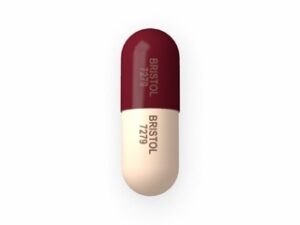

Nitrofurantoin (Australia) — Patient Guide
Nitrofurantoin is an antibiotic medicine used to treat certain bacterial infections of the urinary tract. It is well-known in Australia for its effectiveness against many bacteria that cause bladder infections. This guide explains how nitrofurantoin works, how it behaves in the body, typical uses, and important safety information to help you use it safely and effectively.
Note: This information is designed to support patient understanding. Always follow the dosing instructions on your medicine label and the advice of your healthcare professional.
Basic product information
| Category | Details |
|---|---|
| Medicine name | Nitrofurantoin |
| Common forms | Oral capsules or tablets (varies by brand and formulation) |
| How it’s used | Treats susceptible urinary tract infections, especially bladder infections (cystitis) |
| Typical onset | Symptoms often improve within 24–48 hours (varies) |
| Prescription/dispensing | In Australia, nitrofurantoin is generally available via standard regulated pharmacy channels |
How nitrofurantoin works (mechanism of action)
Nitrofurantoin is an antibiotic specifically designed to act in the urinary tract. It is converted in the body to reactive intermediates that damage bacterial components.
In simple terms:
- Nitrofurantoin enters susceptible bacteria and is reduced (chemically activated) into products that interfere with key bacterial processes.
- This leads to broad disruption of bacterial survival pathways, including damage to proteins and other critical cellular functions.
- Because of its activity profile and concentration in the urine, it is especially useful for uncomplicated lower urinary tract infections (bladder infections).
Pharmacokinetics: what happens in the body
Pharmacokinetics describes how the medicine is absorbed, processed, and eliminated. Understanding this helps explain why nitrofurantoin is mainly used for urinary tract infections.
Absorption
Nitrofurantoin is absorbed from the gastrointestinal tract. Many formulations are designed to improve tolerance and absorption.
Distribution
Nitrofurantoin tends to concentrate in the urine. Levels in blood are not consistently high enough for it to be relied on for kidney infections (pyelonephritis) or more widespread infections.
Metabolism
Nitrofurantoin is metabolised to some extent in the body.
Excretion
Nitrofurantoin is primarily eliminated through the kidneys. Adequate kidney function is important for:
- Achieving sufficient urine concentrations to treat the infection
- Reducing the risk of side effects related to higher systemic exposure
Typical use in Australia
Nitrofurantoin is commonly used to treat bacterial infections limited to the bladder (uncomplicated cystitis). It may be used when the likely bacteria are susceptible and when a lower urinary tract site is appropriate.
Indications (common situations)
Your healthcare professional may consider nitrofurantoin for:
- Uncomplicated acute cystitis (typical symptoms include burning/stinging during urination, urgency, frequency, and lower abdominal discomfort)
- Susceptible urinary isolates when bacteria are known or strongly suspected to be sensitive to nitrofurantoin
- Prevention in selected patients in specific circumstances, when advised by a clinician (long-term use requires careful monitoring)
Nitrofurantoin is not the first choice for all urinary infections. If the infection involves the kidneys or causes more severe illness, different antibiotics and urgent medical assessment may be required.
Timing and how to take nitrofurantoin
Correct timing improves effectiveness and reduces side effects. Always follow your exact directions on the label.
When to start
- Start as soon as you are advised to, ideally after you have collected your medicine.
- If you miss a dose, take it when you remember unless it’s almost time for the next dose. Do not double up.
How often
Dosing frequency depends on the specific formulation and your clinical situation. Common schedules may include multiple daily doses. Confirm your schedule with your label or prescriber guidance.
How long to use
Treatment duration varies. Many uncomplicated bladder infections are treated for a short course. Finish the full course even if you feel better, unless advised otherwise.
Practical tips to improve tolerability
- Take with food or milk if this is consistent with your product instructions. This often helps reduce nausea and stomach upset.
- Drink enough fluids unless you have been restricted for another reason (for example, certain heart or kidney conditions).
- If you experience significant side effects, contact your healthcare professional promptly rather than stopping abruptly without advice.
Food interactions and what to watch
Food can influence how nitrofurantoin is tolerated and absorbed.
- Take with food if your instructions allow it—this may improve absorption and reduce gastrointestinal discomfort.
- Avoid taking it on an empty stomach if you notice nausea or vomiting.
- There are no specific “dangerous foods,” but maintaining regular meals helps keep the dosing schedule manageable.
If you have swallowing difficulties, check with your pharmacist about whether tablets/capsules can be opened or dispersed for your specific brand (many should not be altered unless instructed).
Alcohol interactions
Nitrofurantoin does not have a widely recognised alcohol “interaction” comparable to some other antibiotics, but it can still be wise to limit alcohol during treatment.
- Alcohol may worsen side effects such as nausea, dizziness, or headache.
- If you experience vomiting or diarrhoea, alcohol can worsen dehydration and make it harder to recover.
- If you are managing other medical conditions or taking additional medicines, alcohol may increase overall risk.
Practical recommendation: Keep alcohol minimal (or avoid) while taking antibiotics, especially if you feel unwell.
Other medicine interactions
Interactions can change effectiveness or increase side effects. Tell your pharmacist or healthcare professional about all medicines and supplements you use, including herbal products.
Medicines that may affect nitrofurantoin exposure
- Probenecid (and some related medicines) may reduce renal excretion of nitrofurantoin, potentially increasing risk of toxicity and reducing urinary concentrations.
- Medicines affecting kidney function may also influence safe use.
Medicines that increase nausea or drowsiness
If you take other medicines that commonly cause gastrointestinal upset or dizziness, side effects may feel more pronounced when combined. This is especially relevant if you’re also dehydrated from urinary symptoms.
Important note on kidney function
Kidney function is central to nitrofurantoin safety and effectiveness. Your healthcare professional may check estimated kidney function before using or continuing the medicine, particularly in older adults or those with known kidney impairment.
Safety profile and when to seek help
Most people tolerate nitrofurantoin well. However, like all medicines, it can cause side effects in some individuals. The benefits should be weighed against possible risks.
Common side effects
- Nausea, stomach upset, or reduced appetite
- Diarrhoea
- Headache
- Darkening of urine (can occur; usually not harmful)
Seek urgent medical advice if you experience
- Signs of an allergic reaction: rash, itching, swelling of face/lips, or difficulty breathing
- Severe or persistent vomiting, inability to keep fluids down, or signs of dehydration
- New fever, chills, flank/back pain, or feeling very unwell (possible kidney involvement)
- Breathing problems, persistent cough, chest pain, or sudden shortness of breath
- Signs of liver problems: yellowing of eyes/skin, dark urine that does not settle, severe fatigue, or upper abdominal pain
- Severe, watery diarrhoea (especially if persistent) or blood in stool
- Numbness, tingling, or weakness that is unusual or rapidly worsening
Longer-term or higher-risk considerations
Longer courses or preventive regimens (when specifically advised) may carry additional risks that require monitoring. If you have been asked to take nitrofurantoin repeatedly over time, ask your healthcare professional about follow-up.
Practical use tips for better outcomes
- Hydrate: Drink fluids regularly during the day unless restricted by another condition.
- Don’t ignore worsening symptoms: If symptoms do not improve within 24–48 hours, contact a clinician.
- Watch for “upper UTI” symptoms: Fever, flank pain, nausea/vomiting and feeling systemically unwell suggest kidney involvement—seek medical assessment promptly.
- Complete the full course: Even if you feel better, finishing helps reduce relapse and resistance.
- Be consistent with timing: Set reminders if you’re taking multiple doses per day.
- Consider supportive care: Pain relief for urinary discomfort may be recommended depending on your health profile. Ask your pharmacist what’s appropriate.
Alternative options
Alternative treatments depend on local resistance patterns, individual allergy history, kidney function, pregnancy status, and whether symptoms suggest a bladder-only infection.
Common alternatives clinicians may consider for uncomplicated cystitis include:
- Trimethoprim-sulfamethoxazole (where appropriate and susceptible)
- Cephalexin or other suitable cephalosporins (depending on local guidance and susceptibility)
- Amoxicillin-clavulanate (in selected cases; suitability depends on resistance patterns)
- Fosfomycin (in certain settings, where available)
The “best” choice is based on the most likely bacteria and your personal risk factors. For recurrent symptoms, additional evaluation (such as urine testing or assessment for contributing factors) may be needed.
Market and legal context in Australia
In Australia, antibiotics are regulated medicines and are supplied through pharmacies in accordance with Australian laws and safety systems. Appropriate selection and use are important to reduce antibiotic resistance and protect community health.
The Australian healthcare approach emphasises responsible antimicrobial stewardship. This means:
- Antibiotics should be used when bacterial infection is likely.
- Choice of antibiotic should consider local resistance trends and patient factors.
- Prescribers aim for the shortest effective course where appropriate.
Recent guidance and stewardship (general overview)
While guidance documents and recommendations may be updated over time, stewardship principles commonly advise:
- Nitrofurantoin may be a preferred option for uncomplicated lower urinary tract infections in many settings, when suitable.
- Urine testing is considered in selected groups (for example, recurrent infections, treatment failure, pregnancy, or complicated cases).
- Ongoing or recurrent symptoms may warrant further assessment rather than repeated empiric antibiotics.
For the most current recommendations, healthcare professionals often refer to Australian antimicrobial guidelines and local health networks. Your pharmacist can also provide general information about appropriate antibiotic use.
Delivery and availability in Australia
Nitrofurantoin availability can vary by brand, formulation strength, and stock levels. Online pharmacies may offer:
- Standard home delivery where permitted
- Click-and-collect where available
- Pharmacy dispensing processes aligned with Australian regulations
Delivery times vary depending on your location and courier services. If you require the medicine urgently to start treatment quickly, check the estimated dispatch and delivery window at checkout.
Cold storage
Nitrofurantoin is typically stored at room temperature. Always keep your product in accordance with the instructions on the pack. Do not use beyond the expiry date.
Handling and storage
- Store in a cool, dry place
- Keep out of reach of children
- Retain the outer packaging for expiry and batch information
Dosing information (how doctors typically dose)
Dosing varies based on the indication, formulation (for example immediate vs modified release), age, kidney function, and local guidance. This section provides general information to help you understand typical patterns. Always rely on your label for your exact dose.
Typical dosing patterns for adults (uncomplicated cystitis)
Many regimens involve taking nitrofurantoin multiple times daily for a short course. Your clinician may choose a regimen based on:
- Your kidney function
- Whether this is an initial episode or recurrence
- Your overall health and risk factors
- Local bacterial susceptibility patterns
If you need help confirming your dosing schedule, contact the pharmacy dispensing your medicine and share the strength and formulation.
Children and special populations
Dosing for children and for special populations (including older adults) should be individualised by a healthcare professional. Kidney function assessment is especially important in older adults.
Kidney function considerations
Because nitrofurantoin is eliminated by the kidneys, it may not be suitable if kidney function is significantly reduced. If you have known kidney disease, ask your clinician or pharmacist whether nitrofurantoin is appropriate for you.
What to do if symptoms don’t improve
Many people notice improvement within 1–2 days. If you are not improving, or if symptoms worsen, you may need reassessment. Reasons can include:
- The infection is caused by bacteria not sensitive to nitrofurantoin
- The infection may involve the kidneys or another cause of symptoms
- There may be an underlying factor contributing to recurrence
Seek medical advice if symptoms persist beyond the expected timeframe or if you develop fever, flank pain, or significant back pain.
FAQ — Nitrofurantoin
Is nitrofurantoin used for kidney infections?
Nitrofurantoin mainly targets the urinary bladder because of how it concentrates in urine and the limited blood levels. Kidney infections (pyelonephritis) typically require different treatment and urgent medical assessment.
How quickly will I feel better?
Symptoms often improve within 24–48 hours. If there is no improvement after this period, contact a clinician for advice.
Can I take nitrofurantoin with food?
Taking it with food can help reduce stomach upset and may improve tolerability. Follow your product instructions or pharmacist advice.
What if I miss a dose?
Take it as soon as you remember, unless it’s almost time for the next dose. Do not take a double dose to make up for a missed one.
Does nitrofurantoin affect urine colour?
Darkening of urine can occur and is usually harmless. If you develop other concerning symptoms (such as jaundice or severe illness), seek medical advice promptly.
Can I drink alcohol while on nitrofurantoin?
It’s generally best to limit alcohol while you have an infection and are taking antibiotics, as alcohol may worsen nausea or dehydration. If you choose to drink, do so minimally and avoid if you feel unwell.
What medicines should I avoid?
Some medicines may affect how nitrofurantoin is cleared from the body, including probenecid. Always provide a full list of your medicines to your pharmacist.
Is nitrofurantoin safe for everyone?
Not everyone is suitable for nitrofurantoin. Kidney function, allergy history, and other medical conditions influence safety. Discuss suitability with your healthcare professional, especially if you are pregnant, have kidney disease, or are on multiple medicines.
Can nitrofurantoin be used during pregnancy?
Pregnancy requires individual assessment. Some antibiotics are preferred at different stages of pregnancy. If you are pregnant or planning pregnancy, consult a healthcare professional for the safest option.
What if I have recurring UTIs?
Recurrent symptoms may require further evaluation. Your clinician may recommend urine testing, lifestyle adjustments, and in selected cases, a prevention plan with monitoring.
Key takeaways
- Nitrofurantoin is commonly used for bacterial bladder infections (uncomplicated cystitis).
- It works mainly in the urinary tract and relies on kidney function to reach effective urine concentrations.
- Take it as directed and with food if tolerated/allowed by your instructions.
- Seek urgent medical care for allergic reactions, breathing problems, severe side effects, or signs of kidney infection (fever, flank pain, severe illness).
- If symptoms don’t improve within 24–48 hours, get reassessed.