

Hydrea (Hydroxyurea) – Patient Information
Hydrea contains hydroxyurea, a medicine used for certain cancers and some blood disorders. This page explains how Hydrea works, how it’s used, key safety considerations, and what you can do to use it more comfortably and safely.
Note: Information on this page is general and may not match your exact treatment plan. Always follow the instructions provided by your treating healthcare professional.
Quick overview
- Active ingredient: Hydroxyurea
- Brand name: Hydrea
- Medicinal class: Antimetabolite / antineoplastic (also used for specific haematological conditions)
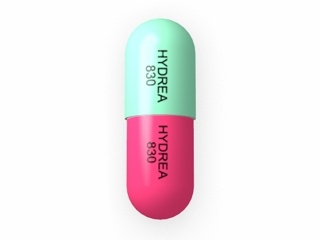
- Common forms: Oral capsules (strengths vary by product)
- Typical goals: Reduce abnormal blood cell production, help control certain cancers, and lower the frequency of disease-related complications
Basic product information
Hydrea (hydroxyurea) is taken by mouth and works by interfering with DNA production in rapidly dividing cells. Because it affects cell growth, it requires careful monitoring, including blood tests.
How it is usually supplied
- Capsules for oral use
- Strengths and pack sizes may vary
- Storage requirements depend on the specific product label
Who should take it (typical candidates)
Hydrea is generally used when specialists choose it for specific indications such as certain blood disorders or cancers where the benefits outweigh risks.
How Hydrea works (mechanism of action)
Hydroxyurea is converted in the body to active forms that inhibit ribonucleotide reductase, an enzyme required for DNA synthesis. As a result, hydroxyurea slows down the ability of cells to replicate their DNA.
Because many cancer cells and certain abnormal blood-forming cells divide more rapidly than normal cells, hydroxyurea can help control disease activity.
In some conditions, the medicine also helps reduce abnormal cell counts and may improve symptoms related to high blood cell levels.
Pharmacokinetics (what the body does to Hydrea)
Pharmacokinetics describe how the body absorbs, distributes, metabolises, and eliminates a medicine. While individual results vary, the following provides a patient-friendly overview:
- Absorption: Hydroxyurea is absorbed after oral dosing.
- Distribution: It distributes throughout the body, reaching tissues where DNA synthesis is active.
- Metabolism: It is metabolised mainly in the liver (in broad terms).
- Elimination: It is cleared from the body primarily through the kidneys.
- Half-life: The duration of effect depends on dosing and individual metabolism; dosing schedules are chosen to match clinical goals while monitoring safety.
People with kidney impairment may need dose adjustments and closer monitoring.
What Hydrea is used for (indications)
Hydrea is used in adults for selected conditions. The exact indication and suitability depend on your medical history and diagnosis.
Common clinical uses
- Some myeloproliferative neoplasms (MPNs): e.g., to help reduce elevated blood counts in conditions such as essential thrombocythaemia or polycythaemia vera (as determined by your treating team).
- Some cancers: Hydroxyurea may be used in certain treatment regimens where antimetabolite therapy is appropriate.
- Specialised haematology uses: Based on clinical protocols and individual risk factors.
Hydrea is not a “one-size-fits-all” medicine; the selected indication and dosing schedule are tailored.
How to take Hydrea (timing and practical instructions)
Your dosing schedule should be provided by your healthcare professional. In many regimens, hydroxyurea is taken once daily, but some plans may differ. Consistency is important.
General timing tips
- Take at the same time each day to maintain steady exposure.
- With or without food: Hydrea can usually be taken with food to reduce stomach upset, if needed.
- Swallow capsules whole unless your product instructions specifically allow opening (many capsules should not be opened).
- Missed dose: If you miss a dose, follow your clinician’s advice. Do not double the dose.
Handling and hygiene
- Wear gloves if the capsule content is exposed or spilled (hydroxyurea may be irritating).
- Keep away from children and pets.
- Wash hands after handling.
Dosing (overview)
Dosing depends on the indication, blood counts, kidney function, and your treatment response. Because hydroxyurea can suppress bone marrow, dose adjustments are commonly required.
Important: Do not start, stop, or change your dose without guidance from your healthcare professional.
Typical dosing principles (what to expect)
- Initial dose: Determined by your diagnosis and risk profile.
- Monitoring-based adjustments: Blood tests guide dose changes.
- Regular review: Ongoing monitoring for blood counts and side effects.
Blood test monitoring
Treatment commonly includes monitoring of:
- Full blood count (FBC) to watch for neutropenia, anaemia, and thrombocytopenia
- Kidney and liver function when clinically appropriate
- Symptoms of infection or bleeding
Food interactions and meals
Food interactions are not usually the main concern for hydroxyurea compared with other safety factors (like blood count suppression). In general:
- You may be able to take Hydrea with food if it helps reduce nausea or stomach discomfort.
- Try to be consistent with timing relative to meals (e.g., always with breakfast or always after dinner).
If your clinician or pharmacist advises a specific approach for your situation (for example, due to side effects or other medicines), follow their guidance.
Alcohol interactions
Alcohol may increase the risk of side effects such as nausea, dizziness, stomach irritation, and could affect liver function. Hydroxyurea requires careful monitoring and can affect blood cell production.
- Moderation is recommended, and it’s safest to avoid alcohol if you have liver issues or are experiencing significant side effects.
- Discuss your alcohol intake with your treating team, particularly if you drink regularly.
Medicine interactions (important)
Hydroxyurea can interact with other medicines, particularly those that affect bone marrow or the immune system. Interactions may also occur via effects on kidney function or metabolism.
Tell your pharmacist if you take any of the following (examples)
- Other medicines that suppress bone marrow (e.g., some chemotherapy agents)
- Radiotherapy (used as part of cancer treatment) – may increase risk of certain toxicities
- Medicines that increase bleeding risk (e.g., anticoagulants/antiplatelets) – may require closer monitoring if platelet counts change
- Vaccines – some vaccines may require special advice during treatment
- Medicines affecting kidney function – may influence hydroxyurea clearance
This list is not complete. Always provide your pharmacist with a full list of medicines, including over-the-counter products and supplements.
Safety profile and side effects
Hydrea can cause side effects because it affects rapidly dividing cells. Some effects are predictable and manageable with monitoring, dose adjustment, and supportive care.
Commonly reported side effects
- Low blood counts (neutropenia, anaemia, or thrombocytopenia)
- Increased infection risk due to low white blood cells
- Fatigue or weakness
- Stomach upset such as nausea or indigestion
- Oral ulcers or mouth sores
- Skin changes, including dryness or rash
Less common but serious risks
- Severe infection (fever may be a warning sign)
- Bleeding or bruising if platelets drop
- Allergic reactions (rare)
- Worsening kidney function in susceptible individuals
- Long-term skin effects: In some people, long durations of hydroxyurea have been associated with skin changes; discuss sun protection strategies
When to seek urgent medical attention
Seek urgent help if you have:
- Fever or signs of infection (e.g., chills, sore throat, unusual cough)
- Unusual bleeding (e.g., nosebleeds, blood in urine or stool, significant bruising)
- Severe mouth sores or inability to eat/drink
- Breathing difficulty, swelling of face/lips, or severe rash
Practical use tips (to improve comfort and safety)
- Keep all appointments for blood tests. Many safety measures depend on regular monitoring.
- Use good oral hygiene. Brush gently and consider alcohol-free mouthwash if mouth sores occur (ask your pharmacist for options).
- Manage nausea early. If nausea occurs, talk to your clinician—sometimes taking with food helps.
- Protect your skin. Use sunscreen and protective clothing; avoid prolonged sun exposure.
- Stay hydrated unless your clinician has restricted fluids.
- Plan infections prevention. Avoid close contact with people who are sick, and promptly report symptoms.
- Be cautious with activities if you feel dizzy or fatigued—drive and operate machinery only if you feel well.
Special populations
Kidney impairment
Because hydroxyurea is cleared in part by the kidneys, reduced kidney function may increase exposure and side effects. Dose adjustments and closer monitoring may be required.
Liver impairment
Liver function can influence metabolism. Your clinician may adjust dose and schedule monitoring based on your results and overall risk.
Older adults
Older adults may be more sensitive to side effects due to changes in organ function and blood count reserve. Close monitoring is especially important.
Pregnancy, breastfeeding, and fertility considerations
Hydroxyurea can potentially harm a developing baby because it affects DNA and cell division. For that reason, pregnancy and fertility planning require careful medical discussion before starting or continuing treatment.
- Discuss contraception with your healthcare professional if pregnancy is possible for you or your partner.
- Breastfeeding: Ask your clinician whether it is safe for you to breastfeed during treatment.
- Fertility: Hydroxyurea may affect fertility. Discuss options if this is relevant to your situation.
Alternative options (depending on indication)
Alternatives depend on the specific diagnosis and your risk profile. In haematology, other therapies may include:
- Other myeloproliferative disease treatments (e.g., interferon-based therapies in some cases)
- Supportive management (e.g., treating high blood counts and reducing complications)
- Different chemotherapy regimens for certain cancers
For your exact situation, ask your treating specialist what options may be suitable if Hydrea is not tolerated or if your disease response changes.
Hydrea in Australia: market, supply, and legal context
In Australia, medicines are regulated by the Therapeutic Goods Administration (TGA). Hydrea (hydroxyurea) is available through the Australian supply chain and may be subject to pharmacy regulations and dispensing requirements.
Availability can vary by strength and pack size, and supply times may depend on stock levels. Online pharmacy services typically follow Australian standards for prescription handling and secure dispensing processes.
If you have questions about stock availability, expected delivery times, or product authenticity, contact the online pharmacy before ordering.
Recent guidance and monitoring approach
Treatment recommendations for hydroxyurea may evolve based on emerging evidence and safety monitoring practices. Current clinical practice commonly emphasises:
- Regular blood count monitoring to prevent severe cytopenias
- Prompt evaluation of infection symptoms
- Individualised dose adjustments based on response and tolerance
- Sun protection and skin monitoring for long-term use
Your clinician may also follow local protocols and updated specialty guidance relevant to your diagnosis.
Delivery and availability (online pharmacy)
Hydrea supply can depend on the requested strength and package size. When ordering online in Australia, you can usually expect:
- Secure packaging to protect capsules during transit
- Tracking options (varies by provider)
- Estimated delivery times shown at checkout
- Cold chain not typically required unless specified for the particular product (check your product label)
If the item is temporarily unavailable, many pharmacies can provide an estimated restock date or an alternative in line with clinical advice.
For country-wide Australian delivery, always confirm address details carefully to prevent delays.
FAQ
Is Hydrea the same as hydroxyurea?
Yes. Hydrea is a brand name that contains hydroxyurea, the active ingredient.
How long does it take to work?
Some blood count changes can be seen within weeks, while longer-term response depends on the condition being treated and your individual biology. Your clinician will use monitoring results and symptoms to judge effectiveness.
Will I feel side effects immediately?
Some people notice side effects early (e.g., nausea, fatigue, mouth sores), while others may develop blood count changes after repeated doses. Regular blood tests help detect problems before they become severe.
Can I take Hydrea with food?
Often it can be taken with food if that helps with stomach upset. Aim for consistent timing each day unless your clinician advises otherwise.
What should I do if I miss a dose?
Follow your clinician’s instructions or the advice provided by your pharmacist. Do not take an extra dose to make up for a missed one unless specifically told to do so.
Can I drink alcohol while taking Hydrea?
Alcohol may increase side effects such as nausea or dizziness and may affect liver health. It’s best to keep alcohol minimal and discuss your intake with your healthcare professional—especially if you are experiencing side effects or have liver issues.
How often will I need blood tests?
The schedule varies by indication and your stability. Many patients undergo frequent testing at the start and when doses are adjusted, then less often once stable. Your clinician will provide a specific plan.
Does Hydrea affect fertility?
It may. If fertility planning is important to you, speak with your healthcare professional before and during treatment.
Can I get vaccinations while on Hydrea?
Vaccine advice depends on the type of vaccine and your immune status. Ask your clinician or pharmacist before receiving vaccinations.
What are common warning signs that I should contact my doctor?
Contact your clinician promptly if you have fever or infection symptoms, unusual bruising or bleeding, severe mouth sores, or any new or worsening symptoms.
Are there skin precautions for long-term use?
Yes. Use sunscreen, wear protective clothing, and avoid prolonged sun exposure. Report any persistent skin changes to your healthcare professional.
How should I store Hydrea?
Store it according to the product label. Keep capsules in their original packaging and out of reach of children.
Final reminders
- Hydrea works by slowing DNA synthesis, which can help treat certain blood disorders and cancers.
- Monitoring is essential—keep blood test appointments and report symptoms early.
- Use practical safety steps for handling capsules and protecting your skin from the sun.
- Check interactions with your pharmacist, especially if you take other medicines that affect immunity or blood counts.