Imiquimod: Patient-Friendly Guide (Australia)
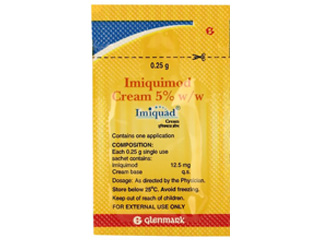
Imiquimod is a medicine used to treat certain skin conditions by boosting the local immune response. It comes as a cream and is most commonly used for problems such as actinic (solar) keratoses and selected types of skin warts (depending on the product strength and indication). This guide explains how imiquimod works, how to use it safely and effectively, what to expect, and where to find current information relevant to Australia.
Quick Facts
- Medicine name: Imiquimod
- Form: Cream (often 5% strength, depending on brand and indication)
- How it works: Helps activate the body’s immune responses in the skin
- Typical use areas: Skin lesions such as actinic keratoses and certain external warts
- Common side effects: Local skin redness, irritation, swelling, burning, and crusting
- Important note: Follow the dosing schedule exactly; effects can vary by condition and body area
Basic Product Information
Imiquimod belongs to a group of medicines known as immune response modifiers. It is applied to the affected skin area. The cream is designed to be used on the surface of the skin where it helps trigger local immune signals that target abnormal cells or virus-infected tissue.
Common formulations in Australia may include creams of different strengths depending on the condition being treated. Availability and brand names can vary. Your pharmacist or prescriber can confirm the exact product you have and the correct way to use it for your diagnosis.
Mechanism of Action (How Imiquimod Works)
Imiquimod works primarily by interacting with immune pathways in the skin. After you apply the cream to the treatment area, it stimulates immune cells (such as dendritic cells) and triggers production of signalling molecules including interferon and other cytokines.
- Activates local immunity: Helps the skin’s immune system recognise and respond to abnormal or virus-infected cells.
- Promotes immune signalling: Induces cytokines that may help clear lesions.
- May reduce lesion activity: Over time, the immune response can help the treated area heal.
Importantly, imiquimod is intended to treat the affected skin area you apply it to. It is not a “painkiller” and should not be expected to work immediately. Many people notice local reactions during treatment, which can be part of how the medicine is working.
Pharmacokinetics (What the Body Does to Imiquimod)
Pharmacokinetics describes how the medicine is absorbed, distributed, metabolised, and eliminated.
- Absorption: Imiquimod is applied to the skin and has low systemic absorption compared with medicines taken by mouth.
- Distribution: Because absorption is limited, most effects are local to the skin.
- Metabolism: Once absorbed, imiquimod is metabolised in the body.
- Elimination: Metabolites are eliminated, largely through the kidneys and other normal metabolic pathways.
Practical takeaway: System-wide drug effects are generally uncommon when used correctly on limited areas. However, if you apply it over large areas, apply it more frequently than instructed, or cover it with occlusive dressings, absorption and side effects may increase.
Typical Uses in Australia
Imiquimod cream is used for specific skin conditions. The exact indication depends on the product strength and formulation, and the recommended regimen can differ between conditions.
Common indications include:
- Actinic (solar) keratoses: Rough, scaly patches caused by long-term sun exposure.
- External genital warts and/or skin warts, depending on the formulation and location.
- Other approved skin conditions may exist depending on local regulatory approvals.
Australian market note: Product registration and indications are determined by Australian regulatory authorities. Your pharmacist can confirm what your specific brand is approved for in Australia.
Dosing and Treatment Timing (How and When to Apply)
Because imiquimod regimens vary by condition and product strength, always follow the specific instructions provided with your medicine and the schedule recommended for your situation.
General guidance on timing
- Apply at night in many common regimens, often because the cream needs to remain on the skin for a set period.
- Leave it on for the recommended duration (commonly several hours) and then wash the area gently.
- Use the prescribed/label schedule (for example, multiple times per week). Do not increase frequency if you are tolerating it poorly—ask for advice.
Typical application steps (practical approach)
- Wash your hands before and after applying.
- Clean the treatment area with mild soap and water, then pat dry.
- Apply a thin layer to the affected area and gently rub in until it disappears.
- Allow it to remain on skin for the time recommended for your product.
- Wash the treated skin with mild soap and water afterwards (unless your instructions say otherwise).
- Let skin recover as advised between applications.
What you might notice during treatment
- Local redness and irritation
- Crusting, scaling, or peeling
- Burning or itching
- Temporary worsening of the lesion appearance before improvement
These effects can occur as the immune response ramps up. However, severe reactions may require assessment or adjustment of how the medicine is used.
Food Interactions
Imiquimod is used on the skin, and systemic exposure is typically low. As a result, food interactions are not usually relevant. You can generally eat and drink normally while using imiquimod.
Still, speak to your pharmacist if you have a complex medication list or if you develop side effects that concern you.
Alcohol and Medicine Interactions
There are no well-established direct alcohol-imidquimod interactions because imiquimod is topical and absorption is limited. However:
- Skin irritation can be worsened by factors that affect hydration or skin sensitivity.
- Infection risk: If skin becomes very inflamed or breaks down, the chance of secondary infection can increase—avoid practices that may delay healing.
- Other medicines: If you’re using other topical treatments (especially those that irritate the skin, such as strong acids or exfoliants), ask whether they should be stopped or separated from the imiquimod schedule.
Tip: Avoid applying irritant products to the treated area unless your clinician/pharmacist advises it.
Indications (When Imiquimod May Be Considered)
Imiquimod may be used when clinicians decide that stimulating local immune responses is suitable for the condition. The most common indications include:
- Actinic keratoses where appropriate
- Some types of external warts in eligible patients
Selection depends on factors like lesion size, number, location, immune status, and tolerance of local skin reactions. Not every lesion or location is suitable for topical imiquimod.
Safety Profile and Side Effects
Like all medicines, imiquimod can cause side effects. Because it acts locally in the skin, most effects involve the treatment area.
Common side effects
- Redness (erythema)
- Swelling and inflammation
- Itching or burning sensation
- Dryness, flaking, peeling
- Crusting or scabbing
- Temporary changes in pigmentation (lightening or darkening)
Less common or possible side effects
- Blistering or ulceration at the application site (more likely if overused or on very sensitive skin)
- Flu-like symptoms (uncommon, but may occur in some people)
- Headache or fatigue
When to seek urgent medical help
Seek urgent advice if you develop:
- Severe allergic reaction (e.g., widespread rash, swelling of lips/face, difficulty breathing)
- Rapidly worsening swelling, intense pain, or signs of infection (increasing warmth, pus, fever)
- Severe skin breakdown or bleeding that you cannot manage with gentle skin care
Who needs extra caution
- Pregnancy or breastfeeding: Discuss risks and benefits with a healthcare professional.
- Immunocompromised patients: Immune-modifying effects may require careful consideration.
- Very sensitive skin areas: The groin/genital region and facial areas may react strongly.
- Large treatment areas: Higher total exposure can increase side effects.
Practical Use Tips (How to Get the Best Results)
1) Use the right amount
A thin layer is usually recommended. Using too much does not necessarily clear lesions faster and can increase irritation.
2) Avoid occlusion unless advised
Do not cover the treated skin with tight dressings or occlusive coverings unless your prescriber/pharmacist instructed you to. Occlusion may increase absorption and local reactions.
3) Be careful with friction and shaving
- Minimise rubbing from clothing.
- Avoid shaving or waxing over treated areas.
- If hair removal is necessary, ask your pharmacist or clinician about timing.
4) Moisturise the surrounding skin (if appropriate)
Gently moisturising the non-treated surrounding skin can reduce discomfort. Avoid applying moisturisers directly on the imiquimod cream unless your healthcare provider says it’s safe and compatible.
5) Sun protection matters
If you are treating actinic keratoses, rigorous sun protection is essential. Use broad-spectrum sunscreen, protective clothing, and avoid peak sun exposure.
6) Avoid sexual contact when treating genital warts (if advised)
For genital warts, treatment may cause irritation and can affect condom effectiveness in some contexts. Follow guidance from your clinician and the product information.
Alternative Options
Depending on the condition and lesion type, there are several alternatives to imiquimod. Your healthcare professional can advise which option fits best based on your skin, location, and preferences.
| Condition Type | Possible Alternative Treatments | Notes |
|---|---|---|
| Actinic keratoses | Cryotherapy (liquid nitrogen), topical therapies (e.g., 5-fluorouracil, diclofenac where indicated), photodynamic therapy | Choice depends on number, thickness, and location of lesions, and patient tolerance. |
| External warts | Cryotherapy, other topical or procedural approaches | Some methods may clear faster but can differ in recurrence rates and side-effect profile. |
| General lesion management | Monitoring, biopsy if needed, dermatology procedures | If lesions are atypical, a specialist assessment may be recommended. |
Important: Do not substitute another cream on your own. If symptoms are not improving or worsen, seek advice.
Market and Legal Context for Australia
In Australia, medicines are regulated under the Therapeutic Goods Administration (TGA). Imiquimod products available in the Australian market are assessed for quality, safety, and effectiveness. Whether a product is supplied with or without additional prescribing requirements depends on the specific product category and brand registration.
Because regulatory status can change over time, always rely on the current information provided on the medicine carton and the official product information available via Australian regulatory channels or your pharmacist.
Recent guidance and evolving practice
Clinical practice and product advice may evolve as new safety information becomes available or as guidelines are updated by dermatology and primary-care organisations. In Australia, your pharmacist can direct you to current product information and advise on the latest recommended use patterns for your condition.
General trend in guidance: Emphasis remains on correct application technique, sun protection (for actinic keratoses), and close attention to significant skin reactions to ensure safe and effective treatment.
Delivery and Availability
Availability of imiquimod depends on stock, brand/formulation, and local regulations governing supply. Many online pharmacies in Australia can deliver topical medicines to eligible locations subject to standard delivery policies and identity checks where required.
- Delivery timeframes: Vary by location and courier service.
- Packaging: Kept sealed and protected from light and heat where applicable.
- Cold chain: Imiquimod creams generally do not require refrigeration unless specified by the product information.
Tip: Order early if you know you will need multiple applications over several weeks.
Storage Instructions
Follow the storage directions on the product label. In general:
- Store at room temperature as instructed.
- Keep out of reach of children.
- Check expiry date before use.
- Do not use if the cream appears discoloured, separated, or contaminated.
Frequently Asked Questions (FAQ)
1) How long does imiquimod take to work?
It can take weeks to see clear improvement, depending on the condition and regimen. Some people experience noticeable skin reactions early in treatment. Healing and lesion resolution may continue after you finish the course.
2) Is burning or redness expected?
Some irritation is common. Mild to moderate redness, itching, and crusting can occur. If you experience severe pain, blistering, open sores, or rapidly worsening symptoms, seek advice promptly.
3) Can I wash the area after applying?
Yes—immediately after the recommended contact time. Most regimens instruct you to leave the cream on for a specific number of hours and then wash it gently with mild soap and water.
4) Can I use other creams at the same time?
It’s best to avoid applying other active or irritating products to the treatment area unless your pharmacist or clinician confirms they are compatible. Simple moisturisers may be helpful around (not directly on) the treated skin, depending on your situation.
5) What if I miss a dose?
Apply it as soon as you remember if it’s still close to the scheduled time. If you are near the next dose, skip the missed dose and continue your regular schedule. Do not double up.
6) Will imiquimod prevent recurrence?
Imiquimod can help treat existing lesions, but recurrence can happen—especially with sun-related skin changes. Ongoing prevention strategies such as strict sun protection and regular skin checks are important.
7) Does imiquimod interact with condoms?
For genital warts, local irritation and product components may affect intercourse comfort. Some topical treatments can affect condom integrity depending on materials and timing. Discuss practical contraception and sexual health considerations with your clinician or pharmacist.
8) Can I drink alcohol while using imiquimod?
There are no widely recognised direct interactions. However, if you notice your skin is reacting more strongly, consider limiting alcohol and ensure adequate hydration. If you’re unsure about your personal medication list, ask your pharmacist.
9) When should I stop and get medical advice?
Stop and seek advice if you develop severe swelling, an allergic reaction, signs of infection (pus, fever, spreading warmth), or severe skin ulceration/bleeding that you cannot manage.
10) Can I use imiquimod on large areas?
Use is typically limited to the affected area(s) according to the approved regimen. Treating very large areas or applying too frequently can increase irritation and side effects.
Summary
Imiquimod is a topical immune response–modifying cream used to treat selected skin conditions such as actinic keratoses and certain external warts. It works by stimulating local immune pathways that help the body respond to abnormal cells or virus-infected tissue. Most side effects are local skin reactions, which can be expected during treatment, but severe symptoms warrant prompt medical advice.
For the best results, apply a thin layer to the correct area, follow the recommended schedule and contact time, avoid irritants on treated skin, and practise strong sun protection (especially for sun-related lesions). If you have questions about suitability, dosing, or side effects, your pharmacist can help you understand how to use imiquimod safely.