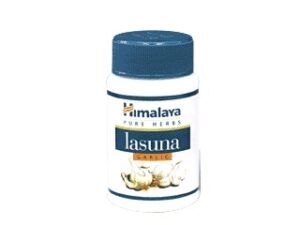
Karela (Bitter Melon) – Patient-Friendly Product Information (Australia)
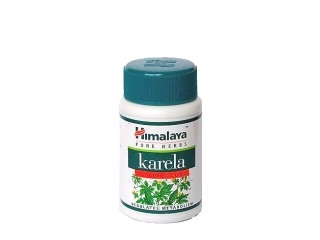
Karela is a traditional herbal product made from Momordica charantia (often called bitter melon). In Australia, Karela is commonly used as a complementary approach to support general metabolic health, particularly in relation to healthy blood glucose levels and insulin sensitivity. People choose Karela for its long history of use and the presence of naturally occurring plant compounds.
This page provides comprehensive, patient-friendly information about how Karela is used, what it may do in the body, typical dosing considerations, important interactions, safety guidance, and practical tips. Product ingredients and strengths can vary by brand—always check the label for the exact formulation you are buying.
Basic Product Information
- Product name: Karela (Bitter Melon)
- Active plant: Momordica charantia
- Common forms: capsules, tablets, powders, or herbal extracts (strength varies)
- Typical goals: complementary support for healthy blood glucose and metabolic balance
- Who may consider it: adults seeking herbal options as part of lifestyle efforts (diet, activity, sleep)
Important note: Karela is not a substitute for medical care. If you have diabetes, prediabetes, or take glucose-lowering medicines, you should discuss supplement use with a qualified healthcare professional.
How Karela Works (Mechanism of Action)
“Mechanism of action” describes how a substance may influence body processes. Karela contains multiple naturally occurring compounds (commonly referred to as charantin, polypeptide-p, and various phenolics/flavonoids). While effects can differ between individuals and between specific extracts, research suggests several possible pathways:
- Support for insulin sensitivity: Some compounds may help improve how cells respond to insulin, supporting glucose uptake.
- Influence on glucose handling: Karela may affect how glucose is absorbed and used in the body.
- Antioxidant activity: Plant compounds may help reduce oxidative stress, which is often linked with metabolic health.
- Potential effects on carbohydrate metabolism: Some evidence suggests possible modulation of digestive enzymes involved in carbohydrate breakdown.
What to expect: Karela is typically used as a complementary product, aiming to support healthy metabolic function over time rather than producing an immediate “instant” effect.
Pharmacokinetics (What the Body Does to Karela)
Pharmacokinetics refers to absorption, distribution, metabolism, and excretion. For herbal products like Karela, detailed pharmacokinetic data can be limited and may vary by:
- Formulation: whole herb powder vs. standardized extract
- Strength: different brands provide different amounts of active constituents
- Individual factors: gut health, diet, liver function, and metabolism
In general terms, plant compounds are digested and absorbed to varying degrees. Some constituents may undergo metabolism in the liver and intestines before being eliminated. Because of variability, it is not possible to reliably predict exact blood levels or half-life across all products.
Practical takeaway: Consistent daily use, as directed on the label, may be more appropriate than “timing attempts” for a short-term effect—especially for metabolic support.
Typical Use and Indications
In Australia, Karela is commonly considered for the following “indications” (intended uses). These are general wellbeing uses and should not be interpreted as treatment for a medical condition unless specifically advised by a clinician and consistent with local product labelling.
- Complementary support for healthy blood glucose levels
- Support for insulin sensitivity (as part of a healthy lifestyle)
- General metabolic health support through antioxidant and nutrient-rich botanical composition
When to seek professional advice: If you have symptoms of high or low blood sugar (e.g., excessive thirst, frequent urination, dizziness, confusion), or you are pregnant/breastfeeding, seek medical guidance before using Karela.
Dosing – Typical Guidance (Always Check Your Label)
Dosing can vary substantially based on the product type (powder vs. extract) and the amount of bitter melon constituents. Always follow the manufacturer’s directions on the label.
General starting approach for adults
- Start low: Consider starting with the lowest recommended dose on the label to assess tolerance.
- Adjust if appropriate: If well tolerated and compatible with your health plan, you may follow label directions.
- Do not exceed: Avoid exceeding the stated daily amount.
Common “label-based” examples you may see
Different brands provide different amounts; you may encounter ranges such as:
- Capsules/tablets: often taken once or twice daily with food
- Extracts: sometimes standardised to a certain marker compound and dosed once daily
- Powder: typical use varies widely and depends on serving size
If you take other glucose-lowering medicines: Dose changes should be guided by a clinician, because Karela may add to the glucose-lowering effect.
Timing – When to Take Karela
There is no single universal timing strategy for all Karela products. The best timing often depends on your routine and how your body tolerates the product.
- With meals: Many people prefer taking Karela with food to reduce stomach upset.
- Consistency matters: For metabolic support, taking it at similar times each day can help you maintain a routine.
- If you monitor glucose: If you are tracking blood sugar, you can discuss with a clinician whether timing relative to meals is useful.
Typical timing examples:
- Morning with breakfast
- Evening with dinner
- Split dose (e.g., morning and evening) if the label recommends twice daily
Food Interactions (What to Know)
Karela is best understood in the context of overall diet. Food can affect absorption and tolerability.
Recommended with food
- Take with meals if your stomach is sensitive. Bitter melon can be irritating to some people.
- A balanced diet (especially with appropriate carbohydrate portions) may help support the intended metabolic goals.
Carbohydrates and meal composition
Because Karela is used for metabolic support related to glucose handling, the meal you eat may influence its effect. For many people, pairing Karela with meals that include:
- adequate fibre (vegetables, legumes, whole grains),
- lean proteins, and
- healthy fats
can align with broader healthy glucose management.
Avoid extremes
- Do not rely on Karela to “cancel out” a high-sugar or high-refined-carbohydrate meal.
- If your glucose levels become low, reduce supplement use and seek advice.
Alcohol and Medicine Interactions
Alcohol can influence blood sugar, hydration, and medication metabolism. While there is no single universal interaction for all Karela products, caution is advised.
Alcohol
- Moderation is recommended. Heavy alcohol intake may worsen glucose control and increase the risk of side effects.
- Be alert to symptoms of low blood sugar (shaking, sweating, weakness, confusion) especially if you also use glucose-lowering medicines.
Interactions with medicines
Karela may have additive effects with medicines that lower blood glucose. This matters most for:
- Insulin
- Metformin
- Sulfonylureas (e.g., glibenclamide, gliclazide)
- GLP-1 receptor agonists (e.g., liraglutide, semaglutide)
- DPP-4 inhibitors (e.g., sitagliptin)
- SGLT2 inhibitors (e.g., empagliflozin, dapagliflozin)
Potential risk: Increased likelihood of hypoglycaemia (low blood sugar) when combined with glucose-lowering medicines.
Other medicines may also be affected through metabolism pathways, and herbal products can sometimes alter the way drugs are broken down in the body. If you take multiple medications, it is wise to check interactions with a healthcare professional or pharmacist.
Before use: Tell your healthcare professional about all supplements and medicines you are taking, including Karela.
Safety Profile – Who Should Use Caution
Karela is generally used by healthy adults as a supplement, but safety varies based on dose, product type, and personal health conditions.
Common side effects
- Gastrointestinal discomfort (nausea, diarrhoea, abdominal cramps)
- Heartburn or stomach irritation
- Headache (reported by some users)
Serious risks (seek advice promptly)
- Symptoms of low blood sugar: sweating, tremor, dizziness, confusion, weakness, palpitations.
- Allergic reactions: rash, itching, swelling of face/lips, difficulty breathing.
- Signs of dehydration if diarrhoea occurs (dry mouth, dizziness, reduced urination).
People who should be extra cautious or avoid unless advised
- Pregnant or breastfeeding (bitter melon is traditionally used cautiously due to safety uncertainty)
- Children and adolescents (dose safety is not well established)
- People with diabetes using glucose-lowering medicines
- People with gastrointestinal conditions (ulcers, severe reflux, inflammatory bowel disease) due to potential irritation
- People scheduled for surgery: discuss with your clinician because glucose management can be affected
Practical Use Tips (How to Get the Best Experience)
- Choose quality products: look for clear labelling (plant source, standardized extract details if applicable, expiry date, batch information).
- Start gradually: helps you gauge GI tolerance and overall response.
- Take consistently: metabolic support is more likely with regular use than “occasional” use.
- Monitor your response: if you track glucose, watch for unexpected lows or fluctuations.
- Hydrate: if you experience loose stools, increase fluid intake.
- Stop and seek advice if needed: if you develop persistent diarrhoea, severe stomach pain, rash, or symptoms of low blood sugar.
Tip: Keep a simple log (time taken, meal, any symptoms, glucose readings if relevant). This can help you and your healthcare professional evaluate whether Karela is suitable for you.
Alternative Options
If Karela isn’t suitable (for example due to interactions, tolerability, or preferences), consider discussing other complementary approaches with a pharmacist or healthcare professional. Options commonly considered for metabolic health include:
- Dietary strategies: fibre-rich meals, reducing refined carbohydrates, portion control
- Physical activity: resistance training and aerobic activity can improve insulin sensitivity
- Other supplements: some people explore supplements such as berberine, cinnamon, chromium, or magnesium—however, these can also interact with glucose-lowering medicines and have their own safety considerations
- Evidence-based lifestyle programs: structured weight management, sleep optimisation, and stress reduction
Note on alternatives: “Natural” does not automatically mean “safe for everyone,” especially if you take diabetes medicines.
Market and Legal Context in Australia
In Australia, herbal supplements such as Karela are typically supplied as vitamins, minerals, or complementary medicines depending on their formulation and claims. The regulatory approach can affect:
- What the product can claim on its label and website (for example, general wellness support versus treatment claims)
- Quality and manufacturing standards
- How products are registered or permitted
General compliance note: Online pharmacies must ensure products comply with Australian advertising and therapeutic goods requirements, including restrictions on medical claims. Product labels should reflect what the manufacturer is permitted to state.
If you are looking for a product that makes strong medical claims, it is important to verify the exact wording and whether it aligns with approved indications. When in doubt, consult a pharmacist.
Recent Guidance and Responsible Use
While guidance evolves over time, a consistent theme in healthcare and public information is responsible supplementation—especially for products associated with metabolic effects. Practically, this means:
- Do not combine multiple glucose-lowering supplements without expert input.
- Be cautious if you have diabetes or take related medicines.
- Prioritise lifestyle foundations: diet quality, physical activity, sleep, and stress management.
- Check labels for dosing instructions and ingredient strengths.
- Seek professional advice if you experience adverse effects or unexpected low blood sugar.
Monitoring reminder: If you use glucose-lowering medications, home glucose monitoring (when appropriate) may help you recognise changes earlier. Discuss any supplement changes with your healthcare professional.
Delivery and Availability in Australia
Karela products are widely available from online retailers in Australia, often in capsule, tablet, extract, or powder forms. Availability depends on the brand and stock levels.
- Dispatch times: typically within 1–2 business days (varies by supplier)
- Delivery options: standard and express shipping may be available
- Tracking: many orders include tracking information
- Stock: herbal products may sell out due to batch rotation
Storage: store in a cool, dry place away from direct sunlight. Keep out of reach of children.
Always verify: the product you receive matches the labelled strength, form, and expiry date.
Quick Reference Table
| Topic | What to Know |
|---|---|
| Common use | Complementary support for healthy blood glucose and metabolic balance |
| How it may work | May influence insulin sensitivity and glucose handling; antioxidant activity |
| Best timing | Often taken with meals; consistent daily timing is helpful |
| Food interactions | Food may improve tolerability; avoid relying on it to offset unhealthy meals |
| Alcohol | Use moderation; increased risk of glucose swings if combined with medicines |
| Medication interactions | May add to glucose-lowering effects—extra caution with diabetes medicines |
| Common side effects | Nausea, diarrhoea, stomach discomfort |
| Who should be cautious | Pregnant/breastfeeding, children, people with diabetes on glucose-lowering medicines |
| When to stop | If persistent GI symptoms, allergic reaction, or signs of low blood sugar occur |
FAQ – Karela (Bitter Melon)
1) What is Karela made from?
Karela is derived from Momordica charantia (bitter melon). Products differ in form (powder, capsule, or extract) and strength.
2) Is Karela suitable for everyone?
It may not be suitable for everyone. Extra caution is recommended for people who are pregnant or breastfeeding, children, and those taking glucose-lowering medicines. If you have diabetes or take medications for blood sugar, consult a healthcare professional before use.
3) When will I notice effects?
For metabolic support, effects—if experienced—may take days to weeks and vary by person and product formulation. If you notice symptoms of low blood sugar or worsening side effects, stop and seek advice.
4) Should I take Karela with food?
Many people find it easier on the stomach when taken with meals. If your label recommends “take with food,” follow that guidance. If you are sensitive to bitter or herbal products, food can improve tolerability.
5) Can I take Karela with diabetes medicines?
Karela may add to glucose-lowering effects. This can increase the risk of hypoglycaemia. If you take insulin or other glucose-lowering medicines, speak with a pharmacist or clinician to plan safe use and monitoring.
6) Does Karela interact with alcohol?
There is no single guaranteed interaction for every formulation, but alcohol can affect blood sugar and medication metabolism. Moderate alcohol intake is generally the safer approach, and extra caution is needed if you are at risk of glucose fluctuations.
7) What side effects are common?
Commonly reported side effects include nausea, diarrhoea, and stomach discomfort—especially if taken on an empty stomach or at higher doses. Reduce dose or stop if symptoms persist.
8) What should I do if I experience low blood sugar symptoms?
If you experience symptoms such as sweating, tremor, dizziness, confusion, or unusual weakness, treat low blood sugar according to your plan and seek medical advice promptly. If you are on diabetes medications, contact your clinician for guidance on adjusting therapy.
9) How should I store Karela?
Store in a cool, dry place away from direct sunlight. Keep the container tightly closed and out of reach of children.
10) Are there alternatives to Karela?
Yes. Some people prefer dietary and lifestyle approaches, or other supplements discussed with a professional. If you consider an alternative, check interactions with your current medicines.
Final reminder: Always read the product label for exact ingredients, strength, and dosing instructions. If you have health conditions or take medicines—especially for diabetes—speak with a healthcare professional before starting Karela.