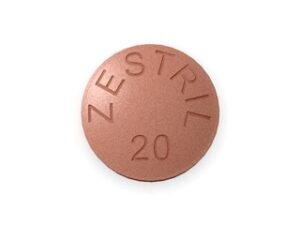
Lisinopril (Hydrochlorothiazide) — Patient Information (Australia)
Lisinopril with hydrochlorothiazide is a combination medicine used to help control blood pressure and, in some cases, reduce the strain on the heart. It combines: lisinopril (an ACE inhibitor) and hydrochlorothiazide (a thiazide-like diuretic). Together, they work in complementary ways to lower blood pressure and support cardiovascular health.
This page explains how the medicine works, how it is taken, what to expect, and important safety information. Always follow the directions provided by your healthcare professional and read the consumer medicine information (CMI) supplied with your product.
Key product information
| Medicine | Type | Common role |
|---|---|---|
| Lisinopril | ACE inhibitor | Relaxes blood vessels and reduces workload on the heart |
| Hydrochlorothiazide | Thiazide diuretic | Helps the body remove extra salt and water |
| Combination | Antihypertensive | For blood pressure control (and sometimes other cardiovascular uses) |
How it works (mechanism of action)
Understanding the “why” can make taking the medicine easier. Lisinopril and hydrochlorothiazide act at different points in blood pressure regulation:
- Lisinopril (ACE inhibitor): Blocks angiotensin-converting enzyme (ACE). This reduces the formation of angiotensin II, a substance that normally narrows blood vessels. Lower angiotensin II helps blood vessels relax, which can lower blood pressure and reduce strain on the heart and kidneys.
- Hydrochlorothiazide (thiazide diuretic): Helps the kidneys reduce sodium (salt) and water reabsorption, increasing urine output. This can lower blood volume over time and also contributes to longer-term blood pressure reduction by influencing blood vessel tone.
- Combination benefit: Using both medicines can improve blood pressure control compared with either medicine alone, often allowing smaller doses of each.
What it’s used for (indications)
Lisinopril with hydrochlorothiazide is used mainly for:
- Hypertension (high blood pressure): When blood pressure is not adequately controlled with lifestyle measures alone or with one medicine.
- Selected cardiovascular conditions: In some people, ACE inhibitors and diuretics may be used to support heart function when advised by a clinician (your exact indication will depend on your individual health profile).
Typical dosing and timing
Doses vary between products and individuals. Your tablets will be labelled with a strength and you should take them exactly as directed. The medicine is usually taken as a once-daily dose.
Common starting and adjustment approach
In practice, clinicians often start with a lower strength to reduce the chance of side effects such as dizziness or low blood pressure, then adjust based on blood pressure and blood test results (kidney function and electrolytes).
- Once daily is common for combination tablets.
-
Dose adjustments are typically guided by:
- Home or clinic blood pressure readings
- Kidney function (creatinine/eGFR)
- Electrolytes (especially potassium, sodium)
- Symptoms such as dizziness
When to take it
- Take the tablet at a consistent time each day.
- Many people prefer taking it in the morning to reduce the chance of needing to urinate frequently at night (because hydrochlorothiazide increases urine output).
- If your doctor advised a different schedule, follow that advice.
How to take it
- Swallow the tablet with water.
- Try to take it at the same time each day.
- Do not stop suddenly unless advised; blood pressure can rise again.
Food interactions and effects of food
Food can influence how quickly some medicines are absorbed. For this combination, the general guidance is:
- Take as directed on the product label. Many people can take it with or without food.
- If you notice stomach upset, taking the medicine with a light meal may help.
- Keep fluid intake steady unless your healthcare team advises fluid restriction.
Salt intake matters: Because hydrochlorothiazide and lisinopril work with the body’s salt and water balance, very high salt intake can make blood pressure harder to control. Aim for a balanced, moderate-salt diet as recommended by your clinician or dietitian.
Alcohol: can it be used?
Alcohol can increase the likelihood of dizziness or low blood pressure when you start or adjust antihypertensive medicines. To reduce risk:
- Limit alcohol, especially at the beginning of treatment or after a dose change.
- If you feel light-headed when standing, avoid alcohol until your symptoms settle and you’ve discussed it with your healthcare provider.
- Seek advice if you drink heavily or regularly.
Medicine interactions (important)
Interactions can affect blood pressure, kidney function, potassium levels, and electrolyte balance. Tell your pharmacist or doctor about all medicines you take, including over-the-counter products and supplements.
Common interaction areas
- Potassium supplements and potassium-containing salt substitutes: ACE inhibitors can raise potassium levels. Using potassium supplements or salt substitutes (often high in potassium) can increase the risk of high potassium.
- Diuretics other than hydrochlorothiazide: May further affect potassium and fluid balance.
- Non-steroidal anti-inflammatory drugs (NSAIDs) (e.g. ibuprofen, naproxen, diclofenac): Regular NSAID use can reduce the blood pressure–lowering effect and may increase risk of kidney problems, particularly in people who are dehydrated or have kidney disease.
- Medicines for diabetes (e.g. insulin, sulfonylureas): Blood sugar can sometimes shift; monitor as advised.
- Other blood pressure medicines: Combined effects can lower blood pressure too much, especially if starting or increasing doses.
- Lithium: May increase lithium levels and toxicity risk; this combination generally requires careful monitoring if used.
- Other medicines that affect potassium: Certain heart rhythm medicines and some immunosuppressants can alter potassium.
Herbal and “natural” products: Some may affect blood pressure, bleeding risk, or electrolytes. Examples include licorice-containing products and certain supplements. Check with your pharmacist if unsure.
Pharmacokinetics (how the body handles the medicine)
“Pharmacokinetics” describes how the body absorbs, distributes, metabolises, and excretes a medicine. Understanding this helps explain why dosing is typically once daily and why blood tests are important.
Absorption and onset
- Lisinopril: Absorbed after oral dosing and generally acts within hours, with blood pressure effects developing over time. The medicine is not a prodrug; it is active in its administered form.
- Hydrochlorothiazide: Absorbed after ingestion and typically increases urine output after taking the dose, with effects that continue through the day.
Distribution, metabolism, and excretion
- Both components: Primarily eliminated through the kidneys.
- Kidney function matters: Reduced kidney function may require dose adjustment and closer monitoring to avoid accumulation and electrolyte imbalances.
- No major liver metabolism reliance: While metabolism may be less dominant than excretion, liver disease and overall health still influence safety and monitoring.
Why monitoring is essential
Because hydrochlorothiazide affects electrolytes and lisinopril can influence potassium and kidney function, clinicians typically check:
- Serum creatinine/eGFR (kidney function)
- Potassium (risk of high or sometimes low potassium, depending on overall balance and other medicines)
- Sodium (risk of low sodium with diuretics)
Safety profile and side effects
Most people tolerate lisinopril/hydrochlorothiazide well. However, like all medicines, it can cause side effects. Some are mild and improve as your body adjusts; others require urgent medical attention.
Common or expected side effects
- Dizziness, especially when standing up quickly
- Headache
- Increased urination (often more noticeable early in treatment)
- Fatigue
- Muscle cramps (may relate to electrolyte changes)
Less common but important side effects
- Low blood pressure (symptoms include fainting, marked dizziness)
-
Electrolyte changes:
- High potassium (ACE inhibitor effect)
- Low potassium or low sodium (diuretic effect)
- Changes in kidney function (often detected via blood tests)
- Dry, persistent cough (a known ACE inhibitor effect)
Seek urgent medical help if you experience
- Swelling of the face, lips, tongue, or throat, or trouble breathing/swallowing (possible angioedema; this can be life-threatening)
- Severe dizziness, fainting, or symptoms of dehydration
- Irregular heartbeat, profound weakness, or confusion (may signal significant electrolyte disturbance)
- Severe allergic reaction (e.g. widespread rash, blistering skin)
Practical use tips (making treatment easier)
- Start-up care: When beginning or increasing the dose, rise slowly from sitting or lying down to reduce dizziness.
- Hydration: Maintain adequate fluid intake unless your doctor has placed you on fluid restriction. Avoid becoming dehydrated (e.g. from vomiting or diarrhoea).
- Monitor blood pressure at home: Consider taking readings at the same times each day (often morning and evening) and record them to discuss at appointments.
- Blood tests: Attend scheduled blood tests for kidney function and electrolytes, especially after starting or dose changes.
- Be consistent: Take your tablet daily. Missing doses may lead to higher blood pressure.
- Manage morning trips to the toilet: If taking in the morning and you’re newly on the medicine, plan for possible increased urination.
What to do if you miss a dose
If you miss a dose, take it as soon as you remember on the same day. If it is close to the time for your next dose, skip the missed dose and continue your normal schedule. Do not take a double dose to make up for a missed tablet.
If you are unsure what to do, ask your pharmacist for advice.
Special situations and precautions
Kidney disease and dehydration
Because both components rely on kidney function and affect kidney blood flow and electrolytes, extra care is needed if you have kidney problems or are dehydrated.
- Inform your clinician if you have known kidney disease.
- If you develop vomiting/diarrhoea or you cannot drink adequately, contact your healthcare team—your clinician may temporarily adjust treatment.
High potassium or low sodium history
If you’ve previously had electrolyte imbalances, you may need closer monitoring.
Diabetes
Diabetes can increase the importance of kidney monitoring. Your clinician may schedule more frequent blood tests. Be alert for symptoms of low blood sugar or dehydration.
Older adults
Older adults may be more sensitive to blood pressure lowering and electrolyte changes. Starting at appropriate doses and monitoring is especially important.
Alternative options
Alternatives depend on your diagnosis, current blood pressure readings, kidney function, and other medicines. Your clinician may consider:
- Other ACE inhibitors (instead of lisinopril) sometimes in combination with a diuretic.
- ARBs (angiotensin receptor blockers) (for people who cannot tolerate an ACE inhibitor cough).
- Other diuretics (such as indapamide or chlorthalidone) depending on suitability.
- Calcium channel blockers (e.g. amlodipine) as part of combination strategies.
- Beta-blockers or other classes for specific cardiovascular situations.
If you experience troublesome side effects (such as persistent cough), discuss options with your healthcare professional rather than stopping the medicine on your own.
Market and legal context in Australia (general guidance)
In Australia, antihypertensive medicines such as ACE inhibitors and diuretics are regulated under the national medicines framework. These products are listed and supplied through pharmacy channels in accordance with Australian regulatory requirements.
- Prescription medicine availability: Many strengths and brands of lisinopril/hydrochlorothiazide are supplied through pharmacy with appropriate clinician oversight.
- Consumer Medicine Information (CMI): Always check the CMI for specific directions, strengths, and the side-effect list for your exact product.
- Pharmacist counselling: Australian pharmacists may provide dose timing guidance, interaction checks, and advice on blood test monitoring schedules.
Recent guidance and clinical updates (high-level)
Australian clinical practice continues to emphasise:
- Individualised treatment based on cardiovascular risk and comorbidities (e.g. diabetes, kidney disease).
- Monitoring of kidney function and electrolytes after starting ACE inhibitors/diuretics and after dose changes.
- Safety awareness regarding ACE inhibitor-associated cough and rare but serious angioedema.
- Medication reviews to reduce avoidable interactions (particularly NSAIDs and potassium-related products).
For the most current local recommendations, consult trusted Australian healthcare sources or speak with your pharmacist or doctor.
Delivery and availability (online pharmacy)
Availability can vary based on brand, strength, and stock levels. Many online pharmacies in Australia offer home delivery, with dispatch times depending on:
- Stock on hand for your selected product strength
- Delivery location and estimated courier timeframes
- Whether the item requires special ordering
When ordering, ensure you choose the correct brand/strength and check that the supply is sufficient for your planned treatment period. If you’re switching brands or strengths, confirm the dose instructions with your pharmacist.
FAQ
1) Is lisinopril with hydrochlorothiazide taken once a day?
It is commonly prescribed as a once-daily dose. Always follow your specific label instructions, since dosing schedules can vary by product and individual circumstances.
2) When will it start working?
Blood pressure effects may begin within hours, but the full effect often takes days to weeks. If you’re checking home readings, look for trends over time rather than a single measurement.
3) Should I take it with food?
Many people can take it with or without food. If you experience nausea or stomach upset, taking it with a meal may help. Follow your product label.
4) Will it make me pee more?
Yes, hydrochlorothiazide can increase urine output, especially after the first doses. Taking it in the morning can reduce night-time trips to the toilet.
5) Can I take ibuprofen or other pain relievers?
Occasional use may be okay for some people, but regular or high-dose NSAID use can increase kidney risk and reduce blood pressure control. Ask your pharmacist which options are safest for you.
6) Why do I need blood tests?
These medicines can affect kidney function and electrolytes (such as potassium and sodium). Blood tests help ensure it remains safe and effective for you.
7) What side effects should concern me?
Seek urgent help for signs of angioedema (swelling of face/lips/tongue, trouble breathing), fainting, severe dizziness, or symptoms suggesting significant electrolyte problems (e.g. severe weakness, irregular heartbeat).
8) What if I’m on a potassium supplement?
Don’t start or stop potassium supplements without advice. ACE inhibitors can raise potassium, so your doctor may adjust supplements and/or monitor potassium levels closely.
9) Can I drink alcohol while taking it?
Alcohol may increase dizziness or low blood pressure. Keep intake moderate and be cautious—particularly when starting or changing dose.
10) What if I miss a dose?
Take it when you remember on the same day. If it’s nearly time for your next dose, skip the missed one. Don’t double up.
Summary
Lisinopril with hydrochlorothiazide is a widely used combination antihypertensive that helps relax blood vessels (lisinopril) and reduce salt and water retention (hydrochlorothiazide). Many people take it once daily, often in the morning, while attending periodic blood tests to monitor kidney function and electrolyte levels. If you notice persistent cough, dizziness, or symptoms of dehydration, contact your healthcare team promptly. For serious symptoms such as facial swelling or breathing difficulty, seek urgent help immediately.