

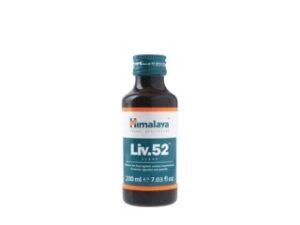

Lukol (Iodine) — Patient Guide for Australia
Lukol is an iodine-containing medicine used in specific situations where iodine is needed. This page provides patient-friendly information about what Lukol is, how it works, how it’s taken, and important safety considerations. If you have any questions about your situation, talk to a doctor or pharmacist.
Key information at a glance
- Active ingredient: Iodine (formulation varies by product pack; always check your specific label).
- Common form: Often available as an oral solution or drops (depending on the product presentation).
- What it’s used for: Typically for iodine supplementation and/or specific iodine needs based on local health guidance.
- How it works: Iodine is used by the thyroid gland to make thyroid hormones, which regulate metabolism.
- Important cautions: People with thyroid disease, iodine sensitivity, or certain long-term medical conditions may need extra care.
Note: Exact strength (e.g., mg/mL), dosing schedule, and pack details can differ between products and suppliers. Always follow the instructions on your specific Lukol pack or the guidance provided by your healthcare professional.
What is Lukol?
Lukol is a medicinal product containing iodine. Iodine is an essential mineral used by the body to produce thyroid hormones (such as thyroxine, T4, and triiodothyronine, T3). Thyroid hormones help regulate metabolism, energy use by the body’s cells, heart rate, growth, and development.
Because iodine needs can change in certain circumstances, Lukol may be used when additional iodine is recommended. In Australia, decisions about use may be influenced by current public health advice, particularly during times when iodine availability or thyroid protection considerations are discussed.
Mechanism of action (how Lukol works)
Iodine supports the thyroid gland. The thyroid actively takes up iodine from the bloodstream and uses it to build thyroid hormones. When iodine is available in appropriate amounts, the thyroid can function normally and maintain hormone production.
Depending on the specific clinical context, Lugol/iodine preparations (including Lukol) may also be used to:
- Reduce iodine uptake by the thyroid when administered at the right time relative to an exposure event (a concept known as thyroid “blocking” in some public health settings).
- Supplement iodine when dietary intake is insufficient or when iodine status is low.
The exact “why” and “when” for your use should be guided by your pharmacist or other healthcare professional, or by official Australian health advice relevant to the situation.
Pharmacokinetics (how the body handles iodine)
Absorption: After oral administration, iodine is absorbed through the gastrointestinal tract. Absorption efficiency can vary between individuals and may be influenced by factors such as stomach emptying and food intake.
Distribution: Once in the bloodstream, iodine is distributed throughout body tissues. A significant portion is taken up by the thyroid gland and also contributes to other iodine-containing processes.
Metabolism and elimination: Iodine is not “metabolised” in the usual sense like many drugs. Instead, it is used by the thyroid for hormone production and the remaining iodine is excreted primarily via the kidneys into urine. The overall duration of action depends on iodine status, thyroid function, and whether iodine is being actively used.
Clinical implication: Because iodine effects relate to thyroid physiology, people with thyroid conditions may experience stronger or more prolonged effects.
Typical indications (what Lukol is used for)
Lukol is generally considered when iodine supplementation or thyroid protection is recommended. Specific indications may include:
- Iodine supplementation in circumstances where iodine intake is inadequate (based on clinical assessment or public health advice).
- Thyroid protection/iodine blocking in certain emergency or public health scenarios, where timing is critical.
- Management support in selected medical plans where iodine is part of the strategy (as determined by healthcare professionals).
Always check your product label and current advice: Indications can differ by country, product formulation, and the current guidance being followed.
How to take Lukol: timing and dosing
General timing guidance
- Follow the instructions on your pack: Lukol dosing depends on the strength of your product and the reason for use.
- Consistency matters: Take doses at the times directed (e.g., once daily or in divided doses).
- For time-critical thyroid protection scenarios: Advice typically emphasises administering as soon as the relevant authority recommends. If you’re using Lukol for that reason, seek up-to-date official guidance immediately.
Typical dosing (must match your specific strength)
Because formulations and strengths vary, you should not use a “one size fits all” dose. The most accurate dosing information is on your Lukol pack and/or the instruction provided by your healthcare professional.
To help you organise your information, here’s an example of how dosing is commonly presented on product instructions (illustrative only):
| Group | How dosing is usually structured | What to do |
|---|---|---|
| Adults | Often once daily or divided doses depending on indication | Check pack strength and follow label instructions exactly |
| Children | Dose is typically weight- or age-based and carefully adjusted | Use paediatric dosing guidance from the pack or pharmacist |
| Older adults | May require extra caution due to higher likelihood of thyroid disease or medication interactions | Confirm suitability with a pharmacist, especially if thyroid disease is present |
Practical tip: If you’re unsure about the exact number of drops or mL, measure with a suitable measuring device (e.g., oral syringe) rather than kitchen measures.
How to take
- Oral use: Take by mouth as directed.
- Mixing: Some preparations may be taken diluted in water or another suitable liquid; follow your label instructions.
- Missed dose: If you miss a dose and it’s not yet close to the next dose, take it when you remember. If it’s nearly time for the next dose, skip the missed dose and continue the schedule. Do not double up unless advised.
Food interactions and absorption
In general, iodine preparations may be taken with or without food, but food can affect absorption for some oral medicines. The most reliable advice for Lukol is on your pack label.
- Consistency is helpful: Take it the same way each time (with food or on an empty stomach), unless instructed otherwise.
- Avoid large changes in diet: Sudden changes in high-iodine foods (such as certain seaweeds) may complicate iodine balance.
- Consider dietary iodine sources: Iodine is present in some foods. If you’re taking Lukol for a specific iodine-related plan, ask whether you should limit additional iodine sources.
Important: If you have kidney problems or thyroid disease, ask a pharmacist before making any adjustments to iodine intake.
Alcohol interactions
There is no well-established direct interaction between iodine (as used in Lukol) and alcohol. However, alcohol may:
- Increase the likelihood of nausea or stomach upset when taking oral medicines.
- Worsen dehydration, which can be relevant if you experience vomiting or diarrhoea.
Practical approach: If you plan to drink alcohol, consider spacing it away from your dose and limit intake. If you experience dizziness, stomach upset, or other concerning symptoms, stop drinking and seek advice.
Interactions with other medicines
Lukol can interact with medications that affect thyroid function or iodine handling. Tell your pharmacist or doctor about all medicines and supplements you take, including:
- Thyroid medications (e.g., medicines used for hypothyroidism or hyperthyroidism)
- Thyroid hormone replacements (e.g., levothyroxine)
- Medicines that influence thyroid function (some may increase the risk of thyroid changes when combined with iodine)
- Potassium iodide or other iodine-containing supplements (avoid duplication unless specifically advised)
Supplements and high-iodine products: Seaweed/kelp supplements can contain high iodine levels. Combining them with iodine medicines can raise total iodine exposure and increase the chance of thyroid side effects.
If you’re using multiple thyroid-related products, it’s especially important to confirm safe dosing and timing with a pharmacist.
Safety profile: who should take extra care?
Most people can take iodine preparations safely when used according to guidance. However, iodine can affect the thyroid—sometimes causing thyroid function changes. Some groups require extra caution.
People who should speak to a pharmacist before using Lukol
- Known thyroid disease (e.g., Hashimoto’s thyroiditis, Graves’ disease, nodular goitre)
- Past reactions to iodine or iodine-containing products
- Pregnancy or breastfeeding (iodine needs are important, but dosing should be carefully considered)
- Kidney impairment (iodine is largely excreted through the kidneys)
- Children (dose must be age/weight appropriate)
- People taking thyroid medications (risk of altered thyroid levels)
Common side effects
Side effects depend on dose, duration, and individual thyroid sensitivity. Possible effects include:
- Nausea or mild stomach upset
- Metallic taste
- Headache
- Allergic-type skin reactions in sensitive individuals (less common)
Seek urgent medical advice if
Stop using Lukol and seek medical help urgently if you experience:
- Signs of severe allergy (swelling of lips/face, trouble breathing, widespread rash)
- Severe vomiting or inability to keep fluids down
- Confusion, marked weakness, or fainting (especially if combined with other symptoms)
- Thyroid-related symptoms that are new or severe (see below)
Possible thyroid-related effects
Because iodine influences thyroid hormone production, high exposure may lead to thyroid dysfunction. Symptoms may include:
- Hypothyroid-like symptoms: tiredness, weight gain, constipation, feeling cold, dry skin
- Hyperthyroid-like symptoms: palpitations, tremor, sweating, anxiety, weight loss, heat intolerance
If you notice these symptoms after using iodine, consult a pharmacist or doctor for advice and possible thyroid function testing.
Practical use tips
- Check the label strength before measuring a dose.
- Use the correct measuring device for oral drops/solution.
- Write down the date and time you took your dose, especially in time-critical scenarios.
- Keep track of other iodine sources (multivitamins, kelp/seaweed supplements, contrast agents if relevant to your medical history).
- Don’t double up if you miss a dose.
- Store appropriately: Follow the pack instructions for storage conditions (often room temperature and protected from moisture/light).
If you’re taking Lukol long-term for supplementation, it’s a good idea to ask your pharmacist or doctor about monitoring plans and the most appropriate duration.
Alternative options for iodine needs
Depending on why you are taking iodine, alternatives may include:
- Dietary iodine sources (e.g., iodised salt, dairy, eggs, certain seafood)
- Other iodine supplements (iodide tablets or drops), where appropriate for your situation
- General multivitamins that include iodine (only if they fit your daily iodine goals and your healthcare plan)
- In specific medical situations: thyroid-focused management under healthcare supervision
Choosing an alternative: The right option depends on your thyroid status, kidney function, pregnancy/breastfeeding considerations, and current health guidance.
Australia market & legal context (general information)
In Australia, medicines are regulated under the TGA (Therapeutic Goods Administration). Availability, classification (e.g., pharmacist-only vs general sale), and supply processes can vary between products and brands.
For iodine medicines, access may also depend on:
- Indication and timing (including emergency preparedness guidance)
- Age group restrictions and dosing instructions
- Local pharmacy policies for supply and counselling
Important: Product availability in Australia can change. Your pharmacy may advise on the best match for your needs and current guidelines.
Recent guidance and public health updates
Because iodine use can be linked to time-sensitive public health or emergency advice, recommendations may be updated during relevant events. In Australia, authoritative information is commonly provided by agencies such as Health authorities and emergency preparedness bodies.
- Always check the latest official advice if Lukol is being considered for thyroid protection or emergency use.
- Follow timing instructions closely—in time-critical scenarios, earlier administration may be recommended.
- Don’t rely on outdated guidance from previous events or online posts.
Your local pharmacist can also help you interpret what guidance means for your age group and medical circumstances.
Delivery and availability (online pharmacy)
Availability of Lukol can vary by stock levels and the specific formulation you’re seeking. When ordering online in Australia, reputable pharmacies typically provide:
- Clear product identification (brand, strength, pack size)
- Estimated delivery times and shipping options
- Secure packaging for temperature and handling requirements
- Customer support for dosing and suitability questions
Delivery tips: If the product requires storage conditions (e.g., away from heat or light), keep it in the original carton on arrival. If you’re not home, choose a delivery option that reduces risk of prolonged exposure.
FAQ — Lukol
1) What is Lukol used for?
Lukol is an iodine-containing medicine. It may be used for iodine supplementation and/or to support thyroid needs in specific circumstances as recommended by health guidance or healthcare professionals.
2) How quickly does Lukol work?
For general iodine supplementation, effects relate to thyroid hormone production and how your body uses iodine. In time-critical scenarios, the benefit depends strongly on administering iodine during the recommended window. If you are using it for thyroid protection, follow current official guidance for timing.
3) Can I take Lukol with food?
Many iodine preparations can be taken with or without food. However, follow your specific pack instructions. If you want consistent absorption and fewer stomach effects, take it the same way each time.
4) Is it safe for people with thyroid conditions?
People with thyroid disease should seek advice before using Lukol, as iodine can affect thyroid function. Your pharmacist can help assess risks and recommend whether extra monitoring is needed.
5) What should I do if I miss a dose?
Take it when you remember unless it’s almost time for the next dose. Skip the missed dose and continue your schedule. Do not double your dose unless told to do so by a healthcare professional.
6) Can I drink alcohol while taking Lukol?
There is no common, well-defined direct alcohol interaction for iodine itself, but alcohol may worsen nausea or dehydration. If you experience stomach upset, reduce or avoid alcohol and seek advice if symptoms are severe.
7) Are there any interactions with other medicines?
Yes—especially medicines that affect thyroid function or other iodine products. Tell your pharmacist about your full list of medicines and supplements, including seaweed/kelp and multivitamins.
8) How should Lukol be stored?
Store as directed on the pack (commonly at room temperature, protected from moisture and light). Keep out of reach of children.
9) What side effects might I notice?
Possible side effects include nausea, metallic taste, headache, and (less commonly) allergy-type reactions. Watch for thyroid-related symptoms and seek advice if you notice new or worsening symptoms.
10) Can children take Lukol?
Children may be prescribed/dispensed iodine depending on circumstances, but dosing must be carefully adjusted for age/weight and guided by appropriate instructions. Consult a pharmacist for the correct dose for your child.
Final note
Lukol can be useful when iodine is needed, but safety depends on correct dosing, timing (especially in time-sensitive scenarios), and your health history—particularly thyroid conditions. If you have any uncertainty about whether Lukol is appropriate for you, or you’re unsure how to take it, ask your pharmacist before starting.