
Nolvadex (Tamoxifen) – Patient Guide (Australia)
Nolvadex is a brand of tamoxifen, an anti-oestrogen medicine used to treat and help prevent certain hormone-dependent cancers. This guide explains how Nolvadex works, how it is used, important safety information, and practical tips to help you use your medicine confidently.
Please note: information below is general and patient-friendly. Your healthcare team may tailor treatment to your individual situation.
Quick Facts
- Medicine name: Nolvadex (tamoxifen)
- Medicine type: Selective Estrogen Receptor Modulator (SERM)
- Common forms: Oral tablets
- How it helps: Blocks oestrogen’s effect in specific tissues, particularly breast tissue
- Typical use cases: Breast cancer treatment and risk reduction
- Key cautions: Increased risk of blood clots and uterine (endometrial) changes
Basic Product Information
Nolvadex contains tamoxifen. Tamoxifen is an oral medication that interacts with oestrogen signalling pathways. It can behave like an anti-oestrogen in breast tissue, while acting like an oestrogen in some other tissues, such as parts of the uterus and bones.
In Australia, tamoxifen is an established medicine with well-known safety monitoring. Availability and brand presentation can vary by supplier, but tamoxifen is widely used and supported by Australian clinical practice.
How Nolvadex Works (Mechanism of Action)
Nolvadex (tamoxifen) is a Selective Estrogen Receptor Modulator (SERM). It works by binding to oestrogen receptors and altering the response to oestrogen depending on the tissue.
- Breast tissue: Tamoxifen primarily blocks oestrogen receptors, reducing stimulation of breast cancer cells that rely on oestrogen to grow.
- Other tissues: In certain areas (for example, the uterus and bones), tamoxifen may have partial oestrogen-like effects.
Tamoxifen is metabolised in the body to active compounds that contribute to its anti-oestrogen effects.
Pharmacokinetics (What Happens to the Medicine in the Body)
Understanding how tamoxifen moves through your body can help explain why adherence matters and why some interactions are important.
| Topic | Patient-friendly description |
|---|---|
| Absorption | After swallowing, tamoxifen is absorbed from the gastrointestinal tract. |
| Metabolism | Tamoxifen is processed mainly by the liver. It is converted into active metabolites that help drive its effects. |
| Key idea: “active metabolites” | Some medicines can interfere with enzymes used to activate tamoxifen, potentially reducing benefit. |
| Elimination | Metabolites are removed primarily via the liver and bile and leave the body through faeces; some elimination occurs via urine. |
| Half-life | Tamoxifen and its active metabolites remain in the body for a long time, which is one reason missed doses can still matter. |
Typical Use and Timing
What it is used for
Nolvadex (tamoxifen) is used for certain estrogen receptor–positive (ER+) breast cancers and for reducing the risk of developing breast cancer in some higher-risk situations, depending on clinical assessment.
Typical timing
Tamoxifen is taken as a once-daily or twice-daily schedule depending on the regimen your clinician recommends. Many patients take it at the same time each day to support steady levels.
- If once daily: Take it at a time that suits your routine (e.g., morning or evening).
- If twice daily: Space doses evenly (e.g., morning and evening).
- Consistency matters: Aim to take doses regularly for best benefit.
Indications (Common Clinical Reasons Nolvadex Is Prescribed in Australia)
Indications can vary based on individual risk factors and cancer characteristics. Common uses include:
- Early breast cancer: Adjuvant (after surgery) therapy for hormone receptor–positive disease to reduce recurrence risk.
- Metastatic or advanced breast cancer: Used in hormone receptor–positive cases where tamoxifen is appropriate.
- Breast cancer risk reduction: In selected people at higher risk, where tamoxifen may be considered as a prevention option.
Your oncologist or treating doctor will decide which indication applies to you.
Dosing Information (General Guidance)
Dosing should be determined by your healthcare professional according to the indication and your clinical situation. The information here is general and not a substitute for individual instructions.
Common dosing patterns
- Typical regimen for many indications: Often once daily (commonly 20 mg daily in many standard regimens).
- Alternative regimens: Some settings may use different strengths or schedules (for example, divided dosing).
If you miss a dose
- Take the missed dose as soon as you remember unless it is close to the time for your next dose.
- Do not double up to make up for a missed dose.
- If you are unsure, follow the advice from your pharmacist or prescriber.
How to take Nolvadex
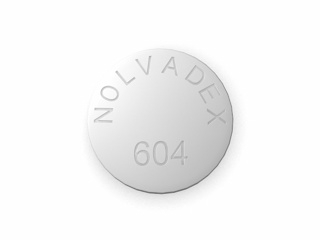
- Swallow the tablet whole with water.
- Try to take it at the same time each day.
- Keep taking it for the duration recommended by your treatment plan, even if you feel well.
Food Interactions (Can You Take Nolvadex With Meals?)
Nolvadex can usually be taken with or without food. Food is not generally expected to significantly change absorption.
However, practical comfort matters:
- If you experience nausea or stomach upset, taking Nolvadex with a light meal may help.
- Avoid sudden large changes in diet only if your clinician has advised it for other reasons (for example, to manage side effects).
Alcohol and Medicine Interactions
Alcohol
There is no universal “safe amount” for alcohol with tamoxifen, because individual health factors differ (for example, liver health and other medications). As a cautious approach:
- Limit alcohol, especially if you have liver-related issues or are dealing with side effects such as nausea or dizziness.
- If you drink, consider keeping it occasional and moderate.
Medicine interactions (very important)
Tamoxifen depends on liver enzymes to convert it to active forms. Some medicines can affect these enzymes, which may reduce effectiveness or change safety. Tell your pharmacist or healthcare team about everything you take, including:
- Some antidepressants and other mood medicines
- Some antifungals and antibiotics
- Other hormone medicines
- Herbal supplements (especially those affecting liver enzymes)
In many clinical settings, medicines that strongly inhibit the enzyme CYP2D6 are of particular concern because they can interfere with tamoxifen activation. Examples of categories that may require review include certain antidepressants and other drugs known to affect CYP2D6.
Always confirm any new medicine with your pharmacist. If you need symptom relief (e.g., for hot flushes or mood), ask what options are compatible with tamoxifen.
Safety Profile (What to Watch For)
Like all medicines, Nolvadex has potential side effects. Many people tolerate it well, but some risks require ongoing monitoring.
Common side effects
- Hot flushes
- Nausea
- Vaginal dryness or changes in vaginal discharge
- Irregular menstrual bleeding (in those who still have periods)
- Fatigue
- Skin rash or itching (less common)
Serious but less common risks
- Blood clots (thrombosis): Deep vein thrombosis (DVT) or pulmonary embolism (PE) can occur. Seek urgent medical help if you develop:
- Leg swelling or pain (often one-sided)
- Shortness of breath, chest pain, or coughing blood
- Uterine (endometrial) changes: Tamoxifen may increase the risk of uterine lining changes. Contact a clinician promptly if you notice:
- Unusual vaginal bleeding
- Any bleeding after menopause
- Pelvic pain or pressure
- Eye problems: Vision changes should be assessed quickly.
- Liver effects: Rarely, liver inflammation or changes can occur. Report persistent upper abdominal pain, dark urine, or yellowing of the skin/eyes.
When to seek urgent care
Get urgent medical assistance if you experience any symptoms suggestive of a serious reaction such as:
- Signs of a blood clot (DVT/PE)
- Severe shortness of breath or chest pain
- Significant abnormal vaginal bleeding
- Sudden vision changes
- Signs of severe allergic reaction (rare): swelling of face/lips, trouble breathing, widespread rash
Practical Use Tips (How to Take Nolvadex More Comfortably)
- Track your dose time: Use a phone reminder or pill organiser.
- Manage hot flushes: Dressing in layers, keeping rooms cool, and avoiding triggers (spicy foods, warm environments) may help. Ask about compatible options if they affect your quality of life.
- Skin and vaginal comfort: Gentle skincare and water-based lubricants may help if you experience dryness (confirm any product choices with your pharmacist if you have symptoms).
- Stay active: Regular movement can help reduce clot risk and support overall wellbeing (follow your treatment plan and exercise guidance).
- Attend monitoring appointments: Uterine and general clinical monitoring schedules should be followed as advised.
- Keep a medication list: Include all prescriptions, over-the-counter products, and supplements.
Alternative Options (If Nolvadex Isn’t Suitable or Needs Review)
Treatment choices for hormone receptor–positive breast cancer can include other medicines or strategies depending on your age, menopausal status, cancer stage, and risk profile.
Common alternative medicine approaches
- Other endocrine therapies: Options may include aromatase inhibitors (commonly used in post-menopausal patients) depending on clinical circumstances.
- Ovarian suppression: In some pre-menopausal cases, ovarian function suppression may be considered alongside other therapies.
- Different SERMs: In certain contexts, other SERMs may be considered, though tamoxifen remains widely used.
If you experience side effects, ask your clinician what alternatives may be appropriate. Never stop tamoxifen suddenly unless advised.
Australia Market & Legal Context (Patient-Friendly Overview)
In Australia, tamoxifen is an established medicine used in cancer care and prevention pathways. Access to medicines in Australia is supported by regulatory requirements and pharmacy standards. Availability may be influenced by:
- Approved indications and clinical protocols within Australian healthcare settings
- Prescriber involvement for appropriate suitability and dosing
- Pharmacist dispensing processes to ensure correct medicine, dose, and safety checks
Pharmaceutical suppliers and pharmacies aim to comply with Australian legislation regarding quality, storage, and supply chain management. Your local pharmacist can explain availability for your specific tablet strength and quantity.
Recent Guidance & Monitoring (What Matters in Ongoing Care)
Clinical practice around endocrine therapy can evolve. Patients in Australia are generally advised to:
- Follow recommended duration and review schedules for endocrine therapy.
- Report symptoms early, especially bleeding after menopause or signs of clotting.
- Review interacting medicines whenever new prescriptions or supplements are started.
- Have appropriate follow-up assessments (including gynaecological monitoring where relevant) as advised by the treating team.
Your doctor or oncology team may also update your care plan based on your response to treatment and any new clinical information.
Delivery and Availability (Online Pharmacy Information)
Availability of Nolvadex depends on supplier stock and the strength and pack size you require. When ordering online, pharmacies typically:
- Confirm product details (brand, strength, quantity).
- Check identity and safety information during the ordering process.
- Pack and dispatch using appropriate storage and handling practices.
Delivery timelines can vary across Australian states and territories. To avoid delays, ensure your delivery address and contact details are accurate, and keep an eye on tracking notifications if provided.
FAQ
1) What is Nolvadex used for?
Nolvadex (tamoxifen) is used in hormone receptor–positive breast cancer to treat certain stages and reduce the risk of recurrence. It may also be considered in selected patients for risk reduction, depending on clinical assessment.
2) How long does Nolvadex take to work?
Some effects begin quickly, but overall benefit is assessed over months and years, depending on the reason for treatment. Endocrine therapy is often continued for a defined duration as part of the overall care plan.
3) Can I take Nolvadex with food?
Usually yes. Tamoxifen can generally be taken with or without food. If you experience stomach upset, try taking it with a meal.
4) What should I do if I miss a dose?
Take it when you remember unless it is close to the next dose time. Do not double up. If you’re unsure, contact your pharmacist for advice.
5) Are hot flushes normal with tamoxifen?
Hot flushes are a common side effect. Lifestyle adjustments can help, and your healthcare team can discuss additional supportive options if symptoms are bothersome.
6) What interactions should I be aware of?
Certain medicines—particularly some antidepressants and other drugs that may affect liver enzymes—can interfere with tamoxifen activation. Always tell your pharmacist about your full medication and supplement list before starting new products.
7) Is alcohol safe while taking Nolvadex?
Moderate alcohol may be acceptable for some people, but it’s best to limit alcohol and discuss your situation with your pharmacist, especially if you have liver issues or experience side effects.
8) What symptoms require urgent medical attention?
Seek urgent help if you have signs of a blood clot (such as leg swelling/pain or shortness of breath), significant abnormal vaginal bleeding, severe allergic symptoms, sudden vision changes, or signs of liver problems (such as yellowing of skin/eyes).
9) Can I stop Nolvadex if I feel better?
It’s important not to stop early without advice from your healthcare team. Endocrine therapy is designed to reduce risk over time.
10) What are possible alternatives to tamoxifen?
Alternatives can include other endocrine therapies (such as aromatase inhibitors) or additional strategies depending on menopausal status, cancer characteristics, and your individual risk-benefit profile. Your clinician can advise what is most appropriate.
Important Note
This page provides general information about Nolvadex (tamoxifen) for educational purposes. If you have questions about side effects, interactions, or how to take your specific regimen, speak with your pharmacist or treating clinician. If you experience severe or concerning symptoms, seek medical help promptly.