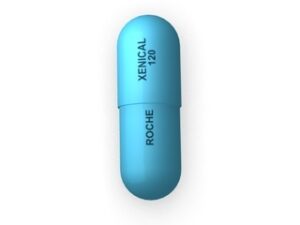
Orlistat (Alli / Xenical) – Patient-Friendly Guide (Australia)
Orlistat is an anti-obesity medicine designed to help with weight management by reducing the amount of dietary fat your body absorbs. It is used alongside diet and lifestyle changes and is available in Australia in different strengths and brands, depending on which product you choose.
This guide explains how orlistat works, how to take it, what to expect, important food and medicine interactions, and practical tips to help you use it effectively and safely.
Key Product Information
- Active ingredient: Orlistat
- What it does: Reduces absorption of fat from food
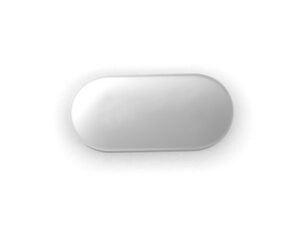
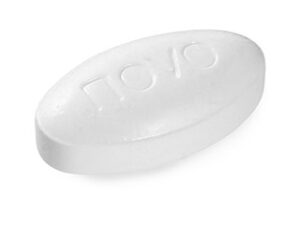
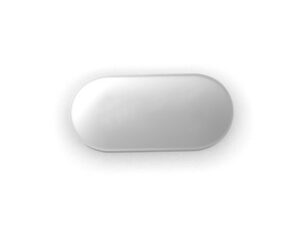
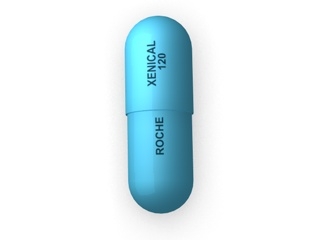
- Common brand names in Australia: Alli (lower strength) and Xenical (higher strength)
- Typical form: Oral capsules
- When used: With reduced-calorie, balanced diet
Availability and pack sizes can vary by supplier. Always check the specific product label for your chosen brand/strength.
How Orlistat Works (Mechanism of Action)
Orlistat works locally in the digestive tract. It blocks digestive enzymes called lipases (fat-digesting enzymes) in the stomach and small intestine. When lipases are blocked, the absorption of some of the dietary triglycerides (fat) is reduced.
The undigested fat is then excreted, meaning fewer calories from fat are taken up by the body. Orlistat does not “stop” all fat absorption—results depend on the fat content of your meals and how consistently you take the medicine with food.
Why your meal matters
- Orlistat is intended to be taken with meals.
- Meals higher in fat may lead to a higher likelihood of gastrointestinal side effects.
- Choosing lower-fat meals improves comfort and may support results.
Pharmacokinetics (How the Body Handles Orlistat)
Orlistat is designed to act in the gut. Because of this, only a small amount is absorbed into the bloodstream. Most of the medicine stays in the digestive tract and is excreted.
In people taking orlistat:
- Systemic absorption: Low (limited absorption from the gastrointestinal tract).
- Metabolism: Minimal systemic metabolism due to low absorption.
- Elimination: Mainly through faeces; a portion may appear in urine.
Because systemic exposure is low, interactions that depend on high bloodstream levels are less common than with some other medicines. However, orlistat can still affect absorption of certain vitamins and medicines, especially those taken together with meals.
Typical Uses and Indications in Australia
Orlistat is used for weight management as part of a programme that includes diet and lifestyle changes. Depending on the product strength and local availability, uses may include:
- Weight loss and weight management in adults who are overweight.
- Ongoing weight control after achieving initial weight reduction (where appropriate).
- In some cases, it may be used for weight-related conditions under clinical guidance (for example, overweight associated with risk factors).
The exact indication depends on the specific brand and strength. Always refer to the product information for your chosen item.
Dosing: How to Take Orlistat
Correct timing is crucial. Orlistat should be taken with each main meal that contains fat. If a meal is skipped or contains no fat, you typically do not need to take a dose for that meal.
| Product / strength | Typical dosing schedule | Key timing instructions |
|---|---|---|
| Alli (lower strength; commonly 60 mg) | Usually 1 capsule three times daily with meals | Take with each main meal (breakfast, lunch, dinner) that includes fat |
| Xenical (higher strength; commonly 120 mg) | Usually 1 capsule three times daily with meals | Take with each main meal (breakfast, lunch, dinner) |
If you miss a dose
- If you remember soon after a meal, take it as directed on the label.
- If it’s close to the next dose, skip the missed dose—do not double up.
How long should you use it?
Orlistat is intended for ongoing weight management together with diet and lifestyle changes. If you are not seeing any benefit, or if you are not tolerating it well, discuss options with a healthcare professional or review the product guidance.
Timing With Meals and What to Expect
Orlistat should be taken at the time you eat, not hours later. A simple rule:
- Take with your meal: before or during the meal.
- Don’t take between meals: it is meant to act on the fat present in that meal.
Because orlistat affects fat digestion, it can be associated with digestive side effects—especially when meals are high in fat. Many people find that planning meals helps improve comfort.
What “high-fat meals” may cause
- Oily or frequent stools
- Urgency to have bowel movements
- Gas with oily discharge
- Soiling or difficulty controlling stool
Food Interactions and Dietary Tips
Orlistat is specifically designed to work with dietary fat. Therefore, the fat content of your meals strongly influences both effectiveness and side effects.
Recommended eating approach
- Choose a moderate-calorie eating plan.
- Include balanced nutrition (lean proteins, vegetables, whole grains, and healthy fats in sensible amounts).
- Reduce high-fat foods (e.g., deep-fried meals, creamy sauces, fast food, pastries, and large amounts of cheese).
Meal planning tip
If you want better comfort while taking orlistat, aim to keep meals relatively low in fat rather than “normal” or high-fat diets. Many people do better by eating smaller portions and selecting leaner options.
Alcohol: Is it Safe With Orlistat?
There is no specific “dangerous” interaction between alcohol and orlistat in standard references; however, alcohol can affect weight-management efforts and may increase gastrointestinal symptoms in some people.
- For the gut: alcohol may irritate the stomach and worsen nausea, diarrhoea, or discomfort.
- For weight loss: alcohol can add calories and may make it harder to maintain your dietary plan.
If you choose to drink, consider limiting intake and monitor your tolerance. If you experience persistent stomach upset or worsening diarrhoea, avoid alcohol and consult a healthcare professional.
Medicine Interactions (Alcohol and Other Medicines)
Orlistat can affect the absorption of certain medicines and vitamins because it reduces fat absorption and can slightly change how some compounds are taken up in the gut.
Medicines where timing matters
Many medicines can be taken with orlistat, but it’s wise to check the product consumer medicine information (CMI) and consider spacing doses when appropriate.
- Fat-soluble vitamins (A, D, E, K): Orlistat can reduce absorption. Supplementation may be needed.
- Warfarin: Reports exist of altered effects and increased INR monitoring requirements. If you take warfarin, you should only use orlistat with appropriate medical monitoring.
- Levothyroxine: Absorption may be affected; spacing doses may be necessary.
- Ciclosporin (cyclosporine): Absorption may be reduced, potentially lowering effectiveness.
- Amiodarone: Reduced absorption has been reported.
- Antiretrovirals for HIV and some other medicines: absorption may be affected.
Not all medicines are affected in the same way. The most important step is to check: your medicine label, the orlistat CMI, and speak to a healthcare professional if you are unsure.
General spacing advice
- For supplements (especially vitamins), follow the CMI instructions regarding the timing of vitamin doses.
- For prescription medicines you take regularly, check whether the product advises spacing around meals.
Safety Profile: Side Effects and Who Should Be Careful
Common side effects
Because orlistat affects fat digestion, digestive side effects are among the most common:
- Oily spotting or oily stools
- Increased frequency of bowel movements
- Gas and bloating
- Urgency to go to the toilet
- Stomach discomfort
These effects may be more likely with higher-fat meals. Many people find side effects improve as eating habits shift.
Other possible effects
- Headache or fatigue
- Nausea (less commonly)
- Changes in stool consistency
When to seek medical advice urgently
Stop using the product and seek medical help urgently if you develop:
- Severe or persistent abdominal pain
- Signs of allergy such as rash, swelling, or difficulty breathing
- Severe dehydration (e.g., dizziness, fainting, very reduced urination)
- Persistent diarrhoea or vomiting
Who should be careful
Extra caution may be needed if you have conditions affecting digestion or absorption, or if you are taking medicines with narrow safety margins. Speak to a healthcare professional if you:
- Have chronic bowel disorders
- Are pregnant or breastfeeding
- Have liver or kidney problems (seek advice on suitability)
- Take multiple medicines regularly
Practical Use Tips (Getting the Best Results)
Start with a plan for your meals
- Choose lower-fat meals to reduce side effects.
- Keep portions appropriate for a calorie deficit.
- Keep snacks planned so you can time capsules correctly with meals.
Consider vitamin supplementation
Because orlistat may reduce absorption of fat-soluble vitamins, many consumer recommendations encourage taking a multivitamin that includes vitamins A, D, E, and K. Follow your product’s CMI and do not exceed recommended doses.
Don’t rely on capsules alone
Orlistat works best when combined with:
- Reduced-calorie eating
- Regular physical activity
- Behaviour changes (e.g., planning meals and limiting high-fat foods)
Track progress early
Weight management usually takes time. If you see no progress after a reasonable period, review your meal plan, ensure correct timing, and consider discussing alternatives with a healthcare professional.
Alternative Options for Weight Management
Depending on your individual circumstances, there may be other weight-management approaches. Alternatives can include:
- Lifestyle-focused programmes: diet counselling, calorie control, and exercise plans.
- Other weight-loss medicines: different mechanisms (e.g., appetite-related or metabolic options), depending on availability.
- Meal replacement or structured diets: for selected individuals under guidance.
- Behavioural strategies: sleep improvement, stress management, and reducing high-fat/ultra-processed foods.
- Support services: dietitians and weight management clinics.
If you’re unsure which option is best, consider seeking tailored advice that matches your goals, health history, and preferences.
Australia: Market and Legal Context (General Information)
In Australia, medicines are regulated through the Therapeutic Goods Administration (TGA). Availability of anti-obesity medicines can depend on:
- Whether the product is listed for non-prescription supply or supplied under pharmacist/health professional direction
- The registered indications and strength for that specific brand
- Consumer medicine information (CMI) and product label requirements
Some brands of orlistat may be supplied as lower-strength options for eligible consumers, while higher-strength versions may be subject to different supply arrangements. Always verify the product details on the label and follow the instructions provided with the medicine.
Recent guidance (high-level)
Guidance around weight-management therapies and safety monitoring can evolve. For the latest official information, refer to:
- Therapeutic Goods Administration (TGA) updates
- Product consumer medicine information for your specific brand/strength
- Reliable clinical guidance on safe weight management
If you have conditions like diabetes, take warfarin, or have significant gastrointestinal issues, it is especially important to follow current advice.
Delivery and Availability in Australia
Online pharmacies in Australia typically supply orlistat subject to stock availability and product registration. Delivery timeframes vary by location and courier service. Some sellers may offer:
- Standard and express delivery options
- Consolidated shipping for multiple items
- Discreet packaging
Ensure you order the correct brand and strength for your intended use and check that the expiry date is suitable. If you need guidance on choosing a product, refer to the label or contact customer support.
FAQ: Orlistat (Australia)
1) Does orlistat work immediately?
Orlistat starts working within the digestive tract during the meal. However, weight change typically takes weeks and depends on overall calorie intake, food choices, and consistency with timing.
2) What foods should I avoid?
To reduce side effects, limit high-fat foods such as fried foods, creamy sauces, pastries, and large amounts of cheese. Choosing lower-fat options helps improve comfort while taking orlistat.
3) Can I take orlistat with every meal?
Generally, it is taken with main meals. If you skip a meal, you typically skip the dose for that meal. For products/strengths, follow the dosing schedule on your specific label.
4) Will orlistat cause oily or urgent stools?
Some people experience oily or urgent stools, particularly after higher-fat meals. Side effects can often be reduced by eating less fat and timing capsules correctly with meals.
5) Do I need vitamins?
Orlistat may reduce absorption of fat-soluble vitamins. Many users take a multivitamin (including vitamins A, D, E, K) as advised in the product information. Check your CMI and timing instructions.
6) Can I drink alcohol while using orlistat?
Moderate alcohol is not specifically contraindicated, but alcohol can worsen stomach symptoms and may undermine weight-management goals. Listen to your body and consider reducing intake if you experience gastrointestinal side effects.
7) What medicines interact with orlistat?
Orlistat can affect absorption of certain medicines and supplements. Common concerns include fat-soluble vitamins, warfarin, levothyroxine, ciclosporin, amiodarone, and some other medicines. Always check the product information for your brand and discuss with a healthcare professional if you take regular medicines.
8) Is orlistat suitable for everyone?
Not always. People with specific medical conditions, pregnant or breastfeeding individuals, and those taking certain medicines may need special advice. Refer to the product label and consider professional advice if unsure.
9) What should I do if I get diarrhoea?
Mild digestive changes can occur. If diarrhoea becomes severe, persistent, or leads to dehydration, stop and seek medical advice. Reviewing meal fat content can help reduce symptoms.
10) How should I store orlistat?
Store capsules according to the label instructions (typically at room temperature away from moisture and heat) and keep the product out of reach of children.
Summary
Orlistat is a gut-acting weight-management medicine that reduces the absorption of dietary fat. It is most effective when taken correctly with meals and combined with sensible eating and activity. Digestive side effects can occur—particularly with high-fat meals—so meal planning and correct timing are key. If you take other medicines or supplements, be mindful of possible absorption interactions and follow the product’s consumer medicine information.