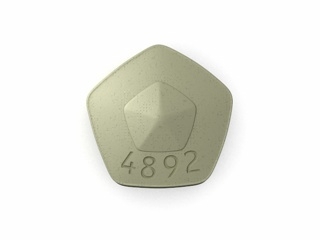


Requip (Ropinirole) – Patient Information (Australia)
Requip contains ropinirole, a medicine used to treat movement disorders, most commonly Restless Legs Syndrome (RLS) and Parkinson’s disease. This guide explains how Requip works, how it’s typically taken, what to watch for, and practical tips for safer use. It is written for consumers and is suitable for online pharmacy information in Australia.
Quick product overview
| Feature | Information |
|---|---|
| Medicine | Requip (ropinirole) |
| What it’s used for | Restless Legs Syndrome (RLS); Parkinson’s disease (alone or with other medicines) |
| How it works | Stimulates dopamine receptors in the brain (dopamine agonist) |
| Common forms | Immediate-release tablets and other formulations (availability varies) |
| How it’s taken | By mouth, usually once or multiple times daily depending on the condition and dose |
| Typical timing | RLS: often in the evening; Parkinson’s: regular schedule based on prescriber plan |
Note: The exact dose and schedule differ between conditions, patient age, kidney function, and other medicines. Always follow the dosing plan provided with your Requip supply and check the package for your specific product strength.
How Requip works (mechanism of action)
Ropinirole belongs to a group of medicines called dopamine agonists. In the brain, dopamine is involved in controlling movement and certain nerve signalling. In conditions such as Parkinson’s disease and RLS, dopamine signalling may be reduced or disrupted.
- Dopamine receptor stimulation: Ropinirole activates dopamine receptors, helping to improve communication within brain pathways that control movement and sensations.
- Symptom relief: By restoring more normal dopamine activity, ropinirole can reduce tremor, stiffness, and other motor symptoms in Parkinson’s disease, and can reduce uncomfortable sensations and urge-to-move in RLS.
Pharmacokinetics (how the body handles ropinirole)
Pharmacokinetics describes what the body does to a medicine—how it is absorbed, distributed, metabolised, and eliminated. Understanding these points can help with practical use.
- Absorption: Ropinirole is absorbed after oral dosing. The extent of absorption can be affected by food.
- Food effects: Taking ropinirole with food generally reduces the peak concentration and delays absorption, which may reduce some side effects such as nausea for some people.
- Metabolism: Ropinirole is primarily metabolised in the liver by enzymes in the CYP system (notably CYP1A2).
- Elimination: Metabolites are removed mainly via the kidneys.
- Half-life: The elimination half-life is variable across individuals, influencing dosing frequency.
Why this matters: Liver enzyme interactions (including some medicines and smoking status) can change how quickly ropinirole levels rise and fall. This can affect effectiveness and side effects.
Typical uses and indications
1) Restless Legs Syndrome (RLS)
Requip is used to treat Restless Legs Syndrome, a condition that causes unpleasant sensations (often described as crawling, tingling, or aching) and an urge to move, typically occurring or worsening during rest and in the evening or night.
2) Parkinson’s disease
Requip is also used to treat Parkinson’s disease. It may be prescribed as:
- Monotherapy (early treatment), or
- Combination therapy (often alongside levodopa or other Parkinson’s medications), to help manage motor symptoms.
In both RLS and Parkinson’s disease, symptom control may take some time as dosing is adjusted to suit the individual.
When to take Requip (timing guidance)
Timing depends on the condition and your prescribed schedule. The below guidance is practical and common in routine use, but your personal plan may differ.
For Restless Legs Syndrome
- Often taken in the evening—commonly about 1–3 hours before bedtime, as directed for your specific dose and formulation.
- If your doctor recommends a bedtime routine, try to keep it consistent day to day.
For Parkinson’s disease
- Typically taken on a regular schedule through the day.
- Follow the prescribed frequency exactly. If you miss a dose, don’t double up—ask your pharmacist for advice.
Practical tip: Setting reminders can help avoid missed doses and abrupt symptom changes.
Food interactions: what to know
Food can affect how ropinirole is absorbed. In many people, taking ropinirole with or after food may help reduce nausea.
- Nausea and stomach upset: Taking ropinirole with food may make it easier to tolerate.
- Consistency matters: Try to take your doses in a consistent way each day (e.g., always with food or always on an empty stomach), unless your clinician advises otherwise.
Alcohol and meals: Alcohol can worsen dizziness and drowsiness. Food does not “cancel out” alcohol effects—see the alcohol section below.
Alcohol and medicine interactions
Alcohol
Alcohol may increase the risk of drowsiness, dizziness, and impaired coordination when combined with ropinirole. This can increase fall risk and can also affect driving ability.
- Advice: Avoid or limit alcohol until you know how Requip affects you.
- Driving: If you feel sleepy, dizzy, or “not quite yourself,” do not drive or operate machinery.
Other medicines (important interaction categories)
Ropinirole’s metabolism involves liver enzyme pathways, and other medicines can increase or decrease ropinirole levels. Some combinations can also compound side effects like dizziness or sleepiness.
- CYP1A2 inhibitors (may increase ropinirole levels): examples can include certain antibiotics or fluvoxamine. This can raise side effects.
- CYP1A2 inducers (may decrease ropinirole levels): examples include some seizure medicines like carbamazepine and smoking-related enzyme changes.
- Other sedating medicines (may increase drowsiness): some sleep medicines, opioids, some antihistamines, and certain anxiety medicines.
- Antipsychotics and certain anti-nausea medicines that act on dopamine pathways may reduce effectiveness or alter effects.
Smoking effects: Tobacco smoke can affect CYP1A2 activity. Changes in smoking (starting, stopping, or reducing significantly) may alter ropinirole exposure. If you smoke, tell your pharmacist or doctor.
Always check: Provide your pharmacist with a full list of medicines, including over-the-counter products and herbal supplements, before starting or changing Requip dosing.
Dosing information (general guidance)
Ropinirole dosing is individualised and often starts low and increases gradually to minimise side effects. The “right dose” depends on the condition, age, tolerance, kidney function, and other medicines.
How doses are typically adjusted
- Start low: The initial dose is usually smaller, especially for new therapy.
- Gradual increases: Dose may be increased every few days or weeks depending on the formulation and patient response.
- Maintenance: The goal is the lowest effective dose that controls symptoms.
Example dosing patterns (illustrative only)
Different strengths exist, and regimens differ between RLS and Parkinson’s disease. The below are general patterns rather than a substitute for your personal prescription or product instructions.
- RLS: Often begins at a lower evening dose and may be increased until symptoms are controlled.
- Parkinson’s: May be started with a lower total daily dose divided across the day, then increased gradually.
Do not change your dose on your own. If you miss doses or need to stop, ask your pharmacist how to taper safely (especially after regular use).
Safety profile: common and serious side effects
All medicines can cause side effects. Many people experience none or only mild effects, particularly when starting with a gradual dose increase.
Common side effects
- Nausea (often improved by taking with food)
- Dizziness or light-headedness
- Sleepiness or fatigue
- Headache
- Abdominal discomfort
- Leg swelling (in some individuals)
Important effects to monitor
- Orthostatic hypotension: Some people may feel faint when standing up quickly.
- Falls: Dizziness and low blood pressure can increase fall risk—especially in older adults.
- Impulse control problems: Some patients experience urges that are difficult to resist (for example, gambling, increased sexual drive, compulsive shopping, binge eating). Tell your clinician promptly if you notice changes.
- Hallucinations or confusion: Can occur, particularly in people with Parkinson’s disease or those sensitive to dopamine-related effects.
- Sleep attacks: Rarely, sudden episodes of sleepiness may occur without warning.
- Augmentation in RLS: With long-term dopamine agonist therapy, RLS symptoms may start earlier in the day or become more severe (a phenomenon called augmentation). This should be discussed with your healthcare professional.
Seek urgent medical help if
- Severe allergic reactions (swelling of face/lips, breathing difficulty, widespread rash)
- Fainting, severe dizziness, or falls
- Severe confusion, hallucinations, or agitation
- Chest pain, persistent vomiting, or any rapidly worsening symptoms
Practical use tips for safer, more comfortable treatment
- Take it consistently: Try to take doses at the same times each day.
- Take with food if nausea occurs: Many people find it easier to tolerate when taken with meals.
- Stand up slowly: If you feel light-headed, rise slowly from sitting or lying positions.
- Be cautious with driving and machinery: Until you know how Requip affects you, avoid driving if you feel sleepy or dizzy.
- Watch for unusual urges: If you notice new urges (impulsivity), contact your healthcare professional promptly.
- Track RLS patterns: Note when symptoms start and how intense they are, especially if they change over time (possible augmentation).
- Don’t stop suddenly without advice: Abrupt discontinuation after long use can lead to problems. Ask your pharmacist about a safe plan.
Alternative options (if Requip isn’t suitable)
Depending on your diagnosis and symptom pattern, clinicians may consider other treatments. Alternatives can be different for RLS and Parkinson’s disease.
Restless Legs Syndrome alternatives
- Iron therapy (if iron deficiency is present): ferritin testing may guide this.
- Other medicines used in RLS (such as certain alpha-2-delta ligands) are sometimes chosen, especially if long-term dopamine agonist risks are a concern.
- Non-medicine measures: improving sleep hygiene, reducing caffeine in the evening, treating kidney disease where relevant, and addressing underlying causes.
Parkinson’s disease alternatives
- Levodopa (a core therapy for many people)
- Other dopamine agonists
- Other classes of Parkinson’s medicines depending on symptoms (tremor-dominant vs other motor symptoms)
- Non-drug options: physiotherapy, exercise programs, speech therapy, and supportive interventions.
Your pharmacist can help discuss general options and what questions to ask your clinician if you’re considering a change.
Market and legal context in Australia
In Australia, medicines are regulated under the TGA (Therapeutic Goods Administration) framework. Requip is supplied according to Australian scheduling rules and patient safety requirements. Availability, pack sizes, and strength may vary by supplier and product formulation.
For online pharmacy orders, legitimate suppliers generally require patient details and may involve additional checks to support safe dispensing. If a medicine is not appropriate for you, your pharmacist may advise alternatives or recommend assessment.
Important: Do not use Requip in a way that is inconsistent with medical advice. If you’re unsure about your dosing instructions, speak with a pharmacist.
Recent guidance and evolving safety considerations
Across many jurisdictions, treatment guidance for RLS and Parkinson’s disease has evolved to better manage long-term risks and to support patient monitoring. Key themes often include:
- RLS augmentation awareness: Clinicians monitor whether symptoms begin earlier or become more severe with prolonged dopamine agonist use.
- Impulse control and behavioural changes: Increased vigilance for compulsive behaviours has been encouraged, and patients are advised to report any new urges.
- Sleepiness and driving safety: Patients should be counselled about sleep attacks and the risk of falls.
- Regular medication review: For older adults and those with multiple medicines, periodic review helps reduce interaction risk and adverse effects.
Your pharmacist can provide the most current, locally relevant counselling points at the time of dispensing.
Delivery and availability (Australia)
Availability of Requip products may vary by strength and formulation. Online pharmacies in Australia typically offer:
- Standard delivery within metro and regional areas
- Express delivery options depending on location
- Order tracking and notifications once dispatched
Delivery times depend on stock levels, dispensing requirements, courier services, and your postcode. If you need Requip urgently, check estimated delivery options before placing an order.
Storage: Store tablets as directed on the packaging (commonly below 25°C in a dry place) and keep out of sight and reach of children.
FAQ (Frequently asked questions)
1) What is Requip used for?
Requip (ropinirole) is used to treat Restless Legs Syndrome and Parkinson’s disease. It helps improve symptoms by stimulating dopamine receptors in the brain.
2) How long does it take to work?
For RLS, some improvement can occur relatively quickly after starting, but the full benefit may take dose adjustment. For Parkinson’s disease, symptom control often develops during gradual dose titration. Report lack of benefit or bothersome side effects so dosing can be optimised.
3) Should I take Requip with food?
Many people tolerate ropinirole better when taken with food, particularly if nausea occurs. If your pharmacist instructs you to take it with food, keep the routine consistent.
4) Can I drink alcohol while taking Requip?
Alcohol can increase drowsiness and dizziness. It’s best to avoid or limit alcohol until you know how Requip affects you. If you feel sleepy or unsteady, don’t drive.
5) What should I do if I miss a dose?
Don’t double up. Check with your pharmacist for advice based on your dosing schedule and timing. If you’ve missed more than one dose, the safest approach may require guidance for restarting.
6) What side effects are most common?
Common side effects include nausea, dizziness, sleepiness, and headache. Taking with food may help with nausea. Seek urgent advice if you experience fainting, severe confusion, hallucinations, or an allergic reaction.
7) Is Requip suitable for everyone?
Requip may not be suitable for everyone, including people with certain medical conditions or those taking interacting medicines. Your pharmacist can check for safety based on your health history and current medicines.
8) Can Requip cause compulsive behaviours?
Some people taking dopamine agonists may develop impulse control problems (such as gambling or compulsive shopping). If you or someone close to you notices new urges or behaviours, contact a healthcare professional promptly.
9) What is augmentation in Restless Legs Syndrome?
Augmentation is when RLS symptoms start earlier in the day, become more intense, or spread to other body parts with long-term dopamine agonist therapy. If you notice worsening timing, discuss it with your clinician—dose adjustment or a different treatment strategy may be considered.
10) Can I stop Requip suddenly?
Do not stop suddenly without advice. Stopping abruptly can lead to problems in some people. Ask your pharmacist for a safe discontinuation plan.
Disclaimer: This information is for general education and does not replace individual medical advice. If you have questions about your specific Requip regimen, interactions, or side effects, speak with a pharmacist.